
Sansevieria Kirkii is a hardy and easy-to-care-for plant, making it a great choice for beginners. More commonly known as the Kirkii Snake Plant or African Spear, this species of evergreen perennial plant is in the Asparagaceae family. It is native to eastern and southern Africa and is most commonly found in Tanzania, Kenya, and Mozambique.
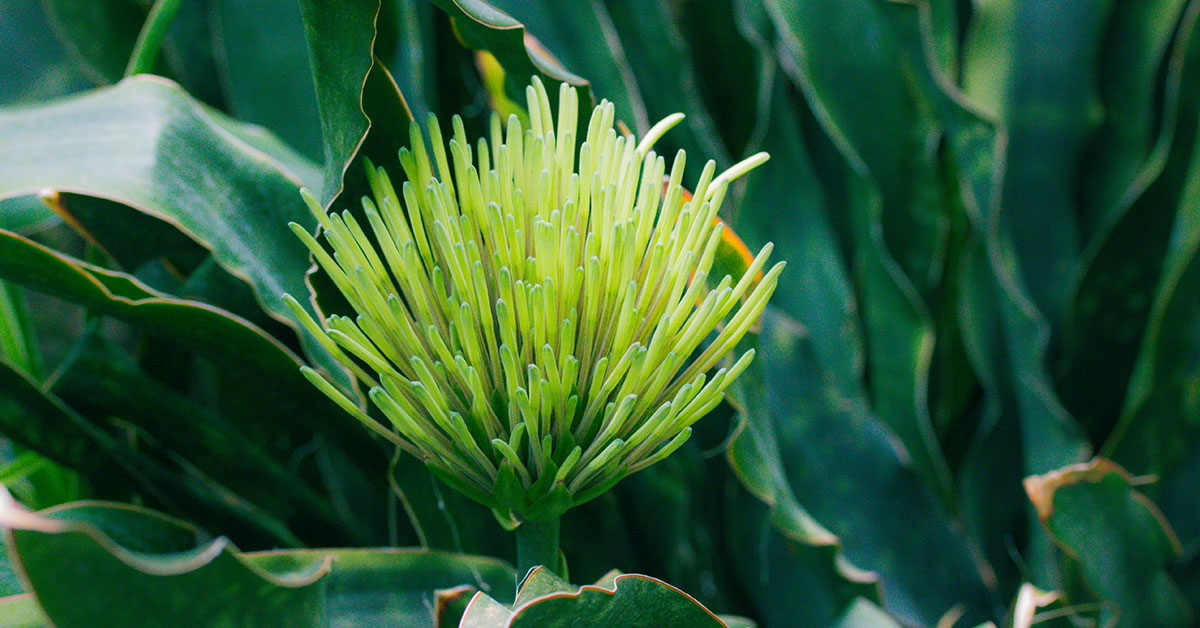
Sansevieria Kirkii is a striking and popular houseplant with a distinctive look. Its long, upright, and stiff leaves are deep green to blue-green with light-colored horizontal stripes, giving it a unique and eye-catching appearance. The leaves are stiff and pointed and can grow up to 6 feet in length. This doesn’t mean the plant will be that tall, the leaves are known for their graceful drooping arcs. Blossoms produce striking conical flowers. Flowers will grow from green/white buds with pastel tubes, often a shade of purple or pink. They have a sweet fragrance.
What is Sansevieria Kirkii?
Sansevieria Kirkii is an easy-to-grow plant that is tolerant of low light, drought, and neglect. It does best in bright, indirect light and prefers soil that is allowed to dry out between waterings. This hardy plant does very well when grown in containers and is easy to propagate. Sansevieria Kirkii is generally pest and disease free and is non-toxic to pets and humans.
- Scientific name: Dracaena pethera
- Other names: Star Sansevieria, Kirkii Snake Plant
- Native to: East Africa
- Invasiveness: Not known to be invasive
- Tenderness: Hardy to USDA Zone 10
- Sun: Best grown in bright, indirect light
- Water: Water thoroughly and allow the soil to dry out completely between watering.
- Soil: Well-drained cactus mix
- Hardiness zone: Winter hardy, USDA Zone 10-12
- When to plant: Best planted in spring
- Spacing: 12-24 inches apart
- Plant height: Up to 2 feet tall
- Bloom period: Spring
- Time to maturity: Reaches full size in 6 – 12 months
- Container friendly: Yes, grows best in container
- Fertilizer: Not necessary but can benefit from low doses monthly
- Toxicity: Mildly toxic, can cause mouth and throat irritation along with gastrointestinal issues
- Drought tolerant: Yes
- Deer resistant: Yes
- Pest resistant: Generally pest and disease free
How to Grow Sansevieria Kirkii
Sansevieria Kirkii is nigh unkillable. Incredibly hearty, with a range of acceptable light, this plant is a perfect low-maintenance addition to your home. It can thrive with indirect and partial full sunlight. Your plant will show obvious signs of distress long before its health becomes critical. Watering should be infrequent but heavy. The soil should be dripping when watering and allowed to dry out before watering again. Make sure to not allow the pot to sit in the run off long as this will cause root rot.
Growing Sansevieria Kirkii in Containers
Growing Sansevieria Kirkii in containers is easy and relatively low maintenance. Place the container in an area with bright, indirect light. You can experiment with the location without much risk. The soil should be a well-drained potting or cactus mix. this plant doesn’t need to be fertilized but it can benefit from weak dosages on a monthly schedule or every spring.
Sansevieria Kirkii is moderately drought tolerant and can tolerate some dry spells. Allow the soil to dry out between watering and water thoroughly until the water is dripping out. Be sure to drain the tray as standing water will cause root rot. It is hardy to USDA Zone 10-12 and can be grown outdoors in warmer climates.
When to Start Sansevieria Kirkii Seeds
Sansevieria Kirkii can be grown from seeds but the seeds are hard to come by and you may not get the leaf shape and color you were looking for. We strongly recommend propagating through division or cuttings.
If you have some seeds you want to use then start by cleaning them thoroughly. Plant the seeds in a well-drained potting or cactus mix. Water thoroughly and place in an area with bright, indirect light. Seedlings should appear in 3 to 6 weeks. Once they have germinated you can treat them like adult plants.
How to Propagate Sansevieria Kirkii Plants
The two fastest ways to propagate a Sansevieria Kirkii are through division and using a cutting.
Propagating Sansevieria Kirkii by division is an easy and effective way to increase the number of plants you have.
To propagate by division, you will need to carefully remove the plant from its pot and divide it into several smaller sections. To begin, you will need a pair of sharp, clean scissors or pruners, a pot with well-draining soil, and some water. Allow the plant’s soil to completely dry out.
Remove the plant from its pot and gently shake off the excess soil. Next, use the scissors or pruners to carefully cut the base into sections, making sure each section has some roots and at least one leaf. Once the divisions are made, you can replant them into the prepared pot. Make sure to firm the soil around the root ball and water the plant thoroughly. Place in an area with bright indirect light.
Propagating Sansevieria Kirkii through cuttings is slower than division but a solid practice. Take your cutting from a mature healthy plant. Remove a leaf from the base of the plant, the size can vary but you’ll want at least 4-6 inches. Cut an inverted ‘V’ shape into the base of the leaf. Now allow your cutting to callus, leaving it in a cool dry location for up to a week.
This will help to protect your cutting from infection. In a small well-drained pot, plant your cutting with a fast-draining potting or cactus mix. Make sure to cover and firm the soil around the roots and water the plant thoroughly. Once the plant is replanted, place the pot in a warm and bright spot, but out of direct sunlight. Water regularly to keep the soil moist but not soggy.
When to Plant Sansevieria Kirkii
Sansevieria Kirkii is best planted in the spring. It is important to note that this plant does not tolerate frost and will not survive in cold temperatures for long. After the last cold snap has passed and the temperatures are mild is the perfect time to plant. This will give the plant plenty of time to establish its roots and adjust to its new environment before the hot summer months.
How to Collect Sansevieria Kirkii Seeds
Sansevieria Kirkii produces small, round berries that are orange when ripe These berries should be collected when they are ripe and plump. Once collected, the berries should be de-seeded and the seeds should be cleaned. The cleaned seeds should be sown in a well-drained potting mix. The seeds don’t last long so they should be harvested and planted in quick succession.
Wildlife Attracted by Sansevieria Kirkii
Sansevieria Kirkii does not typically attract wildlife, as it is toxic to pets and humans. It repels many pests like spider mites and mosquitoes. If your plant is attracting flies then you are watering too often. The flies are being drawn by the soil.
Common Problems With Sansevieria Kirkii
Common problems with growing Sansevieria Kirkii include root rot and pests. Root rot can be caused by waterlogged soil, and can be fixed by allowing the soil to dry out between waterings or dumping the overflow tray more often. Pests such as mealybugs can be treated with insecticidal soap or horticultural oil. Additionally, Sansevieria Kirkii is susceptible to infection from fungal diseases, which can be prevented by avoiding over-watering and providing good air circulation.