
At Atmore Farm & Garden, a longtime customer named Sandra recently arrived with peaches from a tree whose lineage stretches across multiple generations of seed saving. The fruits are sweet, pale-fleshed, and clingstone, produced by a tree that receives no special treatment yet continues to thrive. This approach stands apart from the standard practice of planting grafted varieties, which are cloned for uniformity rather than grown from seed.
The Gardener and Her Regular Contributions
Sandra is a familiar face at the store. She is slight in build, energetic, and has curly white hair along with striking blue eyes. Staff estimate her age at 80 or older, and they regard her as one of the most skilled gardeners they know. In recent weeks she has shared both large, sweet figs and then the peaches from her longstanding tree.
Her visits underscore a quiet commitment to sharing produce that carries a personal history. The peaches she brought reflect years of observation and simple stewardship rather than intensive intervention.
How the Lineage Began and Persisted
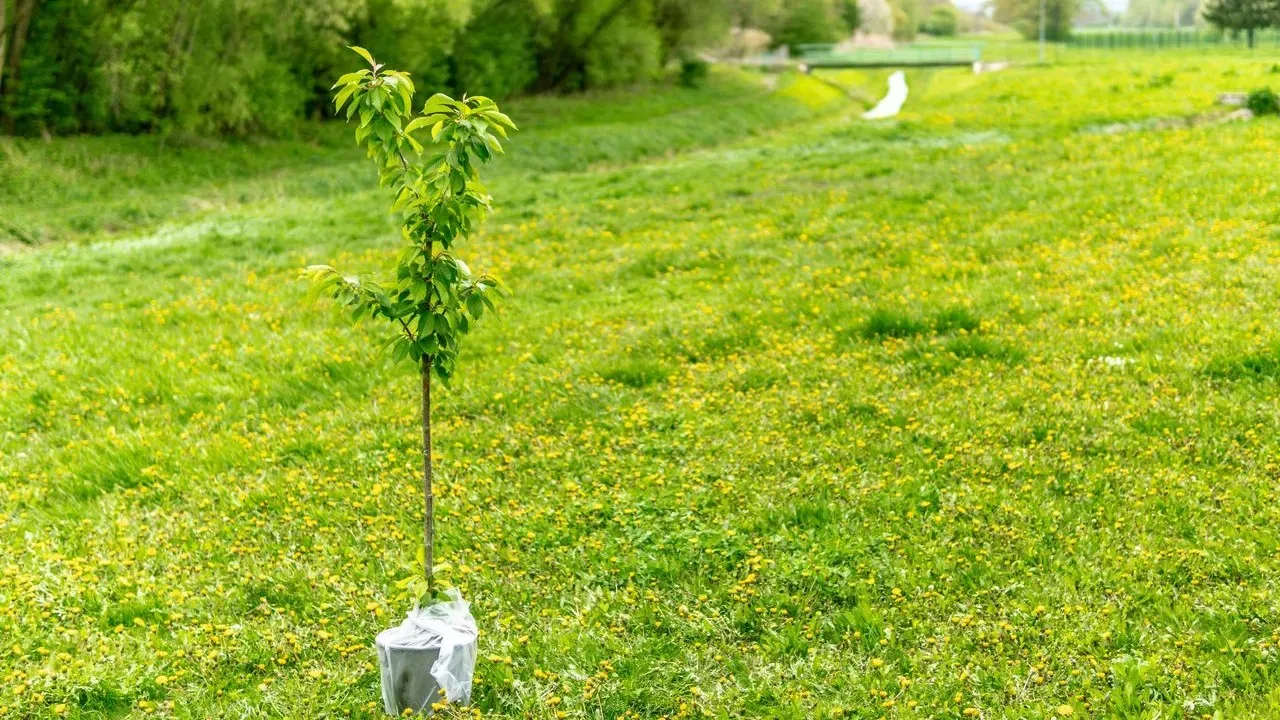
Sandra describes the tree as a seedling of a seedling of a seedling, replanted from seed for an unknown number of years. The variety has never been grafted. One incident illustrates how casually the tradition can continue. A worker in her yard received permission to pick fruit, ate a peach, and remarked on its quality before discarding the pit on the ground.
Sandra pointed out that he had just planted his own peach tree. The pit, left where it fell, embodies the straightforward method that has sustained the line. Staff at the store later saved pits from the peaches she brought, extending the same practice.
Practical Outcomes of Seed-Grown Trees
Peach trees started from seed often prove more vigorous than their grafted counterparts. In cases tracked by experienced growers, most seedlings have produced acceptable or better fruit within a couple of years. The process itself is direct: pits are collected, the kernels removed after cracking, and then stratified in moist soil inside a refrigerated bag for several months until roots form.
Once sprouted, the young plants can be moved to pots or directly into the ground. This method requires minimal equipment and relies on the natural variability that comes with sexual reproduction rather than cloning. The resulting trees sometimes outperform expectations in both growth rate and resilience.
Seedling Trees Compared With Grafted Stock
| Aspect | Seedling-Grown Peaches | Grafted Peaches |
|---|---|---|
| Growth habit | Often more vigorous | Typically controlled by rootstock |
| Fruit consistency | Variable; many prove good | Highly uniform with parent variety |
| Maintenance needs | Low in successful cases | Standard pruning and care required |
| Genetic outcome | New combinations each generation | Exact replica of scion |
The table highlights why some gardeners choose to preserve seedling lines even though results cannot be predicted with certainty. Each new tree represents a genetic gamble that occasionally yields superior or distinctive fruit.
Why the Tradition Continues
Preserving a multi-generational seedling line keeps genetic diversity alive in a crop that is otherwise dominated by cloned varieties. Sandra’s tree demonstrates that productive peaches can arise without purchased stock or complex techniques. The approach also connects current gardeners to earlier practices that relied on observation and seed saving.
Store staff note that such examples arrive more often than expected. They serve as reminders that reliable fruit can emerge from simple methods when the starting material is already well adapted to local conditions.
AI Disclaimer: This article was created with the assistance of AI tools and reviewed by a human editor.