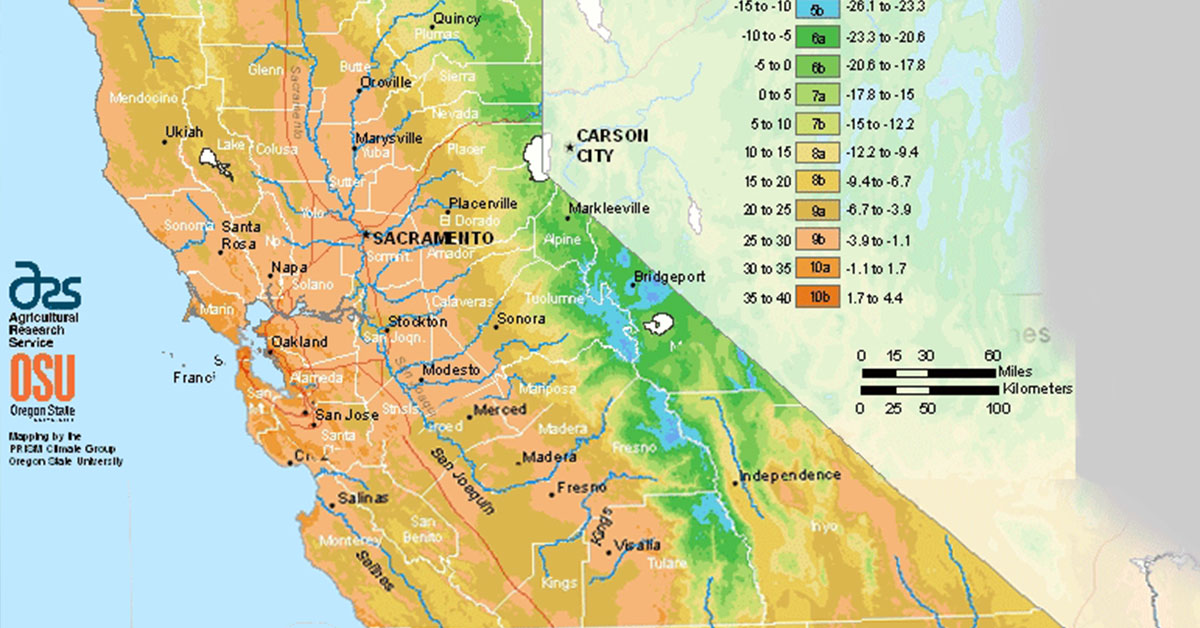

Welcome to the vibrant world of gardening in San Jose, California! Nestled in the heart of the Silicon Valley, this bustling city offers a unique and favorable climate for cultivating a wide variety of plants. One of the key factors that gardeners in San Jose need to consider is the USDA hardiness zone, which plays a crucial role in determining the types of plants that will thrive in this region.
San Jose falls within USDA hardiness zone 9b, characterized by mild winters and long, warm summers. This zone provides an ideal environment for a diverse range of plants, allowing gardeners to experiment with an array of colorful flowers, lush foliage, and delicious fruits and vegetables.
Whether you are a seasoned gardener or a beginner looking to embark on a green journey, understanding the USDA hardiness zone in San Jose will be your first step towards creating a thriving and beautiful garden.
What is San Jose’s USDA hardiness zone?
The USDA hardiness zone is a system developed by the United States Department of Agriculture (USDA) to categorize regions based on their average annual minimum temperatures. This system helps gardeners and plant enthusiasts determine which plants are most likely to thrive in a particular area.
San Jose, located in Santa Clara County, California, falls within USDA hardiness zone 9b. This means that the average annual minimum temperature in San Jose ranges between 25 to 30 degrees Fahrenheit (-4 to -1 degrees Celsius). Zone 9b is considered a relatively mild climate, characterized by long, hot summers and mild winters. The specific hardiness zone of an area is crucial for gardeners as it provides guidance on selecting plants that can withstand the local climate conditions.
In your city’s case, zone 9b allows for a wide variety of plant choices, including both tropical and subtropical species. Here are some key considerations for gardening in San Jose’s USDA hardiness zone 9b:
- Frost dates: While San Jose experiences mild winters, occasional frosts can still occur. The average last frost date in spring is around mid-March, and the first frost date in fall is typically in late November. It is important to be aware of these dates to protect frost-sensitive plants.
- Plant selection: Zone 9b offers a wide range of plant options. Many tropical and subtropical plants thrive in this climate, including citrus trees, bougainvillea, hibiscus, palms, and various succulents. However, it is essential to consider other factors such as soil type, sun exposure, and water requirements when choosing plants.
- Watering: San Jose has a Mediterranean climate with dry summers. Adequate watering is crucial, especially during the hot months. Deep watering, preferably in the early morning or evening, helps plants establish strong root systems and withstand the heat.
- Soil conditions: San Jose’s soil is typically clay-based and may require amendments to improve drainage and fertility. Adding organic matter, such as compost or well-rotted manure, can help improve soil structure and nutrient content.
- Sun exposure: Most plants in zone 9b thrive in full sun, which means at least six hours of direct sunlight per day. However, some shade-tolerant plants can also be grown in areas with partial shade.
- Microclimates: San Jose’s topography and proximity to the coast create microclimates within the city. Some areas may experience cooler temperatures or higher humidity due to factors like elevation or proximity to bodies of water. It is essential to consider these microclimates when selecting plants for specific locations.
- Drought tolerance: As California frequently experiences drought conditions, selecting drought-tolerant plants is highly recommended. Native plants and those adapted to Mediterranean climates are often the best choices, as they require less water once established.
By understanding and considering the USDA hardiness zone, gardeners in San Jose can make informed decisions about plant selection, watering practices, and overall garden care. It is always beneficial to consult local nurseries, gardening resources, and experienced gardeners in the area for more specific advice and recommendations.
When can you plant your garden in San Jose?
In San Jose, the ideal planting times for different types of plants can vary based on the USDA hardiness zone. San Jose falls under USDA hardiness zone 9b, which means it has a mild Mediterranean climate with warm, dry summers and cool, wet winters. Here are some general guidelines for planting times in San Jose:
- Annual Flowers and Vegetables: In San Jose, the growing season is quite long, allowing for multiple plantings of annual flowers and vegetables. The ideal time to plant most annuals is in early spring, around March or April, after the last frost date. However, some cool-season crops like lettuce, peas, and radishes can also be planted in late summer or early fall for a second harvest.
- Perennial Flowers and Shrubs: Perennial flowers and shrubs can be planted in San Jose throughout the year, but the best time is during the cooler months of fall and winter. Planting in these seasons allows the roots to establish before the hot summer arrives. However, if you choose to plant during the summer, make sure to provide extra care and water to help them survive the heat.
- Trees: Trees can be planted in San Jose during the fall or winter when the weather is cooler and rainfall is more abundant. This allows them to establish their root systems before the dry summer months. However, container-grown trees can also be planted in spring if necessary.
- Bulbs: Spring-flowering bulbs like tulips, daffodils, and hyacinths should be planted in San Jose in late fall, around November or December. This gives them enough time to establish roots before blooming in the following spring. Summer-flowering bulbs like dahlias and gladiolus can be planted in early spring.
- Lawns: The best time to establish a new lawn or overseed an existing one in San Jose is during the fall, from September to November. The cooler temperatures and increased rainfall during this time promote healthy growth and root development.
Remember, these are general guidelines, and specific plant varieties may have slightly different planting requirements. It’s always a good idea to consult local nurseries or gardening resources for more specific information on planting times for individual plants in San Jose.
What grows well in San Jose?
In San Jose, California, the USDA hardiness zone is typically classified as zone 9b. This means that the average annual minimum temperature ranges from 25 to 30 degrees Fahrenheit (-3.9 to -1.1 degrees Celsius). With this in mind, here is a comprehensive list of plants that generally grow well in San Jose:
- Citrus Trees: Lemon, lime, orange, and mandarin trees thrive in the mild climate of San Jose.
- Avocado Trees: San Jose’s climate is suitable for growing avocado trees, which require mild winters and warm summers.
- Olive Trees: Olive trees are well-suited to the Mediterranean climate of San Jose and can tolerate mild frost.
- Fig Trees: Fig trees are hardy and can withstand occasional frost, making them a great choice for San Jose gardens.
- Grapevines: Many grape varieties, such as Cabernet Sauvignon, Chardonnay, and Zinfandel, thrive in San Jose’s climate.
- Rosemary: This aromatic herb is well-suited to San Jose’s climate and can be grown as a shrub or in containers.
- Lavender: With its drought-tolerant nature, lavender is an excellent choice for San Jose gardens.
- Bougainvillea: These vibrant flowering vines love the warm climate of San Jose and add a splash of color to any garden.
- Succulents: San Jose’s dry summers make it an ideal environment for various succulent plants, such as agave, aloe vera, and echeveria.
- California Poppy: The state flower of California, the California poppy, thrives in San Jose’s climate and adds a beautiful touch of orange to gardens.
- California Lilac (Ceanothus): This native shrub produces stunning blue flowers and is well-adapted to San Jose’s climate.
- Salvia: Many varieties of salvia, including the popular ‘Hot Lips’ and ‘Mystic Spires,’ grow well in San Jose.
- Japanese Maple: Although they require some protection from the hot afternoon sun, Japanese maple trees can thrive in San Jose’s climate.
- Cacti: Various types of cacti, such as prickly pear and barrel cacti, can be grown successfully in San Jose’s arid conditions.
- Agapanthus: These beautiful flowering plants are drought-tolerant and can add a touch of elegance to San Jose gardens.
Remember to consider factors such as soil type, sun exposure, and water requirements when selecting plants for your specific garden.
What won’t grow in your city?
In San Jose, which falls under USDA hardiness zone 9b, there are certain plants that may not thrive due to the region’s specific climate and conditions. Here are some plants that may struggle in San Jose:
- Rhododendrons and Azaleas: These plants prefer cooler climates and may struggle with the heat and dryness of San Jose.
- Blueberries: Blueberries require acidic soil, which is typically not naturally found in the alkaline soil of San Jose. Growing them may require significant soil amendments.
- Lilacs: Lilacs prefer colder winters and may not receive the necessary chilling hours in San Jose to bloom properly.
- Hydrangeas: While some varieties of hydrangeas can grow in San Jose, they may require extra care and attention to thrive due to the region’s warm temperatures.
- Peonies: Peonies need a period of cold dormancy, which may not be consistently met in San Jose’s mild winters.
- Tulips: Tulips require a period of cold dormancy and may not receive the necessary chilling hours in San Jose to bloom reliably.
- Bluegrass: Cool-season grasses like Kentucky bluegrass may struggle in San Jose’s warm climate and may require extra watering and care to maintain.
It’s important to note that while these plants may not thrive in San Jose, it doesn’t mean they cannot be grown at all. With proper care, soil amendments, and microclimate adjustments, it is possible to cultivate these plants in the region.