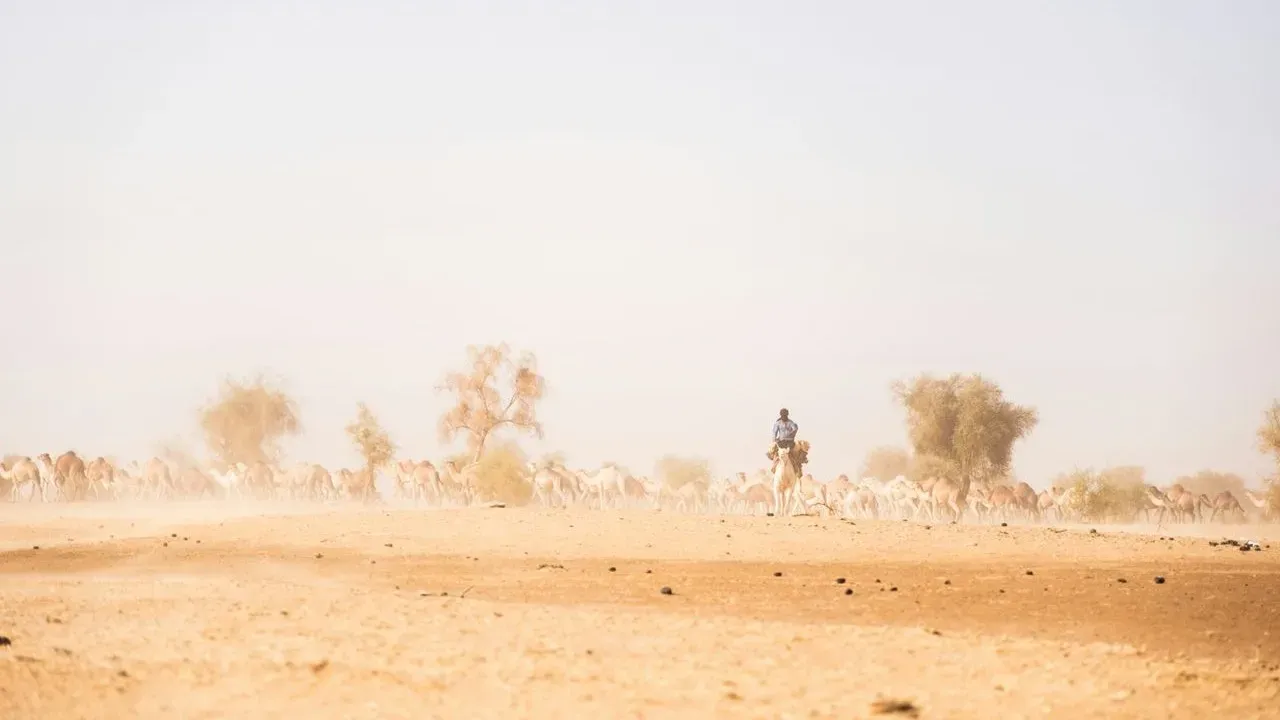

Across Florida and the broader Gulf Coast, hazy conditions are settling in as a plume of Saharan dust drifts over the region. The dust arrives alongside a heat dome shifting into the Southeast, pushing apparent temperatures close to 110 degrees in many areas. This combination is expected to linger through the weekend and reshape outdoor conditions for gardeners and plant enthusiasts.
The Weather Pattern Taking Shape
The Saharan dust plume originates from African deserts and travels thousands of miles across the Atlantic before reaching the United States. Once here, it mixes with a strong high-pressure system known as a heat dome, which traps warm air near the surface and limits cloud formation that might otherwise bring relief.
Meteorologists note that the dust layer adds an extra dimension by scattering sunlight and reducing visibility. In the South, this interaction intensifies surface heat while creating the hazy skies already reported from the Florida peninsula westward along the coast. The result is a prolonged period of elevated temperatures and reduced air clarity.
Implications for Plants and Garden Beds
Reduced sunlight from the dust can slow photosynthesis in sun-loving crops and ornamentals, particularly those already stressed by high heat. Leaves may show signs of scorching or wilting more quickly when daytime feels-like readings climb into triple digits.
Soil moisture evaporates faster under the combined load, increasing the risk of drought stress even in irrigated beds. Delicate seedlings and container plants are especially vulnerable because their root systems have less capacity to draw water from deeper layers. Established trees and shrubs may fare better, yet prolonged exposure can still lead to leaf drop or reduced flowering later in the season.
Key points for gardeners:
- Monitor soil moisture twice daily during peak heat.
- Provide afternoon shade for sensitive species.
- Avoid fertilizing until temperatures moderate.
Practical Steps to Safeguard Outdoor Spaces
Watering early in the morning or late in the evening helps minimize evaporation losses. Deep, infrequent irrigation encourages roots to grow downward rather than remaining near the surface where heat is most intense.
Mulching around plant bases retains moisture and moderates soil temperature. Gardeners may also consider temporary shade cloth over vegetable rows or prized perennials during the hottest hours. Checking local air-quality reports before extended outdoor work remains advisable, as the dust can irritate respiratory systems even at moderate concentrations.
Pruning should be limited to removing only dead or damaged material until conditions ease. New plantings are best postponed until the dust clears and temperatures drop.
Looking Ahead
The current setup is expected to shift as weather patterns evolve, but the episode underscores how distant atmospheric events can influence local growing conditions. Southern gardeners who adjust routines promptly can limit damage and maintain healthier landscapes through the remainder of the season.
AI Disclaimer: This article was created with the assistance of AI tools and reviewed by a human editor.