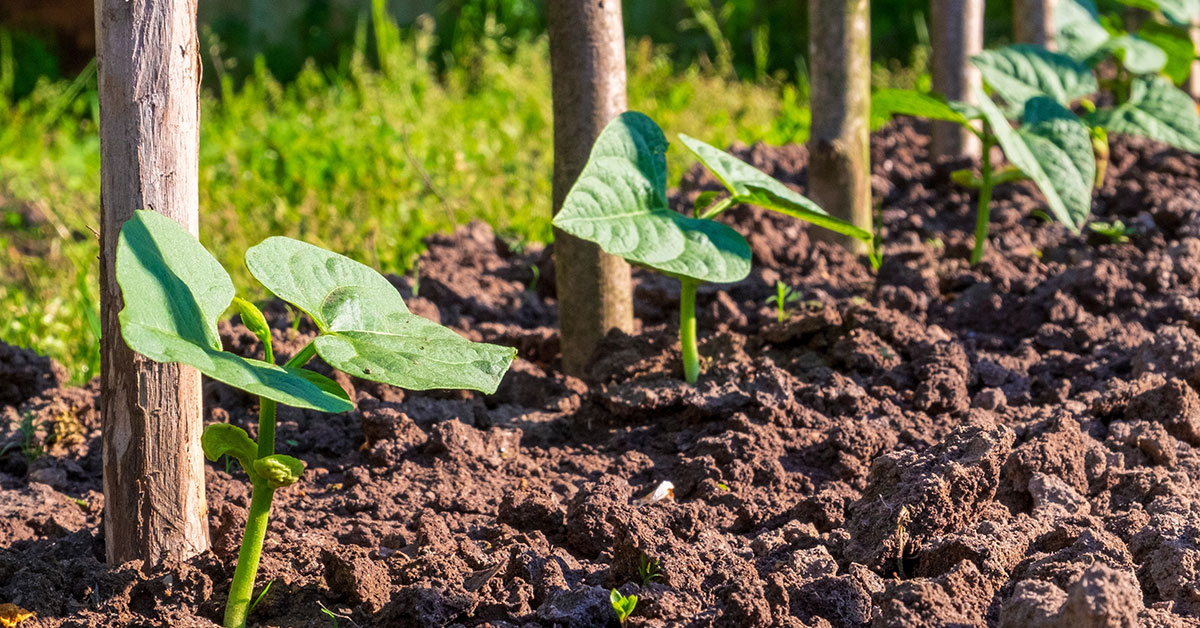

Welcome to the world of runner beans! If you’re an aspiring gardener looking to add some delicious and nutritious produce to your backyard, the runner bean is an excellent choice.
These versatile and easy-to-grow plants not only provide a bountiful harvest but also add a touch of beauty to your garden with their vibrant flowers and lush foliage. Whether you’re a seasoned green thumb or a novice just starting out, this article will guide you through everything you need to know about runner beans, from planting and caring for them to harvesting and enjoying the fruits of your labor.
What is a Runner Bean?
A runner bean is a type of climbing plant that belongs to the legume family. It is scientifically known as Phaseolus coccineus and is native to Central and South America. Runner beans are popular in many parts of the world for their attractive flowers and delicious edible pods.
The plant itself is a fast-growing vine that can reach heights of up to 3 meters or more. It has long, slender stems that twine around supports, such as trellises, poles, or fences. The leaves are large and heart-shaped, providing a lush green backdrop to the vibrant flowers. Speaking of flowers, runner beans produce beautiful blossoms in various colors, including white, pink, and red.
These flowers are not only visually appealing but also attract pollinators like bees and butterflies to help with the bean production. The beans of the runner bean plant are long, flat, and slightly curved. They can grow up to 20-30 centimeters in length, depending on the variety. The pods are usually picked and consumed when they are young and tender, before the beans inside fully mature.
The flavor of runner beans is often described as sweet and nutty, and they are commonly used in both cooked and raw dishes. Runner beans are a relatively easy plant to grow, making them suitable for both beginner and experienced gardeners. They thrive in full sun and well-drained soil, and regular watering is essential to keep the plants healthy and productive. It is also important to provide some form of support for the vines to climb on, such as a trellis or bamboo poles.
In terms of cultivation, runner beans can be either sown directly into the ground or started indoors and transplanted later. The seeds should be planted in spring when the soil has warmed up. It is advisable to soak the seeds overnight before planting to help with germination. As the plants grow, regular maintenance is required, such as removing weeds, providing additional support for the vines, and ensuring they are well-watered. Runner beans are generally quite resilient, but they can be susceptible to pests like aphids or diseases like powdery mildew.
Monitoring the plants regularly and taking necessary measures, such as using organic pest control methods or applying fungicides if needed, can help keep these issues at bay. Harvesting runner beans can begin when the pods are about 15 centimeters long and continue throughout the growing season. Regular picking encourages the plant to produce more beans.
If allowed to fully mature, the beans inside the pods can be saved and used as seeds for the next planting season. Overall, runner beans are a versatile and rewarding addition to any garden. With their attractive appearance, delicious taste, and ease of cultivation, they are a popular choice for both ornamental and edible purposes.
What does a Runner Bean taste like?
Runner beans have a unique taste that can be described as slightly sweet and nutty. They have a crisp and crunchy texture, similar to green beans, but with a more distinct flavor. The taste of runner beans can vary depending on their maturity and how they are cooked. Young runner beans, when harvested early, tend to have a milder and sweeter taste. As they mature, the flavor becomes slightly stronger and more earthy. When cooked, runner beans retain their sweetness and develop a pleasant, tender texture. Overall, the taste of runner beans is often described as refreshing and delightful, making them a popular choice in many dishes.
How to start Runner Beans from seed
Starting runner beans is a relatively straightforward process. Here’s a step-by-step guide to help you get started:
- Choose the right time: Runner beans are warm-season crops, so it’s important to start them after the danger of frost has passed. In most regions, this is typically in spring when the soil temperature reaches around 50°F (10°C).
- Prepare the soil: Select a location in your garden that receives at least 6-8 hours of direct sunlight each day. Runner beans prefer well-draining soil, so ensure the soil is loose, fertile, and enriched with organic matter like compost or well-rotted manure.
- Soak the seeds: Prior to planting, it’s a good idea to soak the runner bean seeds overnight in a bowl of water. This helps to soften the seed coat and promote faster germination.
- Planting the seeds: Once soaked, you can plant the seeds directly into the garden bed. Dig a hole about 1-2 inches deep and space the seeds around 6-8 inches apart. Alternatively, you can start them indoors in peat pots or seed trays a few weeks earlier before transplanting them outdoors.
- Sowing depth: Place the seeds in the holes with the pointed end facing down and the rounded end facing up. Cover the seeds with soil, gently firming it down to ensure good seed-to-soil contact.
- Provide support: Runner beans are vigorous climbers, so it’s important to provide them with support. You can set up trellises, stakes, or bean poles before or immediately after planting the seeds to avoid damaging the young plants later on.
- Watering: After planting, water the seeds thoroughly to ensure the soil is evenly moist. Throughout the growing season, it’s important to keep the soil consistently moist, especially during dry periods. Avoid overwatering, as runner beans prefer well-drained soil.
- Care and maintenance: As the runner beans grow, regularly check for weeds and remove them to reduce competition for nutrients and water. Mulching around the base of the plants can help to suppress weeds and retain soil moisture. Additionally, monitor for pests such as aphids or slugs and take appropriate measures if necessary.
- Harvesting: Runner beans typically take about 8-10 weeks to mature. Harvest the beans while they are still young and tender, before the seeds inside become too developed. Regular harvesting encourages the plants to produce more beans.
By following these steps, you should be able to successfully start your runner beans and enjoy a bountiful harvest. Happy gardening!
Planting and growing Runner Beans
To plant and grow runner beans, follow these steps:
- Choose a suitable location: Select a sunny spot in your garden with well-drained soil. Runner beans thrive in full sun, so ensure they receive at least 6-8 hours of direct sunlight each day.
- Prepare the soil: Before planting, prepare the soil by removing any weeds and loosening it with a garden fork or tiller. Incorporate organic matter like compost or well-rotted manure to improve fertility and drainage.
- Sow the seeds: Runner beans can be sown directly in the ground after the last frost date in your area. Dig a trench about 2 inches deep and sow the seeds 6-8 inches apart. Cover the seeds with soil and water gently.
- Provide support: As runner beans are climbers, they require support to grow properly. Install trellises, stakes, or bean poles at the time of planting to provide a structure for the vines to climb. Make sure the support is sturdy and at least 6-8 feet tall.
- Water regularly: Keep the soil evenly moist throughout the growing season. Water deeply once or twice a week, depending on rainfall and temperature. Avoid overwatering, as excessive moisture can lead to root rot.
- Mulch the soil: Apply a layer of organic mulch around the base of the plants to help retain moisture, suppress weeds, and regulate soil temperature. Straw, shredded leaves, or grass clippings make excellent mulch options.
- Fertilize appropriately: Runner beans are nitrogen-fixing plants, meaning they can obtain their nitrogen requirements from the air through symbiotic bacteria in their root nodules. However, if your soil is deficient in nutrients, you can apply a balanced organic fertilizer during planting and side-dress with compost or well-rotted manure once the plants start flowering.
- Monitor pests and diseases: Keep a close eye on your plants for any signs of pests like aphids, slugs, or snails. If necessary, use organic pest control methods such as handpicking, spraying with insecticidal soap, or introducing beneficial insects. Also, watch out for diseases like powdery mildew and take appropriate measures like proper spacing, good air circulation, and avoiding overhead watering to prevent their occurrence.
- Harvesting: Runner beans typically start producing pods around 10-12 weeks after sowing. Harvest the pods when they are young, tender, and about 6-8 inches long. Regular harvesting will encourage the plant to produce more beans.
By following these steps and providing the necessary care, you can enjoy a bountiful harvest of delicious runner beans in your garden.
When to harvest Runner Beans
The best time to harvest runner beans is when the pods are young and tender, and the seeds inside have not yet fully developed. Typically, this occurs around 7-10 days after flowering. The pods should be crisp, plump, and about 6-8 inches long. It’s important to regularly check the plants for ripe pods as they can quickly become tough and stringy if left on the plant for too long. Harvesting regularly encourages the plants to produce more beans throughout the season.