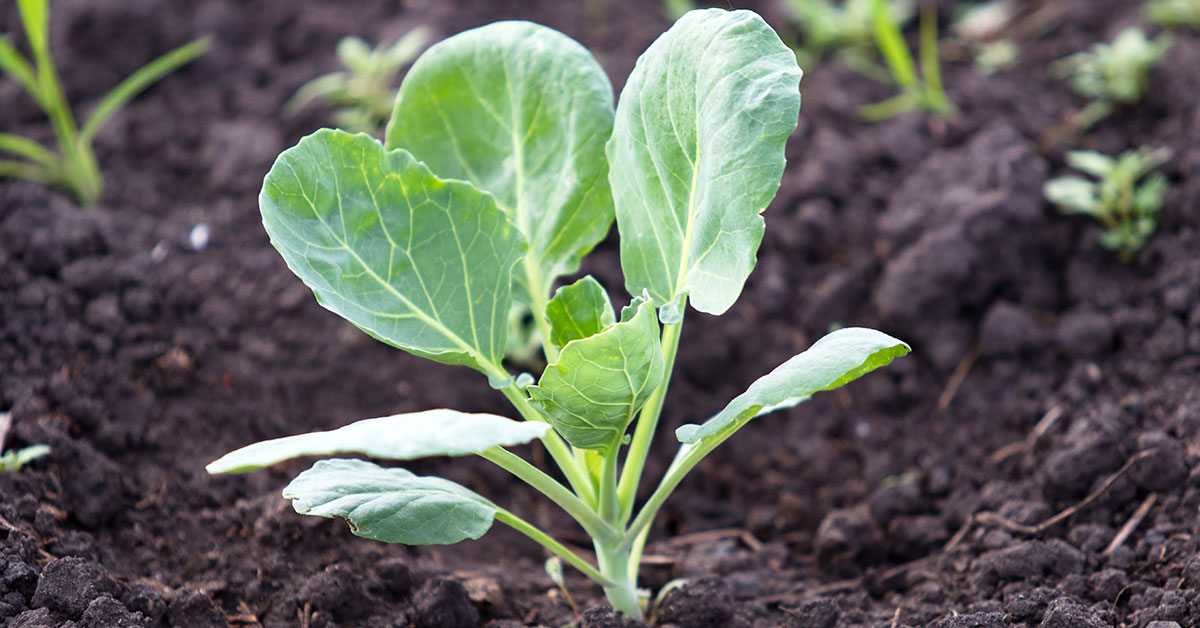

Rubine Brussels Sprout are unique and captivating addition to any vegetable garden. With its vibrant, deep purple color and compact growth habit, this variety is sure to catch the eye of both beginner and experienced gardeners alike. Not only does it offer a visually stunning display, but it also boasts a delectable taste that is both nutty and sweet.
In this article, we will delve into the fascinating characteristics of the Rubine Brussels Sprout, explore its cultivation requirements, and provide essential tips to ensure a successful harvest. Whether you are seeking to enhance your culinary creations or simply add a touch of elegance to your garden, Rubine Brussels Sprouts are a fantastic choice that will surely surpass your expectations.
What is a Rubine Brussels Sprout?
A Rubine Brussels sprout is a unique and colorful variety of Brussels sprouts. It is known for its vibrant purple-red hue, making it an eye-catching addition to any garden. The Rubine Brussels sprout plant typically grows to a height of about 2-3 feet and forms small, round sprouts along its sturdy stalk. The sprouts themselves are similar in size and shape to traditional Brussels sprouts, measuring about 1-1.5 inches in diameter. However, what sets the Rubine variety apart is its striking deep purple color, which intensifies as the sprouts mature.
This rich coloration not only makes the Rubine Brussels sprout visually appealing but also adds a touch of elegance to any dish it is used in. In terms of taste, Rubine Brussels sprouts offer a slightly sweeter and milder flavor compared to regular green Brussels sprouts. They have a tender texture and can be cooked in various ways, such as roasting, steaming, or sautéing.
When cooked, the vibrant color of the Rubine sprouts may fade slightly, but they still retain their unique appearance and delicious taste. Like other varieties of Brussels sprouts, the Rubine variety is a cool-season crop that thrives in temperatures ranging from 45°F to 75°F (7°C to 24°C). It requires well-drained soil, full sun exposure, and regular watering to ensure healthy growth.
Rubine Brussels sprouts are typically ready for harvest about 90-100 days after planting, depending on the specific growing conditions. Overall, the Rubine Brussels sprout is a visually stunning and flavorful addition to any garden. Its deep purple-red color, combined with its mild taste, makes it both a decorative and delicious vegetable to include in your culinary adventures.
What does Rubine Brussels Sprout taste like?
The Rubine Brussels Sprout is a unique and flavorful variety of Brussels sprouts. Its taste can be described as slightly sweet with a hint of nuttiness. The vibrant red-purple color of the sprouts indicates a higher concentration of anthocyanins, which contributes to its distinct flavor profile. When cooked, the Rubine Brussels Sprout retains its tenderness and crispness, offering a delightful texture. The flavor is earthy and rich, with a subtle bitterness that adds depth to its taste. Whether roasted, sautéed, or steamed, the Rubine Brussels Sprout provides a deliciously robust and slightly sweet experience for your taste buds.
How to start from seed
Starting Rubine Brussels sprouts from seeds is a relatively straightforward process. Here’s a step-by-step guide to help you get started:
- Timing: Rubine Brussels sprouts are typically started indoors 8-10 weeks before the last expected frost date in your area. Make sure to check your local climate and determine the right time to start seeds.
- Seed selection: Purchase high-quality Rubine Brussels sprout seeds from a reputable seed supplier or garden center. Look for fresh seeds that have a high germination rate.
- Seed starting containers: Use seed trays, small pots, or seedling trays with drainage holes to sow the seeds. Ensure the containers are clean and have been sterilized to reduce the risk of disease.
- Seed starting mix: Fill the containers with a good-quality seed starting mix. This type of soil is lightweight, sterile, and provides the right moisture retention for seed germination.
- Sowing seeds: Make small holes in the soil, approximately 1/4 to 1/2 inch deep, using your finger or a pencil. Place one or two Rubine Brussels sprout seeds in each hole and cover them lightly with soil. Space the seeds about 2 inches apart.
- Watering: After sowing the seeds, water the containers gently to ensure the soil is evenly moist. Avoid overwatering, as it can lead to fungal issues or root rot. Use a spray bottle or a watering can with a fine spout to avoid displacing the seeds.
- Germination: Place the containers in a warm location with good indirect sunlight or under grow lights. Rubine Brussels sprout seeds usually take around 7-10 days to germinate. During this period, maintain consistent moisture in the soil by misting it regularly.
- Transplanting: Once the seedlings have developed a few sets of true leaves and are about 2-3 inches tall, they are ready to be transplanted. This usually takes around 4-6 weeks after germination. Harden off the seedlings by gradually exposing them to outdoor conditions for a week before transplanting.
- Outdoor planting: Choose a sunny location in your garden with well-draining soil. Brussels sprouts prefer fertile soil enriched with organic matter. Dig holes slightly larger than the root balls of the seedlings and plant them at the same depth as they were in the containers. Space the plants about 18-24 inches apart to allow for adequate air circulation.
- Care and maintenance: Water the transplanted seedlings deeply immediately after planting. Maintain consistent moisture throughout the growing season, ensuring the plants receive about 1 inch of water per week. Mulching around the plants can help retain moisture and suppress weeds. Provide support, such as staking or caging, as the plants grow taller to prevent them from bending or falling over.
- Harvesting: Rubine Brussels sprouts usually take about 90-100 days from transplanting to reach maturity. Harvest the sprouts when they are firm, about 1-1.5 inches in diameter, and have a vibrant red color. Begin by picking the lower sprouts first and continue upward as they mature. Remove the sprouts by snapping them off the stalk.
Remember, Brussels sprouts are cool-season crops, so they perform best in cooler temperatures. Proper care, regular watering, and protection from pests like aphids and cabbage worms will help you grow healthy and productive Rubine Brussels sprouts.
Planting and growing Rubine Brussels Sprout
Planting and growing Rubine Brussels sprouts requires a few steps. Here is a guide to help you:
- Choose the right time: Rubine Brussels sprouts are cool-season vegetables. Start planting them in early spring for a fall harvest. They require a long growing season of approximately 90-100 days.
- Select a suitable location: Brussels sprouts prefer a sunny spot with well-drained soil. Ensure the soil is rich in organic matter and slightly acidic with a pH level between 6.0 and 6.8.
- Prepare the soil: Clear the area of any weeds, rocks, or debris. Loosen the soil to a depth of 12-18 inches using a garden fork or tiller. Incorporate compost or well-rotted manure into the soil to improve its fertility and moisture retention.
- Start seeds indoors (optional): Rubine Brussels sprouts can be started indoors 6-8 weeks before the last frost date. Fill seed trays or pots with seed starting mix, sow the seeds ¼ inch deep, and keep them in a warm location with ample sunlight. Transplant the seedlings outdoors once they have developed 4-6 true leaves.
- Direct sowing: Alternatively, you can directly sow the seeds into the prepared garden bed. Space the seeds 1 inch apart and cover them with ¼ inch of soil. Maintain a distance of 18-24 inches between each seed row.
- Watering: Keep the soil consistently moist but not waterlogged. Brussels sprouts require about 1-1.5 inches of water per week. Water deeply and regularly, especially during dry periods.
- Fertilization: Prior to planting, incorporate a balanced organic fertilizer into the soil. Side-dress the plants with compost or a nitrogen-rich fertilizer every 3-4 weeks to promote healthy growth.
- Mulching: Apply a layer of organic mulch around the plants to conserve moisture, suppress weed growth, and regulate soil temperature.
- Support: As the Rubine Brussels sprouts grow taller, they may require support to prevent them from toppling over. Use stakes or cages to provide support to the plants.
- Pest control: Monitor the plants regularly for pests such as aphids, cabbage worms, or slugs. Use organic pest control methods like handpicking or applying insecticidal soap if necessary.
- Harvesting: Rubine Brussels sprouts are ready for harvest when the sprouts are firm and about 1-1.5 inches in diameter. Start harvesting from the bottom of the plant upwards, picking the sprouts individually or cutting the entire stalk.
By following these steps, you can successfully plant and grow Rubine Brussels sprouts in your garden. Happy gardening!
When to harvest
The best time to harvest Rubine Brussels Sprouts is when the sprouts have reached a mature size of approximately 1 to 1.5 inches in diameter. This usually occurs around 90 to 100 days after planting. The sprouts should have a firm texture and a deep red-purple color. It’s important not to wait too long to harvest them, as they can become overripe and lose their flavor and tenderness. Harvesting can typically begin in late fall or early winter, depending on when you planted them.