

Stop Fertilizing Before It’s Too Late

A good rule is to stop feeding roses at least eight weeks before the first expected frost in your area. Fertilizing past that point pushes the plant to generate new, tender growth at precisely the wrong time of year. Those in warmer zones, around zone 8 and above, can continue feeding in early fall but should still stop around six weeks before frost occurs. Avoid high-nitrogen fertilizers, choosing products with higher potassium and phosphorus values to strengthen the plant without encouraging new leaves and stems.
Late nitrogen sends stored carbohydrates into new shoots rather than into thickening the canes already standing and packing starch into the crown. That’s the opposite of what a rose needs heading into winter. The goal at this stage is consolidation, not growth.
Stop Deadheading and Let Rose Hips Form
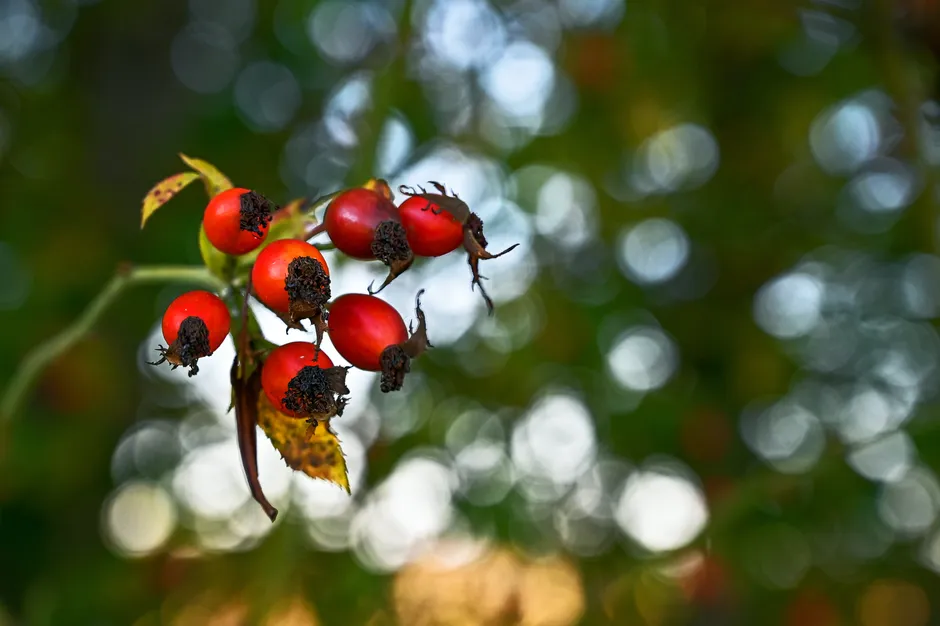
Stop deadheading by Labor Day to allow the plant to shut down and set hips for winter interest. This is one of the most counterintuitive shifts in the rose-care calendar, because deadheading feels so productive during summer. In fall, though, it works against the plant.
Let your roses transition naturally in fall by allowing them to form rosehips from their late-season flowers. Deadheading is a vital rose task that boosts production and gives you masses of gorgeous flowers, but allowing your roses to slow down in fall as temperatures drop is just as important. Rose hips also add genuine ornamental value to the garden once most other plants have gone bare, and they’re a reliable food source for birds through the colder months.
Clear Away Fallen Leaves and Debris
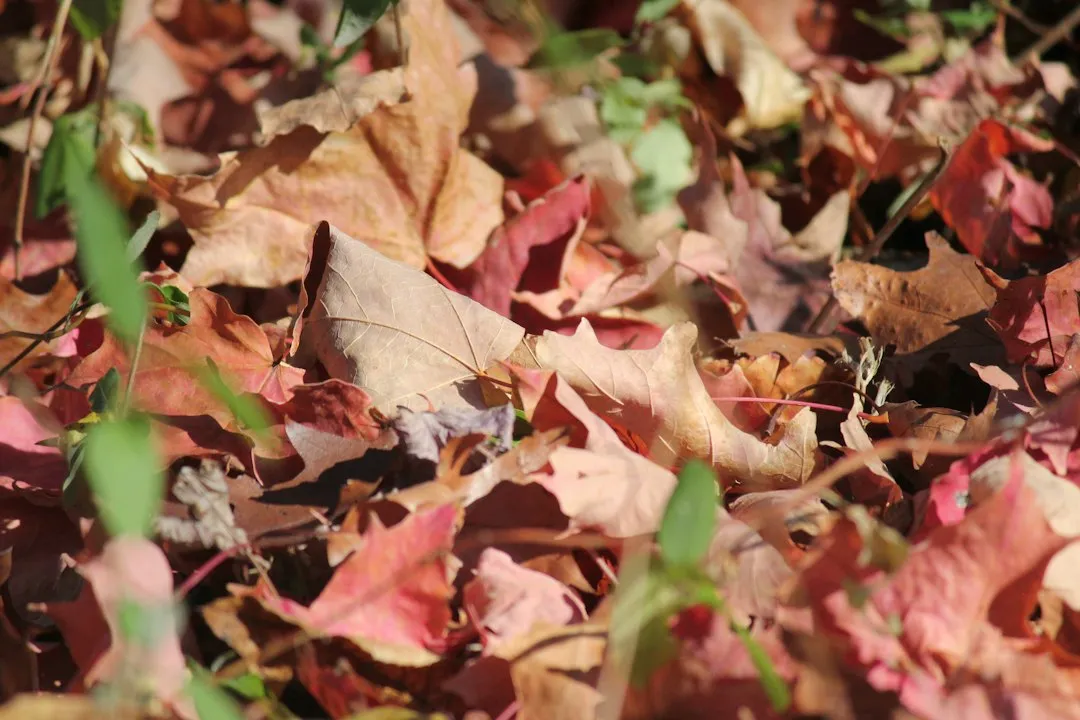
Fall cleanup in the rose garden is an important step because it helps reduce disease pressure by removing infected leaves and stems and minimizing insect overwintering sites. Disease-infected leaves, like those with black spot, harbor overwintering fungal spores that will re-infect your plants next year. This is not optional housekeeping.
Preparing the ground around your roses is a very important step in promoting plant health. Rake up fallen leaves and discard them – it is not recommended to compost these leaves as they may spread disease. Bag them and put them out with household waste rather than adding them to your compost pile, where the spores can survive.
Keep Watering Until the Ground Freezes

Even after the flowers fade, roots continue to grow and store energy that will fuel next spring’s growth. Consistent watering through fall helps them build strong reserves before the ground freezes. It’s easy to forget about watering once the blooms disappear, but the roots are still very much active underground.
Dry soil going into winter stresses plants and can lead to root or cane dieback. Moist but not soggy soil provides insulation for roots and helps them withstand freezing temperatures. According to the University of Nebraska Extension, soak plants to a depth of 8 to 12 inches every two to three weeks while they are still growing and once a month after they are dormant.
Resist the Urge to Prune Hard in Fall
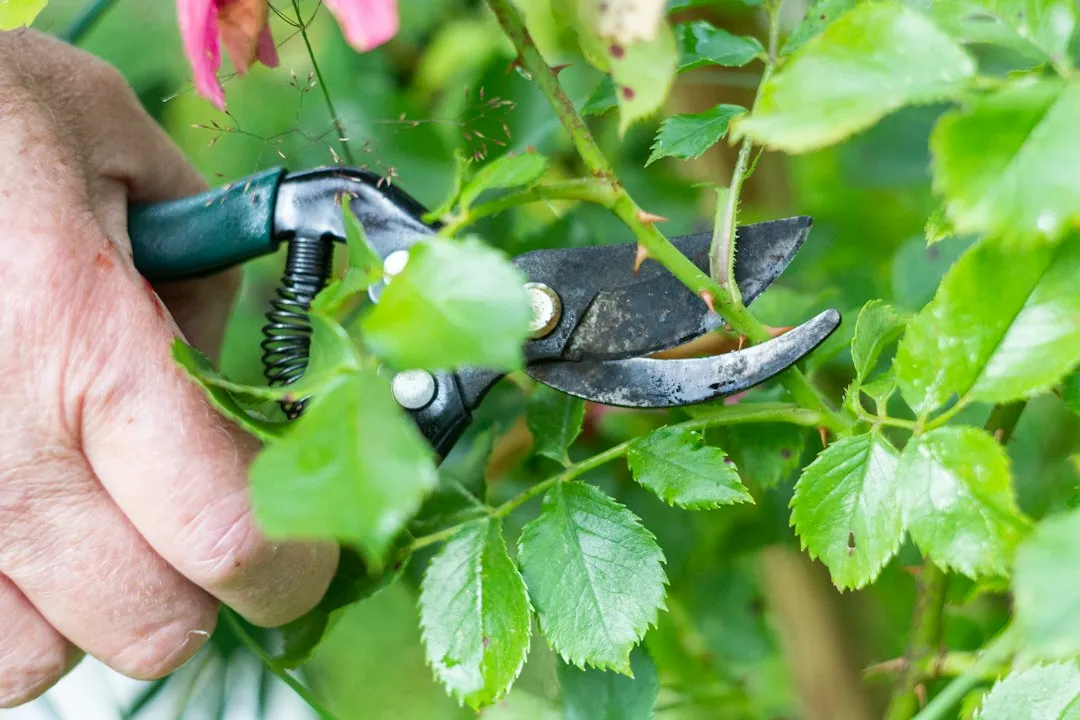
Hard autumn pruning kills more roses in cold country than the cold itself does. University of Illinois Extension keeps fall cuts to an absolute minimum: dead wood, diseased wood, broken canes, and nothing else. A heavy cut in late autumn wakes latent buds into growth right before freezing weather arrives, and that new growth has no chance of surviving it.
Late winter and early spring are generally the best times to prune roses for shaping, fostering growth, and removing winter dieback. Heavy pruning in fall is challenging as the shrubs prepare to overwinter because energy should go toward root development rather than leafy production, and new growth during a warm spell will experience freeze damage as temperatures drop. The occasional dead or broken cane is fine to remove now. Everything else waits for spring.
Trim Tall Canes to Prevent Wind Damage

Late fall is a good time to clean up your roses lightly. Cut out dead or broken canes to increase airflow, and for any roses that are especially tall, you can bring the height down to about four feet to prevent wind damage over the winter. This is especially relevant for climbers and large shrub roses growing in exposed positions.
Even the tops of anchored roses can be affected by windrock. In that scenario, it’s better to prune the top third to prevent windrock – this is protective pruning, not hard pruning. The distinction matters. You’re stabilizing the plant, not reshaping it. Save that job for when forsythia blooms in spring.
Mulch the Base Generously
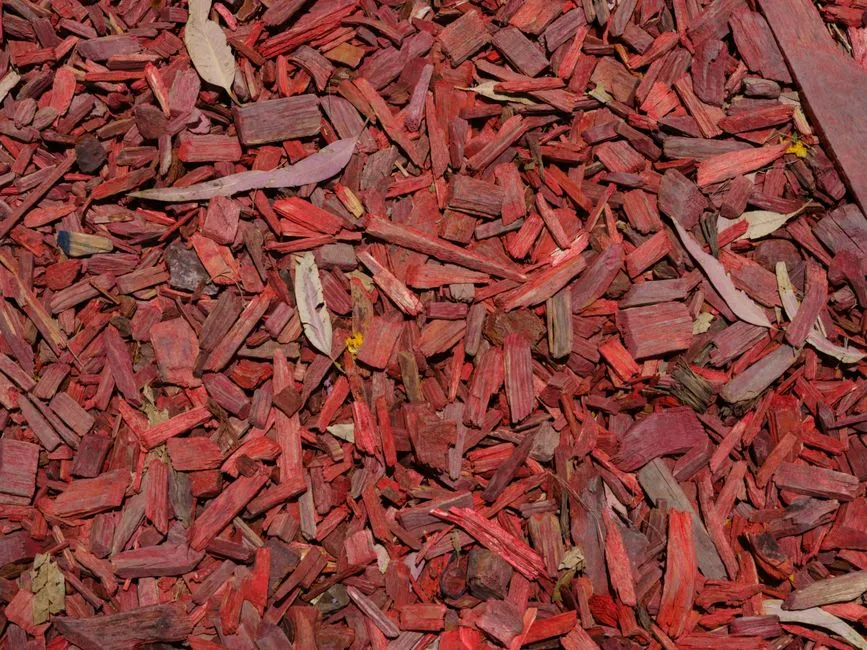
The timing of mulching is key to success. Start mulching after the first hard frost but before the ground freezes. This will trap in the cold air needed to prevent the soil from warming too much during midwinter thaws. Warming and refreezing in cycles is one of the most damaging things that can happen to rose roots in winter.
The best mulches for roses are the simple, reliable ones: shredded bark, straw, compost, or pine needles. They insulate well without smothering the plant. Aim to apply a generous four to six inch layer around the base of your rose bush, mounding it slightly to protect the crown and graft union from temperature swings. In colder zones, that layer goes even deeper.
Mound Soil Around the Crown for Extra Protection
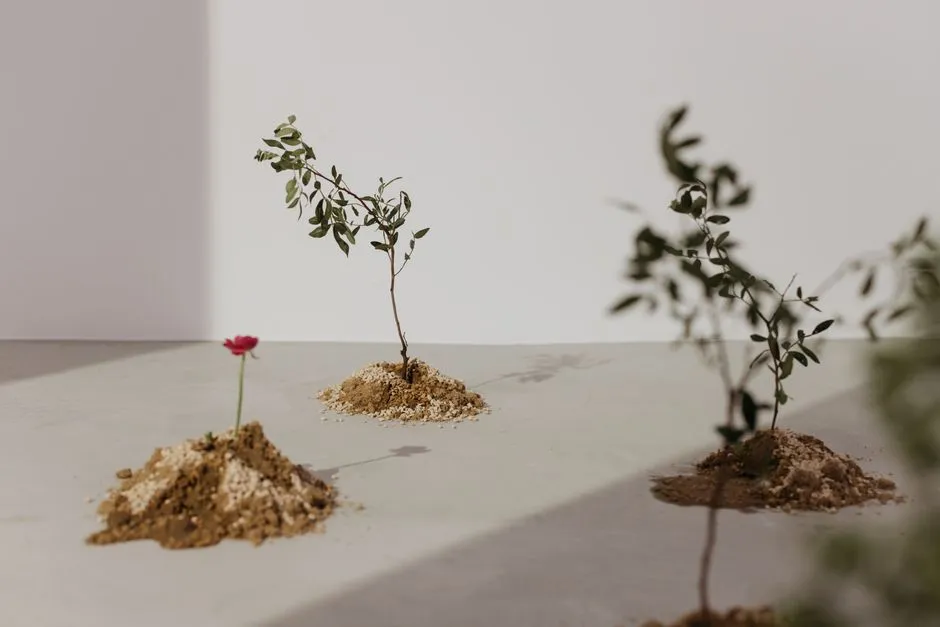
Mound soil ten to twelve inches deep around the base of tender roses, such as hybrid teas, floribundas, and grandifloras, or plants that have suffered significant winter damage in the past. It’s particularly important that soil covers and protects the bud union on grafted plants. Take soil from another area of the garden so you don’t damage your rose’s roots by digging around it.
After several days of below-freezing temperatures, create a mound of soil, compost, shredded leaves, or evergreens eight to ten inches deep over the base of the plant. Mounding keeps the rose uniformly cold, which reduces the chance of damage caused by cycles of freeze and thaw. Zone differences matter here, so adjust your mound depth based on how severe your winters typically run.
Consider Burlap Wrapping for Climbers and Exposed Roses

After you cover the crown with soil, add another covering to the plant for extra protection. You can use materials such as breathable fabrics or burlap, or use rose cones sold specifically for this purpose. Burlap is particularly useful for climbers trained against a wall or fence, where wind chill concentrates on exposed canes.
Climbing rose canes may need to be pulled down and tied together to lay on the ground in zones four through six. Cover with your material of choice, then cover with soil or mulch to insulate if extra protection is required. In the most severe climates, zones three and four, the Minnesota tip method – bending the entire cane structure into a trench and covering with soil – remains the most reliable approach.
Check on Container Roses Before the Hard Freeze Arrives

Container-grown roses in USDA zone seven or colder require extra attention: sink the container in the ground in a sheltered spot so earth insulates the root ball. A pot sitting above ground on a patio has almost no insulation around its roots and is far more vulnerable than a rose planted in the earth. The freeze risk to container roots is genuinely severe.
For potted roses or exposed plants, move them into protected areas if possible, and insulate pots to avoid wind or cold drying out the roots. An unheated garage, a sheltered wall, or a cold frame all give a container rose a fighting chance. Check the soil moisture periodically through winter, even in storage, since roots can desiccate even when dormant.
The Takeaway

Roses in fall have a talent for looking after themselves. They shed leaves, they quiet down, they go brown at the edges. It all signals that the work is done. It isn’t quite. The tasks described above take a few hours at most, and the payoff arrives in late spring when the first new flush of growth comes in stronger and healthier than it would have otherwise.
A rose that goes into winter well-watered, mulched, cleaned up, and lightly tidied is a rose that has a real chance of exceeding what it did last season. The window between the last bloom and the first hard freeze is short. Use it well, and the plant will repay that attention many times over.
AI Disclaimer: This article was created with the assistance of AI tools and reviewed by a human editor.