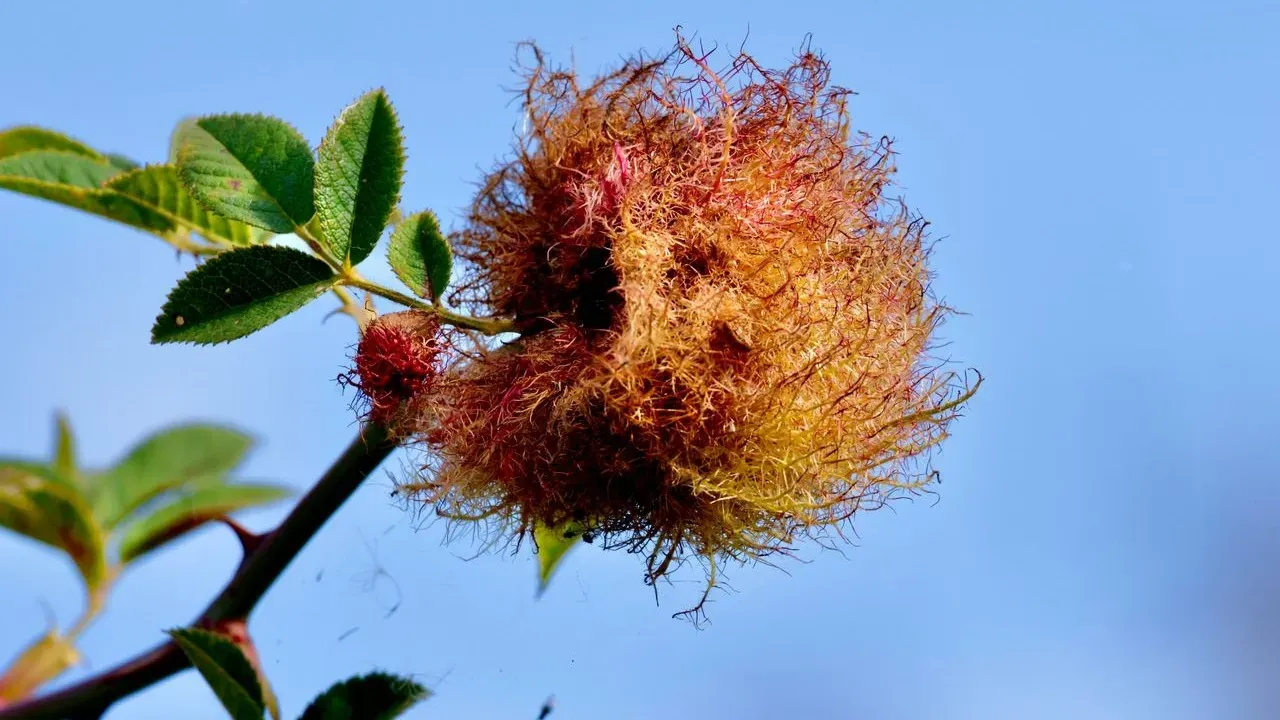

Roses remain among the most popular ornamental plants in American gardens, yet their susceptibility to disease often catches growers by surprise during the peak growing season. Warm, humid summer conditions accelerate the spread of many pathogens, making regular observation essential for maintaining plant vigor. Early recognition of symptoms allows gardeners to intervene before problems escalate and affect bloom production or overall health.
Why Roses Face Frequent Health Challenges
Roses require specific growing conditions that many home landscapes struggle to provide consistently. Poor air circulation, overhead watering, and crowded plantings create microclimates where fungi and bacteria thrive. These factors combine with the plant’s dense foliage to trap moisture, giving pathogens an advantage that can lead to rapid decline if left unchecked.
Gardeners who understand these vulnerabilities can adjust routines accordingly. Selecting disease-resistant varieties when planting new roses also reduces long-term risk. Still, even resistant plants benefit from attentive care throughout the season.
Recognizing Frequent Fungal Issues
Fungal diseases account for the majority of rose problems reported by extension services and gardening organizations. Black spot, caused by the fungus *Diplocarpon rosae*, produces distinctive dark lesions with feathery edges on leaves, often followed by yellowing and premature drop. Powdery mildew appears as a white, powdery coating on leaves and buds, thriving in warm days and cool nights.
Rust manifests as orange or reddish pustules on the undersides of leaves, while downy mildew creates irregular spots that may mimic other issues. Anthracnose produces small spots that can lead to leaf drop in cooler, moist periods. Accurate identification matters because each responds best to targeted management rather than generic treatments.
- Monitor lower leaves first, as many infections begin there before moving upward.
- Check both sides of foliage, since some symptoms appear only on the undersurface.
- Note environmental conditions at the time symptoms appear to narrow possibilities.
Addressing Bacterial and Other Concerns
Bacterial infections such as crown gall produce swollen, tumor-like growths near the base of the plant or on roots. These galls disrupt nutrient flow and have no reliable cure once established. Viral conditions like rose rosette disease cause abnormal growth, including excessive thorns and distorted leaves, often spread by mites.
Stem cankers appear as discolored or sunken areas on canes and can progress to dieback if pruning tools are not sanitized between cuts. These issues highlight the importance of hygiene in the garden, as contaminated equipment readily transmits pathogens.
Building Strong Prevention Habits
Cultural practices form the first line of defense against rose diseases. Water at the base of plants early in the day to allow foliage to dry quickly. Space plants adequately and prune selectively to improve airflow through the canopy. Removing fallen leaves and debris reduces overwintering sites for spores.
Resistant cultivars offer another layer of protection, though no variety is completely immune under heavy disease pressure. Soil health also plays a role; balanced nutrition supports stronger plants less prone to severe infection.
Treatment Approaches and Ongoing Care
When symptoms appear, prompt removal of affected leaves and canes limits spread. Fungicides labeled for roses can help manage fungal outbreaks when used according to label directions, though they work best as preventives rather than cures for advanced cases. Infected material should be disposed of rather than composted in most situations.
For bacterial or viral problems, removal of entire plants is often necessary to protect neighboring roses. Regular scouting throughout the season remains the most reliable strategy for catching issues while they are still manageable. Consistent attention to these details helps roses maintain their ornamental value year after year.
AI Disclaimer: This article was created with the assistance of AI tools and reviewed by a human editor.