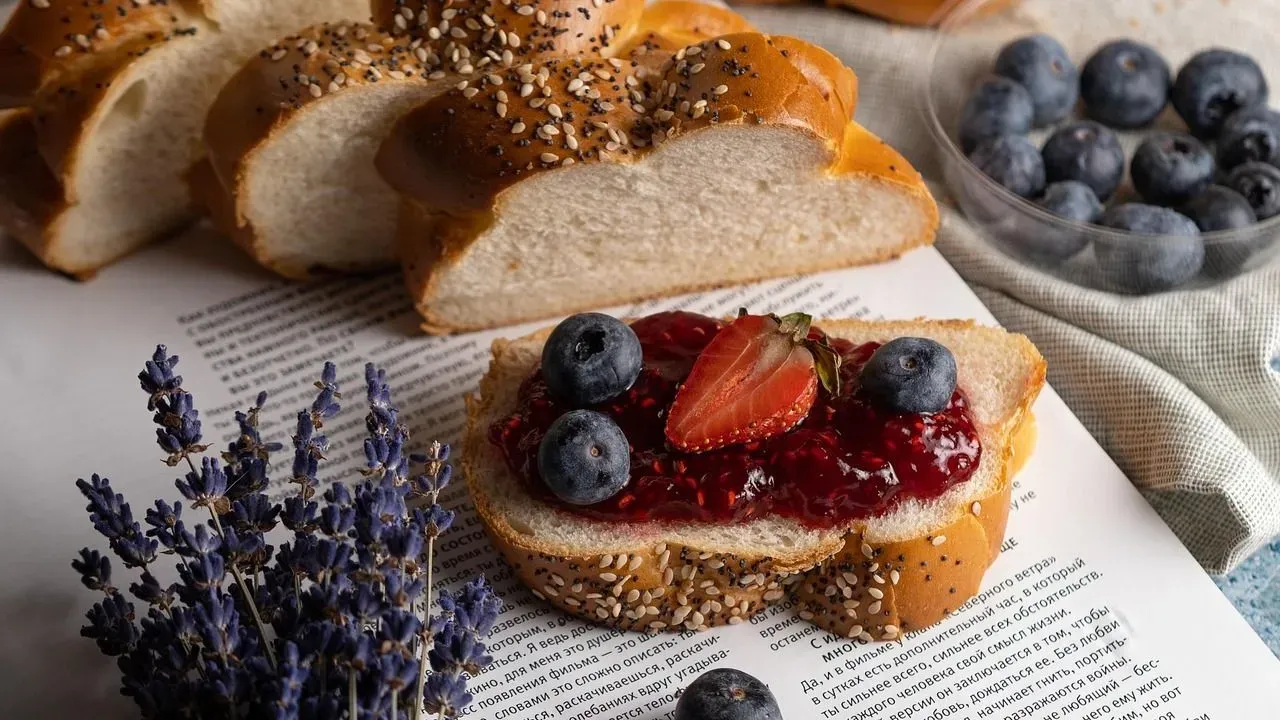

Many gardeners grow roselle as a striking ornamental plant, drawn to its bold foliage and flowers, yet the real surprise arrives each fall when the red calyces ripen. These fleshy parts of Hibiscus sabdariffa deliver a bright, tart flavor that transforms easily into jam. The process relies on the plant itself rather than store-bought pectin, turning an abundant harvest into a versatile preserve that keeps the season alive long after the garden quiets.
The Natural Setting Power in Roselle Seed Pods
Roselle jam achieves its consistency without commercial pectin because the seed pods contain natural thickening compounds. When simmered in water, the pods release a thick, slippery liquid that helps the calyces gel as they cook. This built-in resource means the recipe stays simple and uses every part of the harvest effectively.
Gardeners who save the pods during preparation discover that the liquid they produce works reliably for small or large batches. The method echoes traditional practices while fitting modern preferences for minimal ingredients. The result tastes like a cross between cranberry sauce and a lively berry preserve, with deep color and balanced sweetness.
Key Ingredients and Simple Preparations
Fresh roselle calyces form the base, along with the reserved seed pods, sugar measured after cooking, lemon juice, and water as needed. Optional butter can reduce foam during the final simmer. Gloves prove useful for handling the pods, which can stain skin and feel slightly prickly.
Start by rinsing the harvested roselle and separating the red calyces from the central seed pods. Place the calyces in a large pot and the pods in a separate saucepan. This separation allows the pods to create the pectin-rich liquid first, which then cooks with the calyces for flavor and texture.
Step-by-Step Jam Making Process
Cover the seed pods generously with water and bring them to a boil. Reduce the heat, cover, and simmer for about 30 minutes until the pods turn translucent and the liquid thickens noticeably. Strain out the pods, reserving the liquid, and pour it over the calyces in the main pot.
Add a little extra water if needed to cover the calyces, then simmer them for roughly 30 minutes until they soften and break apart. Measure the cooked volume and add an equal amount of sugar, stirring until dissolved. Include one teaspoon of lemon juice for each cup of sugar, return to a boil, and cook another five to ten minutes.
Remove the mixture from the heat while it still appears slightly loose. The jam thickens substantially during cooling, so judging doneness in the pot requires restraint. Ladle the hot jam into clean jars for storage.
Storage Options and Practical Tips
Refrigerated jam keeps well in covered jars for several weeks. Freezer storage works equally well in suitable containers, with headspace left for expansion. Water-bath canning offers longer shelf life for those who follow established home-preservation guidelines, though this particular recipe lacks a current tested processing standard from official sources.
Common adjustments include returning under-set jam to the pot for extra simmering or thinning an overly thick batch with a small amount of water. Bitterness usually traces back to stray seed pods in the final product, while paler color often reflects the variety of roselle grown. Using dark red calyces yields the richest hue.
Enjoying the Finished Preserve
The jam shines on toast or fresh bread and pairs nicely with scones, yogurt, or ice cream. It also works as a glaze for roasted meats or as a filling for thumbprint cookies. Many households keep a jar on hand for cheese boards or simple peanut butter sandwiches.
Because the recipe scales easily, gardeners can process whatever volume of calyces they harvest. Frozen calyces and pods can be used later with only minor texture changes after thawing. The approach keeps the focus on the plant’s own resources and the satisfaction of turning garden abundance into something lasting.
AI Disclaimer: This article was created with the assistance of AI tools and reviewed by a human editor.