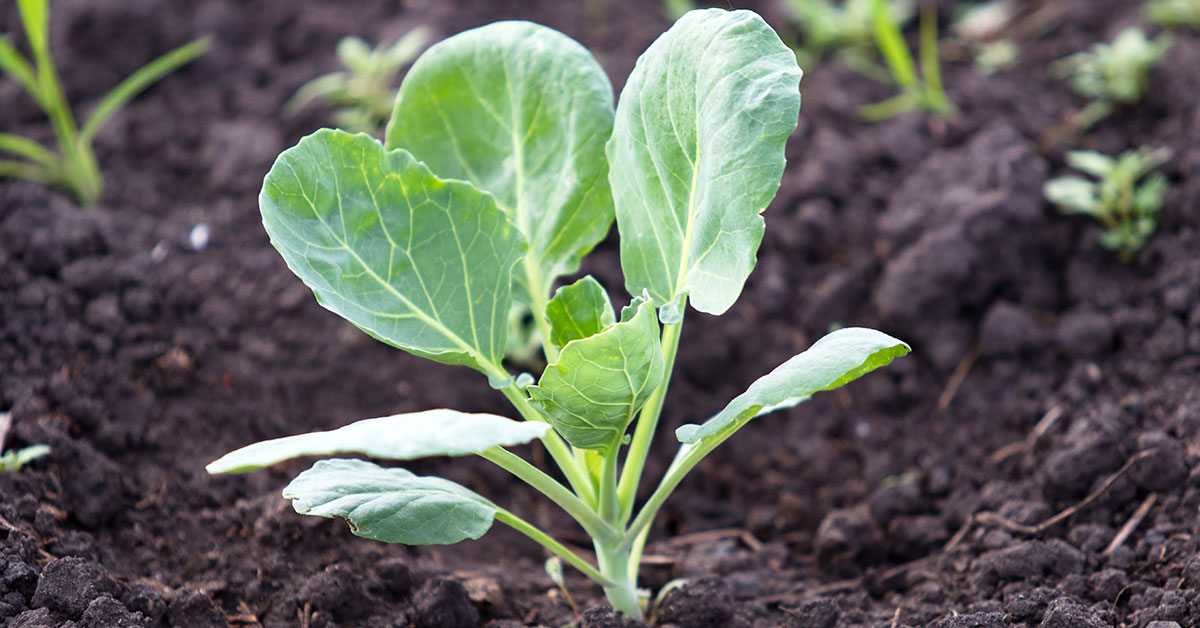

Roodnerf Brussels Sprout might just be the perfect addition to your patch. This unique and flavorful variety of Brussels sprouts is a true gem, known for its vibrant red veins that run through its green leaves.
With its distinctive appearance and exceptional taste, the Roodnerf Brussels Sprout is a delight for both the eyes and the palate. In this article, we will delve into the fascinating world of Roodnerf Brussels Sprouts, exploring their history, cultivation techniques, and tips to ensure a successful harvest. So, grab your gardening tools and let’s dive into the journey of growing these delectable sprouts in your own garden.
What is a Roodnerf Brussels Sprout?
A Roodnerf Brussels sprout is a specific variety of Brussels sprout plant. It is known for its unique red-veined leaves, which give it a distinctive appearance in the garden. The name “Roodnerf” actually translates to “red veins” in Dutch, which is a nod to its characteristic feature. This variety of Brussels sprout typically grows to about 2 to 3 feet in height and has a compact, bushy habit.
The leaves are medium to dark green in color, but the veins running through them are a vibrant red. This contrast of colors adds visual interest to the plant, making it an attractive addition to any garden. Like other Brussels sprouts, Roodnerf Brussels sprouts produce small, round sprouts along the length of their stems. These sprouts develop in leaf axils and grow in clusters.
They start off small and gradually increase in size as they mature. Typically, they reach a diameter of about 1 to 1.5 inches. Roodnerf Brussels sprouts are known for their excellent flavor and tenderness. They have a slightly sweet and nutty taste, especially when harvested after a frost, which enhances their flavor. These sprouts are also rich in nutrients, including vitamins C and K, dietary fiber, and antioxidants.
When growing Roodnerf Brussels sprouts, it is important to provide them with full sun exposure and fertile, well-draining soil. They prefer cool climates and are usually planted in late spring or early summer for a fall harvest. Regular watering and proper spacing between plants are also crucial for healthy growth. Overall, Roodnerf Brussels sprouts are a unique and delicious variety that adds beauty and flavor to any vegetable garden.
What does Roodnerf Brussels Sprout taste like?
The Roodnerf Brussels Sprout has a unique and delicious taste. It is slightly sweet with a hint of nuttiness. The flavor is earthy and savory, and it becomes more pronounced when cooked. The texture is tender yet firm, providing a satisfying bite. When properly prepared, Roodnerf Brussels Sprouts have a delicate balance of flavors that make them a delightful addition to any dish.
How to start from seed
To start growing Roodnerf Brussels Sprouts, you can follow these steps:
- Choosing the right time: Brussels sprouts are a cool-weather crop, so it’s best to start them indoors about 6-8 weeks before the last frost date in your area. This will give them enough time to grow and mature before the warmer temperatures arrive.
- Seed selection: Look for Roodnerf Brussels Sprout seeds from a reputable seed supplier or nursery. Roodnerf Brussels Sprouts are a specific variety known for their deep red or purple color, which can add a unique touch to your garden.
- Starting seeds indoors: Fill seedling trays or small pots with a seed-starting mix. Moisten the mix before planting the seeds. Sow the Roodnerf Brussels Sprout seeds about ¼ to ½ inch deep, following the recommended spacing mentioned on the seed packet. Cover the seeds lightly with soil and gently press it down.
- Providing ideal conditions: Brussels sprouts thrive in cool temperatures, so maintaining a temperature between 60-70°F (15-21°C) is essential for successful germination. Place the seed trays or pots in a warm spot or use a seedling heat mat to provide bottom heat.
- Adequate light: Once the seeds have germinated, they need sufficient light to grow properly. Place the trays or pots in a sunny location, such as a south-facing window, or use grow lights to provide 14-16 hours of light daily.
- Transplanting: When the Roodnerf Brussels Sprout seedlings have developed their second set of true leaves and are about 4-6 inches tall, they are ready for transplanting. Harden off the seedlings by gradually exposing them to outdoor conditions over a week or two. Start with a few hours of outdoor time in a shaded area and gradually increase the exposure to sunlight.
- Selecting the planting site: Brussels sprouts prefer a sunny location with well-draining soil. Prepare the soil by incorporating organic matter like compost or aged manure to improve its fertility and drainage.
- Planting in the garden: Dig holes that are slightly larger than the root ball of the seedlings, spacing them about 24-36 inches apart. Place each seedling in a hole and gently firm the soil around it, making sure the plant is at the same depth it was in the container. Water thoroughly after planting.
- Watering and care: Keep the soil consistently moist, ensuring it doesn’t dry out completely. Mulching around the plants can help retain moisture and suppress weed growth. Regularly check for pests like aphids or caterpillars and take appropriate measures to control them.
- Harvesting: Roodnerf Brussels Sprouts typically take around 90-100 days to reach maturity. Harvest the sprouts when they reach a desirable size, usually about 1-1.5 inches in diameter. Start from the bottom of the stalk, removing the lower sprouts first and allowing the upper ones to continue growing.
Remember, Brussels sprouts are a cold-tolerant crop, and their flavor can be enhanced by light frost, so you can continue harvesting them well into fall or even early winter in some regions.
Planting and growing Roodnerf Brussels Sprout
Planting and growing Roodnerf Brussels sprouts involves several steps. Here is a guide to help you successfully grow these delicious vegetables:
- Site selection: Choose a well-drained location that receives full sun, preferably with fertile soil. Brussels sprouts prefer a soil pH between 6.5 and 7.5.
- Timing: Start seeds indoors 6-8 weeks before the last frost date in your area. Alternatively, you can purchase transplants from a local nursery.
- Soil preparation: Prior to planting, enrich the soil with organic matter, such as compost or well-rotted manure. Work it into the top few inches of soil.
- Transplanting: If starting seeds indoors, transplant the seedlings outdoors when they have developed a few sets of true leaves and all danger of frost has passed. Space the plants 18-24 inches apart in rows that are about 3 feet apart.
- Watering: Keep the soil consistently moist, especially during dry spells. Water deeply and avoid overhead watering to minimize the risk of disease.
- Mulching: Apply a layer of organic mulch around the base of the plants to conserve moisture, suppress weeds, and regulate soil temperature.
- Fertilizing: Fertilize the plants every 3-4 weeks with a balanced vegetable fertilizer, following the manufacturer’s instructions. You can also side-dress the plants with compost or aged manure during the growing season.
- Supporting: As the plants grow taller, they might require support to prevent them from toppling over. Install stakes or cages to provide stability.
- Pests and diseases: Keep a lookout for common pests like aphids, cabbage worms, and slugs. Use organic pest control methods if necessary. Brussels sprouts are susceptible to diseases such as clubroot and black rot, so practice good crop rotation and maintain proper plant hygiene.
- Harvesting: Brussels sprouts mature in about 90-120 days after transplanting. Harvest the sprouts from the bottom of the stalk upwards, starting with the largest ones. Pick them when they are firm and about 1-2 inches in diameter. Remove the lower leaves as you harvest to improve air circulation.
By following these steps, you should be able to grow healthy and productive Roodnerf Brussels sprout plants. Happy gardening!
When to harvest
The best time to harvest Roodnerf Brussels Sprouts is when the sprouts are firm and about 1 to 1.5 inches in diameter. This typically occurs around 90-100 days after transplanting the seedlings in the garden. However, you can start harvesting the lower sprouts as soon as they reach a suitable size. It’s important to keep an eye on the sprouts and harvest them before they become loose or start to open up.