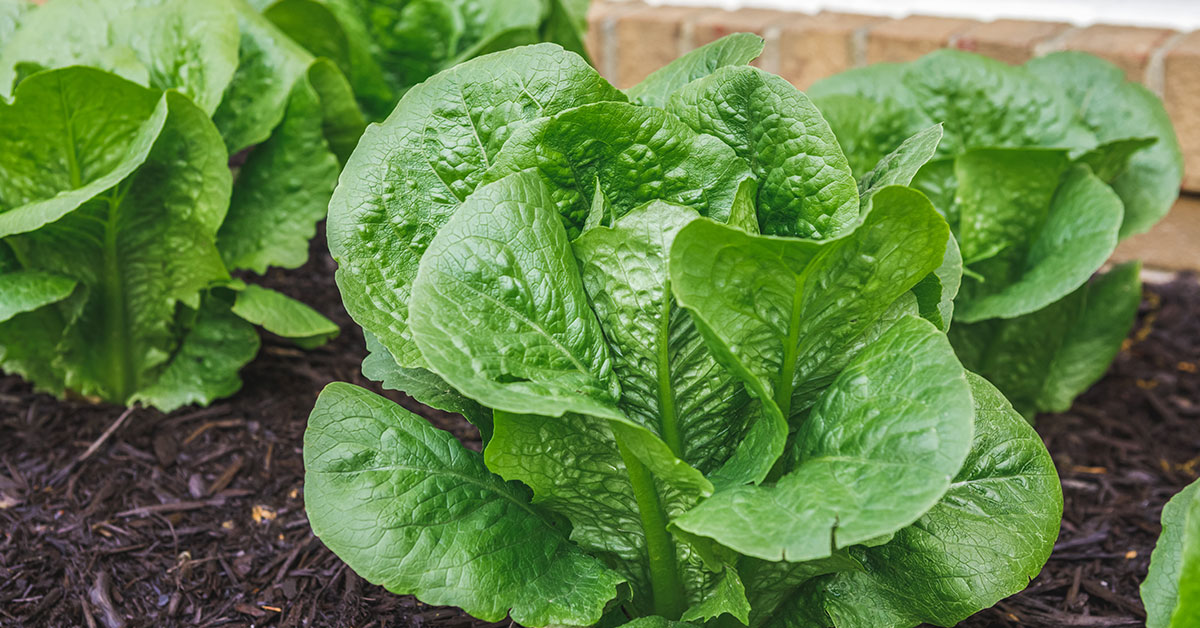

In the vast world of leafy greens, Romaine lettuce stands out as a key ingredient in salads and a wide variety of dishes across cultures. Known for its crisp texture and mildly sweet flavor, it has been a garden staple for centuries. This article provides a detailed look at what Romaine lettuce is, its taste profile, how to grow it from seeds, and when to harvest it for maximum freshness and flavor.
What is Romaine Lettuce?
Romaine lettuce, also known as cos lettuce, belongs to the Asteraceae family. This type of lettuce is native to the Mediterranean region and the Middle East. With elongated, sturdy leaves that form a tight bunch or “head”, it is an excellent source of vitamins A and K, making it not only a tasty choice for your garden but a healthy one too.
What Does Romaine Lettuce Taste Like?
Romaine lettuce is known for its distinctive taste and texture. It offers a robust crunch, far crispier than many other lettuce types. The flavor is mildly sweet and earthy, with a slight bitterness that adds depth to a variety of dishes. The heart of the lettuce – the white part towards the bottom – is particularly sweet and crisp.
How to Start Romaine Lettuce from Seeds
Starting Romaine lettuce from seeds is a straightforward process:
- Prepare the Soil: Begin by preparing a seedbed with loose, well-draining soil. Enrich the soil with compost or a slow-release fertilizer to ensure it’s rich in nutrients.
- Sow the Seeds: Sow the seeds directly into the soil in the spring or autumn, as lettuce prefers cooler weather. The seeds should be planted about 1/4 inch deep and 1 inch apart.
- Water Regularly: Keep the soil consistently moist until the seeds germinate, which typically occurs within 7-10 days.
How to Grow Romaine Lettuce
Romaine lettuce, also known as ‘Cos’, is a popular variety of head-forming lettuce. Whether you have a sprawling garden or just a small balcony, growing Romaine lettuce can be an easy and rewarding experience. Here’s a step-by-step guide to help you grow your own:
Step 1: Select Your Seeds or Seedlings
First, decide if you want to grow your lettuce from seeds or seedlings. Seeds can be purchased from any garden center or online. If you want to skip the germination process, you can purchase young Romaine lettuce plants, also known as seedlings, which are ready to be transplanted into your garden.
Step 2: Prepare Your Garden Bed or Containers
This leafy green prefers well-drained, fertile soil with a pH between 6.0 and 7.0. Prepare your garden bed by removing any weeds or grass and loosen the soil with a garden fork. If you’re using containers, make sure they have drainage holes and fill them with a good-quality potting mix.
Step 3: Plant Your Seeds or Seedlings
If you’re planting seeds, sow them directly into your garden bed or containers. Plant the seeds about 1/4 inch deep and 1 inch apart in rows about 12 to 18 inches apart. Cover the seeds lightly with soil and water them well.
Romaine lettuce, like most varieties of lettuce, prefers full sun but can tolerate partial shade. Ideally, it should receive about 6 to 8 hours of sunlight per day. However, in hotter climates, Romaine can benefit from some afternoon shade to prevent it from bolting, which is a rapid growth spurt often triggered by heat that causes the plant to flower and seed, making the leaves bitter.
If you’re transplanting seedlings, dig a hole for each plant that’s large enough to accommodate the root ball. Place the seedling in the hole and backfill with soil, making sure the plant is at the same depth it was in its original pot.
Step 4: Care for Your Plants
Water your lettuce regularly to keep the soil consistently moist, but not waterlogged. Too much water can lead to root rot, while too little can result in bitter leaves.
Fertilize your plants every two weeks with a balanced, water-soluble fertilizer to encourage healthy growth.
Step 5: Protect Your Plants
Romaine lettuce is a cool-season crop and can bolt (produce a flower stalk and become bitter) if exposed to too much heat. If you live in a warm climate, provide shade during the hot afternoon hours.
Protect your lettuce from pests such as aphids and slugs by regularly inspecting your plants and using organic pest control methods if necessary.
When to Harvest Romaine Lettuce
Romaine lettuce is usually ready to harvest about 60-75 days from planting. You can harvest Romaine lettuce in two ways:
- Leaf-by-Leaf: Pick outer leaves individually as the plant continues to grow. This method allows for a prolonged harvest period.
- Whole Head Harvest: Cut the whole plant off at the base. This method is useful if you have a large amount of lettuce that’s matured all at once.
Remember, Romaine lettuce tastes best when harvested in the morning, as the leaves are at their crispest. After harvesting, wash the lettuce leaves and store them in the refrigerator to keep them fresh.
In conclusion, growing Romaine lettuce can be a rewarding experience, providing you with a fresh and crunchy addition to your meals. With proper care and attention, you’ll be enjoying home-grown Romaine in no time.