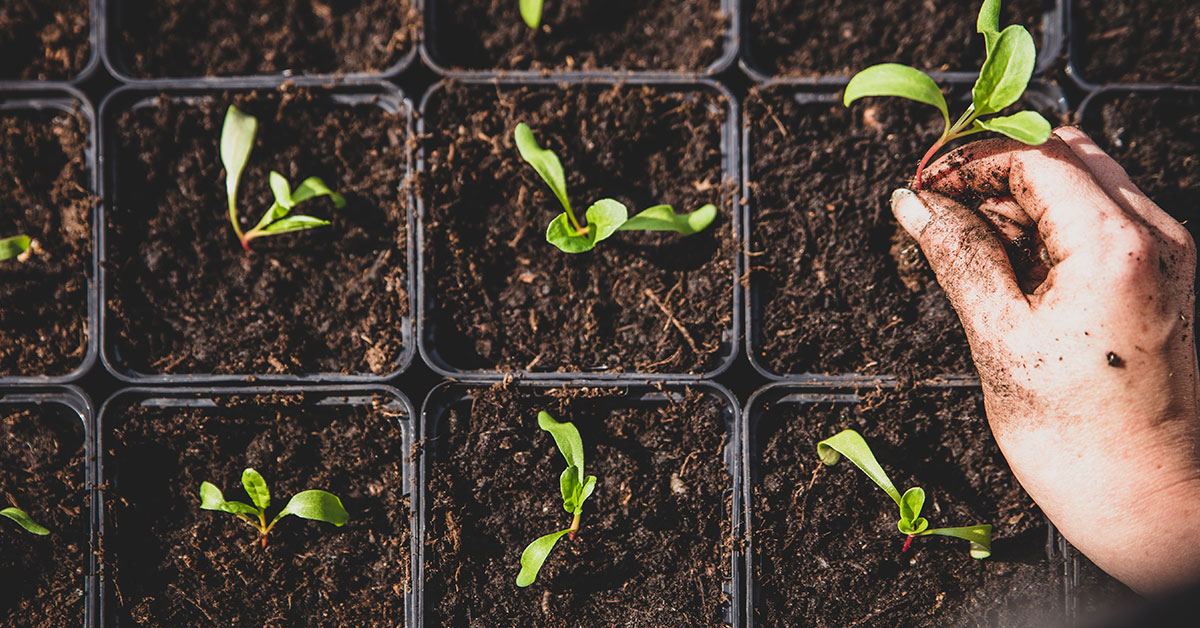

Rocky Arugula is a versatile and flavorful leafy green that has been gaining popularity among gardeners and food enthusiasts alike. Known for its robust and peppery taste, Rocky Arugula not only adds a delightful kick to salads, sandwiches, and other culinary creations, but it also boasts numerous health benefits.
Whether you are a seasoned gardener looking to expand your repertoire or a beginner eager to embark on a new gardening adventure, this article will guide you through the essentials of growing and caring for Rocky Arugula, ensuring a bountiful harvest and a delectable addition to your garden and plate. So, grab your gardening tools, put on your gloves, and let’s get started on this green journey together!
What is a Rocky Arugula?
Rocky Arugula, also known as wild arugula or Diplotaxis tenuifolia, is a leafy green vegetable that belongs to the Brassicaceae family. It is a perennial plant native to the Mediterranean region, but it can also be found in other parts of the world where it is cultivated for culinary purposes.
Rocky arugula has a distinct and pungent flavor, often described as peppery and slightly bitter. Its leaves are deeply lobed and have a serrated edge, similar to those of dandelion greens. The plant can grow up to 2 feet tall and produces small white flowers that eventually turn into small seed pods.
One of the distinguishing features of rocky arugula is its ability to thrive in rocky or poor soil conditions, hence its name. It is a hardy plant that can tolerate drought and is known for its resistance to pests and diseases. This makes it a popular choice for home gardeners and commercial growers alike.
In terms of culinary uses, rocky arugula is commonly used in salads and as a garnish due to its unique flavor. It adds a zesty kick to a variety of dishes and pairs well with other greens, cheeses, fruits, and nuts. The younger leaves tend to be milder in taste, while the older leaves have a more intense flavor. When growing rocky arugula, it is best to plant it in well-draining soil and provide regular watering to keep the plant healthy. It can be grown from seeds or seedlings, and it thrives in full sun or partial shade.
Harvesting the leaves can be done by picking them individually or by cutting the whole plant at once. Overall, rocky arugula is a versatile and flavorful green that adds a unique taste to various dishes. Its adaptability and resistance to harsh growing conditions make it a great choice for both beginner and experienced gardeners.
What does Rocky Arugula taste like?
Rocky Arugula, also known as wild arugula or Diplotaxis tenuifolia, is a flavorful and peppery green that adds a unique taste to dishes. Its taste can be described as tangy, slightly bitter, and spicy. The leaves have a distinct peppery bite, often compared to mustard greens or horseradish.
When you take a bite of Rocky Arugula, you’ll immediately notice a sharp and zesty flavor that awakens your taste buds. It has a robust and pungent taste, making it a popular choice for adding a kick to salads, sandwiches, and pasta dishes.
The bitterness of Rocky Arugula is balanced by its underlying earthy and nutty notes. As you chew, you may also detect a hint of sweetness, especially in younger leaves. The combination of these flavors creates a complex and vibrant taste that enhances the overall culinary experience.
It’s important to note that the intensity of the taste can vary depending on the maturity of the leaves. Younger leaves tend to be milder and more tender, while older leaves have a stronger, spicier flavor. Experimenting with different stages of growth can help you find the perfect balance for your palate.
Overall, the taste of Rocky Arugula is bold, peppery, and slightly bitter, making it a versatile and exciting addition to various dishes. Its unique flavor profile adds depth and complexity, making it a favorite among those who enjoy a bit of spice in their meals.
How to start from seed
Starting Rocky Arugula, or any arugula variety, from seeds is a relatively straightforward process. Here’s a step-by-step guide to help you get started:
- Timing: Arugula is a cool-season crop, so it’s best to sow the seeds in early spring or late summer. The optimal soil temperature for germination is between 40-55°F (4-13°C).
- Location: Choose a location that receives at least 4-6 hours of direct sunlight daily. Arugula prefers well-draining soil, rich in organic matter.
- Soil preparation: Prepare the soil by removing any weeds, rocks, or debris. Loosen the soil to a depth of about 6-8 inches (15-20 cm) and incorporate compost or well-rotted manure to improve fertility.
- Sowing seeds: Sprinkle the arugula seeds evenly over the prepared soil. Aim for a seed spacing of about 1 inch (2.5 cm) apart. You can either broadcast the seeds or create shallow furrows about ¼ inch (0.6 cm) deep and place the seeds in the furrows.
- Watering: After sowing the seeds, water the area gently to ensure the soil is evenly moist. Avoid overwatering, as it can lead to poor germination or rotting of the seeds.
- Germination: Arugula seeds usually germinate within 7-10 days. During this period, it’s essential to keep the soil consistently moist but not waterlogged.
- Thinning: Once the seedlings have emerged and developed their first true leaves, thin them out to allow proper spacing. Thin the seedlings to about 4-6 inches (10-15 cm) apart to provide enough room for growth.
- Care and maintenance: Arugula requires regular watering, especially during dry spells. Mulching around the plants can help conserve moisture and suppress weed growth. Additionally, consider fertilizing with a balanced organic fertilizer once or twice during the growing season.
- Harvesting: Rocky Arugula can be harvested when the leaves reach a desirable size, usually around 4-6 inches (10-15 cm) long. You can either harvest individual leaves or cut the entire plant about an inch above the soil level. Regular harvesting promotes new growth.
- Pests and diseases: Arugula is generally resistant to pests and diseases. However, you may occasionally encounter issues such as flea beetles or aphids. Monitor your plants regularly and take appropriate measures if any problems arise.
By following these steps, you should be able to successfully start and grow Rocky Arugula in your garden. Enjoy the fresh, peppery flavor of this delicious green!
Planting and growing Rocky Arugula
Planting and growing Rocky Arugula involves a few simple steps. Here’s a guide to help you get started:
- Select a suitable location: Rocky Arugula thrives in well-drained soil and prefers full sun, but it can tolerate partial shade as well. Choose an area in your garden that receives at least 4-6 hours of direct sunlight per day.
- Prepare the soil: Before planting, prepare the soil by removing any weeds or grass from the area. Loosen the soil using a garden fork or tiller, and amend it with organic matter like compost or aged manure to improve its fertility and drainage.
- Sow the seeds: Rocky Arugula can be directly sown into the garden bed or started indoors and transplanted later. If sowing directly, sprinkle the seeds evenly over the prepared soil, ensuring they are not too close together. Lightly press the seeds into the soil, but avoid burying them too deep.
- Watering: After sowing the seeds, gently water the area using a watering can or a gentle spray from a hose. Keep the soil consistently moist, but not waterlogged, until the seeds germinate. Ensure the soil remains evenly moist throughout the growing season, but be careful not to overwater, as it can lead to root rot.
- Thinning: Once the seedlings emerge and develop their first set of true leaves, thin them out to provide enough space for each plant to grow. Thin the seedlings to about 4-6 inches apart, removing the weakest ones, as this will allow the remaining plants to develop fully.
- Mulching: Apply a layer of organic mulch, such as straw or wood chips, around the plants to help retain moisture in the soil, suppress weeds, and regulate soil temperature.
- Fertilizing: Rocky Arugula doesn’t require heavy fertilization, but you can apply a balanced, organic fertilizer once a month during the growing season to provide essential nutrients. Follow the package instructions for application rates.
- Harvesting: Rocky Arugula leaves can be harvested when they reach a suitable size, typically around 3-4 inches in length. You can either harvest individual leaves as needed or cut the entire plant about an inch above the soil level. Regular harvesting encourages new growth and prolongs the harvest period.
- Pests and diseases: Monitor your plants regularly for any signs of pests or diseases. Common pests that may affect arugula include flea beetles and aphids. Use organic pest control methods such as neem oil or insecticidal soap to manage these issues.
By following these steps, you should be able to successfully plant and grow Rocky Arugula in your garden. Enjoy your fresh, homegrown arugula in salads, sandwiches, or as a flavorful addition to various dishes.
When to harvest
The best time to harvest Rocky Arugula is when the leaves are young and tender, typically around 4-6 weeks after planting. The leaves should be about 4-6 inches long. It’s important to harvest the leaves before they become too mature and start to develop a bitter taste. Regular harvesting will also encourage new growth and ensure a continuous supply of fresh arugula throughout the growing season.