
Welcome to the world of pumpkin growing! If you’re looking for a unique and delicious variety to add to your garden, look no further than Robin’s Koginut pumpkin. This heirloom variety is gaining popularity among gardening enthusiasts for its exceptional flavor and stunning appearance. With its vibrant orange color, smooth skin, and small to medium size, Robin’s Koginut is a perfect choice for both ornamental and culinary purposes.
In this article, we will delve into the specifics of growing this delightful pumpkin, from selecting the right seeds to providing optimal growing conditions and caring for your plants throughout the season. Whether you’re a seasoned gardener or a beginner, get ready to embark on a pumpkin-growing adventure with Robin’s Koginut!
What is a Robin’s Koginut pumpkin?
Robin’s Koginut pumpkin is a unique variety known for its small size and exceptional flavor. It is a cross between a kogigu squash and a peanut pumpkin, resulting in a compact, round shape with a slightly flattened top. The skin of Robin’s Koginut is smooth and vibrant orange, making it visually appealing.
This pumpkin variety is highly sought after for its delicious, sweet, and nutty flavor. The flesh is dense, smooth, and deep orange, perfect for making pies, soups, and other culinary delights. Robin’s Koginut pumpkins typically weigh around 2-3 pounds, making them ideal for individual servings or small families.
In terms of growing, Robin’s Koginut pumpkins are relatively easy to cultivate. They require full sun exposure and well-draining soil. These pumpkins are known for their compact vines, making them suitable for small gardens or containers. The plants are also resistant to many common pumpkin diseases, making them a reliable choice for gardeners.
Overall, Robin’s Koginut pumpkin is a delightful variety that offers both aesthetic appeal and exceptional taste. Its small size, delicious flavor, and ease of cultivation make it a popular choice among pumpkin enthusiasts and gardeners alike.
What does Robin’s Koginut pumpkin taste like?
Robin’s Koginut pumpkin is known for its exceptional flavor profile. It offers a unique combination of sweetness and nuttiness that sets it apart from other pumpkin varieties. The flavor is rich, creamy, and slightly earthy, making it a favorite among pumpkin enthusiasts.
The sweetness of Robin’s Koginut pumpkin is well-balanced, not overpowering, and reminiscent of caramel or butterscotch. This natural sweetness enhances the overall taste experience and makes it a versatile ingredient in both sweet and savory dishes. The nuttiness adds a delightful depth of flavor, similar to roasted chestnuts or hazelnuts, giving it a distinct and enjoyable character.
When cooked, Robin’s Koginut pumpkin maintains its smooth and velvety texture, making it perfect for purees, soups, pies, and other baked goods. Its flavor intensifies during the cooking process, creating a warm and comforting aroma that fills the kitchen.
Overall, the flavor profile of Robin’s Koginut pumpkin is a harmonious blend of sweetness and nuttiness, making it a delightful choice for those seeking a pumpkin variety with a unique and delicious taste.
How to start Robin’s Koginut pumpkin from seed
Here’s a guide on starting Robin’s Koginut pumpkin:
- Selecting Seeds: Start by obtaining Robin’s Koginut pumpkin seeds from a reputable seed supplier or nursery. Look for seeds that are fresh and viable, as this will increase your chances of successful germination.
- Timing: Robin’s Koginut pumpkins are typically planted in the spring, after the last frost date in your area. Check your local climate and frost dates to determine the best time to start your seeds indoors.
- Indoor Seed Starting: Begin by filling seed trays or small pots with a high-quality seed starting mix. Moisten the mix before planting the seeds, ensuring it is evenly moist but not waterlogged.
- Planting Seeds: Plant the Robin’s Koginut pumpkin seeds about 1 inch deep into the soil, placing one seed per pot or cell. Gently cover the seeds with soil and lightly pat it down.
- Providing Optimal Conditions: Place the seed trays or pots in a warm location with a temperature range of 70-85°F (21-29°C). Ensure the seeds receive plenty of sunlight or use grow lights to provide 12-16 hours of artificial light per day.
- Watering: Keep the soil consistently moist but not soggy. Water the seeds gently using a spray bottle or a watering can with a fine nozzle to avoid disturbing the seeds.
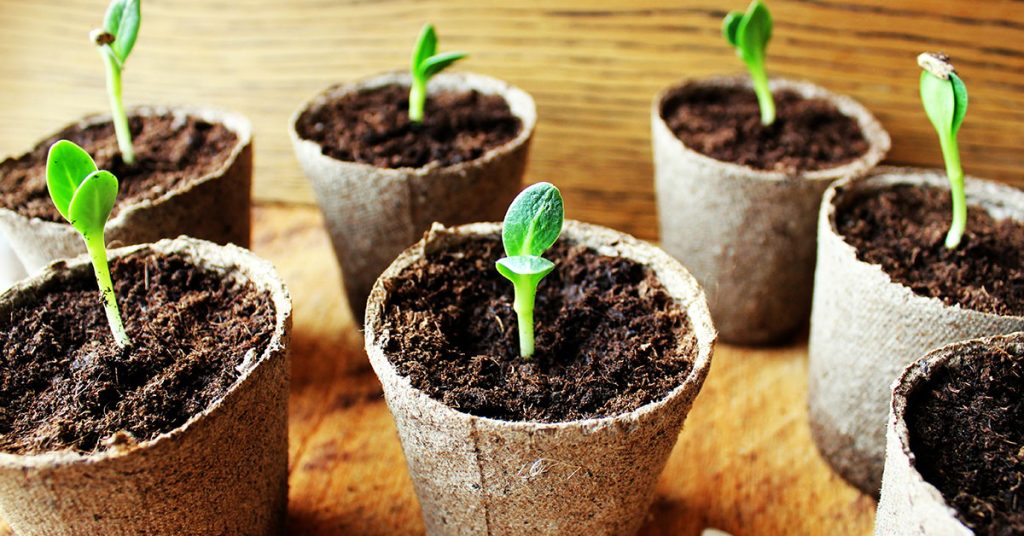
- Germination: Robin’s Koginut pumpkin seeds typically germinate within 7-10 days. Once the seedlings emerge, remove any covering or plastic wrap from the seed trays and continue to provide them with adequate light and moisture.
- Transplanting: When the seedlings have developed their first set of true leaves and all danger of frost has passed, they can be transplanted outdoors. Choose a sunny location with well-draining soil.
- Outdoor Planting: Prepare the planting area by loosening the soil and incorporating organic matter, such as compost or well-rotted manure. Dig holes that are slightly larger than the root ball of the seedlings.
- Planting Seedlings: Gently remove the seedlings from their pots, being careful not to damage the roots. Place each seedling in a hole, ensuring that the soil level matches the level of the seedling’s stem. Backfill the hole and firm the soil gently around the base of the plant.
- Watering and Care: Water the newly transplanted seedlings thoroughly and provide regular irrigation throughout the growing season. Keep the soil consistently moist but avoid overwatering, as this can lead to root rot.
- Fertilization: Apply a balanced, slow-release fertilizer according to the package instructions. This will provide the necessary nutrients for healthy growth and fruit development.
- Pest and Disease Control: Monitor your pumpkin plants regularly for common pests such as aphids, squash bugs, and powdery mildew. Use organic pest control methods or consult with a local gardening expert for appropriate treatments.
- Harvesting: Robin’s Koginut pumpkins are typically ready for harvest when the skin has hardened and turned a deep orange color. Cut the pumpkins from the vine, leaving a few inches of stem attached.
By following these steps, you should be able to successfully start and grow Robin’s Koginut pumpkins in your garden. Happy gardening!
When to plant Robin’s Koginut pumpkin outdoors
The ideal time to plant Robin’s Koginut pumpkin is in late spring or early summer, after the last frost has passed and the soil temperature has reached around 65-70°F (18-21°C). This variety of pumpkin requires warm soil and a long growing season to produce the best results.
Growing & care guide
Robin’s Koginut pumpkins are a popular variety known for their small to medium size and sweet flavor. To ensure successful growth and a bountiful harvest, here are some best practices for caring for Robin’s Koginut pumpkins:
- Location: Choose a sunny spot in your garden with well-draining soil. Pumpkins thrive in full sun, so make sure they receive at least 6-8 hours of direct sunlight each day.
- Soil Preparation: Before planting, prepare the soil by removing any weeds or grass and loosening it with a garden fork or tiller. Mix in organic matter like compost or well-rotted manure to improve soil fertility and drainage.
- Planting: Sow Robin’s Koginut pumpkin seeds directly into the garden after the last frost date in your area. Plant the seeds about 1 inch deep and 2-3 feet apart, leaving enough space for the vines to spread. You can also start seeds indoors 2-3 weeks before the last frost and transplant them outdoors once the soil has warmed up.
- Watering: Pumpkins require consistent moisture, especially during the fruiting stage. Water deeply, providing around 1-2 inches of water per week. Avoid overhead watering, as wet foliage can promote diseases. Instead, use a soaker hose or drip irrigation to water at the base of the plants.
- Mulching: Apply a layer of organic mulch, such as straw or wood chips, around the base of the plants. Mulching helps retain soil moisture, suppresses weed growth, and regulates soil temperature.
- Fertilizing: Pumpkins are heavy feeders, so it’s essential to provide them with adequate nutrients. Before planting, incorporate a balanced organic fertilizer into the soil. Additionally, side-dress the plants with compost or a nitrogen-rich fertilizer when they start to vine and again when the fruit begins to develop.
- Pruning and Training: As the vines grow, you may need to gently train them to prevent overcrowding and improve air circulation. Remove any side shoots or suckers that appear in the leaf axils, allowing the main vine to grow unimpeded. This will help redirect the plant’s energy towards fruit production.
- Pest and Disease Control: Monitor your plants regularly for common pumpkin pests like aphids, squash bugs, and cucumber beetles. Handpick or use organic insecticides if necessary. To prevent diseases, avoid overhead watering, provide adequate spacing between plants, and practice crop rotation.
- Pollination: Pumpkins have separate male and female flowers, and pollination is crucial for fruit set. Bees and other pollinators are essential for transferring pollen between flowers. To attract pollinators, plant flowers nearby or use a small paintbrush to transfer pollen from the male to the female flowers.
- Harvesting: Robin’s Koginut pumpkins are ready for harvest when the skin is fully colored and hard. The stem should be dry and starting to crack. Cut the pumpkins from the vine, leaving a few inches of stem attached. Handle them carefully to avoid any damage.
By following these best practices, you can enjoy a successful growing season and a plentiful harvest of delicious Robin’s Koginut pumpkins. Happy gardening!
Harvesting Guide
Robin’s Koginut pumpkin is a unique variety known for its small to medium size and excellent flavor. To ensure a successful harvest, it’s important to know when and how to harvest these pumpkins.
Timing:
Robin’s Koginut pumpkins typically take around 90-100 days to mature from the time of planting. However, it’s always best to rely on visual cues rather than a specific number of days. The pumpkins are ready for harvest when they have reached their full color, which is a deep orange or tan, depending on the specific variety. Additionally, the skin should be hard and cannot be easily punctured with a fingernail. Harvesting too early can result in underdeveloped pumpkins, while waiting too long may lead to overripe or damaged fruit.
Harvesting:
To harvest Robin’s Koginut pumpkins, follow these steps:
Choose a dry day to harvest. Moisture can promote rotting, so it’s best to avoid harvesting when the weather is wet.
Use a sharp knife or pruning shears to cut the stem of the pumpkin, leaving about 2-3 inches attached to the fruit. Avoid twisting or pulling the pumpkin, as this can damage the stem or the fruit itself.
Handle the pumpkins with care to prevent bruising or scratching the skin. Even minor injuries can lead to rot during storage.
Inspect each pumpkin for any signs of damage or disease. Remove any pumpkins that are soft, moldy, or have significant blemishes. These should not be stored with the healthy pumpkins, as they can quickly spread diseases.
After harvesting, gently wipe off any dirt or debris from the surface of the pumpkins. Do not wash them with water, as this can increase the chances of rotting.
Storage:
Robin’s Koginut pumpkins can be stored for several months if the right conditions are provided. Here are some storage guidelines:
- Cure the pumpkins: Place the harvested pumpkins in a warm, dry area with good airflow for about 10-14 days. This process, known as curing, helps harden the skin and extends their shelf life.
- Choose a cool and dry storage location: Once cured, move the pumpkins to a cool and dry place, ideally with a temperature between 50-55°F (10-13°C). Avoid areas with high humidity, as it can promote mold growth.
- Store them properly: Place the pumpkins on a raised surface, such as a wooden pallet or a wire rack, to allow air circulation. Avoid stacking them directly on top of each other, as this can cause pressure points and lead to rotting.
- Regularly check for signs of decay: Inspect the stored pumpkins every few weeks and remove any that show signs of rotting or damage. This will prevent the spread of diseases to the healthy pumpkins.
By following these guidelines, you can ensure a successful harvest and enjoy the delicious flavor of Robin’s Koginut pumpkins for months to come.