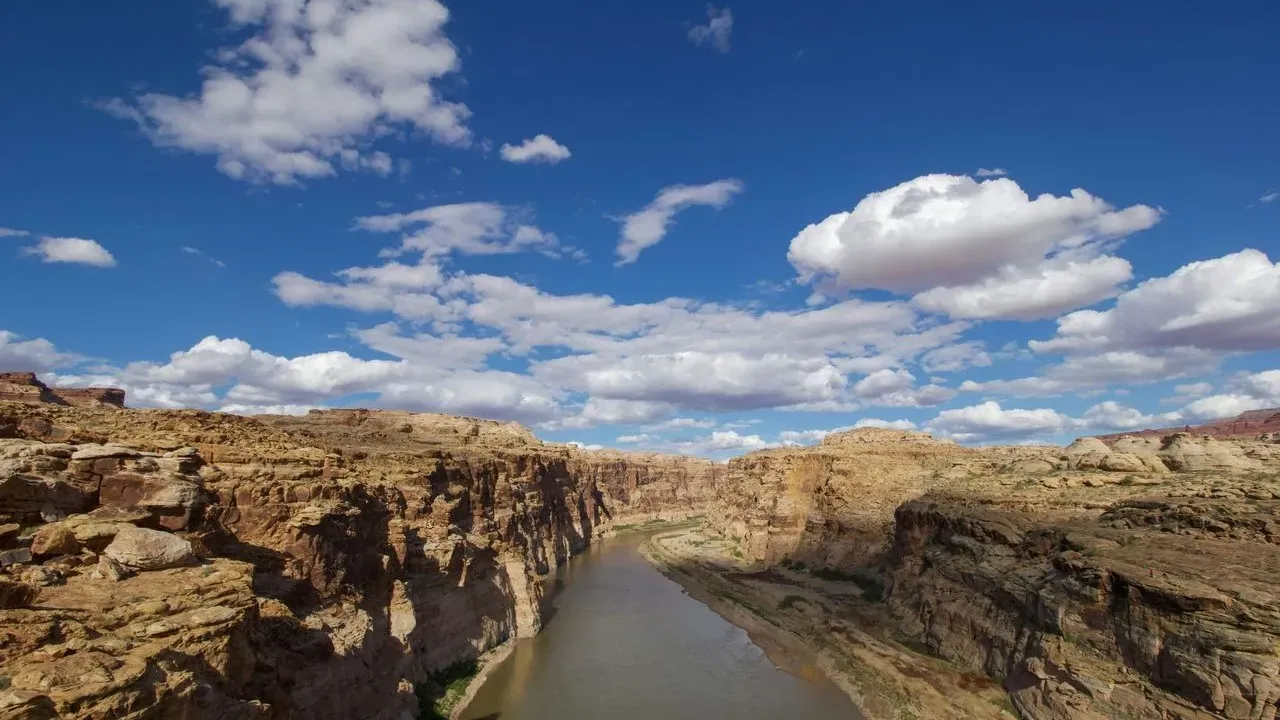

Phoenix – A small desert community just outside the city has already capped new development, brought old wells back online and negotiated additional supplies. Yet its leaders still see deeper trouble ahead as federal officials move to trim Colorado River deliveries amid persistent drought. The town of Cave Creek draws nearly all its water from the river that supports 40 million people across the West. Recent cuts have already taken effect, and a new federal plan calls for larger reductions that could reach cities, farms and households alike.
A Desert Town Prepares for Less
Cave Creek Mayor Robert Morris described the outlook as planning for an unavoidable event whose full effects remain unknown. The community of roughly 5,000 residents has taken every practical step available, yet the possibility of further shortfalls keeps local officials on edge. Similar pressures are building across the basin.
Nevada filed suit this week against the Interior Department and Bureau of Reclamation, arguing that planned reductions of up to 70 percent over the next decade would leave basic needs in the Las Vegas area unmet. Arizona officials have warned that uncertainty will keep growing.
Farmers Weigh Planting Decisions
In Yuma, Arizona, vegetable grower John Boelts noted that high-priority rights may shield some supplies for the next two years. Still, the lack of longer-term certainty has made farmers reluctant to expand acreage or invest in new orchards that take years to mature. On the Colorado River Indian Tribes reservation, alfalfa grower Ray Martinez faces limits from aging infrastructure even though the tribe holds some of the river’s oldest rights. Fields have already been left fallow in past years to help stabilize Lake Mead, and further drops in the reservoir would tighten surface-water deliveries even more.
Record Lows in Key Reservoirs
Lake Mead and Lake Powell, the nation’s two largest reservoirs, both reached record lows this month. Eight other Bureau of Reclamation reservoirs also sit at their lowest levels in at least three decades, including sites critical for crops in New Mexico, Texas, Colorado, Wyoming and Nebraska. Under the current plan, California, Nevada and Arizona must cut combined use by 1.25 million acre-feet each year for the next two years. Upper-basin states may reduce voluntarily. An expected El Niño pattern could bring short-term moisture, but decades of drought will not disappear quickly.
Practical Steps for Homeowners
- Check local watering restrictions early and adjust irrigation schedules to early morning or evening hours. ([1])
- Prioritize drought-tolerant plants and group high-water needs together to reduce overall demand.
- Inspect and repair leaks in hoses, sprinklers and drip systems before peak summer use.
- Consider soil amendments that improve moisture retention in garden beds.
These measures mirror the conservation steps already underway in places like Cave Creek and offer a direct way for residents to ease pressure on strained supplies.
AI Disclaimer: This article was created with the assistance of AI tools and reviewed by a human editor.