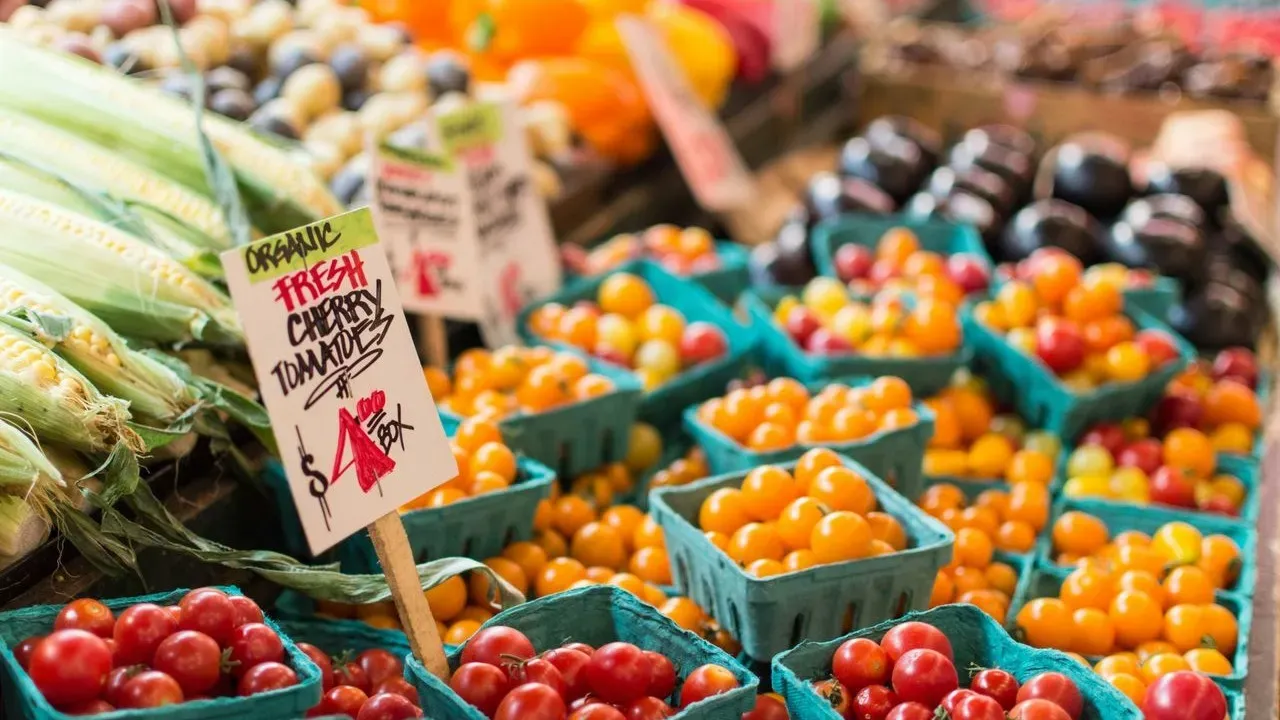

U.S. inflation posted its sharpest monthly drop in more than six years in June, yet grocery prices moved higher. The Bureau of Labor Statistics reported that the overall Consumer Price Index fell 0.4 percent on a seasonally adjusted basis, driven mainly by lower energy costs. Food prices, however, rose 0.2 percent for both groceries and restaurant meals, extending a pattern of selective increases that has persisted through much of 2026.
June Report Shows Clear Contrast
The energy index dropped 5.7 percent during the month, with gasoline prices falling 9.7 percent. Those declines pulled the headline CPI lower even though core inflation, which excludes food and energy, held steady. Food-at-home prices have now risen 2.7 percent over the past twelve months, while food-away-from-home prices increased 3.4 percent. Overall food inflation reached 3.0 percent year over year.
Department-Level Shifts in Grocery Aisles
Price movements varied sharply across store departments. Dairy prices jumped 1.2 percent in June. The meats, poultry, fish, and eggs category rose 0.6 percent, with egg prices alone climbing 4.3 percent. Cereals and bakery products increased 0.3 percent. Nonalcoholic beverages fell 1.5 percent, led by a 2.0 percent drop in coffee prices, while fruits and vegetables slipped 0.2 percent. On an annual basis the picture looks different. Fresh produce posted the largest twelve-month gain at 5.3 percent. Meats, poultry, fish, and eggs rose 2.6 percent. Dairy prices remained nearly flat, up just 0.4 percent.
Supply-Chain Effects and Household Budgets
Lower fuel costs may eventually ease transportation expenses for retailers, yet energy prices remain 15.7 percent higher than a year earlier. That lingering volatility continues to affect distribution throughout the food system. Consumers, meanwhile, face uneven pressure at the checkout. Core inflation eased to 2.6 percent over twelve months, but grocery bills have not followed the same path. Many households are responding by expanding backyard gardens. Growing even a portion of their own vegetables and herbs can reduce the volume of produce purchased each week. The approach also provides a buffer against future swings in categories such as fresh fruits and vegetables that have shown the strongest annual gains.
Outlook for July Data
The Bureau of Labor Statistics will release the July Consumer Price Index on August 12. Retailers and shoppers alike will watch whether the recent moderation in overall inflation extends to food or whether selective increases continue. For those already planting or expanding garden beds, the June figures underscore a practical incentive: every tomato or lettuce head grown at home offsets a portion of the steady climb in store prices.
AI Disclaimer: This article was created with the assistance of AI tools and reviewed by a human editor.