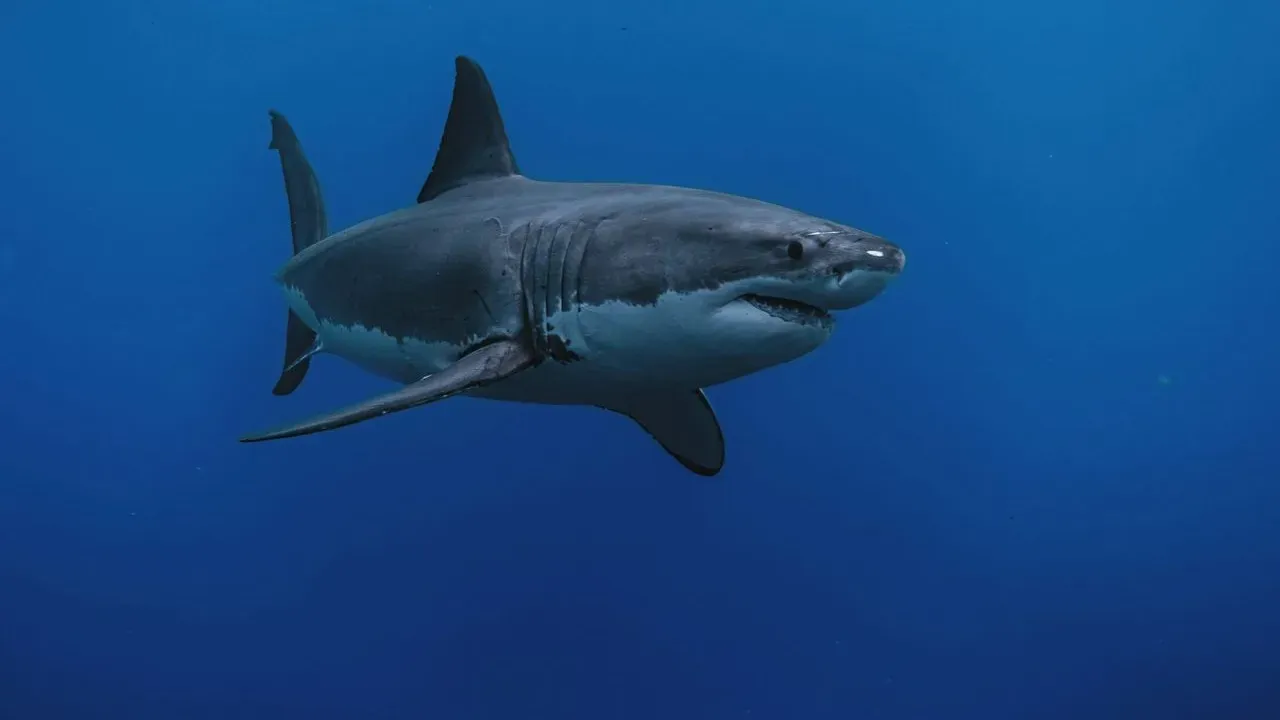

Off the coast of Canada, a subadult great white shark named Ripple has completed a notable journey. Researchers with OCEARCH recorded the animal covering 350 miles in seven days while moving northward along the shoreline. The movement provides another data point in ongoing efforts to understand the range and behavior of these sharks in northern waters.
Tracking Ripple’s Path
OCEARCH maintains a network of satellite tags that record the positions of selected sharks over time. In Ripple’s case, the data showed steady progress up the Canadian coast during the one-week period. The distance traveled reflects the capacity of a subadult great white to cover substantial ground in a short span.
Observers note that such movements are part of normal patterns for the species as individuals shift between feeding areas and seasonal habitats. The precise route taken by Ripple remains known only through the tag transmissions collected by the research team.
Context for Coastal Shark Movements
Great white sharks appear along parts of the Canadian coastline during warmer months when water temperatures support their presence. Ripple’s recent transit adds to records of how far and how quickly individuals can relocate. These observations help refine maps of seasonal distribution without requiring direct sightings from vessels or shore.
Subadult sharks like Ripple often range more widely than younger juveniles while still remaining smaller than fully mature adults. The 350-mile segment completed in seven days illustrates one example of this mobility in real time.
Value of Continued Data Collection
Organizations such as OCEARCH rely on repeated tag readings to build longer-term pictures of individual and population movements. Each new segment of travel, including Ripple’s recent week-long effort, contributes to that growing dataset. The information supports broader studies of habitat use and migration timing along the Atlantic seaboard.
Public access to summarized tracking results allows interested observers to follow specific animals without interfering with the research process. Ripple’s progress remains one of several active cases currently listed by the program.
Key points from the tracking update:
- Shark: Ripple, subadult great white
- Distance: 350 miles
- Timeframe: one week
- Location: northward along Canada coast
- Organization: OCEARCH
Further tag data will determine whether Ripple continues northward or reverses direction in the coming weeks. The current record stands as a clear measure of distance covered in a brief interval.
AI Disclaimer: This article was created with the assistance of AI tools and reviewed by a human editor.