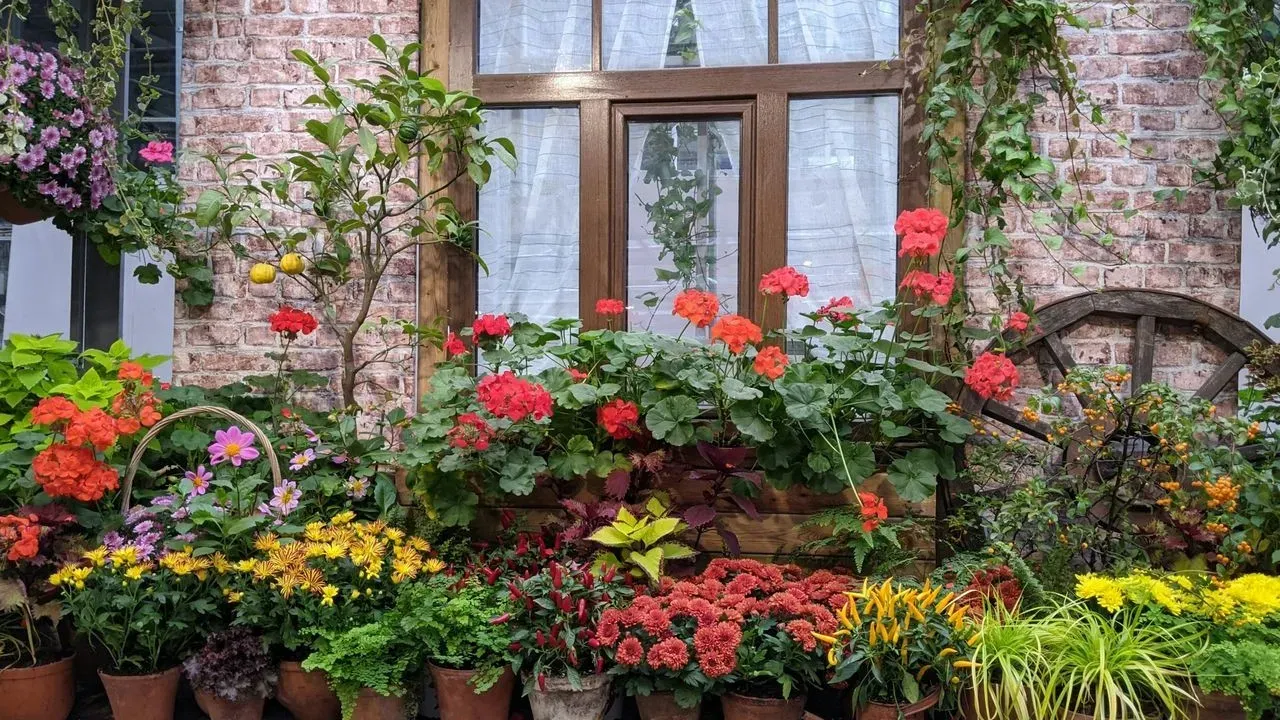

By the end of summer, ornamental containers often start to look tired and faded after months of heat and growth. ([1])Gardeners who want to extend the season can shift focus to cooler tones and textures that signal the change in weather. This approach turns worn pots into displays that feel fresh and intentional through the shorter days ahead.
Recognizing the Right Moment for Change
Containers that once overflowed with summer blooms frequently show signs of decline as temperatures drop. Leaves may yellow, flowers fade, and overall vigor declines. Watching for these cues helps determine when to refresh rather than abandon the pots entirely.
The transition offers a practical way to maintain visual interest without starting from scratch. Many gardeners find that a targeted update preserves the structure of existing arrangements while introducing new elements suited to autumn conditions.
Exploring Autumn Color Palettes
Autumn palettes tend toward deeper, warmer hues that contrast with the brighter shades of summer. Think combinations of burgundy, rust, gold, and muted greens that evoke the season’s natural shift. These tones create cohesion across multiple containers and tie into the surrounding landscape.
Layering shades within a single pot adds depth. A base of rich foliage can support accents in complementary colors, producing arrangements that feel balanced and seasonal. The result is a display that reads as thoughtful rather than leftover from warmer months.
Selecting Plants for the Shift
Plants chosen for fall containers often emphasize foliage and texture over fleeting blooms. Options that tolerate cooler temperatures and shorter daylight hours help maintain the arrangement longer. Gardeners typically look for varieties that provide both color and structure through the transition period.
Combining different plant habits – upright forms, mounding shapes, and trailing elements – keeps the composition dynamic. This mix ensures the planter remains interesting from multiple angles and adapts as individual plants reach their peak at slightly different times.
Practical Steps for a Smooth Update
Begin by assessing what remains viable in the existing containers. Removing spent material and refreshing the soil surface prepares the space for new additions. This step improves drainage and nutrient availability for the incoming plants.
Once the palette and plants are selected, arrange them with an eye toward balance and future growth. Water thoroughly after planting and monitor moisture levels as temperatures fluctuate. These adjustments support establishment before colder weather arrives.
The shift from summer to fall containers rewards attention to timing and color. It keeps outdoor spaces engaging while aligning with the natural rhythm of the season.
AI Disclaimer: This article was created with the assistance of AI tools and reviewed by a human editor.