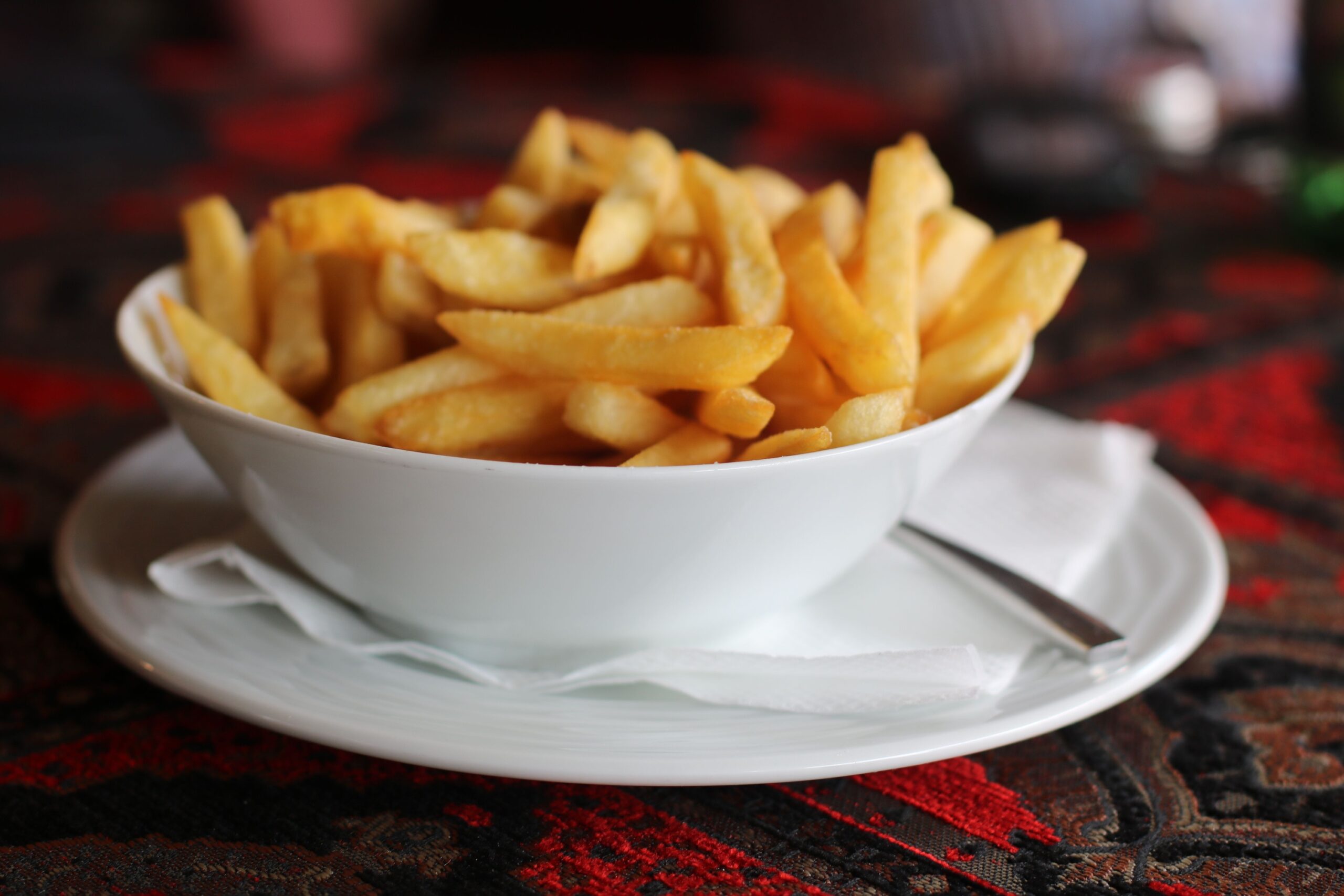

Most people have been there: you try to recreate that perfect golden fry at home, follow what seems like a reasonable process, and end up with something pale, floppy, and a little sad. It’s one of those quiet kitchen frustrations that never quite makes sense until you understand what’s actually happening behind the scenes.
There’s no single reason why restaurant french fries taste better than homemade ones, but rather a combination of industry tips and tricks that most home cooks simply aren’t aware of. Once you understand the logic, the gap between your kitchen and the restaurant fryer starts to make a lot of sense.
The Right Potato Makes All the Difference
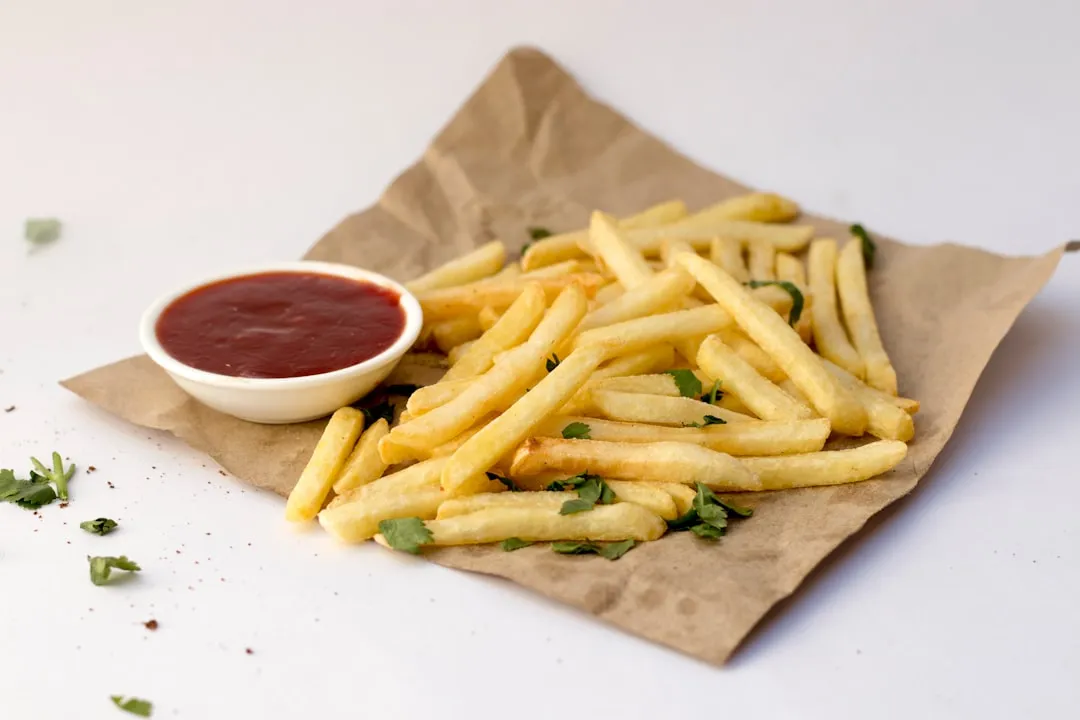
Russet potatoes are, without a doubt, the proper kind of potato for a crispy-fluffy fry. They are high in starch content, and together with low moisture, they are the optimal choice for frying. Most home cooks grab whatever potato looks good at the market, which often means reaching for something waxy or multi-purpose.
The starch helps develop a soft, fluffy inside while the low moisture prevents sogginess, allowing fries to crisp up beautifully during the second fry to yield that satisfying golden crunch. Restaurants know this, and they don’t deviate from it.
The USDA’s Agricultural Research Service confirms that Russets contain roughly 18 to 22 percent starch compared to 15 to 18 percent in Yukon Golds, creating that signature crisp exterior and fluffy interior. That starch differential is more significant than it sounds when you’re dealing with high-heat frying.
The Soaking Step That Most Home Cooks Skip
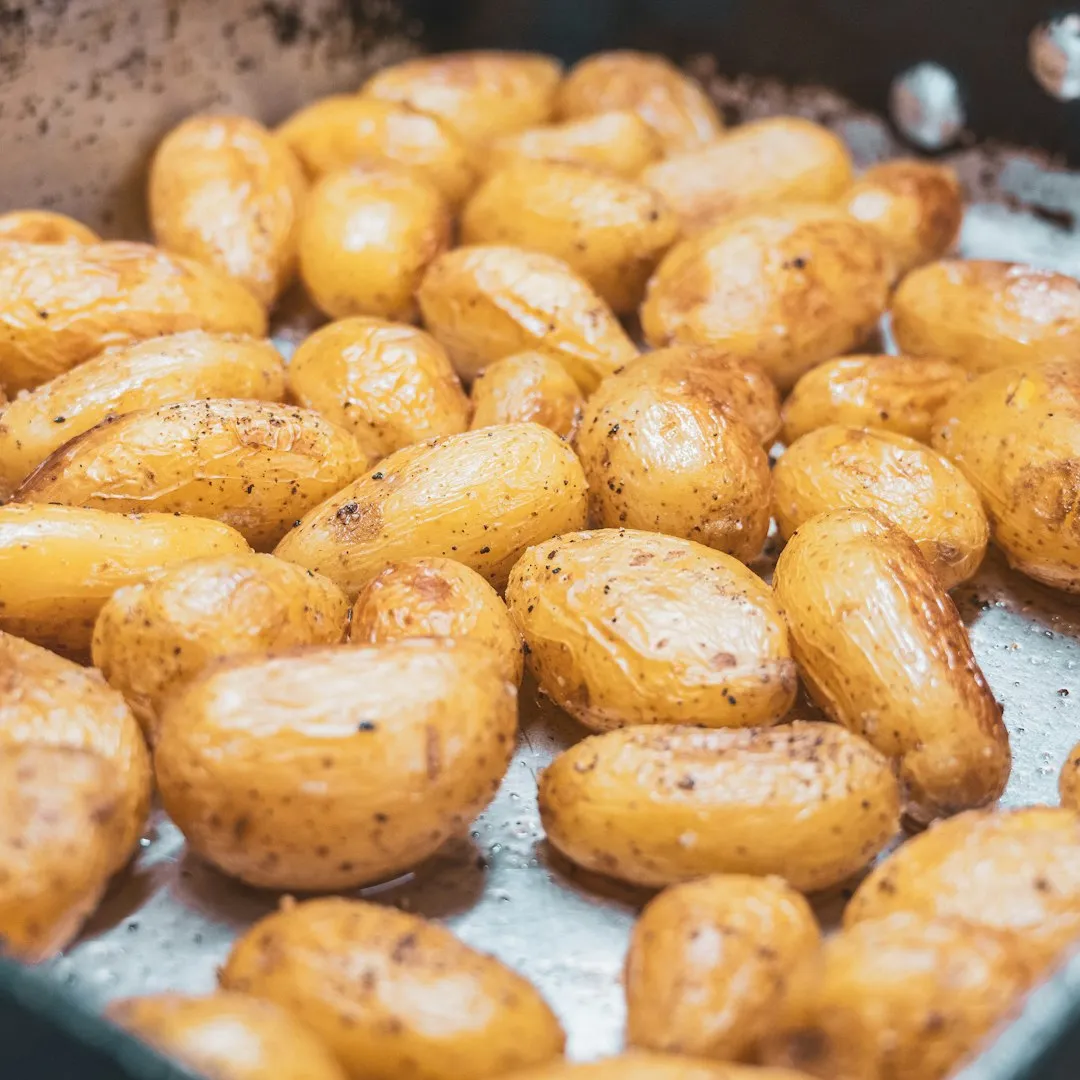
When potatoes are cut, the cells are damaged, releasing starch onto the surface. By soaking the cut potatoes in water, the starch dissolves into the water, reducing the amount on the potato. This makes the fries less sticky and helps them cook more evenly.
Soaking removes the potato’s excess starch, which helps fries not stick together and stand on their own, crispier and crunchier. Restaurants build this step into their prep routines automatically. Home cooks often skip it entirely, either out of impatience or because they simply don’t know it matters.
After cutting potatoes into sticks, soaking in ice water for at least 30 minutes removes excess surface starch that would otherwise create soggy fries. Two hours is even better, and some professional kitchens soak overnight in the refrigerator for maximum effect.
The Double-Fry Method: The Real Secret
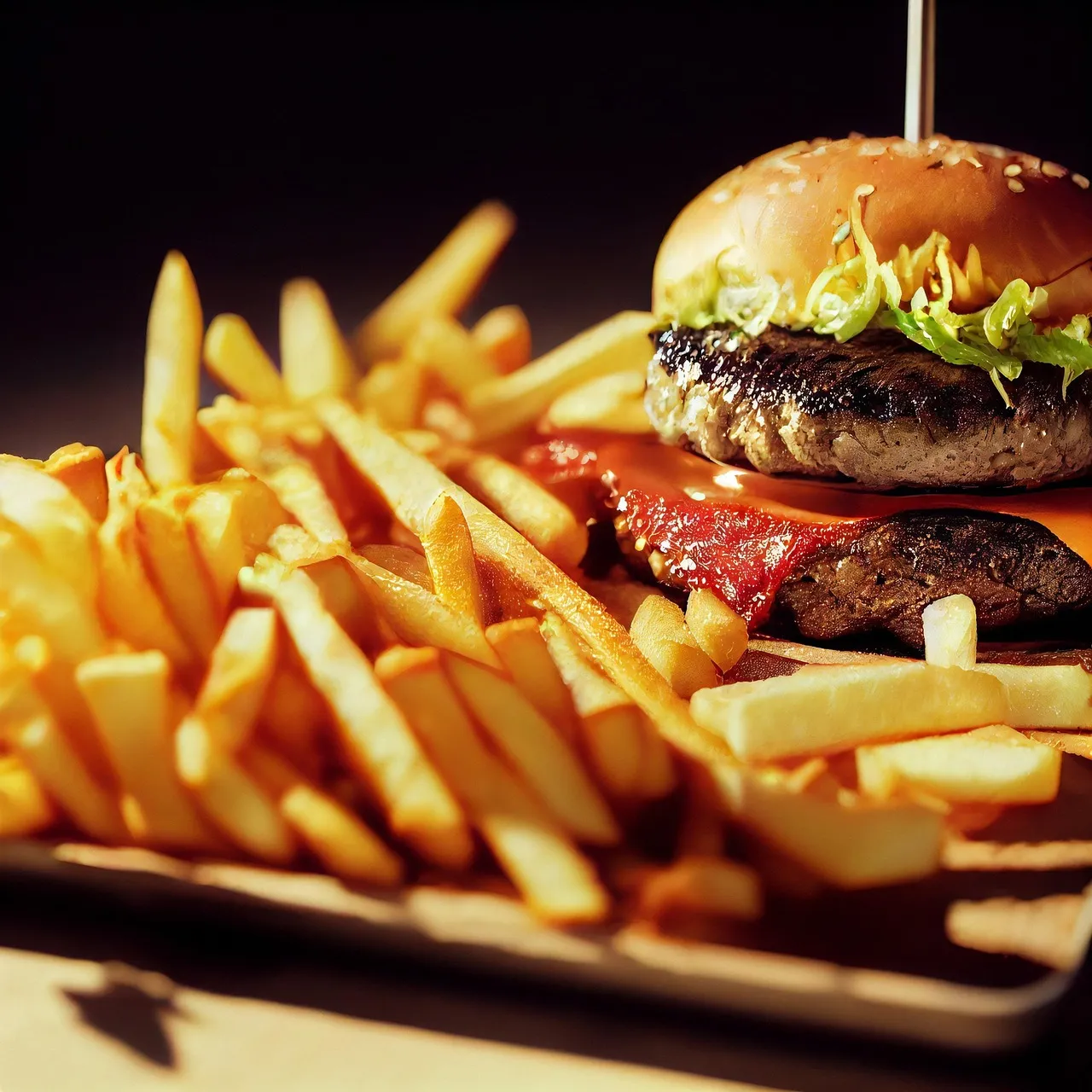
Double frying french fries is common practice in restaurants. After the fries have had their first sizzle in hot oil, they’re then cooked again at a slightly higher temperature, creating a huge amount of flavor and an improved texture.
When restaurants double fry their sliced potato strips, their first round of frying is at a lower temperature than the second. During the first round, the goal isn’t to brown the fry; it’s to soften up the inside of the potato to make it pillowy and creamy. The second round is all about developing a crisp, golden-browned outside.
When potatoes are fried, the water inside turns to steam and escapes. With just one fry, not enough moisture leaves the potato, and what remains quickly softens the outer layer. This is why fries might be crispy for a minute or two before turning into soft, floppy strips. The double fry solves this precisely.
Temperature and Timing Between the Two Fries
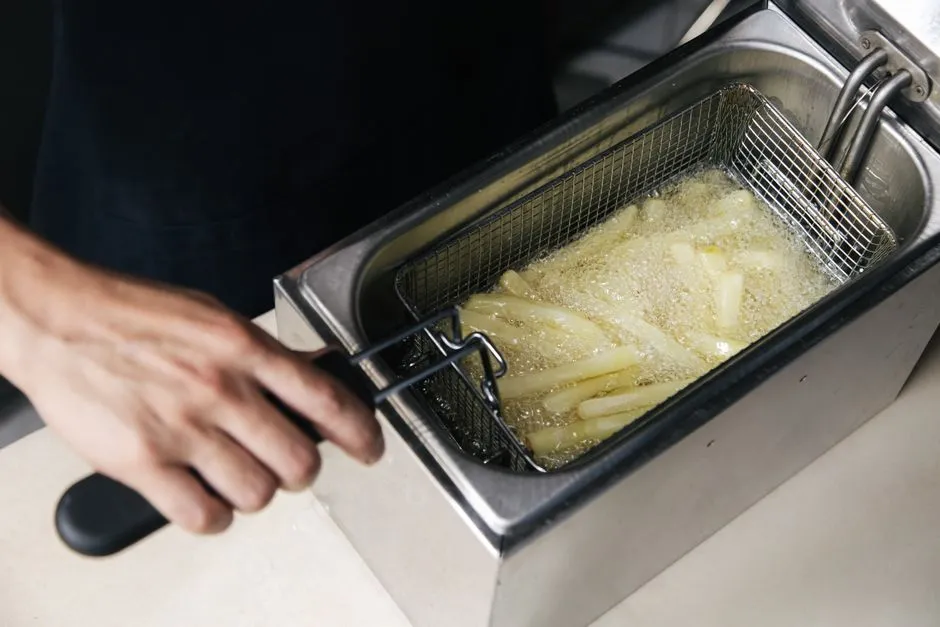
The precise protocol starts by heating oil to 325°F and frying potatoes in small batches for three to four minutes until cooked through but not browned. This first stage is about structure, not color.
After the first fry, restaurants let their potatoes cool completely, sometimes for 30 minutes, sometimes for hours in the fridge. When an order comes in, they drop these pre-cooked fries into much hotter oil at around 350 to 375°F for just a few minutes. This cooling period matters as much as the frying itself.
The first fry gelatinizes the starches within the potato, making the interior soft and fluffy. Crucially, it also pushes a significant amount of water out of the potato in the form of steam, drying out the surface. That dried surface is exactly what crisps up so dramatically during the second fry.
Commercial Fryers vs. Your Stove at Home
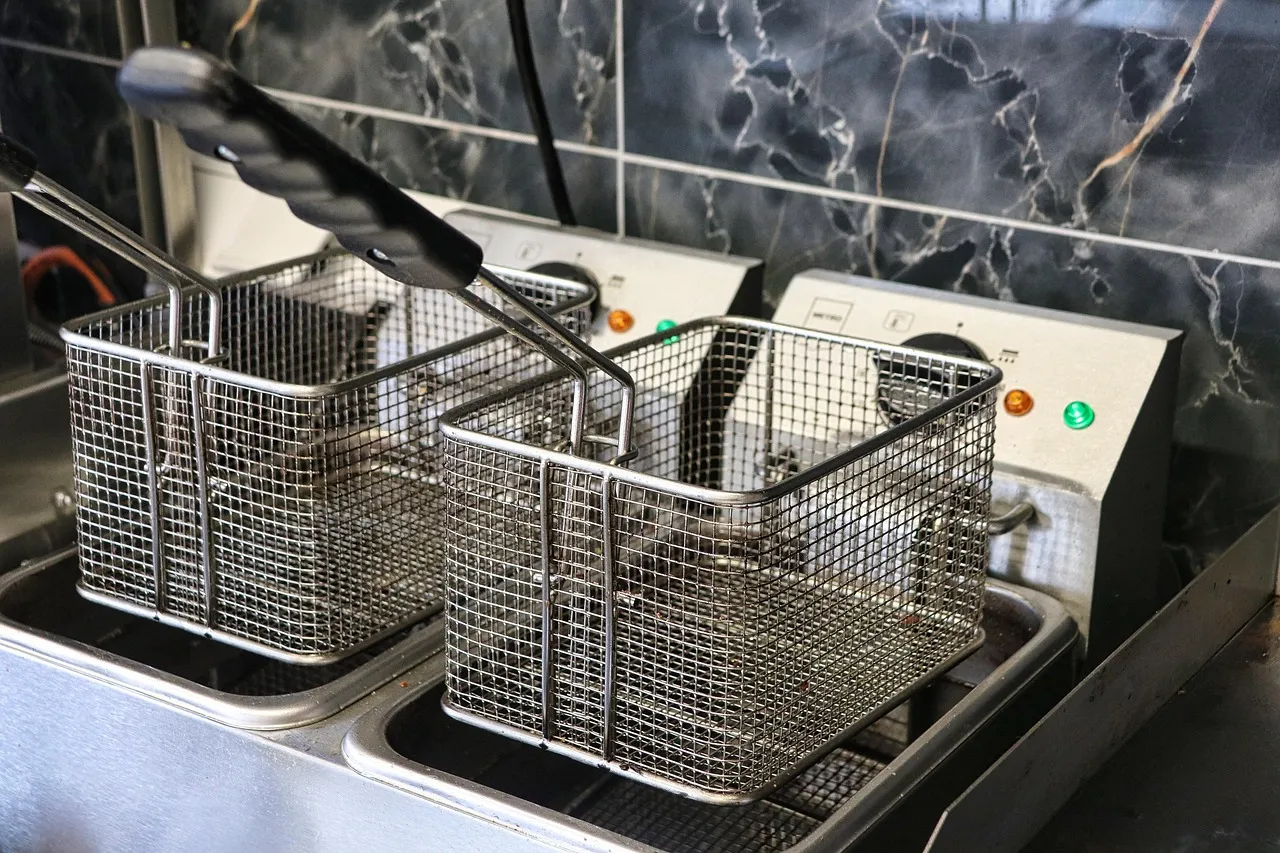
Commercial models typically hold between 10 and 90 pounds of oil, compared to just 2 to 4 pounds in residential units. This extra capacity isn’t just about cooking more food; it’s about maintaining consistent temperatures when cold products hit the hot oil.
When frozen fries drop into a commercial fryer, it recovers to cooking temperature in about 60 to 90 seconds. A home unit might leave you waiting several minutes, resulting in soggy, oil-soaked food. This recovery time is what separates perfectly crispy restaurant fries from the disappointing ones you make at home.
The best commercial models maintain oil temperature within plus or minus 2 degrees Fahrenheit, ensuring your second batch of fries is just as perfect as the first. That kind of precision is nearly impossible to replicate on a domestic stovetop with a pot and a thermometer.
The Oil They Use Is Not What You Have at Home
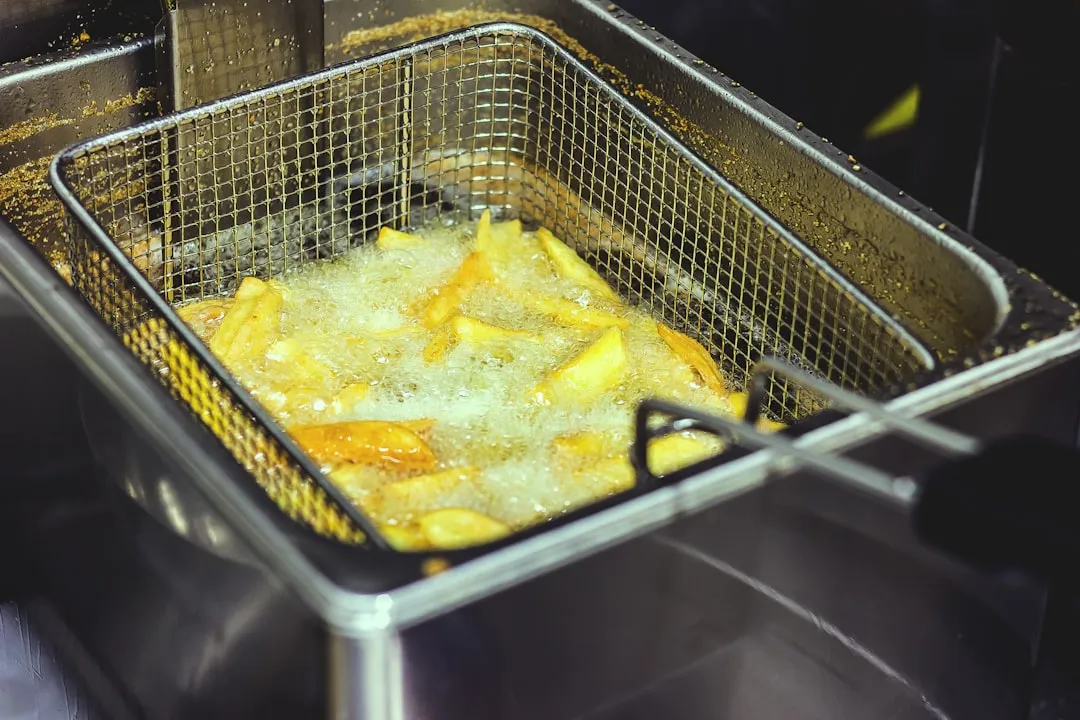
Restaurants often use peanut oil, canola oil blends, or even beef tallow for frying. These oils can handle high heat and also add their own flavor to the fries. Most home cooks just grab vegetable oil from the pantry, but it doesn’t react the same way under high heat.
Peanut oil has a smoking point of 450 degrees Fahrenheit, about 50 degrees higher than canola oil. This gives it an extra degree of stability, especially when used in fryers that regularly operate at temperatures closer to 400 degrees. That buffer matters when you’re going for maximum crispiness.
Generally speaking, the higher the smoking point of an oil, the more stable it is. Once an oil has reached its smoking point, its flavor will grow drastically worse. Home cooks using standard supermarket oils are often unknowingly cooking past that threshold.
Slightly Aged Oil Actually Tastes Better
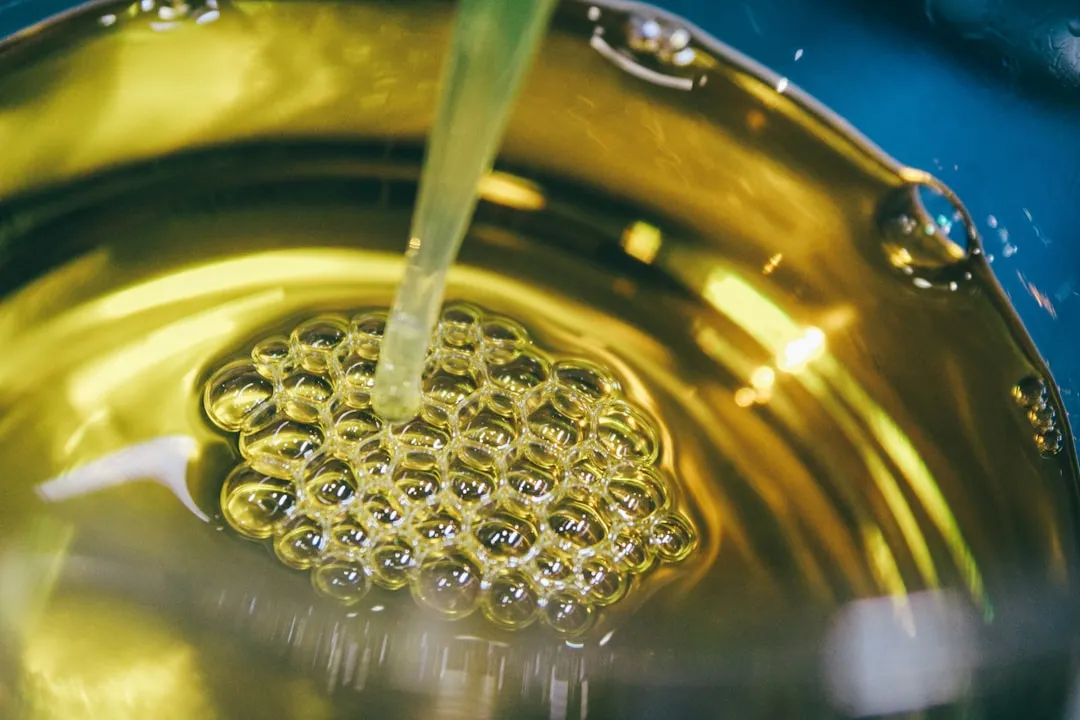
When you’re making fries at home, you’re typically using fresh cooking oil. Unfortunately, this isn’t the ideal type for getting your desired texture. This surprises a lot of people, but it’s a genuine factor in the flavor difference.
Oil that has been used through several batches develops what food scientists describe as a polymerized surface coating on the fry. This isn’t rancid oil – restaurants filter their oil regularly – it’s simply oil that’s been properly broken in. Fresh oil lacks those flavor compounds entirely.
In a busy restaurant, one of the key factors in making fryer oil last longer is proper maintenance and care. Regularly filtering the oil and removing food particles or debris helps extend its lifespan while keeping it in that optimal, slightly seasoned state. Home cooks almost never go through enough oil in one session to reach this condition.
Seasoning at the Exact Right Moment
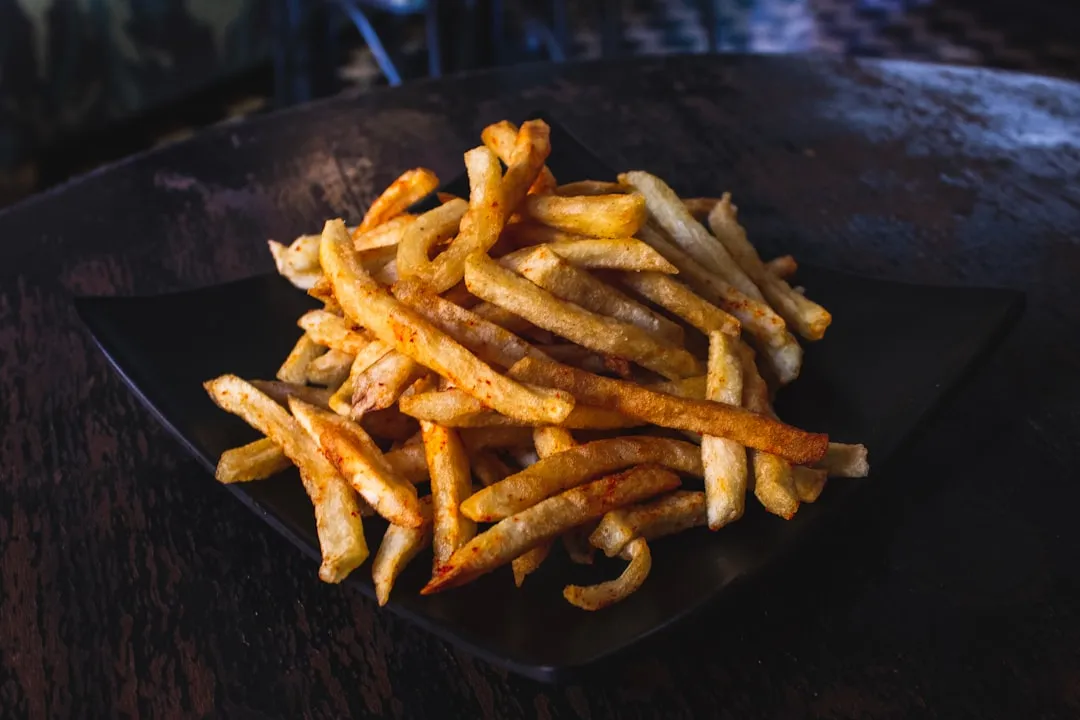
Timing the seasoning is critical. When fries first emerge from the fryer, they’re covered in microscopic oil droplets that are still moving and settling. This is the window when salt actually bonds to the surface, rather than just falling off.
Most restaurants use kosher salt or sea salt for their fries. These larger salt crystals adhere better and provide little bursts of flavor rather than just overall saltiness. Standard table salt, which most home cooks reach for, dissolves too quickly and often disappears into the oil rather than sticking to the fry.
Always salt immediately after the second fry while fries are hot, so the seasoning sticks properly. Even a 30-second delay can mean the difference between a well-seasoned fry and one that tastes oddly flat despite looking golden and crisp.
Batch Size and Overcrowding Kill the Crunch
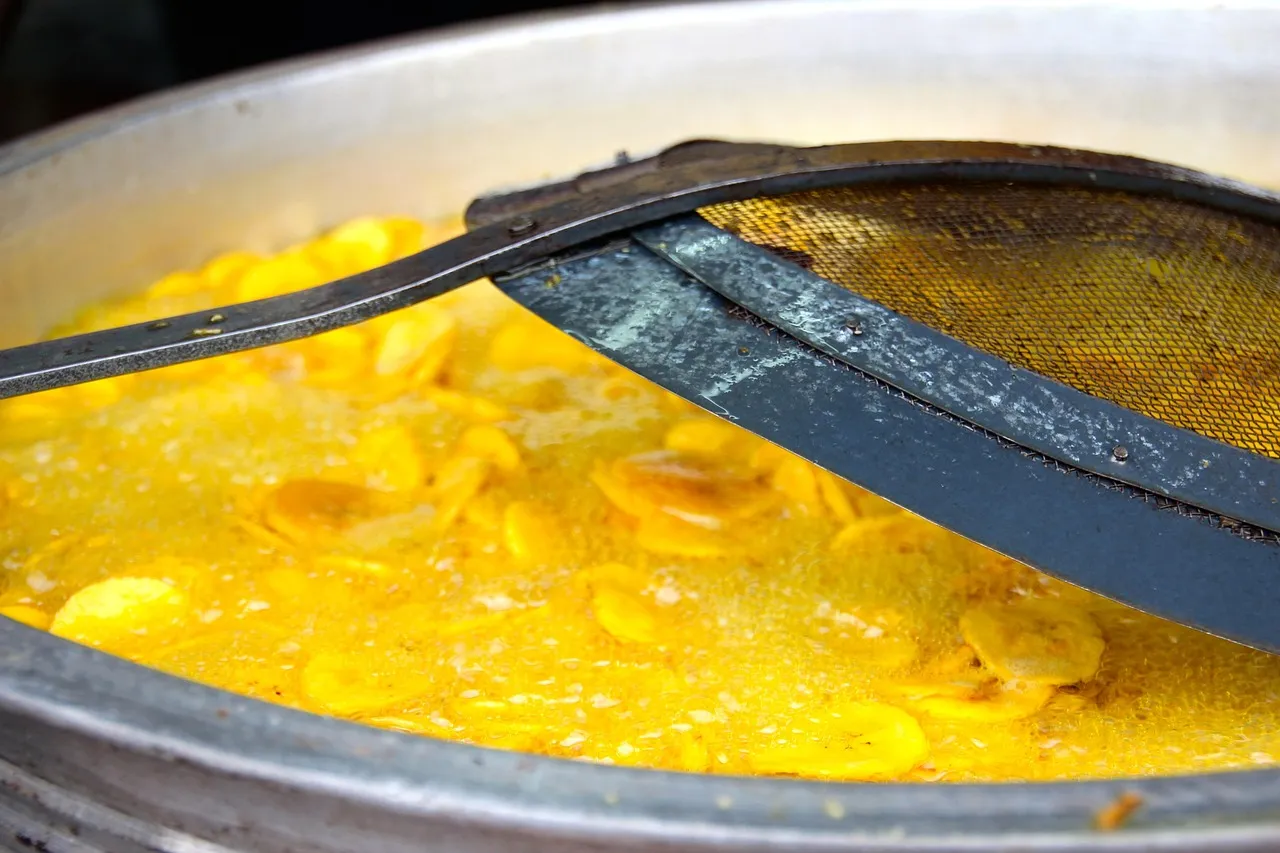
Overcrowding the fryer causes too many fries at once to lower the oil temperature, which ruins crispiness. This is one of the most common errors home cooks make, and it compounds all the other problems: the oil drops in temperature, the fries steam instead of fry, and the result is a soft, greasy mess.
Restaurants don’t just fry better – they follow smart systems that guarantee consistent results. Fries are always cooked in small batches to maintain stable oil temperature. In a commercial kitchen, this isn’t a preference; it’s a non-negotiable part of the workflow.
If you deep fry foods at too low a temperature, food may not cook evenly and can absorb excess oil, resulting in a greasy and soggy end product. Every overcrowded home batch recreates this exact problem, regardless of how carefully you followed every other step.
The Maillard Reaction and Why It’s Harder to Trigger at Home
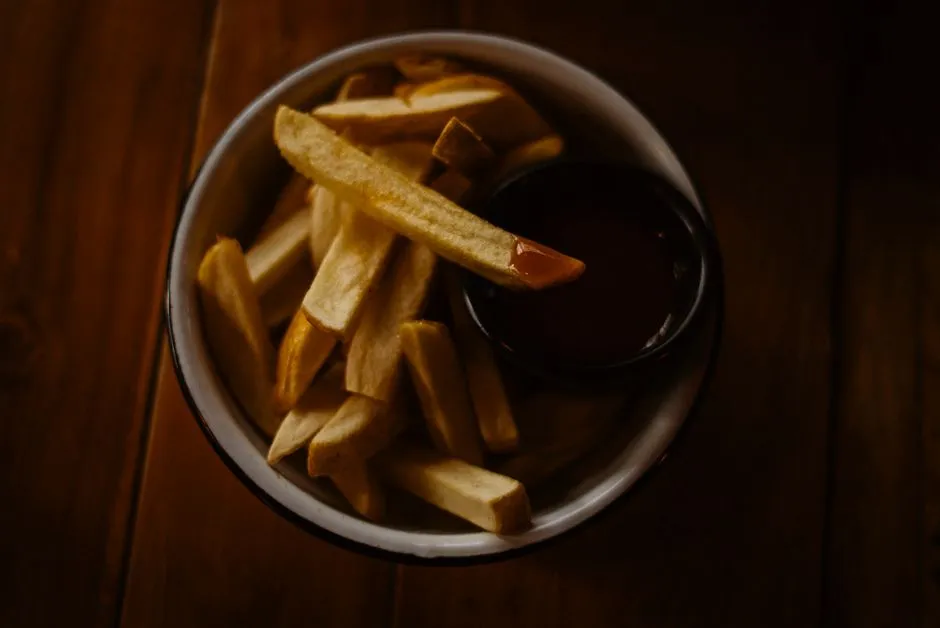
The golden-brown color and nutty aroma that make restaurant fries so irresistible aren’t just aesthetic. They’re the product of the Maillard reaction, a chemical process that occurs when proteins and sugars are exposed to high heat. Getting there requires sustained, high temperatures that most home setups struggle to maintain.
Commercial electric fryers pack anywhere from 1,750 to 24,000 watts, while gas models deliver an impressive 34,000 to 170,000 BTU. Home equipment simply doesn’t generate that level of consistent heat, which means the Maillard reaction either happens incompletely or not at all before the fry starts to lose moisture.
Commercial fryers also reach higher temperatures, up to 400 degrees Fahrenheit versus 375 degrees for residential models, and maintain them with precision thanks to commercial-grade thermostats. That extra 25 degrees is a more meaningful gap than it sounds when you’re talking about surface chemistry and crunch.
The Takeaway
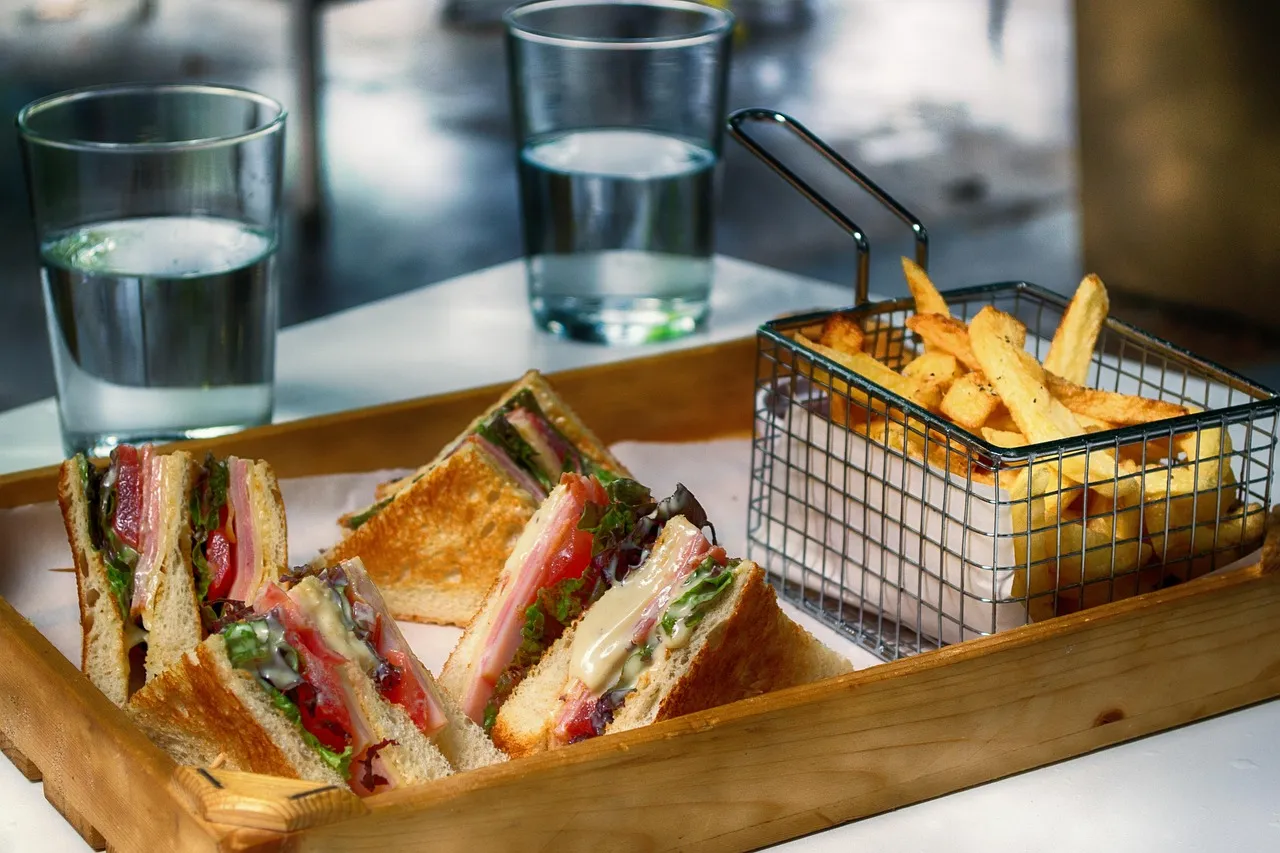
The gap between restaurant fries and homemade ones isn’t about talent or effort. It’s about a carefully layered set of factors: the right potato variety, a proper soaking step, the double-fry technique, commercial equipment that holds temperature, oils with high smoke points, well-seasoned frying oil, and a precise salting window that most home cooks miss entirely.
None of these elements alone is decisive. Together, though, they create a result that’s genuinely difficult to replicate without the right tools and process. Even if you follow all the right steps at home, without commercial fryers and consistent high heat, it’s very difficult to completely replicate restaurant-style fries. Still, knowing the techniques – especially double-frying, using Russet potatoes, soaking beforehand, and carefully controlling oil temperature – can get you a lot closer to that perfect golden crunch.
The restaurant isn’t holding a secret ingredient over you. It’s holding a system – and now you know what that system looks like.
AI Disclaimer: This article was created with the assistance of AI tools and reviewed by a human editor.