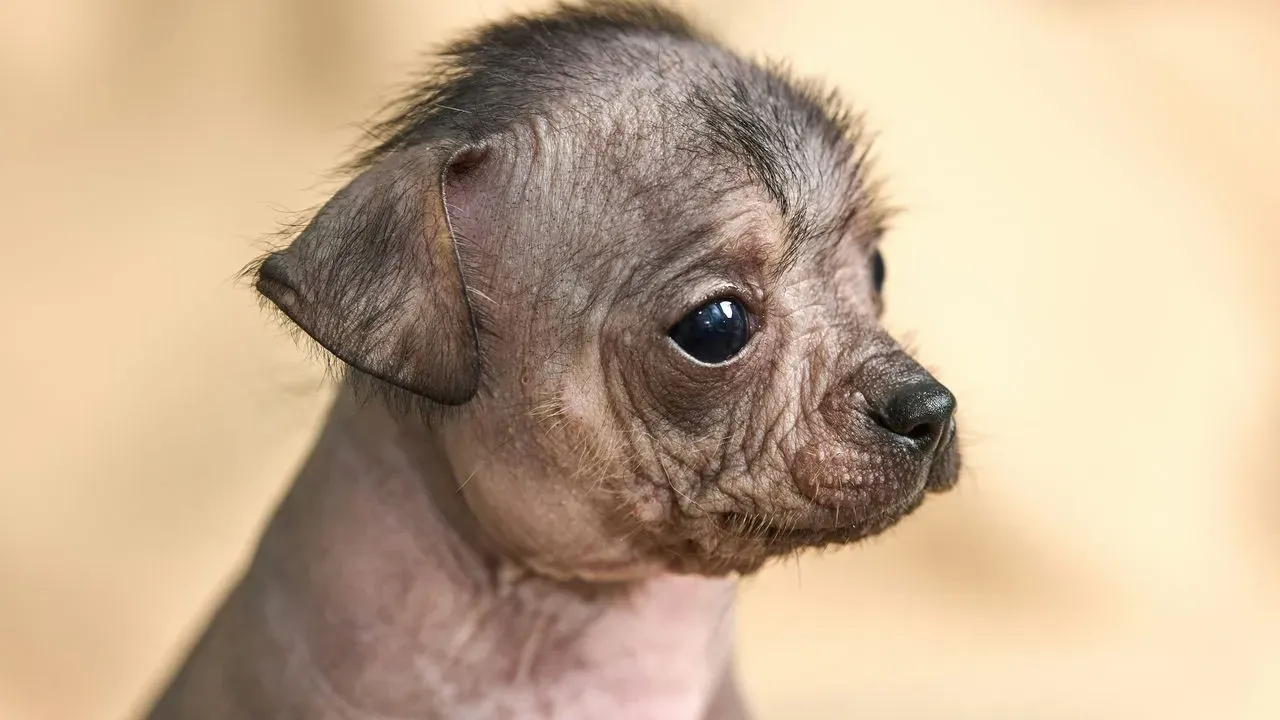

Santa Rosa, California – A pug named Jinny Lu, rescued from South Korea’s dog meat trade, has been named the winner of the World’s Ugliest Dog contest. The event awarded her a $5,000 prize and highlighted the long-running competition’s focus on celebrating dogs of all appearances while encouraging adoption. Held in Santa Rosa, the contest marked its 50th year with this outcome.
The Contest’s Enduring Role in Dog Welfare
The World’s Ugliest Dog competition began five decades ago as a lighthearted event that has grown into a platform for broader messages about animal rescue. Organizers have consistently used the annual gathering to draw attention to shelter dogs and the benefits of adoption over purchasing from breeders or other sources. Over the years, winners have included various breeds and mixes, each with unique stories that underscore the contest’s emphasis on acceptance.
The $5,000 prize serves as both recognition and a practical boost for the winning dog’s ongoing care. Santa Rosa has hosted the event consistently, providing a stable venue that supports its visibility within the animal welfare community.
Jinny Lu’s Path From Trade to Title
Jinny Lu arrived in the United States after being removed from the dog meat trade in South Korea, where such practices have faced increasing international scrutiny and domestic reform efforts. Her background placed her among dogs that often face uncertain futures before rescue organizations intervene. The pug’s participation in the contest brought her story to a wider audience, showing how individual rescues can lead to public recognition.
Judges selected her based on the event’s criteria, which value distinctive traits rather than conventional standards of appearance. This outcome aligned with the competition’s tradition of spotlighting dogs whose histories involve hardship or neglect.
Broader Effects on Adoption Awareness
Events like the World’s Ugliest Dog contest contribute to ongoing conversations about pet adoption by presenting real examples of dogs that thrive after rescue. Jinny Lu’s win adds to a record of past champions whose stories have prompted viewers to consider shelter animals. The competition’s structure, including the cash prize, helps sustain interest while directing attention toward practical outcomes such as increased inquiries at adoption centers.
Stakeholders in animal welfare note that such visibility can influence public attitudes over time, particularly when tied to specific cases like Jinny Lu’s transition from the meat trade. The 50-year milestone reinforces the contest’s established place in promoting these messages without relying on temporary trends.
AI Disclaimer: This article was created with the assistance of AI tools and reviewed by a human editor.