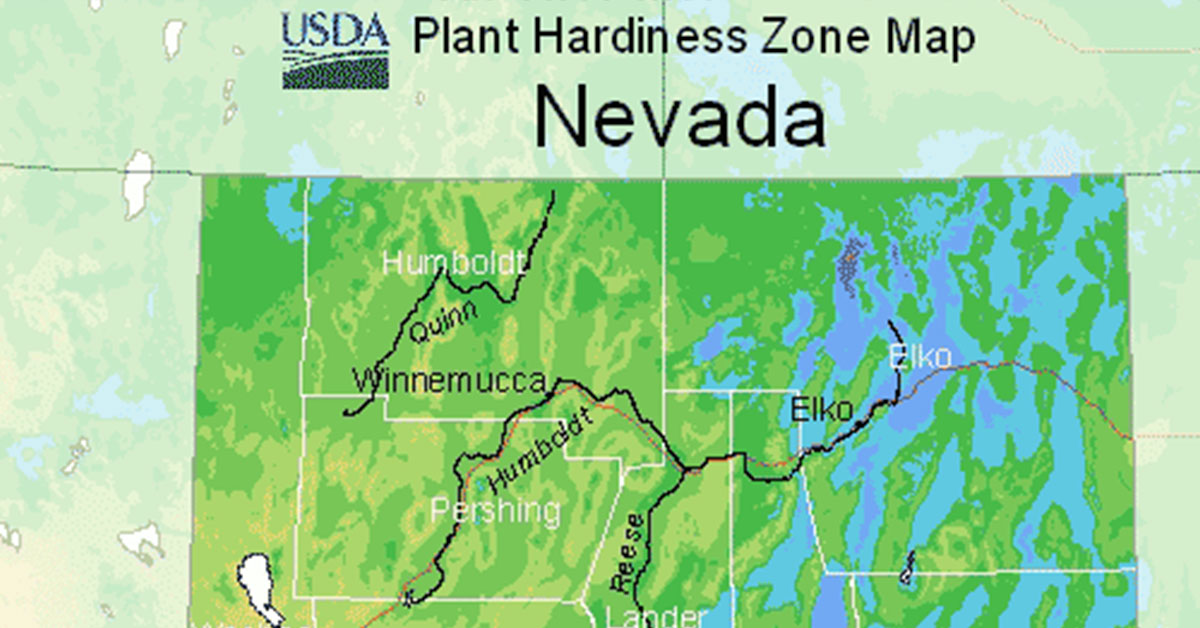

Welcome to the beautiful city of Reno, where gardening enthusiasts can explore a world of possibilities amidst the stunning landscapes of the Sierra Nevada region. Nestled in USDA Hardiness Zone 7, Reno offers a unique climate that presents both challenges and opportunities for gardeners. With its hot, dry summers and cold, snowy winters, understanding the intricacies of this zone is crucial for successful gardening.
In this article, we will delve into the specifics of gardening in Reno, exploring the USDA hardiness zone and how it impacts plant selection, care, and overall gardening practices. Whether you are a seasoned gardener or just starting out, this guide will equip you with the knowledge and tips you need to create a thriving garden in Reno’s unique climate.
What is Reno’s USDA hardiness zone?
The USDA hardiness zone is a system developed by the United States Department of Agriculture (USDA) to categorize regions based on their average annual minimum temperature. This system helps gardeners and plant enthusiasts determine which plants are most likely to thrive in a particular area. Reno, Nevada, falls into USDA hardiness zone 7a. This means that the average annual minimum temperature in Reno ranges from 0 to 5 degrees Fahrenheit (-17.8 to -15 degrees Celsius).
It is important to note that this is the average minimum temperature, and extreme cold snaps or microclimates within the region can result in lower temperatures. The hardiness zone information is crucial for gardeners as it helps them select plants that can withstand the cold temperatures of the region. Plants with a hardiness rating equal to or lower than the zone are more likely to survive the winter and thrive in Reno’s climate. In zone 7a, gardeners can grow a wide range of plants, including both cold-hardy and heat-tolerant varieties. Some popular plant options for Reno include:
Trees: Deciduous trees like maple, oak, and birch are suitable for Reno’s climate. Evergreen trees such as pine, spruce, and fir also do well.
Shrubs: Many shrubs thrive in zone 7a, including lilacs, roses, spirea, and butterfly bush. These plants provide beautiful blooms and add structure to the garden.
Perennials: There is a wide selection of perennials that can be grown in Reno, such as daylilies, coneflowers, black-eyed Susans, and lavender. These plants come back year after year, adding color and texture to the garden.
Vegetables: Reno’s growing season is relatively short, but many vegetables can still be successfully grown. Cool-season crops like lettuce, spinach, kale, and broccoli can be planted in early spring and fall. Warm-season crops like tomatoes, peppers, and squash can be grown during the summer months.
Herbs: Herbs like rosemary, thyme, sage, and oregano are well-suited to Reno’s climate. These aromatic plants thrive in the region’s dry and sunny conditions.
It is important to consider other factors besides hardiness zone when selecting plants for your garden. Soil type, sun exposure, and water availability are also crucial considerations. Consulting with local nurseries or gardening experts can provide valuable insights into the specific needs of plants in the Reno area.
When can you plant your garden in Reno?
In Reno, Nevada, the ideal planting times for various plants can be determined by considering its USDA hardiness zone, which is Zone 7a. This zone is characterized by its cold winters and hot summers. Here are some general guidelines for planting in Reno:
Spring Planting: In Reno, the average last frost date typically occurs around mid-April. Therefore, it is generally safe to start planting frost-tolerant plants, such as cool-season vegetables (e.g., lettuce, spinach, peas) and hardy annual flowers (e.g., pansies, snapdragons), in early to mid-April. However, it’s always a good idea to monitor the weather and soil conditions before planting.
Summer Planting: Reno experiences hot and dry summers, so it’s important to choose heat-tolerant plants for summer planting. Warm-season vegetables (e.g., tomatoes, peppers, squash) can be planted after the danger of frost has passed, typically in late May or early June. It’s crucial to provide adequate water and shade to newly planted seedlings during the scorching summer months.
Fall Planting: Fall is an excellent time for planting in Reno, as the temperatures become milder, and the soil retains warmth from the summer. Cool-season vegetables, such as broccoli, cauliflower, and carrots, can be planted in late summer or early fall, around mid-August to early September. Additionally, fall is a great time to plant perennial flowers, shrubs, and trees, allowing them to establish their root systems before winter.
Winter Planting: While winter is generally not the ideal time for planting in Reno, there are still some options. Bare-root trees and shrubs can be planted in late winter, around February or early March, before the soil thaws and the plants start to bud. It’s important to choose cold-hardy varieties and provide adequate protection, such as mulching, to help them survive the cold temperatures.
Remember, these are general guidelines, and it’s always recommended to check specific plant requirements and adapt the planting times based on local weather conditions and microclimates within Reno.
What grows well in Reno?
Reno, Nevada falls under USDA hardiness zone 7a, which means it experiences cold winters with average minimum temperatures ranging from 0 to 5 degrees Fahrenheit (-17.8 to -15 degrees Celsius). Here is a comprehensive list of plants that generally grow well in Reno’s climate:
- Blue Spruce (Picea pungens)
- Austrian Pine (Pinus nigra)
- Japanese Maple (Acer palmatum)
- Honeylocust (Gleditsia triacanthos)
- Russian Olive (Elaeagnus angustifolia)
- Quaking Aspen (Populus tremuloides)
- Rocky Mountain Juniper (Juniperus scopulorum)
- Colorado Blue Spruce (Picea pungens glauca)
- Lilac (Syringa vulgaris)
- Butterfly Bush (Buddleja davidii)
- Russian Sage (Perovskia atriplicifolia)
- Potentilla (Potentilla fruticosa)
- Barberry (Berberis)
- Spirea (Spiraea)
- Mock Orange (Philadelphus)
- Viburnum (Viburnum)
- Daylilies (Hemerocallis)
- Black-eyed Susan (Rudbeckia)
- Coneflowers (Echinacea)
- Russian Sage (Perovskia atriplicifolia)
- Sedum (Sedum spp.)
- Yarrow (Achillea)
- Penstemon (Penstemon spp.)
- Salvia (Salvia spp.)
- Marigold (Tagetes)
- Zinnia (Zinnia elegans)
- Petunia (Petunia spp.)
- Cosmos (Cosmos bipinnatus)
- Sunflower (Helianthus annuus)
- Portulaca (Portulaca grandiflora)
- Snapdragon (Antirrhinum majus)
- Dusty Miller (Senecio cineraria)
- Tomatoes (Solanum lycopersicum)
- Peppers (Capsicum)
- Zucchini (Cucurbita pepo)
- Basil (Ocimum basilicum)
- Rosemary (Rosmarinus officinalis)
- Thyme (Thymus)
- Sage (Salvia officinalis)
- Mint (Mentha)
Remember to consider specific growing conditions, such as soil type, sunlight exposure, and water requirements, when selecting plants for your garden in Reno. Additionally, it’s always a good idea to consult with local nurseries or gardening experts for personalized recommendations based on your specific location and preferences.
What won’t grow in Reno?
In Reno, which is located in USDA hardiness zone 7a, there are certain plants that may struggle to thrive due to the region’s specific climate conditions. Here are some plants that may not do well in Reno:
- Tropical plants: Most tropical plants, such as hibiscus, bougainvillea, and banana trees, are not well-suited for Reno’s colder winters and hot, dry summers.
- Acid-loving plants: Reno’s alkaline soil pH can make it challenging for acid-loving plants like azaleas, rhododendrons, and blueberries to grow and thrive.
- Frost-sensitive plants: Reno experiences occasional frosts and cold snaps, so plants that are highly sensitive to frost, such as citrus trees, may struggle to survive.
- Water-loving plants: Reno has a semi-arid climate with low rainfall, so plants that require consistently moist soil, like water lilies or certain ferns, may struggle to find the necessary moisture.
- Heat-intolerant plants: While Reno experiences hot summers, it also has cool nights due to its high elevation. This can make it difficult for heat-intolerant plants like impatiens or certain coleus varieties to thrive.
It’s important to note that while these plants may not be ideal for Reno, there are still many other plants that can thrive in this region. It’s always a good idea to choose plants that are native or well-adapted to the local climate for the best chances of success.