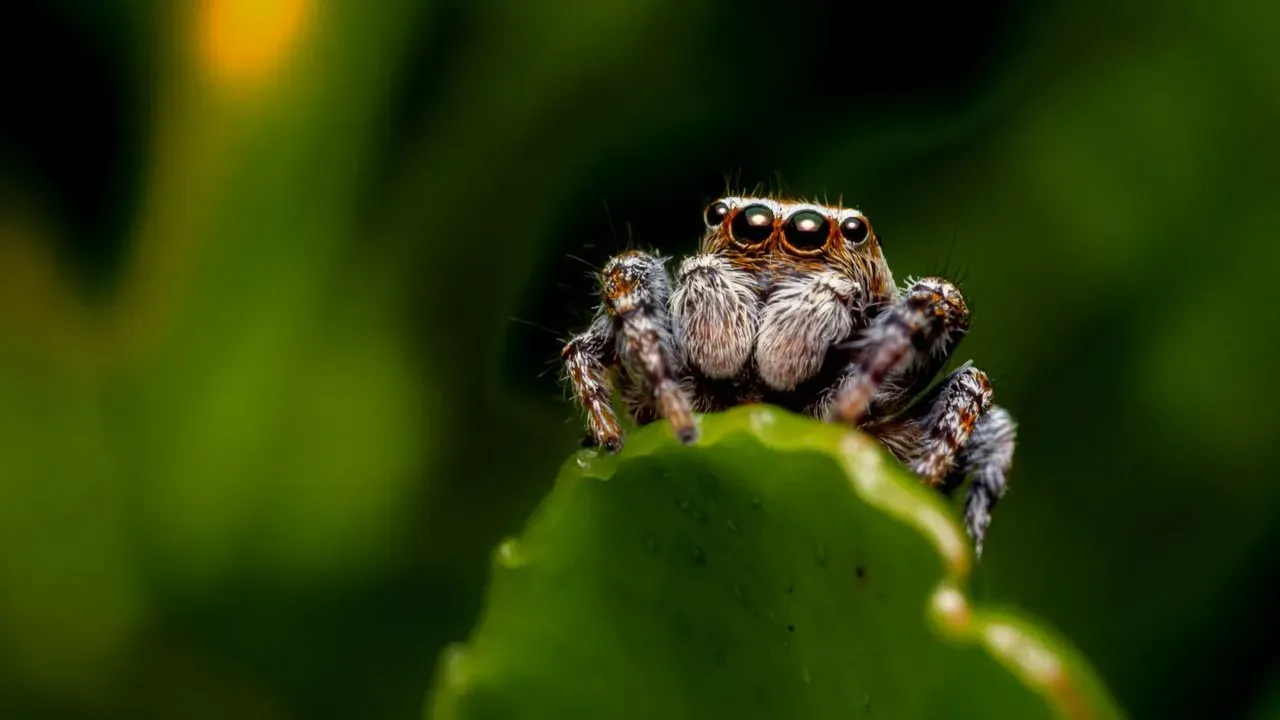

In a residential neighborhood of Reno, Nevada, graphic designer Lauren Taylor maintains a household that doubles as a large-scale breeding operation. Around 2,000 jumping spiders now occupy enclosures throughout her home. The arrangement has quietly positioned her property as a focal point for enthusiasts drawn to these small, active arachnids.
From Personal Project to Central Hub
Taylor, 35, began keeping and breeding the spiders several years ago. Her collection expanded steadily through careful captive breeding rather than wild collection. The result is a self-sustaining population that supplies both her own interests and a growing network of keepers.
Neighbors and visitors often react with surprise at the scale. Yet the spiders remain contained within specialized enclosures designed for their needs. This controlled environment allows Taylor to monitor health, breeding cycles, and individual development without disruption to daily life.
The Broader Appeal of Jumping Spiders
Jumping spiders have shifted from occasional household visitors to deliberate pets for many people. Their compact size, distinctive eye patterns, and curious movements contribute to the attraction. Unlike many other spider species, they tend to be active during daylight hours and respond visibly to their surroundings.
The trend has gained particular traction among women, with some participants noting they first encountered the spiders while seeking ways to manage earlier fears. Social media platforms, especially short-form video sites, have accelerated visibility by showcasing routine care and individual personalities.
Local businesses in the Reno area have responded to the interest. One operation, Spider Stuff Co., focuses on captive-bred specimens along with enclosures and guidance for new keepers. Events organized by the company have drawn participants interested in learning proper husbandry techniques.
Practical Realities of Large-Scale Care
Maintaining thousands of spiders requires consistent attention to temperature, humidity, and feeding schedules. Taylor organizes the collection by species and life stage, using labeled containers that allow efficient rotation and observation. Each spider receives individualized care suited to its developmental needs.
The work involves more than simple containment. Breeding programs track lineage to maintain genetic diversity and avoid common issues seen in less structured collections. This level of organization has helped establish her home as a reliable source within the community.
What the Trend Signals
The surge in jumping spider ownership reflects wider curiosity about invertebrates as companions. Observers note that these pets require relatively modest space compared with traditional animals while offering observable behaviors that reward regular interaction. Taylor’s setup illustrates how a dedicated individual can scale such an interest into a meaningful local resource.
As more people explore the hobby, the emphasis remains on responsible captive breeding and education. Taylor’s collection continues to serve both as a personal endeavor and as an informal reference point for those entering the field. The story underscores how unconventional interests can intersect with emerging cultural shifts in pet keeping.
AI Disclaimer: This article was created with the assistance of AI tools and reviewed by a human editor.