
Welcome to the world of growing Regal Harvest pumpkins! If you’re looking to add a touch of elegance and beauty to your garden, these stunning pumpkins are the perfect choice. Known for their vibrant orange color, smooth skin, and impressive size, Regal Harvest pumpkins are a favorite among gardeners and pumpkin enthusiasts alike.
Whether you’re a seasoned gardener or a beginner, this article will guide you through the process of successfully growing these magnificent pumpkins. From selecting the right seeds to providing optimal growing conditions, we’ll cover all the essential steps to ensure a bountiful harvest of Regal Harvest pumpkins that will leave your neighbors in awe. So, let’s dive in and discover the secrets to growing these regal beauties in your own backyard!
What is a Regal Harvest pumpkin?
Regal Harvest pumpkin is a popular variety known for its large size and vibrant orange color. It is a hybrid pumpkin that typically weighs between 15 to 25 pounds, making it perfect for carving or using as a decorative centerpiece during the fall season. The pumpkin has a round shape with smooth, ribbed skin. Its flesh is thick, sweet, and perfect for making pies, soups, or other delicious pumpkin recipes. Regal Harvest pumpkins require ample space to grow, as the vines can spread up to 10 to 15 feet. They thrive in full sun and well-draining soil, and regular watering is essential to ensure healthy growth. With proper care and attention, Regal Harvest pumpkins can be a delightful addition to any garden or pumpkin patch.
What does Regal Harvest pumpkin taste like?
Regal Harvest pumpkins are known for their exceptional flavor profile. They have a rich, sweet, and nutty taste that is often described as earthy and slightly caramelized. The flesh of the pumpkin is dense and smooth, with a vibrant orange color that indicates its ripeness and sweetness.
When cooked, Regal Harvest pumpkins develop a velvety texture and a deep, complex flavor. The sweetness intensifies, while the nutty undertones become more pronounced. This makes them perfect for a wide range of culinary applications, from savory dishes like soups, stews, and risotto to sweet treats like pies, breads, and muffins.
The flavor of Regal Harvest pumpkins is often compared to butternut squash, with a similar sweetness and creamy texture. However, Regal Harvest pumpkins have a unique taste that sets them apart, making them a favorite among pumpkin enthusiasts and chefs alike.
Whether roasted, pureed, or baked, the flavor of Regal Harvest pumpkins shines through, adding a delightful sweetness and depth to any dish.
How to start Regal Harvest pumpkin from seed
Starting Regal Harvest Pumpkins: A Comprehensive Guide
Regal Harvest pumpkins are a popular variety known for their large size, vibrant orange color, and excellent flavor. If you’re looking to grow these pumpkins in your garden, here is a step-by-step guide to help you get started:
- Selecting Seeds: Choose high-quality Regal Harvest pumpkin seeds from a reputable supplier or garden center. Look for seeds that are fresh, disease-free, and specifically labeled as Regal Harvest.
- Timing: Regal Harvest pumpkins require a long growing season, typically around 100-120 days from planting to harvest. Start your seeds indoors about 2-3 weeks before the last frost date in your area. Alternatively, you can directly sow the seeds outdoors once the soil temperature reaches around 60°F (15°C).
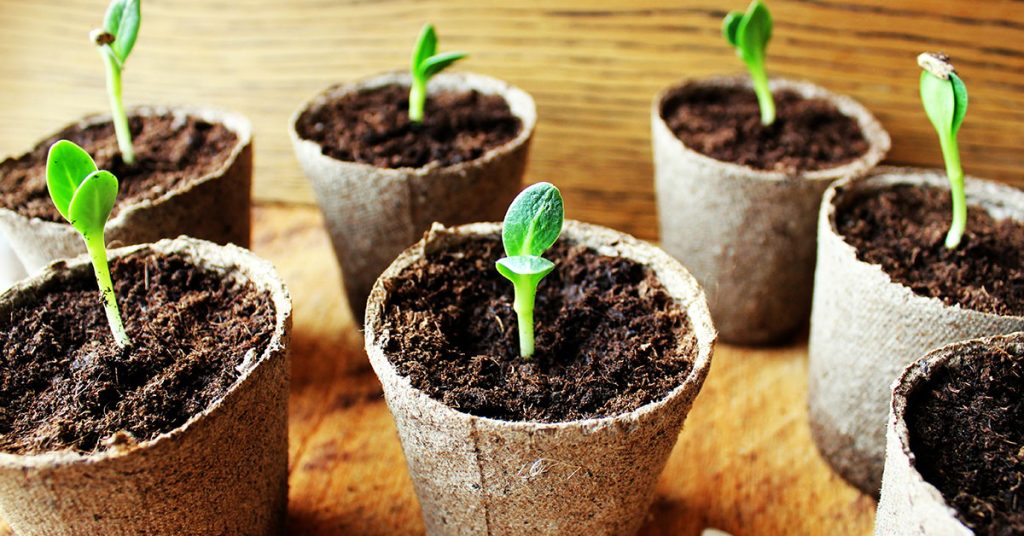
- Indoor Seed Starting: Fill seed trays or small pots with a well-draining seed starting mix. Plant the seeds about 1 inch deep, and keep the soil consistently moist but not waterlogged. Place the trays in a warm location, ideally around 70-85°F (21-29°C). Use a heating mat if necessary to maintain the desired temperature.
- Outdoor Planting: If you choose to sow the seeds directly outdoors, wait until the soil has warmed up and all danger of frost has passed. Prepare the planting area by loosening the soil and adding organic matter to improve drainage and fertility. Create small mounds or hills about 2-3 feet apart, as pumpkins benefit from raised beds for better drainage.
- Sunlight and Spacing: Regal Harvest pumpkins thrive in full sun, so choose a location that receives at least 6-8 hours of direct sunlight per day. Allow ample space for the vines to spread, as they can grow up to 15-20 feet long. Plan for a minimum spacing of 6-8 feet between each plant.
- Soil Requirements: Pumpkins prefer well-draining soil with a pH level between 6.0 and 7.0. Enrich the soil with compost or well-rotted manure before planting to provide essential nutrients. Avoid heavy clay soils that tend to retain water, as this can lead to root rot.
- Watering and Mulching: Keep the soil consistently moist throughout the growing season, especially during dry spells. Water deeply at the base of the plants, avoiding overhead watering to prevent diseases. Apply a layer of organic mulch, such as straw or wood chips, around the plants to retain moisture, suppress weeds, and regulate soil temperature.
- Fertilization: Pumpkins are heavy feeders, so regular fertilization is crucial for optimal growth. Apply a balanced organic fertilizer or compost tea every 2-3 weeks during the growing season. Follow the manufacturer’s instructions for proper application rates.
- Pest and Disease Control: Monitor your plants regularly for common pumpkin pests like aphids, squash bugs, and cucumber beetles. Use organic pest control methods such as handpicking, neem oil sprays, or introducing beneficial insects like ladybugs. Prevent diseases by providing good air circulation, avoiding overhead watering, and practicing crop rotation.
- Harvesting: Regal Harvest pumpkins are ready for harvest when the skin has fully turned orange and the stem begins to dry out. Use a sharp knife or pruning shears to cut the pumpkin from the vine, leaving a few inches of stem attached. Handle them carefully to avoid any damage.
By following these steps, you can successfully grow Regal Harvest pumpkins in your garden. Enjoy the process and the bountiful harvest of these delicious and decorative pumpkins!
When to plant Regal Harvest pumpkin outdoors
The ideal time to plant Regal Harvest pumpkins is in late spring or early summer when the soil temperature has reached a consistent 60-70°F (15-21°C). This usually corresponds to the last frost date in your area. Planting too early, when the soil is still cold, can lead to poor germination and slow growth. It’s important to ensure that the danger of frost has passed before planting pumpkins outdoors.
Growing & care guide
Regal Harvest pumpkins are a popular variety known for their large size, vibrant orange color, and delicious flavor. To ensure a successful harvest, it is important to follow some best practices for caring for these pumpkins. Here are some tips:
- Location: Choose a sunny spot in your garden that receives at least 6-8 hours of direct sunlight daily. Pumpkins thrive in warm temperatures, so ensure the area is well-drained and has good air circulation.
- Soil Preparation: Before planting, prepare the soil by loosening it with a garden fork or tiller. Pumpkins prefer well-draining soil rich in organic matter. Incorporate compost or well-rotted manure to improve fertility and drainage.
- Planting: Sow pumpkin seeds directly into the ground after the last frost date in your area. Create mounds or hills about 2-3 feet apart to provide good drainage. Plant 2-3 seeds per mound, about 1 inch deep. Once the seedlings emerge, thin them to the strongest plant per mound.
- Watering: Pumpkins require consistent moisture, especially during the flowering and fruiting stages. Water deeply, providing about 1-2 inches of water per week. Avoid overwatering, as it can lead to root rot. Mulching around the plants can help retain moisture and suppress weed growth.
- Fertilization: Pumpkins are heavy feeders and benefit from regular fertilization. Apply a balanced, slow-release fertilizer or compost at planting time. Additionally, side-dress the plants with nitrogen-rich fertilizer or compost every 3-4 weeks throughout the growing season.
- Pollination: Pumpkins have separate male and female flowers, and pollination is essential for fruit development. Bees and other pollinators are attracted to the bright yellow male flowers. To ensure successful pollination, gently transfer pollen from the male flowers to the female flowers using a small brush or cotton swab.
- Pest and Disease Control: Keep an eye out for common pumpkin pests like aphids, squash bugs, and cucumber beetles. Regularly inspect the plants and remove any pests by hand or use organic insecticides if necessary. Fungal diseases such as powdery mildew can also affect pumpkins. To prevent these diseases, provide adequate spacing between plants for good air circulation and avoid overhead watering.
- Support and Pruning: As Regal Harvest pumpkins grow, they can become quite heavy. To prevent the fruit from touching the ground and rotting, place a wooden board or straw underneath them. Additionally, pruning the vines can help redirect energy to fruit production. Trim off any excessive side shoots or suckers, but be careful not to remove too much foliage, as it helps protect the fruit from sunburn.
- Harvesting: Regal Harvest pumpkins are ready for harvest when the skin has hardened and turned a deep, consistent orange color. The stem should be dry and slightly corky. Use a sharp knife or pruning shears to cut the stem, leaving a few inches attached to the pumpkin. Handle them carefully to avoid any damage.
By following these best practices, you can ensure healthy and productive Regal Harvest pumpkin plants that will reward you with beautiful, delicious pumpkins come harvest time. Happy gardening!
Harvesting guide
Regal Harvest pumpkins are typically ready for harvest around 85 to 100 days after planting, depending on the specific growing conditions and climate. To determine if your pumpkins are ready for harvest, there are a few signs to look for:
- Check the color: When the pumpkins are fully mature, their skin will have developed a deep, rich orange color. If the pumpkins still have green patches, they are not yet ready for harvest.
- Examine the skin: The skin of a mature Regal Harvest pumpkin should be hard and tough. Gently press your fingernail against the skin, and if it doesn’t puncture easily, it’s a good indication that the pumpkin is ready to be harvested.
- Observe the stem: The stem of a ripe pumpkin should be dry and woody. If it is still green and flexible, the pumpkin is not yet mature.
Once you have determined that your Regal Harvest pumpkins are ready for harvest, follow these steps:
- Use a sharp knife or pruning shears to cut the pumpkin from the vine, leaving about 3 to 4 inches of stem attached. Be careful not to damage the pumpkin or the vine during the process.
- Handle the pumpkins with care to avoid any bruising or injury. Even minor damage can lead to rotting during storage.
- After harvesting, gently wipe off any dirt or debris from the surface of the pumpkin. Do not wash the pumpkin with water, as this can promote rotting.
- Allow the pumpkins to cure in a warm, dry, and well-ventilated area for about 10 to 14 days. This helps to harden the skin and improve their storage life.
- Once cured, store the pumpkins in a cool, dry place with good air circulation. Ideal storage conditions include temperatures between 50 to 55°F (10 to 13°C) and a relative humidity of around 50 to 70%. Check the pumpkins regularly for any signs of rotting or decay, and remove any affected ones to prevent the spread of spoilage.
By following these guidelines, you should be able to harvest and store your Regal Harvest pumpkins successfully. Enjoy the fruits of your labor!