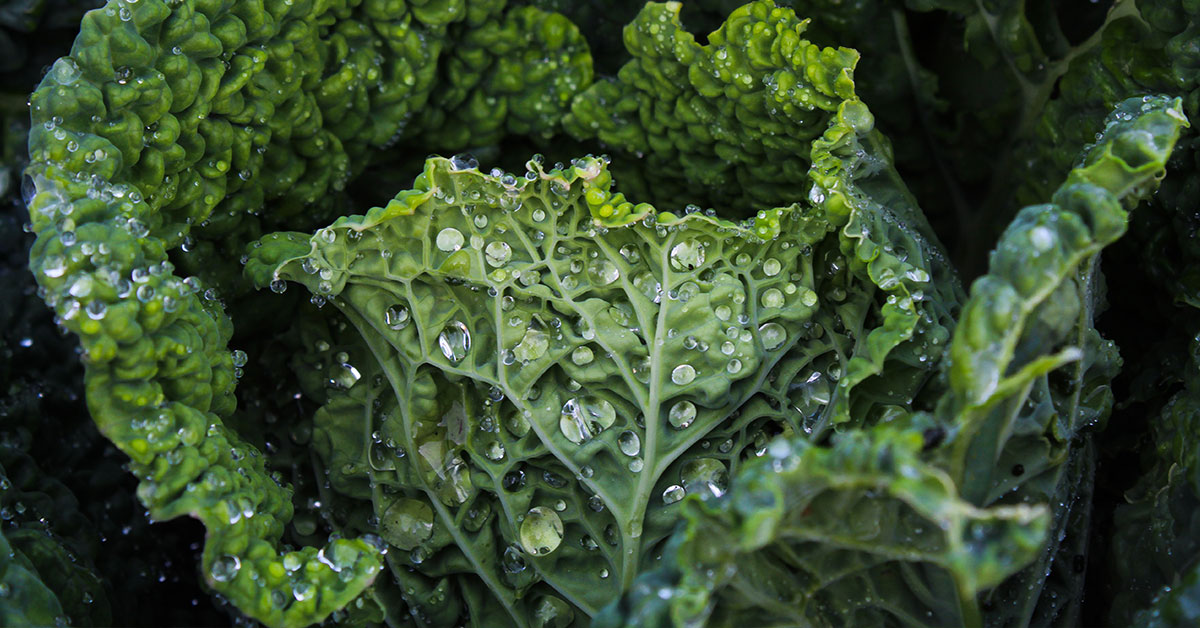

Red Russian Kale is a versatile and nutritious leafy green that has gained popularity among gardeners and health-conscious individuals alike. Red Russian Kale, also known as Ragged Jack Kale or Siberian Kale, is a cool-season crop that belongs to the Brassica family. With its stunning deep purple stems and vibrant green leaves, this variety not only adds a pop of color to your garden but also packs a punch in terms of flavor and nutritional value.
In this article, we will explore everything you need to know about growing, caring for, and harvesting Red Russian Kale, as well as its numerous health benefits and delicious culinary uses. Whether you are an experienced gardener looking to diversify your vegetable patch or a beginner excited to embark on your first gardening journey, this article will provide you with all the information you need to successfully cultivate this remarkable leafy green. So, let’s dive in and discover the wonders of Red Russian Kale!
What is a Red Russian Kale?
Red Russian kale is a popular variety of kale that stands out due to its vibrant, deep purple-red colored leaves. It is a leafy green vegetable that belongs to the Brassica family, which also includes other cruciferous vegetables like broccoli, cabbage, and Brussels sprouts. The leaves of Red Russian kale are frilly and have a slightly wrinkled texture. They grow in loose bunches and can reach a height of about 2 to 3 feet. The plant itself is sturdy and can withstand colder temperatures, making it a suitable choice for fall and winter gardening.
One of the key features of Red Russian kale is its unique coloration. The leaves are a mix of dark green and rich purple-red hues, which intensify as the plant matures. The vibrant red color adds visual appeal to salads, stir-fries, and other dishes, making it a popular choice for both culinary and ornamental purposes.
In terms of flavor, Red Russian kale has a mild and slightly sweet taste compared to other kale varieties. The leaves are tender and have a delicate texture, making them enjoyable to eat raw in salads or lightly cooked in various recipes. They have a nice balance of earthiness and sweetness, with a hint of nuttiness.
Red Russian kale is not only visually appealing but also highly nutritious. Like other kale varieties, it is packed with vitamins A, C, and K, as well as minerals like iron and calcium. It is also a good source of dietary fiber and antioxidants, making it a beneficial addition to a healthy diet.
When growing Red Russian kale, it thrives in well-drained soil and prefers full sun to partial shade. It is a relatively low-maintenance plant that requires regular watering and occasional fertilization. Harvesting can begin when the leaves reach a suitable size, usually around 8 to 10 weeks after sowing the seeds.
Overall, Red Russian kale is a delicious and visually stunning addition to any garden or plate. Its unique color, mild flavor, and nutritional value make it a versatile and popular choice among gardeners and food enthusiasts alike.
What does Red Russian Kale taste like?
Red Russian Kale has a unique and distinct taste that is often described as earthy, slightly sweet, and slightly bitter. It has a milder flavor compared to other kale varieties, making it more palatable for those who may not be accustomed to the strong taste of leafy greens. The leaves have a tender and crisp texture, with a hint of nuttiness. Overall, Red Russian Kale offers a pleasant balance of flavors, making it a popular choice for salads, sautés, and smoothies.
How to start from seed
Starting Red Russian Kale from seeds is a relatively straightforward process. Here’s a step-by-step guide to help you get started:
- Choose the right time: Red Russian Kale can be grown in both spring and fall. It’s best to start your seeds indoors about 4-6 weeks before the last anticipated frost in your area.
- Gather your supplies: You will need Red Russian Kale seeds, seed trays or pots, potting soil, a spray bottle, and a clear plastic cover or plastic wrap.
- Prepare the seed trays: Fill the trays or pots with a quality potting mix, leaving a small space at the top for watering. Avoid using garden soil, as it may contain pests or diseases.
- Sow the seeds: Plant 2-3 seeds per cell or pot, placing them about ¼ inch deep. Gently cover the seeds with a thin layer of soil and lightly press it down.
- Water the seeds: Using a spray bottle, mist the soil until it’s evenly moist but not soaked. Ensure the soil remains consistently moist throughout the germination period.
- Provide warmth and humidity: Red Russian Kale seeds germinate best in a warm and humid environment. Cover the trays or pots with a clear plastic cover or plastic wrap to create a mini greenhouse effect. Place them in a warm location, such as near a heating vent or on top of a seedling heat mat.
- Monitor and maintain moisture: Check the soil moisture regularly and mist it with water as needed to keep it consistently moist. Avoid overwatering, as it may lead to damping-off disease.
- Wait for germination: The seeds usually germinate within 7-14 days. Once the seedlings emerge, remove the plastic cover and place them in a bright location near a window or under grow lights.
- Thin out the seedlings: When the seedlings have grown their first true leaves, thin them out by removing the weaker ones to ensure proper spacing. Leave the healthiest and strongest seedling in each pot or cell.
- Harden off the seedlings: About a week before transplanting the seedlings outdoors, gradually expose them to outdoor conditions. Start by placing them in a sheltered area for a few hours a day, then gradually increase the time and exposure to sun and wind.
- Transplant the seedlings: Once the danger of frost has passed and the seedlings are around 4-6 weeks old, transplant them into your garden or larger containers. Space them about 12-18 inches apart, allowing enough room for the plants to grow.
- Provide ongoing care: This plant prefers well-drained soil and requires regular watering. Ensure they receive at least 6-8 hours of sunlight each day. Mulching around the plants can help retain moisture and suppress weed growth. Monitor for pests and diseases, and take appropriate measures if necessary.
With proper care, your Red Russian Kale plants should thrive and provide you with nutritious and delicious leaves for your culinary creations. Happy gardening!
Planting and growing Red Russian Kale
To plant and grow Red Russian Kale, follow these steps:
- Choose the right time: Red Russian Kale is a cool-season crop, so it’s best to plant it in early spring or late summer. Avoid planting during the hottest months of summer.
- Prepare the soil: Kale prefers well-drained soil rich in organic matter. Amend the soil with compost or well-rotted manure to improve its fertility and drainage. Remove any weeds or rocks from the planting area.
- Sow the seeds: Plant the seeds directly in the ground or start them indoors a few weeks before the last frost date. If starting indoors, use seedling trays or pots filled with seed-starting mix. Plant the seeds ¼ to ½ inch deep and keep them evenly spaced.
- Watering: Keep the soil consistently moist but not waterlogged. Water deeply and regularly, especially during dry spells. Avoid overhead watering to prevent diseases.
- Sunlight exposure: Red Russian Kale thrives in full sun but can tolerate partial shade. Ensure it receives at least 6-8 hours of sunlight each day for optimal growth.
- Thinning: If you planted the seeds directly in the ground, thin the seedlings when they reach a few inches tall. Space them about 8-12 inches apart to give them enough room to grow.
- Mulching: Apply a layer of organic mulch around the plants to help retain moisture, suppress weed growth, and regulate soil temperature.
- Fertilization: Kale plants benefit from regular feeding. Apply a balanced organic fertilizer every 4-6 weeks or use a slow-release fertilizer according to the package instructions.
- Pests and diseases: This plant is generally resistant to pests and diseases. However, keep an eye out for common kale pests like aphids, cabbage worms, and flea beetles. Use organic insecticides or companion planting techniques to deter these pests.
- Harvesting: The leaves can be harvested when they reach a usable size, usually around 8-10 inches long. Start by picking the outer leaves and leave the inner ones to continue growing. Regularly harvesting the outer leaves will encourage new growth and prolong the harvest period.
By following these steps, you should have a successful Red Russian Kale garden and enjoy its nutritious and flavorful leaves throughout the growing season.
When to harvest
The best time to harvest Red Russian Kale is when the leaves are young and tender, usually around 50 to 60 days after planting. You can start harvesting individual leaves when they reach about 6 to 8 inches in length. Avoid waiting too long to harvest, as the leaves can become tough and bitter. Regularly harvesting outer leaves will encourage new growth and a continuous supply of fresh kale throughout the growing season.