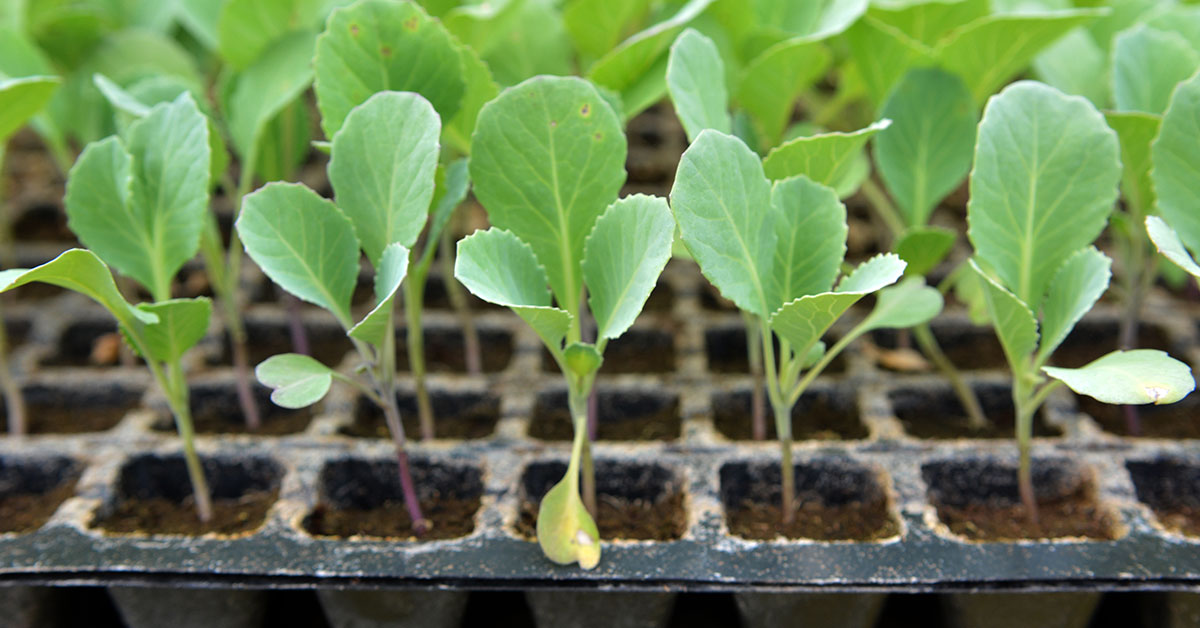

Red cabbage is a vibrant and nutritious vegetable that is as visually stunning as it is delicious. With its deep purple-red leaves and crisp texture, red cabbage adds a pop of color to any garden or plate. But beyond its aesthetic appeal, red cabbage is packed with an array of health benefits. From its high vitamin C content to its powerful antioxidant properties, this versatile vegetable is a must-have in any kitchen.
Whether you are a seasoned gardener or a novice looking to expand your gardening repertoire, this article will provide you with all the information you need to successfully grow, care for, and enjoy the bountiful harvest of red cabbage. So, grab your gardening tools and let’s dive into the wonderful world of red cabbage!
What is a Red Cabbage?
A red cabbage, also known as purple cabbage, is a type of cabbage that belongs to the Brassica oleracea family. It gets its name from the vibrant, deep purple-red color of its leaves. This variety of cabbage is similar to green cabbage in taste and texture but is known for its more robust and slightly sweeter flavor. Red cabbage typically has a round shape with tightly packed leaves that form a compact head. The outer leaves are smooth and shiny, while the inner leaves have a denser texture.
The vibrant red color runs throughout the entire cabbage, making it visually appealing and a popular choice for various culinary purposes. This versatile vegetable is not only known for its appealing appearance but also for its numerous health benefits. Red cabbage is high in nutrients, vitamins, and antioxidants, making it a nutritious addition to any diet. It is an excellent source of vitamin C, vitamin K, dietary fiber, and minerals like potassium and manganese. Red cabbage can be enjoyed raw or cooked.
When consumed raw, it adds a refreshing crunch and vibrant color to salads and slaws. It can also be pickled to create tangy and flavorful condiments. When cooked, red cabbage softens and develops a slightly sweeter taste. It can be braised, sautéed, stir-fried, or added to soups and stews. In addition to its culinary uses, red cabbage can also be used as a natural dye due to its deep color. It is often used to dye fabrics, eggs, or even as a food coloring agent for various dishes.
When growing red cabbage, it requires similar conditions to other cabbage varieties. It prefers cool weather, full sun, and fertile, well-drained soil. Red cabbage is a biennial plant, meaning it completes its life cycle in two years. It is typically harvested when the heads reach a mature size, which is usually around 2-4 pounds (0.9-1.8 kg) in weight.
Overall, red cabbage is a nutritious and visually striking vegetable that offers a range of culinary possibilities. Its distinct flavor and vibrant color make it a popular choice for adding variety and nutritional value to meals.
What does Red Cabbage taste like?
Red cabbage has a distinct, slightly peppery flavor with a subtle sweetness. It is known for its crisp and crunchy texture, making it a popular addition to salads and slaws. When cooked, red cabbage develops a tender texture and the flavor becomes more mellow and earthy. It can be slightly tangy, especially if vinegar or lemon juice is added during cooking. Overall, red cabbage has a refreshing and enjoyable taste that adds both color and flavor to various dishes.
How to start from seed
Starting red cabbage from seed is a fairly straightforward process. Here’s a step-by-step guide to help you get started:
- Selecting seeds: Look for high-quality seeds from a reputable supplier or nursery. Choose a variety that suits your specific growing conditions and preferences.
- Starting indoors: The seeds can be started indoors 4-6 weeks before the last frost date in your area. Fill seed trays or small containers with a good quality seed starting mix, which is lightweight and well-draining.
- Sowing seeds: Plant 2-3 seeds per container, about ¼-½ inch deep. Gently cover the seeds with soil and lightly tamp it down.
- Providing optimal conditions: Place the containers in a warm location with temperatures around 70°F (21°C). Ensure that the seedlings receive at least 6-8 hours of direct sunlight daily or provide supplemental grow lights.
- Watering: Keep the soil consistently moist, but avoid overwatering, as it can lead to fungal diseases. Water the seedlings from the bottom by placing the containers in a tray of water and allowing the soil to soak up the moisture.
- Transplanting: When the seedlings have developed their first set of true leaves and are about 3-4 inches tall, they are ready to be transplanted outdoors. Harden off the seedlings by gradually exposing them to outdoor conditions over a period of 7-10 days.
- Choosing the planting site: Red cabbage thrives in full sun, but it can tolerate partial shade. Select a location with well-draining, fertile soil. Prepare the planting area by loosening the soil and incorporating organic matter.
- Planting: Dig holes for the seedlings that are slightly larger than the root ball. Space the plants about 12-18 inches apart, allowing enough room for them to grow and develop their characteristic large heads.
- Watering and care: After planting, water the seedlings thoroughly and continue to provide regular watering to keep the soil evenly moist. Mulching around the plants helps retain moisture and suppresses weed growth.
- Fertilizing: These plants benefit from regular fertilization. Apply a balanced, slow-release fertilizer according to the package instructions or use organic alternatives like compost or well-rotted manure.
- Pest and disease management: Monitor your red cabbage plants for common pests like cabbage worms, aphids, and slugs. Use organic pest control methods or companion planting techniques to deter pests. Keep an eye out for diseases such as clubroot or black rot, and promptly remove any infected plants to prevent further spread.
- Harvesting: Red cabbage is typically ready for harvest 75-90 days after transplanting. Harvest the heads when they reach their desired size and density. Cut the head at the base, leaving a few outer leaves intact for protection.
Remember to rotate your cabbage crop every year to prevent disease buildup in the soil. With proper care and attention, you can enjoy a bountiful harvest of delicious red cabbage.
Planting and growing Red Cabbage
Planting and growing a red cabbage involves several steps. Here’s a step-by-step guide to help you:
- Choose the right time: Red cabbage is a cool-season crop, so it’s best to plant it in early spring or late summer/early fall, depending on your climate.
- Prepare the soil: Red cabbage prefers well-draining, fertile soil. Amend the soil with compost or well-rotted manure to improve its nutrient content and structure. The pH level should be around 6.0-7.5.
- Start seeds indoors (optional): If you want an early start, you can start seeds indoors about 4-6 weeks before the last expected frost date. Use seed trays or pots filled with seed-starting mix. Keep the soil consistently moist and provide sufficient light.
- Direct sowing: Alternatively, you can sow seeds directly in the garden. Make sure the soil temperature is around 45-75°F (7-24°C) for optimal germination. Sow the seeds about ¼ to ½ inch deep, spaced 12-18 inches apart in rows.
- Watering: Keep the soil consistently moist but not waterlogged. Regular watering is crucial for healthy growth. Aim for about 1 inch of water per week, either through rainfall or irrigation.
- Thinning: Once the seedlings have emerged, thin them to one plant every 12-18 inches. This allows sufficient space for the cabbage heads to develop properly.
- Fertilizing: requires regular feeding to promote healthy growth. Apply a balanced, slow-release fertilizer or side-dress with compost or well-rotted manure every 3-4 weeks during the growing season.
- Pest and disease control: Monitor your plants regularly for common pests like cabbage worms, aphids, and slugs. Use organic insecticides or handpick them if necessary. Preventing cabbage diseases like clubroot and black rot can be achieved by crop rotation and maintaining good garden hygiene.
- Harvesting: Red cabbage generally takes around 80-120 days to mature, depending on the variety. Harvest the heads when they reach their desired size and firmness. Cut the heads from the base of the plant using a sharp knife.
- Storage: After harvesting, remove any loose outer leaves and store the heads in a cool, dry place. They can last for several weeks when stored properly.
By following these steps, you should be able to plant and grow healthy red cabbage in your garden. Good luck!
When to harvest
The best time to harvest a red cabbage is when the heads are fully formed and firm. This usually occurs around 70-90 days after transplanting or 100-120 days after sowing the seeds, depending on the specific variety and growing conditions.
To determine if the cabbage is ready for harvest, gently squeeze the head; it should feel dense and solid. The outer leaves may also begin to crack or split slightly as the cabbage matures. Additionally, the red color of the cabbage should be vibrant and deep.
If you are unsure about the readiness, it is better to wait a little longer rather than harvest too early. Overripe cabbage may become tough and develop a bitter taste.