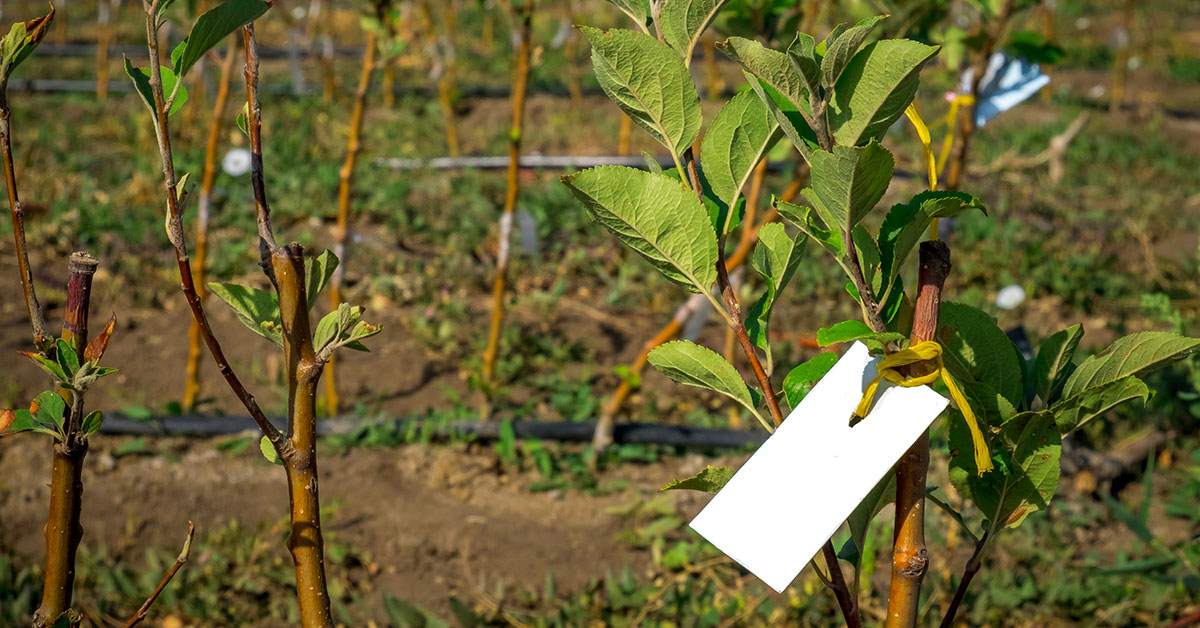

Welcome to the world of Red Bartlett Pears, a delightful and flavorful variety of pear trees that are sure to enhance any garden or orchard. Known for their vibrant red skin and juicy, sweet flesh, Red Bartlett Pears are a favorite among gardeners and fruit enthusiasts alike. In this comprehensive guide, we will explore everything you need to know about successfully growing Red Bartlett Pear trees, from selecting the right planting location to providing optimal care and maintenance.
Whether you are a seasoned gardener or a beginner, this article will equip you with the knowledge and techniques to cultivate healthy, productive Red Bartlett Pear trees and enjoy the bountiful harvest they offer. So, let’s dive in and discover the secrets to growing these luscious pears in your own backyard.
What are Red Bartlett Pears?
Red Bartlett Pear is a popular variety of pear tree known for its vibrant red skin and sweet, juicy flesh. It is a cultivar of the Bartlett pear, which is one of the most widely grown pear varieties in the world. The Red Bartlett Pear tree produces medium to large-sized fruits that are similar in shape to the traditional Bartlett pear, with a rounded bottom and a slightly elongated neck. The skin of the Red Bartlett Pear is smooth and glossy, transitioning from green to a bright red color as it ripens.
The flesh is creamy-white, tender, and succulent, with a sweet and slightly tangy flavor. This pear variety is highly versatile and can be enjoyed fresh, used in cooking, or preserved through canning and baking. The Red Bartlett Pear tree is known for its vigorous growth and is generally easy to cultivate, making it a popular choice for home gardeners and commercial orchards alike.
What do Red Bartlett Pears taste like?
Red Bartlett pears have a delightful and unique flavor profile that sets them apart from other pear varieties. They are known for their sweet and juicy taste, with a hint of tartness. The flavor is often described as rich, aromatic, and slightly floral.
The sweetness of Red Bartlett pears is well-balanced, making them enjoyable to eat fresh or use in various culinary preparations. They have a smooth and buttery texture, which adds to their overall appeal. When fully ripe, the flesh becomes incredibly tender, almost melting in your mouth.
The flavor of Red Bartlett pears can be enhanced when they are allowed to ripen fully on the tree. This allows the sugars to develop fully, resulting in a more intense and complex taste. The skin of Red Bartlett pears is thin and smooth, adding a pleasant texture to the overall eating experience.
Overall, Red Bartlett pears offer a delicious combination of sweetness, juiciness, and a touch of tartness, making them a popular choice among pear enthusiasts and a versatile ingredient in both sweet and savory dishes.
How to start Red Bartlett Pears from seeds
Starting a Red Bartlett Pear tree can be done through grafting or growing from seeds. However, grafting is the preferred method as it ensures the tree will produce the desired variety of fruit. Here is a step-by-step guide on how to start a Red Bartlett Pear tree through grafting:
- Select a healthy Red Bartlett Pear scion: The scion is a small cutting from a mature Red Bartlett Pear tree that will be grafted onto a rootstock. Choose a scion that is about 1/4 to 3/8 inches in diameter and 6 to 8 inches long. Make sure it comes from a disease-free and productive tree.
- Choose a compatible rootstock: The rootstock is the base onto which the scion will be grafted. Select a rootstock that is compatible with pears and suitable for your climate and soil conditions. Consult with a local nursery or extension service to determine the best rootstock for your area.
- Prepare the rootstock: Trim the rootstock to a height of about 12 to 18 inches. Remove any lateral branches or buds from the lower part of the rootstock, leaving only the topmost bud intact.
- Make a grafting cut: Using a sharp grafting knife or pruning shears, make a smooth, slanting cut about 1.5 to 2 inches long on the rootstock, just above the topmost bud. This cut is known as the “whip and tongue” or “cleft” graft.
- Prepare the scion: Trim the scion to a length of about 4 to 6 inches, making a matching slanting cut at the bottom. On the opposite side, make a small vertical cut about 1 inch long, creating a “tongue” shape.
- Insert the scion into the rootstock: Carefully insert the tongue-shaped end of the scion into the cleft cut on the rootstock, ensuring that the cambium layers of both the scion and rootstock align. The cambium layers are the thin, greenish layers just beneath the bark.
- Secure the graft: Use grafting tape or rubber bands to tightly bind the scion and rootstock together. Make sure the binding is firm but not too tight to allow for some growth.
- Protect the graft: Apply grafting wax or a grafting compound to seal the cut surfaces and protect them from drying out or infection. This will help promote successful healing and growth.
- Provide proper care: Place the grafted tree in a protected area, such as a greenhouse or a sheltered spot outdoors. Keep the soil moist but not waterlogged. Provide adequate sunlight and protect the tree from extreme temperatures or harsh weather conditions.
- Monitor and nurture the tree: Regularly check the graft union for signs of healing and growth. Once the graft has successfully taken, continue to care for the tree by providing proper watering, fertilization, and pruning as needed.
Remember, grafting can be a complex process, so it’s recommended to seek guidance from a knowledgeable nursery or horticulturist if you’re new to grafting.
When to plant Red Bartlett Pears outdoors
The ideal time to plant Red Bartlett Pear trees is in late winter or early spring, before the tree starts to break dormancy. This is typically between February and April, depending on your specific climate and location. Planting during this time allows the tree to establish its root system before the onset of hot summer temperatures.
Growing & care guide Red Bartlett Pears
Red Bartlett pears are a popular variety known for their sweet and juicy flavor. To ensure the healthy growth and abundant harvest of Red Bartlett pear trees, it is important to follow some best practices for their care. Here are some guidelines to help you properly care for your Red Bartlett pear tree:
- Planting: Choose a location that receives full sun exposure for at least 6-8 hours a day. Red Bartlett pear trees prefer well-drained soil with a pH level between 6.0 and 7.0. It is advisable to plant the tree in early spring or fall, ensuring that the planting hole is wide and deep enough to accommodate the root system.
- Watering: Adequate watering is essential, especially during the tree’s first few years of growth. Provide deep, thorough watering once a week, ensuring the soil is moist but not waterlogged. During hot and dry periods, increase the frequency of watering to prevent stress on the tree.
- Fertilization: Red Bartlett pear trees benefit from regular fertilization to promote healthy growth and fruit production. Apply a balanced fertilizer, such as a 10-10-10 or 14-14-14, in early spring before new growth begins. Follow the manufacturer’s instructions for the appropriate amount to use based on the size and age of your tree.
- Pruning: Pruning helps maintain the shape and size of the tree, promotes airflow, and encourages fruit production. Prune your Red Bartlett pear tree during the dormant season, preferably in late winter or early spring. Remove any dead, damaged, or diseased branches, as well as any crossing or crowded branches. Aim to maintain an open center or modified central leader shape to allow sunlight to reach all parts of the tree.
- Pest and Disease Control: Red Bartlett pear trees are susceptible to various pests and diseases, including pear psylla, codling moth, fire blight, and powdery mildew. Regularly inspect your tree for any signs of infestation or disease, such as distorted leaves, fruit damage, or oozing cankers. Use organic or chemical treatments as necessary, following the instructions carefully to prevent damage to the tree or fruit.
- Thinning: Red Bartlett pear trees often produce an abundance of fruit, which can lead to smaller and less flavorful pears. To ensure larger and higher-quality fruit, thin the developing fruit when they are about the size of a marble. Leave about 4-6 inches of space between each fruit cluster to allow for proper growth and development.
- Mulching: Apply a layer of organic mulch, such as wood chips or compost, around the base of the tree. Mulching helps retain moisture, suppresses weed growth, and regulates soil temperature. Keep the mulch a few inches away from the trunk to prevent rot or disease.
- Winter Protection: Red Bartlett pear trees are hardy but can still be susceptible to winter damage, especially in colder climates. Protect your tree by wrapping the trunk with tree wrap or burlap to prevent sunscald and frost cracks. Additionally, consider adding a layer of mulch around the base of the tree to insulate the roots.
By following these best practices, you can ensure the health and productivity of your Red Bartlett pear tree. Remember to monitor the tree regularly, provide proper care, and address any issues promptly to enjoy a bountiful harvest of delicious Red Bartlett pears.
Harvesting guide for Red Bartlett Pears
Red Bartlett pears are typically ready to be harvested in late summer or early fall, depending on the specific climate and growing conditions. The best way to determine if the pears are ready for harvest is by checking their color and firmness.
When the pears start to turn a deep red color, it is a good indication that they are nearing maturity. However, color alone is not enough to determine if they are ready to be harvested. Gently press your thumb against the skin of the pear near the stem. If it yields slightly to pressure, it is a sign that the pear is ripe and ready to be picked. Be careful not to press too hard, as this can cause bruising.
To harvest Red Bartlett pears, follow these steps:
- Use a pair of pruning shears or sharp scissors to cut the stem of the pear, leaving a small portion attached to the fruit. Avoid pulling or twisting the pear off the tree, as this can damage the branch or the fruit itself.
- Hold the pear gently in your hand to prevent any bruising or damage. Place it in a basket or a padded container to avoid any unnecessary pressure or jostling.
- Inspect each pear as you harvest them. Discard any pears that show signs of disease, pests, or damage. It is important to only harvest healthy and undamaged fruits.
- After harvesting, it is recommended to store the pears in a cool, dark place with good ventilation. This will help them ripen further and develop their full flavor. Check on them regularly and consume or refrigerate any pears that have fully ripened.
Remember that pears do not all ripen at the same time, so it may be necessary to harvest them in multiple rounds as they reach maturity. By following these guidelines, you can enjoy the delicious taste of Red Bartlett pears at their peak of ripeness.