
Central Indiana has seen unusually dry conditions paired with record-breaking high temperatures this October. A gardener in USDA Hardiness Zone 6a noted how these factors shaped the late-season display in her garden. The result offers a clear snapshot of resilience amid shifting weather patterns.
Weather Sets the Stage
Scarce rainfall and extra warmth arrived just as many plants prepared for their final push of the season. The combination made it difficult to predict which flowers would hold on and which would fade early. Still, a quick survey of the garden revealed several reliable performers that continued despite the stress. The effects appeared most noticeable in moisture-loving varieties, while others seemed to benefit from the cooler nights that followed the heat spikes. This pattern aligns with observations from previous dry periods, though the timing in mid-October added a new layer of uncertainty for fall color.
Front Garden Observations
Near the mailbox, Verbena bonariensis paired with Signet marigolds continued to draw butterflies even after the recent warmth. The combination provided bright spots of color against the drier backdrop. Elsewhere in the front beds, Geranium ‘Rozanne’ held on with scattered blooms, joined by small blue flowers of leadwort and a few roses. Freshly planted pansies added new life, while large mums on the porch stood out as consistent performers that returned from the previous year.
Back Garden and Unexpected Finds
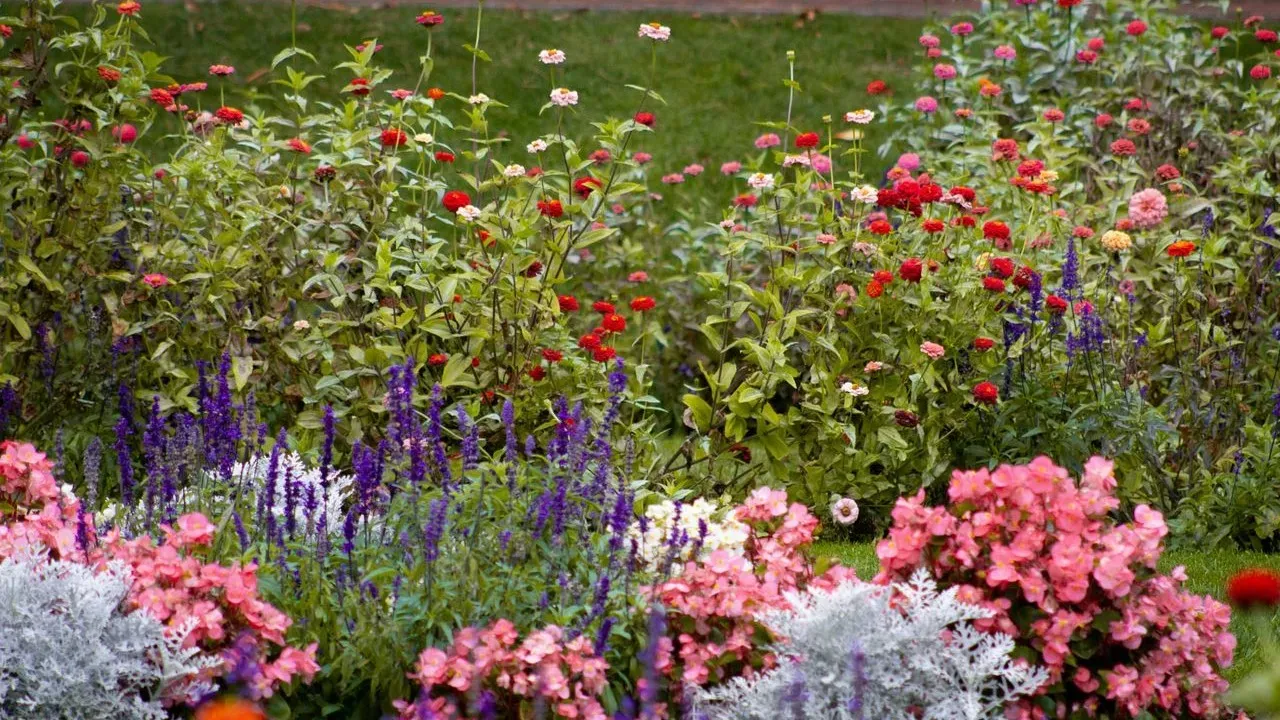
Moving toward the vegetable area, figs on ‘Brown Turkey’ trees ripened, with the flower structures hidden inside the fruit. Nasturtiums responded well once cooler weather returned after the heatwave. A rose that often stages a late surge produced a fresh flush of blooms, a habit noted in prior seasons as well. The broader beds featured Japanese anemones, hardy begonias, toad lilies, asters, fading zinnias, additional marigolds, goldenrod, and fleabane where space allowed. A self-sown viola seedling emerged as a quiet highlight, underscoring how some plants adapt without intervention.
Patterns Across the Years
Comparisons with earlier October reports from the same garden show recurring themes. Asters and mums have appeared consistently, while certain annuals like tomatoes or dahlias featured in some years but not others. The current mix of hardy perennials and self-seeders reflects a garden that has matured over nearly two decades of observation. These yearly snapshots illustrate how individual plants respond to variable conditions rather than following a single trend. The gardener continues to track these changes as part of a long-running monthly record. The experience reinforces a simple truth shared by many who garden through changing seasons: flowers can appear in nearly every month when conditions allow. Readers are invited to share what is blooming in their own spaces this mid-October.
AI Disclaimer: This article was created with the assistance of AI tools and reviewed by a human editor.