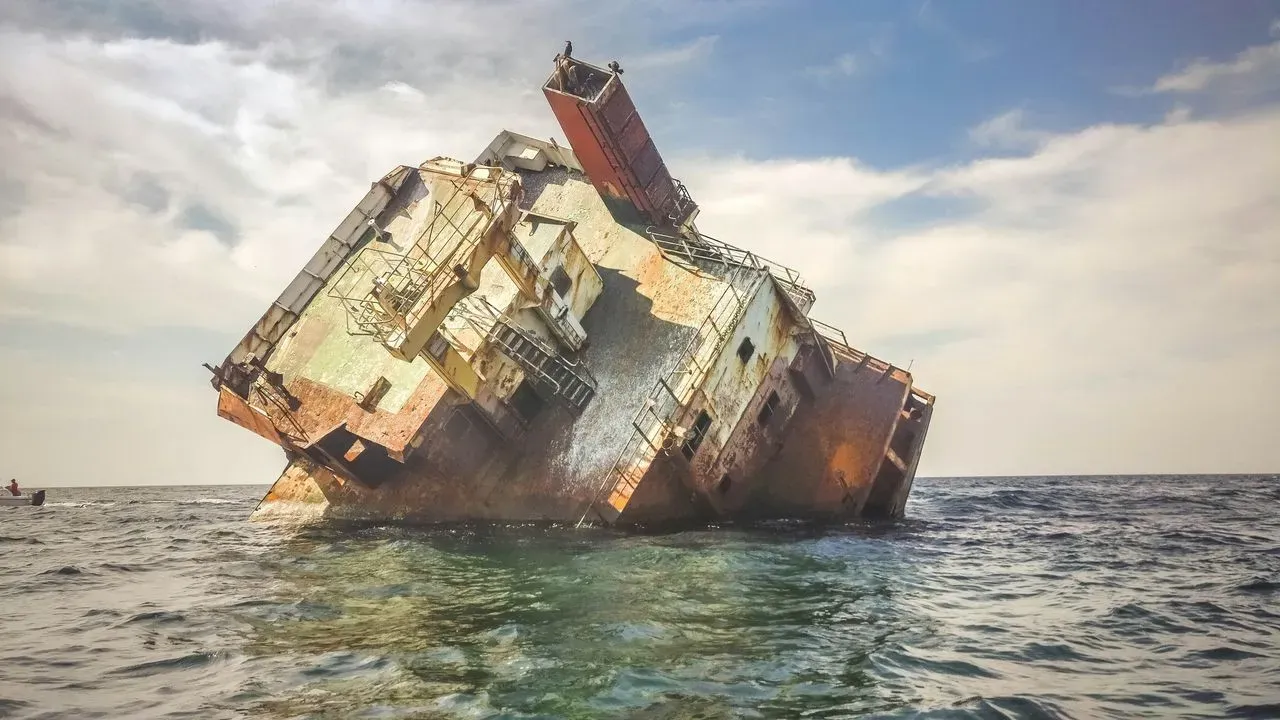

Leaders in Okaloosa County, Florida, moved the sinking up by one day because of weather conditions. ([1]) The S.S. United States, a 1950s ocean liner that spent decades tied up in Philadelphia, is now scheduled to go down on Wednesday as the world’s largest artificial reef. Anyone who wants to follow the final stage can do so online.
From Transatlantic Record Holder to Seabed Habitat
Few retired ships have a résumé like this one. The SS United States, which once held the transatlantic speed record between the United States and Europe at an average speed of more than 41 mph, departed South Philadelphia nearly two weeks ago and was towed by several tugs along the Atlantic Coast and around the southern tip of Florida to Alabama. ([2])
The ship’s time in Alabama was spent on cleanup rather than ceremony. Work to remove hazardous materials from the ship is now complete, and a renewal of the county’s existing permit to create artificial reefs has been authorised by the US Army Corps of Engineers, removing a major regulatory hurdle to the sinking. ([3]) Before the hull goes under, a digital model of the entire vessel has also been produced, preserving a record of its condition.
A Sinking Without Explosives
The method is as notable as the destination. The ship will be sunk without using explosives, because federal environmental and explosives rules prevent Okaloosa County and its contractor from using them to scuttle the ship, according to the county’s spokesperson. ([4]) Crews have also taken the ship’s most recognizable features off the list of what goes down with it. The two funnels will be removed before its sinking and will be placed in an onshore museum, which will also house other artifacts from the ship. ([2])
Some key figures for the project show how much is involved:
| Detail | Figure |
|---|---|
| Length of the vessel | 302 meters, longer than the USS Oriskany reef it will surpass |
| Resting depth | About 180 feet below the surface |
| Distance offshore | About 25 miles off the Florida panhandle |
| Project cost | US$13.5 million |
The resting place was chosen with divers and anglers in mind. When it hits the sand some 180 feet below the surface, the massive ocean liner will become the 21st and largest vessel on the Florida Panhandle Shipwreck Trail, spanning the roughly 150-mile coastline from Pensacola to Port St. Joe. ([5])
Timing Shifts and How to Follow Along
The schedule has already changed once. The ship was originally scheduled to be deployed Thursday morning, but Okaloosa County moved up the timeline to avoid the heavy winds and unsafe weather forecasted for that day. ([6]) Officials have said the timing still depends on conditions at sea.
Deployment operations are set to begin at 2 p.m. Eastern on Wednesday, and officials plan to share a link for the livestream. “Safety is always a top priority in Okaloosa County,” said Okaloosa County Board Chairman Trey Goodwin. Those who want to watch in person can head to Destin, where there will be a live viewing party at AJ’s Seafood and Oyster Bar in Destin, from noon, with a large outdoor screen playing the livestream. ([6])
A New Role for a Famous Hull
Once the ship settles, its purpose shifts from carrying passengers to supporting marine life. The project aims to attract more divers and fishing enthusiasts to the area while creating a home for tuna, marlin and swordfish. ([4])
The land-based museum will carry the ship’s story forward. As the county has put it, “We are proud to continue the story of this historic vessel as an artificial reef along with the land-based museum.” ([2]) For a liner that once raced the Atlantic, the new chapter is a quieter one, measured in coral, fish and the divers who descend to find her.
AI Disclaimer: This article was created with the assistance of AI tools and reviewed by a human editor.