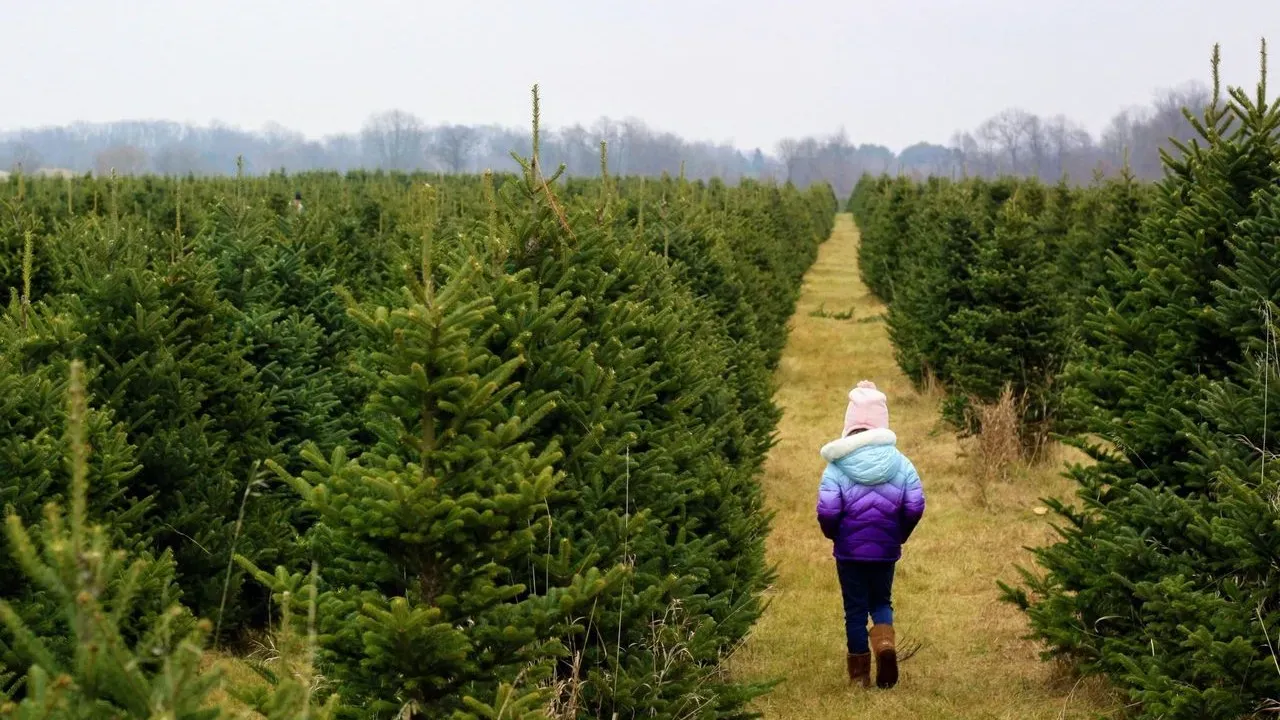

Tree farms are entering the busiest weeks of the year, and many shoppers are wondering whether the cost of a fresh tree will rise along with everything else. The early signals suggest it will not. Growers and industry groups say prices for real Christmas trees should stay close to last season’s levels, which may give families a welcome break after a year of higher expenses ([1]).
Growers are absorbing costs instead of passing them on
Fuel prices have climbed this year, yet sellers still expect tree prices to match last season, with some trees starting around $90 ([2]). Industry data points in the same direction. The Real Christmas Tree Board’s 2026 outlook found that 91% of surveyed wholesale growers have no plans to raise prices, and some may even lower them. That share is up from 84% a year earlier ([3]).
At the Buckendorf Family Tree Farm in Salem, Oregon, Jake Buckendorf said the operation is keeping both wholesale and retail prices at last year’s levels ([4]). Oregon is among the states that grow the most Christmas trees, which makes its farms a useful barometer for the wider market.
Supply is strong and buyers are arriving sooner
Marsha Gray, executive director of the Real Christmas Tree Board, described the current moment in clear terms. “We are really at a high peak of tree availability,” she said. She tied that abundance to affordability, arguing that steady wholesale prices should keep trees within reach for families ([4]).
Demand is also arriving earlier. Leslie Buckendorf noted that more people are picking out their trees ahead of the usual rush, a change she called a pleasure for the farm to accommodate. The Board’s forecast rests on a survey of 47 wholesale growers, who together supply between half and two-thirds of the country’s real trees ([5]).
What shoppers are likely to pay at the lot
A recent review of posted prices offers a clearer picture of what buyers may see. Among hundreds of choose and cut farms, those that charge by height typically land near $12 per foot. For a 7-foot tree, that works out to about $84, though the average among those farms was closer to $91 ([6]). Farms that sell at a single flat rate, regardless of size, have a median price of roughly $80 ([6]).
These figures are a snapshot, not a guarantee. Retailers set the final price, and the Board notes that what a consumer pays can vary from one seller to the next ([3]). Buyers appeared satisfied with their purchases last season. In a holiday consumer survey, 91% of people who bought a real tree said the price was worth it, and 56% said they paid less than they expected ([5]).
Artificial trees follow a different path, and a few steps help
Artificial trees are telling a different story. According to the American Christmas Tree Association, prices for those trees have risen between 10% and 15% over the past two seasons ([1]). Tariffs and higher diesel costs have been identified as the main drivers, while domestically grown real trees face less exposure to tariff pressure ([7]).
What matters now for shoppers
- Visit early, since tree farms report more people arriving before the peak weeks.
- Check posted prices, which often depend on height, species, or a flat rate.
- Remember that wholesale stability does not fix the final price, which each seller sets.
Third-generation grower Ashley Ahl advised shoppers to prepare before heading to a farm or stand ([4]). For families planning a fresh tree this year, that advice may matter as much as the prices themselves. The season looks steadier than many expected, and a little planning should help buyers take full advantage of it.
AI Disclaimer: This article was created with the assistance of AI tools and reviewed by a human editor.