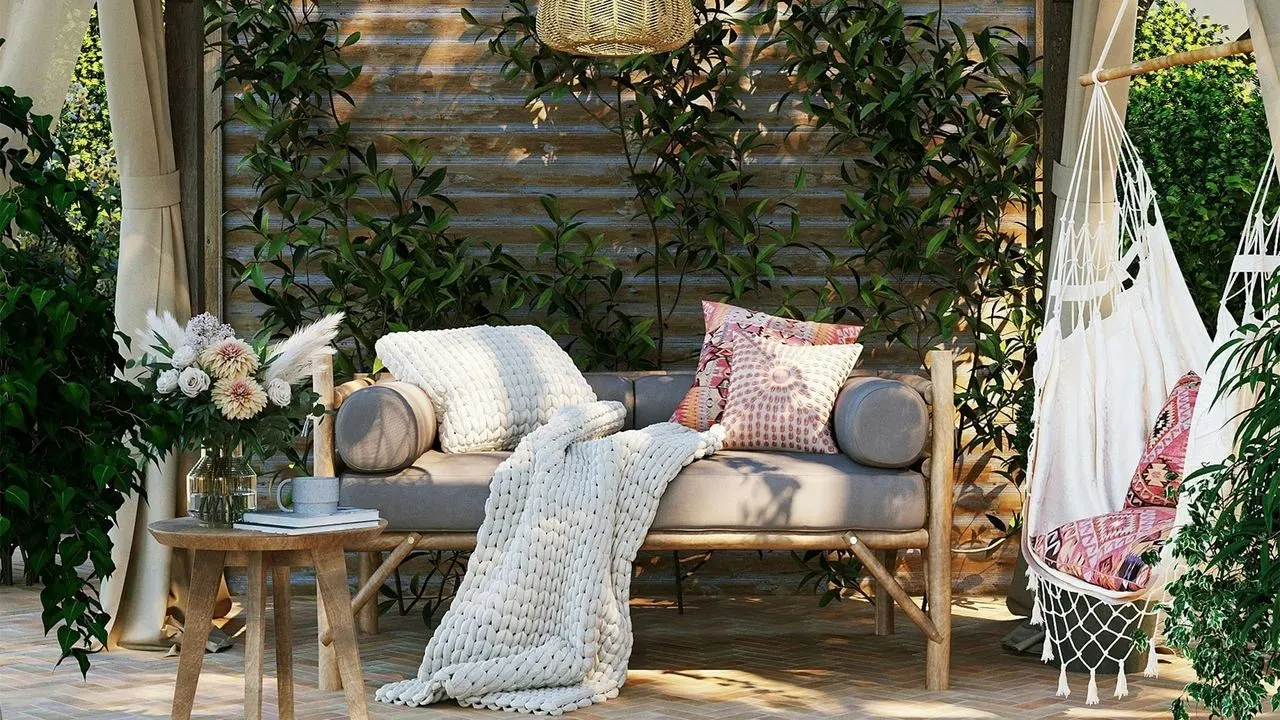

A pergola offers shelter and structure, yet many remain underused because the furniture inside feels mismatched or uncomfortable. The right rattan garden furniture changes that dynamic, turning an open framework into a genuine outdoor living space that invites daily use. Choosing pieces that respect the pergola’s proportions, weather exposure, and intended activities makes the difference between a decorative feature and a functional extension of the home.
Why Rattan Suits Covered Outdoor Spaces
Rattan brings a softer texture and relaxed appearance that complements the open sides and overhead beams of most pergolas. Unlike rigid metal or heavy timber, it creates seating that feels approachable while still standing up to British weather when made from synthetic materials. Homeowners often notice how rattan weaves catch light differently throughout the day, adding subtle warmth without overwhelming the structure.
This material also pairs well with cushions that encourage longer stays for reading, meals, or conversation. The key lies in selecting sets designed for partial shelter rather than fully exposed patios. Synthetic rattan on powder-coated aluminium frames resists moisture and rust better than natural alternatives, which rarely hold up long term outdoors.
Matching Scale and Layout to the Structure
Measuring the usable area between pergola posts comes first, because oversized corner sofas can quickly make the space feel cramped. Allow room for movement around the furniture and for chairs to pull out comfortably at dining sets. A modular lounge arrangement often works better than a single large piece, letting owners adjust the layout for different occasions.
Compact dining sets suit families who eat outdoors regularly, while conversation-focused sofas fit spaces meant mainly for relaxing. Colour choices matter too. Grey tones blend with modern aluminium frames and porcelain paving, whereas warmer beige or brown finishes suit timber pergolas and traditional planting schemes. The goal remains visual balance so the furniture enhances rather than dominates the defined area.
Practical Details That Protect Comfort
Weather resistance extends beyond the frame to cushions and covers. Removable cushion covers simplify cleaning, yet most still require indoor storage during heavy rain or winter. Breathable outdoor covers provide extra protection when the set sits unused. Access for delivery and assembly deserves attention before purchase, especially if paths or gates limit large box sizes.
Checking full dimensions, including any reclining or extending elements, prevents surprises once the furniture arrives. Airflow and shade also influence long-term satisfaction. Even under a pergola, side-blown rain and strong sunlight can affect materials over time, so choosing outdoor-rated pieces reduces maintenance demands.
- Measure internal space between posts before ordering.
- Prioritise synthetic rattan on aluminium frames for durability.
- Plan for cushion storage and protective covers.
- Match weave colour to paving, decking, and pergola finish.
- Allow clearance for chairs and everyday movement.
Turning the Space Into Everyday Outdoor Living
Once the furniture fits comfortably and withstands the elements, the pergola shifts from occasional feature to reliable room. Morning coffee, evening drinks, and family meals all become easier when seating feels inviting and proportions feel right. Coordinated accessories such as planters or simple lighting can further tie the area to the rest of the garden without cluttering the core arrangement. The result is a space that feels finished and welcoming rather than merely furnished. Owners who invest time in these choices often find their pergola used far more frequently, extending comfortable living outdoors through more of the year.
AI Disclaimer: This article was created with the assistance of AI tools and reviewed by a human editor.