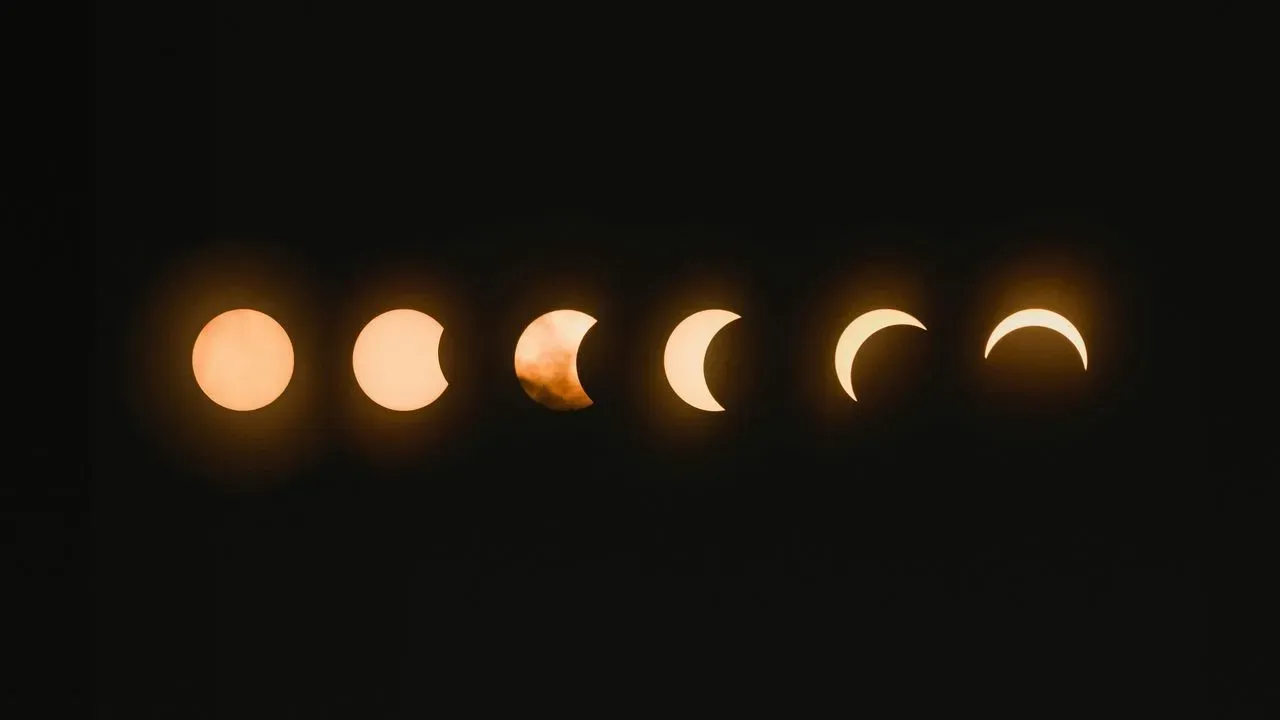

Skywatchers across much of the United States will soon witness a striking celestial event as Earth’s shadow sweeps across nearly the entire face of the full moon. The deep partial lunar eclipse arrives overnight on August 27 and 28, bringing the moon to within a narrow margin of total darkness. This alignment offers a rare chance to observe the kind of dramatic shading usually reserved for total eclipses.
Why the Event Draws Special Attention
Partial lunar eclipses happen several times each year, yet few reach the depth of this one. At maximum, 96.3 percent of the moon’s visible surface will fall inside Earth’s central shadow. Only a thin crescent will remain in sunlight, creating views that closely resemble those of a total eclipse.
The eclipse belongs to Saros cycle 138, a series that repeats every 18 years, 11 days and 8 hours. The previous occurrence in the cycle took place in 2008, and the next is not expected until 2044. Astronomers note that such deep partial events remain uncommon enough to stand out among the dozens of lunar eclipses forecast for the coming decade.
What Viewers Will Actually See
The show begins with a gradual dimming as the moon enters the lighter outer shadow. Once the darker central shadow advances, a distinct “bite” will appear to grow across the lunar disk. Near peak, the shadowed portion may take on reddish or copper tones as sunlight filters through Earth’s atmosphere and bends toward the moon.
The same atmospheric scattering that produces red sunsets on Earth produces this effect on the lunar surface. Observers who allow their eyes to adjust to the dark often notice the color become more pronounced. The remaining sliver of sunlight will stand out sharply against the darkened moon.
When and Where the Eclipse Appears
Maximum eclipse occurs at 4:13 a.m. UTC on August 28. That translates to the following local times across the United States:
- 12:13 a.m. EDT on August 28
- 11:13 p.m. CDT on August 27
- 10:13 p.m. MDT on August 27
- 9:13 p.m. PDT on August 27
Clear skies will greet viewers from the West Coast through the East Coast and into parts of the South. Cities such as Los Angeles, Portland, New York, and Jacksonville all sit in favorable positions. The event will also be visible across most of South America and portions of western Europe and western Africa.
How to Watch Without Special Gear
No protective filters or eclipse glasses are required. The moon can be viewed safely with the naked eye from any location that offers an unobstructed view of the sky. Light pollution reduces contrast, so darker sites improve the experience, yet the eclipse remains visible even from many urban areas.
Binoculars or a small telescope can reveal finer details on the lunar surface as the shadow crosses craters and plains. Weather remains the main variable; clear conditions will deliver the best results. Those who miss the live view can follow online streams scheduled from multiple observing sites around the world. The coming nights therefore offer a straightforward opportunity to watch one of the more impressive lunar events of recent years unfold overhead.
AI Disclaimer: This article was created with the assistance of AI tools and reviewed by a human editor.