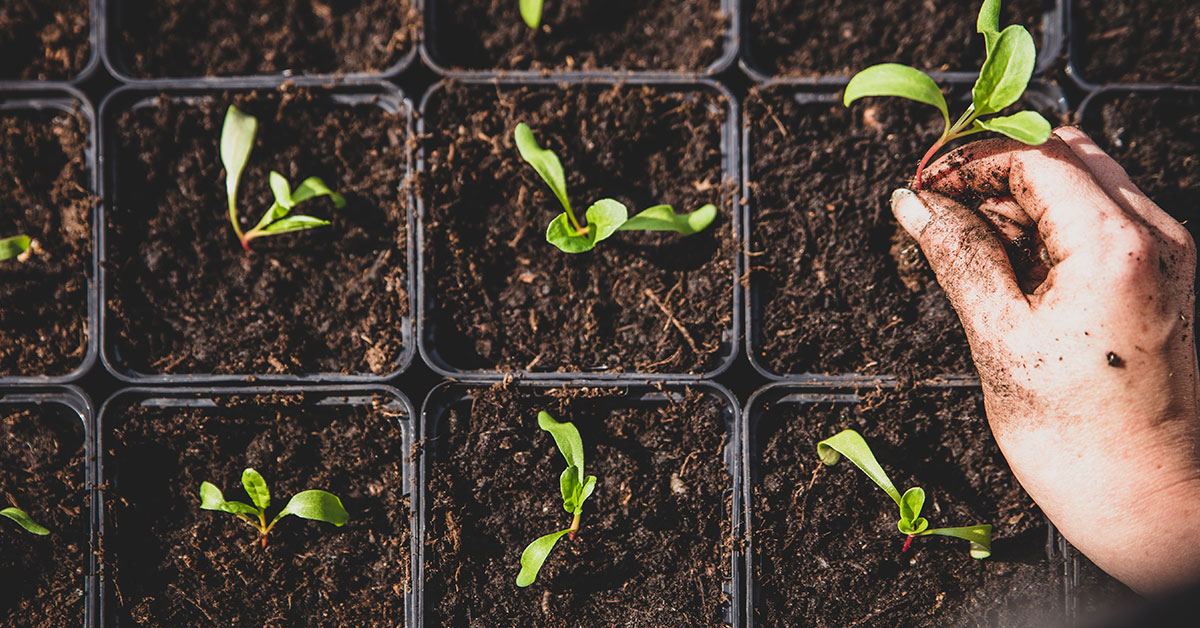

Rainbow Chard is a vibrant and versatile vegetable that is sure to bring a burst of color and flavor to your garden and kitchen. With its stunning array of brightly colored stems in shades of red, orange, yellow, and pink, and its rich green leaves, Rainbow Chard is not only a joy to behold, but also a nutritious addition to your meals.
Whether you are a seasoned gardener looking to diversify your crops or a beginner seeking an easy-to-grow plant, this article will provide you with all the information you need to successfully cultivate and enjoy the bountiful harvests of Rainbow Chard. From planting and care tips to culinary inspiration, get ready to embark on a journey of culinary and horticultural delight with this remarkable leafy green.
What is a Rainbow Chard?
Rainbow chard, also known as Swiss chard, is a leafy green vegetable that is highly nutritious and visually appealing. It belongs to the same family as beets and spinach and is known for its vibrant, rainbow-colored stems and veins. The leaves of rainbow chard are large and glossy, with a slightly bitter taste. They can range in color from deep green to vibrant red, yellow, orange, and even pink. The stems are thick and crunchy, and they come in various colors, adding a beautiful pop of color to any dish.
This versatile vegetable is packed with vitamins, minerals, and antioxidants. It is an excellent source of vitamins A, C, and K, as well as iron, magnesium, and potassium. Rainbow chard is also high in dietary fiber, making it beneficial for digestion and promoting a healthy gut. When it comes to cooking, rainbow chard offers a wide range of possibilities. The leaves can be sautéed, steamed, or used as a substitute for spinach in recipes. The stems are edible too and can be cooked separately or added to stir-fries, soups, or stews.
The colorful stems also make a striking addition to salads or can be pickled for added flavor. When buying rainbow chard, look for crisp, vibrant leaves and stems without any wilting or browning. It is best to store it in the refrigerator, wrapped in a damp paper towel or in a plastic bag, to keep it fresh for longer. Whether you are a seasoned gardener or a beginner, growing rainbow chard in your garden is relatively easy. It thrives in well-drained soil and prefers full sun or partial shade.
Sow the seeds directly in the garden or start them indoors and transplant them once they have developed a few leaves. Regular watering and occasional fertilization will help the plants grow strong and healthy. Overall, rainbow chard is a nutritious and visually striking addition to any garden and kitchen. Its versatility in cooking and health benefits make it a popular choice among gardeners and food enthusiasts alike.
What does Rainbow Chard taste like?
Rainbow chard, also known as Swiss chard, is a leafy green vegetable with colorful stalks and dark green leaves. When it comes to taste, rainbow chard offers a unique and delicious combination of flavors.
The stalks of rainbow chard have a mild, slightly earthy taste with a hint of sweetness. They are tender and crisp, similar to celery but with a slightly more robust texture. The stalks come in various vibrant colors, including red, yellow, orange, and white, which add a visually appealing aspect to any dish.
The leaves of rainbow chard have a slightly bitter and mineral-like taste, reminiscent of spinach or kale. They have a tender and smooth texture, making them a great addition to salads, stir-fries, or sautés. The bitterness is not overpowering and can be balanced out with other ingredients or cooking methods.
When cooked, rainbow chard takes on a more mellow and savory flavor. The stalks become softer and sweeter, while the leaves wilt down and develop a rich, hearty taste. Cooking methods like steaming, sautéing, or braising help to retain the flavors and textures of rainbow chard while reducing the bitterness.
Overall, rainbow chard offers a delightful combination of sweet and earthy flavors with a hint of bitterness. Its versatility allows it to be incorporated into various dishes, adding both visual appeal and a unique taste to your meals.
How to start from seed
Starting Rainbow Chard from seed is a relatively simple process. Here’s a step-by-step guide to help you get started:
- Choose the right time: Rainbow Chard is a cool-season crop, so it’s best to start the seeds indoors about 4-6 weeks before the last expected frost in your area. You can also direct sow the seeds in the garden once the soil has warmed up in early spring.
- Gather the supplies: You’ll need a seed tray or small pots, potting soil, seeds, and a spray bottle for watering.
- Prepare the seed tray or pots: Fill the tray or pots with a good quality seed starting mix. Moisten the soil lightly with water, making sure it’s evenly moist but not waterlogged.
- Sow the seeds: Plant the seeds about ¼ inch deep in the soil, spacing them 2-3 inches apart. You can sow multiple seeds in each cell or pot and thin them later if needed.
- Provide proper conditions: Place the seed tray or pots in a warm location with temperatures around 60-70°F (15-21°C). It’s important to provide consistent moisture, so mist the soil surface with water from a spray bottle whenever it feels dry to the touch.
- Germination: Rainbow Chard seeds typically germinate within 7-14 days. Once the seedlings emerge, provide them with sufficient light. A bright, sunny window or a grow light placed a few inches above the seedlings will help them grow strong.
- Transplanting: When the seedlings have developed their second set of true leaves, they are ready to be transplanted into larger pots or directly into the garden. If transplanting outdoors, make sure the soil has warmed up and there is no more risk of frost.
- Hardening off: Before transplanting seedlings into the garden, it’s important to harden them off. This involves gradually exposing them to outdoor conditions by placing them outside in a sheltered location for a few hours each day, gradually increasing the time over a week or so.
- Planting in the garden: Choose a sunny location with well-draining soil for your Rainbow Chard. Space the transplants about 12-18 inches apart, with rows spaced 18-24 inches apart. Plant them at the same depth they were in their original pots.
- Care and maintenance: Keep the soil consistently moist but not waterlogged throughout the growing season. Mulching around the plants can help retain moisture and suppress weed growth. Regularly harvest outer leaves to encourage continuous growth.
By following these steps, you should be able to successfully start your own Rainbow Chard plants and enjoy a bountiful harvest. Good luck!
Planting and growing Rainbow Chard
Planting and growing Rainbow Chard is a relatively simple process. Here are the steps to successfully grow it:
- Choose the right time: Rainbow Chard is a cool-season crop, so it’s best to plant it in early spring or late summer. Make sure the soil temperature is above freezing and the threat of frost has passed.
- Select a suitable location: Rainbow Chard prefers full sun but can tolerate some partial shade. Choose a spot in your garden that receives at least 6-8 hours of direct sunlight per day.
- Prepare the soil: Chard grows well in a well-draining, fertile soil. Before planting, remove any weeds and loosen the soil using a garden fork or tiller. Incorporate organic matter such as compost or aged manure to improve the soil’s fertility and structure.
- Sow the seeds: Plant Rainbow Chard seeds directly in the garden bed. Create furrows about ½ inch deep and space them 12-18 inches apart. Place the seeds about 1 inch apart within the furrows. Cover the seeds with soil and gently firm it down.
- Watering: Keep the soil consistently moist but not waterlogged. Water the newly planted seeds gently to avoid washing them away. Once the seedlings emerge, water them deeply once a week, providing about 1 inch of water. Adjust watering frequency based on weather conditions and soil moisture levels.
- Thinning: When the seedlings are about 2-3 inches tall, thin them out to provide enough space for the remaining plants to grow. Thin the plants to a spacing of 6-8 inches apart to allow them room to develop fully.
- Fertilization: Apply a balanced fertilizer, such as a 10-10-10, according to the package instructions. Apply the fertilizer when the plants are about 4-6 inches tall and repeat every 4-6 weeks throughout the growing season.
- Mulching: Applying a layer of organic mulch around the plants can help retain moisture, suppress weeds, and regulate soil temperature. Use straw, wood chips, or compost as mulch, ensuring it is placed a few inches away from the base of the plants.
- Harvesting: Rainbow Chard can be harvested when the leaves are about 6-8 inches long. To harvest, cut the outer leaves at the base of the plant, leaving the inner leaves to continue growing. Regular harvesting will encourage new growth and extend the harvest period.
- Pest and disease management: Monitor your plants regularly for common pests like aphids, slugs, and leaf miners. Apply organic pest control methods such as handpicking or using insecticidal soap if necessary. Proper spacing, good airflow, and regular watering can help prevent diseases like powdery mildew.
By following these steps, you should be able to successfully plant and grow Rainbow Chard in your garden. Enjoy your harvest of colorful and nutritious greens!
When to harvest
The best time to harvest Rainbow Chard is typically when the leaves are young and tender, but have reached a decent size. This is usually around 8-12 weeks after planting, depending on the variety and growing conditions. You can start harvesting individual outer leaves when they are around 6-8 inches long, or you can choose to harvest the entire plant by cutting it off at the base. Regular harvesting will encourage the plant to produce more leaves, so you can enjoy a continuous harvest throughout the growing season.