

Winter can be a challenging time for gardeners, as frost and freezing temperatures threaten the hard work you’ve put into your outdoor space. It’s incredibly frustrating to see your plants suffer or even perish due to unexpected cold snaps. But fear not! With the right techniques, you can shield your garden from the harsh winter elements and ensure that your plants survive and thrive come spring. Understanding how to protect your garden effectively is key to maintaining its beauty and productivity throughout the colder months.
In this article, I’m excited to share a variety of proven methods to prevent frost and freeze damage in your garden. From natural barriers and mulching to innovative structures and strategic plant selection, these techniques will help you safeguard your beloved plants against the winter chill. Whether you’re a seasoned gardener or just starting out, these tips will empower you to keep your garden vibrant and healthy, even when the temperatures drop. Let’s dive into these effective frost and freeze prevention strategies and keep your garden flourishing all winter long!
Utilizing Frost Blankets and Covers

One of the most effective ways to protect your plants from frost and freezing temperatures is by using frost blankets or covers. These lightweight fabrics act as a barrier, trapping heat and shielding plants from the cold air. Frost blankets are especially useful for tender plants like tomatoes, peppers, and herbs that aren’t frost-hardy. Originating from agricultural practices, these covers are designed to be breathable, allowing light and moisture to penetrate while keeping the frost at bay. It’s a relief to see your delicate plants survive a sudden frost without any damage!
Applying frost blankets is straightforward, but timing is crucial. It’s best to cover your plants in the evening before temperatures drop and remove the blankets during the day to allow sunlight to reach the plants. This technique not only protects against frost but also helps retain soil moisture, reducing the risk of dehydration during winter. Additionally, frost blankets are not considered invasive, making them a safe and eco-friendly option for any garden. I find that using these covers is a simple yet highly effective way to ensure that my plants stay healthy and vibrant, even in the coldest nights!
Building Cold Frames

Cold frames are fantastic tools for providing a sheltered environment for your plants during the winter months. Essentially, a cold frame is a transparent-roofed enclosure that traps solar energy, creating a microclimate that protects plants from frost and extreme cold. Native to Europe, cold frames have been used for centuries to extend the growing season and nurture frost-sensitive plants. They are particularly beneficial for hardy vegetables like lettuce, spinach, and kale, as well as perennials that need a bit of extra warmth to survive the winter.
Constructing a cold frame is relatively simple and can be customized to fit your garden’s needs. Typically made from wood or stone with a glass or plastic cover, cold frames can be built to any size, allowing you to protect a large area or individual plants as needed. The enclosed space not only shields plants from frost but also encourages early budding and faster growth in spring. By investing time in building and maintaining a cold frame, you create a versatile and reliable method for keeping your garden’s treasures safe and ready to thrive when the weather warms up again!
Applying Mulch for Insulation
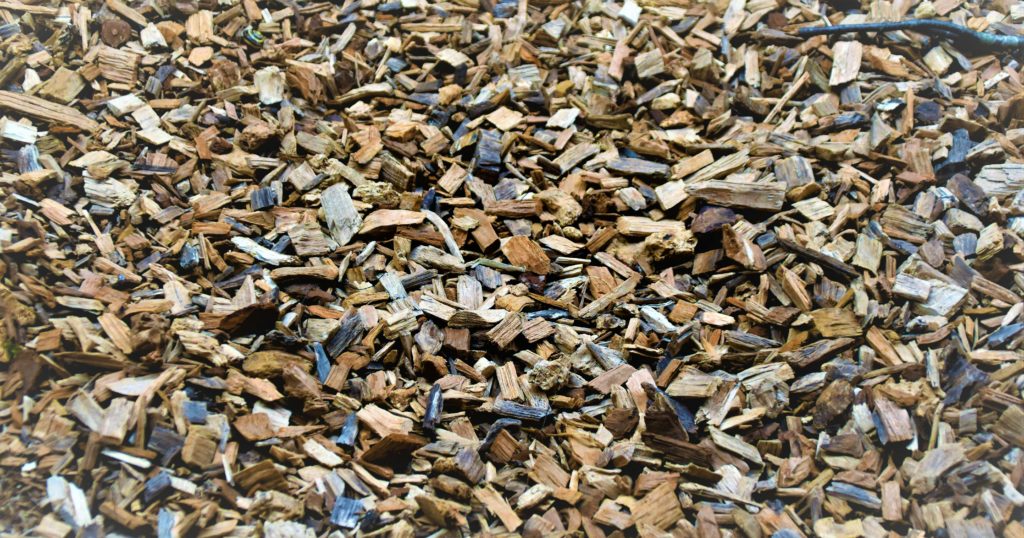
Mulching is a fundamental technique for insulating your garden against frost and freeze damage. Applying a thick layer of mulch around the base of your plants helps regulate soil temperature, retaining warmth during cold nights and preventing sudden temperature drops that can harm roots. Organic mulches like straw, shredded leaves, and composted bark are excellent choices, as they not only provide insulation but also enrich the soil as they decompose. Native to various regions, these mulches are sustainable and integrate seamlessly into your garden’s ecosystem.
One of the biggest advantages of mulching is its ability to conserve soil moisture, which is crucial during winter when watering can be more challenging. By maintaining consistent moisture levels, mulch prevents the soil from drying out and protects plant roots from freezing. Additionally, mulching suppresses weed growth, reducing competition for nutrients and space. I’ve noticed that well-mulched gardens are not only more resilient to frost but also healthier overall, with stronger root systems and more vibrant foliage. Incorporating a generous layer of mulch is a simple yet highly effective way to safeguard your garden through the winter months!
Installing Windbreaks
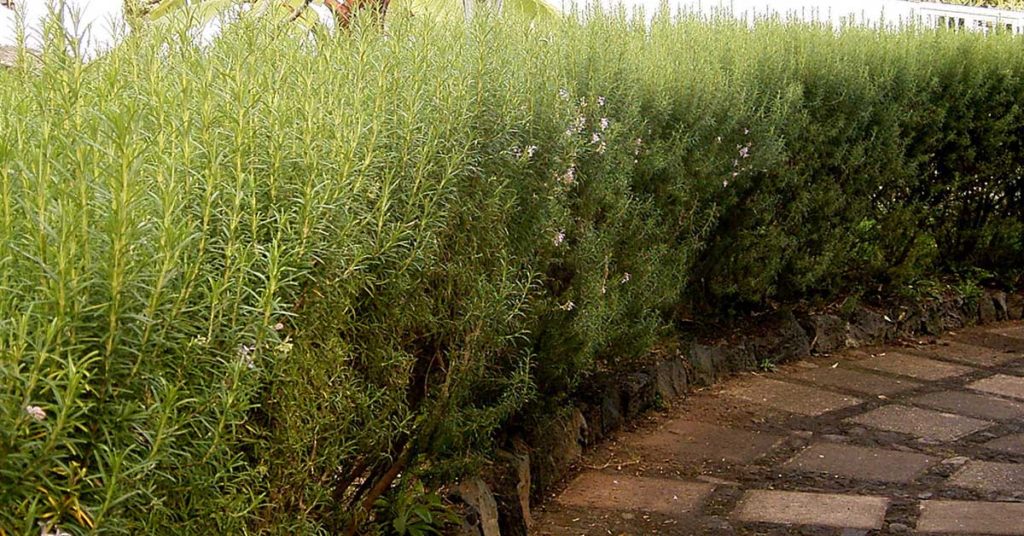
Windbreaks are essential for protecting your garden from cold winter winds, which can exacerbate frost and freeze conditions. By reducing wind speed around your plants, windbreaks help maintain a more stable and warmer microclimate, preventing moisture loss and minimizing physical damage from gusts. Common windbreak materials include sturdy fences, hedges, and even rows of evergreen shrubs that act as natural barriers. Native windbreak species, such as arborvitae, juniper, and holly, are excellent choices as they are adapted to local climates and provide year-round protection without being invasive.
Strategically placing windbreaks around the perimeter of your garden or specific vulnerable areas can significantly enhance frost protection. It’s important to position windbreaks on the prevailing wind side to maximize their effectiveness. Additionally, incorporating a mix of plant heights and densities ensures comprehensive coverage and reduces wind tunnel effects. Not only do windbreaks protect your plants, but they also add structural beauty and interest to your garden. I find that well-placed windbreaks make a noticeable difference in keeping my plants cozy and reducing the overall impact of harsh winter winds!
Utilizing Greenhouses

Greenhouses are powerful allies in protecting your garden from frost and freezes, providing a controlled environment where plants can thrive despite external weather conditions. Originating from ancient civilizations, greenhouses have evolved into sophisticated structures that offer optimal growing conditions by maintaining warmth and humidity. They are ideal for cultivating a wide range of plants, including tropical species, vegetables, and flowers that are sensitive to cold temperatures. Native greenhouses are typically designed with materials like glass or polycarbonate panels that allow ample sunlight to penetrate while insulating against the cold.
The primary benefit of a greenhouse is its ability to extend the growing season, allowing you to start planting earlier in the spring and continue harvesting later into the fall. During winter, the controlled environment protects plants from frost, reduces the need for additional coverings, and provides a consistent temperature that promotes healthy growth. Additionally, greenhouses can attract beneficial insects and pollinators, enhancing your garden’s ecosystem. I love the versatility and efficiency that greenhouses bring to winter gardening, making it possible to enjoy a diverse and productive garden year-round!
Using Cloches and Plant Covers
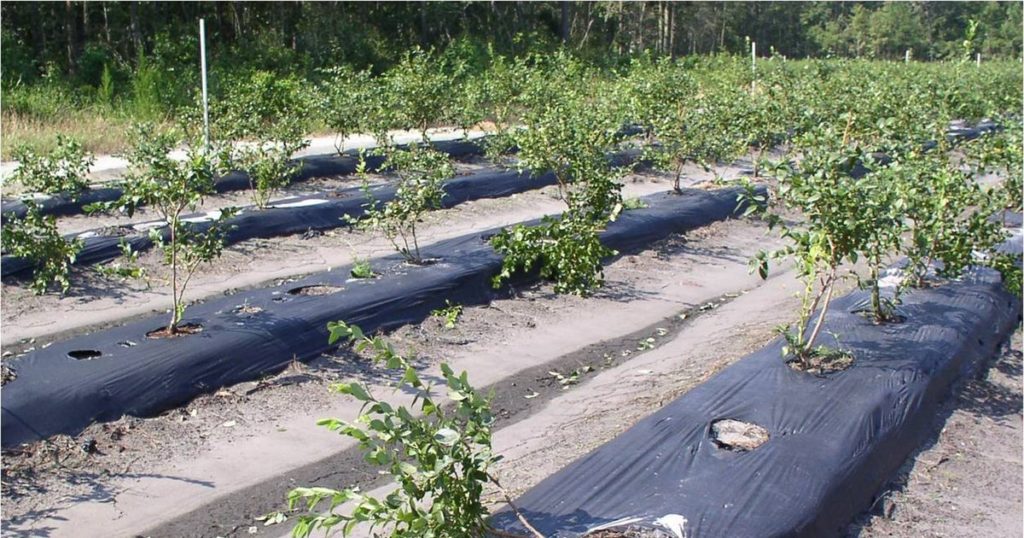
Cloches and plant covers are excellent methods for providing individual plant protection against frost and freezing temperatures. A cloche is a simple protective covering, traditionally made from glass or plastic, that shelters plants from cold air and frost. These covers are particularly useful for young seedlings and tender plants that are more susceptible to frost damage. Originating from Victorian-era gardening, cloches are a charming and effective way to create a mini-greenhouse effect around individual plants, ensuring they receive the necessary warmth and protection.
Plant covers, such as fabric row covers or plastic sheeting, offer similar protection on a larger scale. These covers can be draped over garden beds or specific plants, providing a blanket of insulation that retains heat and shields against frost. They are easy to install and remove as needed, making them a flexible solution for fluctuating weather conditions. Additionally, cloches and plant covers allow light to penetrate, ensuring that plants continue to photosynthesize and grow even under protection. I’ve found that using these coverings is a practical and efficient way to keep my most vulnerable plants safe and thriving throughout the winter!
Selecting Frost-Resistant Plants
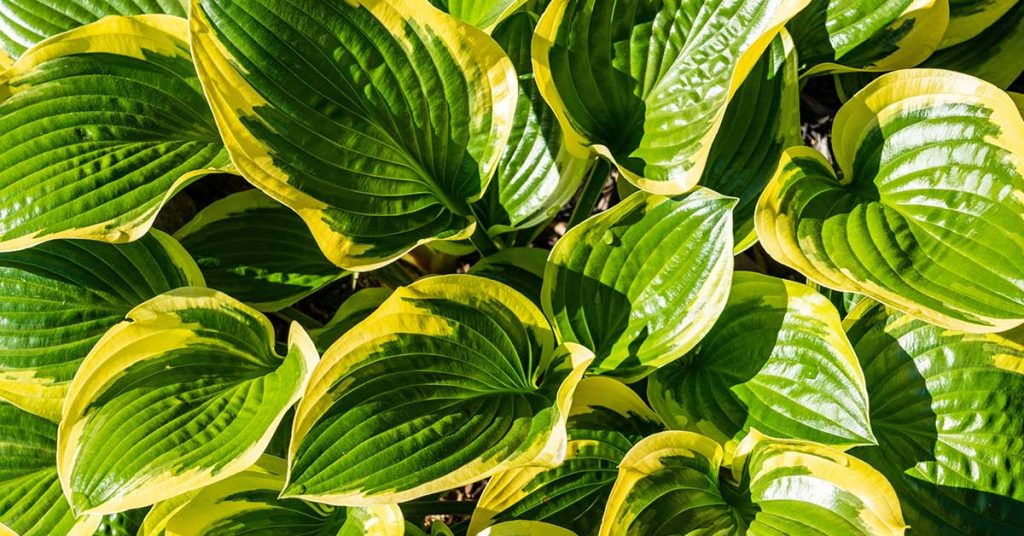
Choosing the right plants is a proactive strategy for protecting your garden against frost and freezes. Opting for frost-resistant or hardy plants ensures that your garden can withstand colder temperatures without significant damage. Native plants are particularly advantageous as they are adapted to your local climate and soil conditions, making them more resilient to winter stresses. Examples of frost-resistant plants include Lavender (Lavandula spp.), native to the Mediterranean region, which can survive cold winters with minimal protection, and Boxwood (Buxus sempervirens), native to Western Europe, known for its hardiness and evergreen foliage.
Incorporating a variety of frost-resistant plants not only enhances the diversity and beauty of your garden but also reduces the need for extensive frost protection measures. Plants like Hostas (Hosta spp.), native to Asia, thrive in cooler temperatures and offer lush, attractive foliage that remains vibrant even in winter. Additionally, Sedum (Sedum spp.), native to the Northern Hemisphere, are succulent plants that store water in their leaves, making them highly tolerant of frost and drought conditions. By carefully selecting and planting frost-resistant varieties, you can create a garden that remains resilient and stunning throughout the winter months, minimizing the risk of frost damage and ensuring continuous beauty in your outdoor space!
Watering Strategies During Cold Weather

Proper watering is crucial for preventing frost damage, as both overwatering and underwatering can weaken plants and make them more susceptible to cold stress. During winter, plants typically require less water due to slower growth rates and reduced evaporation. However, it’s important to maintain consistent moisture levels in the soil to prevent roots from drying out and becoming vulnerable to freezing temperatures. One effective strategy is to water deeply before a predicted frost, ensuring that the soil retains moisture and provides a buffer against the cold.
Conversely, avoid watering plants during freezing conditions, as water in the soil can freeze and expand, potentially damaging roots and plant structures. Mulching, as mentioned earlier, can help regulate soil moisture and temperature, reducing the need for frequent watering. Additionally, using drip irrigation systems with timers can provide controlled and efficient watering, ensuring that plants receive the right amount of moisture without excess. I know how tricky it can be to balance watering needs during winter, but implementing thoughtful watering strategies helps maintain plant health and resilience against frost and freeze conditions!
Creating Microclimates

Creating microclimates within your garden is an advanced yet highly effective technique for protecting plants from frost and freezes. Microclimates are localized areas with distinct climatic conditions that differ from the surrounding environment, allowing certain plants to thrive even in less favorable conditions. By strategically designing your garden to include microclimates, you can provide additional protection and tailored environments for different plant species. For example, placing plants near walls or fences can create warmer microclimates by reflecting heat back onto the plants, reducing the impact of cold winds.
Additionally, using features like rock beds and raised terraces can store and slowly release heat, maintaining a more stable temperature around your plants. Incorporating elements such as pergolas or trellises with climbing plants can also create shaded areas that protect against harsh sunlight and frost. These tailored environments support a diverse range of plants, allowing you to cultivate both hardy and tender species within the same garden. I find that creating microclimates adds a layer of sophistication and resilience to my garden, ensuring that each plant has the optimal conditions it needs to survive and flourish through the winter!
Implementing Proper Pruning Techniques

Proper pruning is an essential practice for maintaining plant health and enhancing their ability to withstand frost and freezes. Pruning helps remove dead or diseased branches, reduces wind resistance, and promotes better air circulation, all of which contribute to a more resilient plant structure. Deciduous trees and shrubs, such as fruit trees and roses, benefit greatly from winter pruning, as it allows for better visibility of the plant’s structure and minimizes the risk of breakage under the weight of ice and snow. Native pruning techniques ensure that plants remain healthy and well-shaped without causing undue stress.
I understand how overwhelming it can be to keep up with pruning tasks, but taking the time to properly prune your plants can significantly increase their chances of surviving harsh winter conditions. Additionally, thinning out dense foliage allows light and air to penetrate more effectively, reducing the likelihood of fungal diseases that can be exacerbated by damp winter weather. Using sharp, clean tools and following species-specific pruning guidelines ensures that you make precise cuts that promote healthy growth. By implementing proper pruning techniques, you enhance the strength and resilience of your plants, preparing them to endure and bounce back from winter’s challenges!
Insulating Pots and Containers
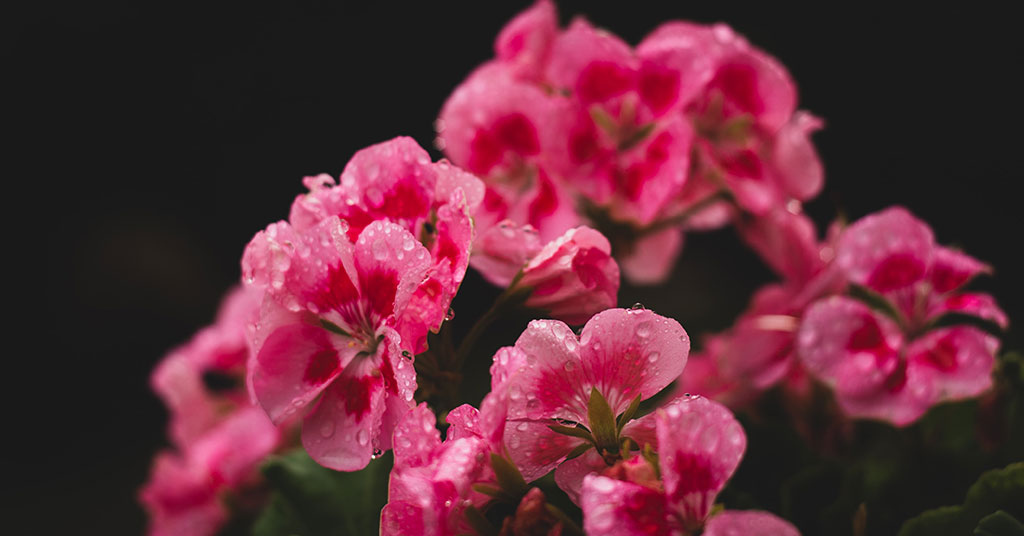
Plants grown in pots and containers are more vulnerable to frost and freezes because their roots are exposed to colder temperatures. Insulating pots and containers is a crucial step in protecting these plants during the winter months. One effective method is to wrap the pots with insulating materials such as burlap, bubble wrap, or even old blankets. This extra layer helps retain heat around the root zone, preventing the soil from freezing and reducing the risk of root damage. Native container plants, such as Geraniums (Pelargonium spp.) and Begonias (Begonia spp.), can benefit significantly from proper insulation.
Another strategy is to elevate pots off the cold ground by placing them on shelves or pot feet, which allows air to circulate around the base and reduces heat loss. Additionally, grouping containers together can create a microenvironment that retains warmth, providing added protection against sudden temperature drops. Moving pots to sheltered locations, such as garages or unheated sheds, during extreme cold spells can further safeguard your plants. I’ve found that insulating and strategically placing containers not only protects the roots but also extends the life of my container plants, keeping them healthy and ready to thrive once the warmer weather returns!