
Welcome to the world of growing the Prizewinner pumpkin, where size truly matters! If you are an avid gardener looking for a challenge or simply want to impress your neighbors with an enormous pumpkin, then you have come to the right place. Prizewinner pumpkins are renowned for their colossal size, often reaching weights of over 1,000 pounds.
But growing these giants requires more than just luck; it takes careful planning, diligent care, and a bit of insider knowledge. In this article, we will delve into the fascinating world of Prizewinner pumpkins, exploring everything from seed selection and soil preparation to watering techniques and pest control. So, roll up your sleeves, grab your gardening tools, and get ready to embark on a journey to grow the biggest and most impressive Prizewinner pumpkin you’ve ever seen!
What are Prizewinner pumpkins?
Prizewinner pumpkin is a popular variety known for its large size and vibrant orange color. It is a heavyweight champion in the pumpkin world, often reaching weights of 100 pounds or more. The fruit has a round to slightly flattened shape with deep ribbing, making it visually appealing. Prizewinner pumpkins have thick, sturdy stems that can withstand the weight of the fruit. The flesh is sweet and flavorful, making it ideal for baking, cooking, or carving.
This variety requires ample space to grow, as the vines can spread up to 15 feet in all directions. Prizewinner pumpkins thrive in full sun and well-draining soil, and they typically take around 100-120 days to mature. With proper care and attention, these pumpkins can be a showstopper in any garden or fall display.
What do Prizewinner pumpkins taste like?
Prizewinner pumpkins are known for their exceptional flavor profile, making them a favorite among pumpkin enthusiasts. The flavor of Prizewinner pumpkins can be described as rich, sweet, and nutty. When cooked, they have a smooth and creamy texture, which adds to their overall appeal.
The sweetness of Prizewinner pumpkins is often compared to that of butternut squash, with a hint of caramel-like undertones. This sweetness is well-balanced and not overpowering, making it versatile for various culinary applications. The nutty notes in the flavor profile provide a pleasant earthiness, adding depth and complexity to dishes.
When used in baking, Prizewinner pumpkins yield a deliciously sweet and aromatic pumpkin pie filling. The flavor intensifies when combined with warm spices like cinnamon, nutmeg, and cloves, creating a delightful autumnal treat.
In savory dishes, Prizewinner pumpkins bring a unique sweetness that pairs well with savory ingredients like garlic, onions, and herbs. They can be roasted, pureed, or used in soups and stews, adding a distinct flavor that enhances the overall dish.
Overall, the flavor profile of Prizewinner pumpkins is a delightful combination of sweetness, nuttiness, and earthiness, making them a sought-after choice for both sweet and savory pumpkin-based recipes.
How to start Prizewinner pumpkin seeds
Growing Prizewinner pumpkins can be a rewarding and exciting experience. These giant pumpkins are known for their impressive size and are often grown for competitions or for display purposes. Here is a step-by-step guide on how to start growing Prizewinner pumpkins:
- Selecting the Right Seeds: Start by purchasing high-quality Prizewinner pumpkin seeds from a reputable seed supplier or nursery. Look for seeds that are specifically labeled as Prizewinner or giant pumpkin variety.
- Timing: Prizewinner pumpkins require a long growing season, typically around 120 to 140 days. It is important to start them indoors about 4-6 weeks before the last frost date in your area. This will give them a head start and allow them to grow to their full potential.
- Soil Preparation: Choose a location in your garden that receives full sun for at least 6-8 hours a day. Prizewinner pumpkins require well-draining soil with a pH level between 6.0 and 7.5. Amend the soil with organic matter, such as compost or well-rotted manure, to improve its fertility and drainage.
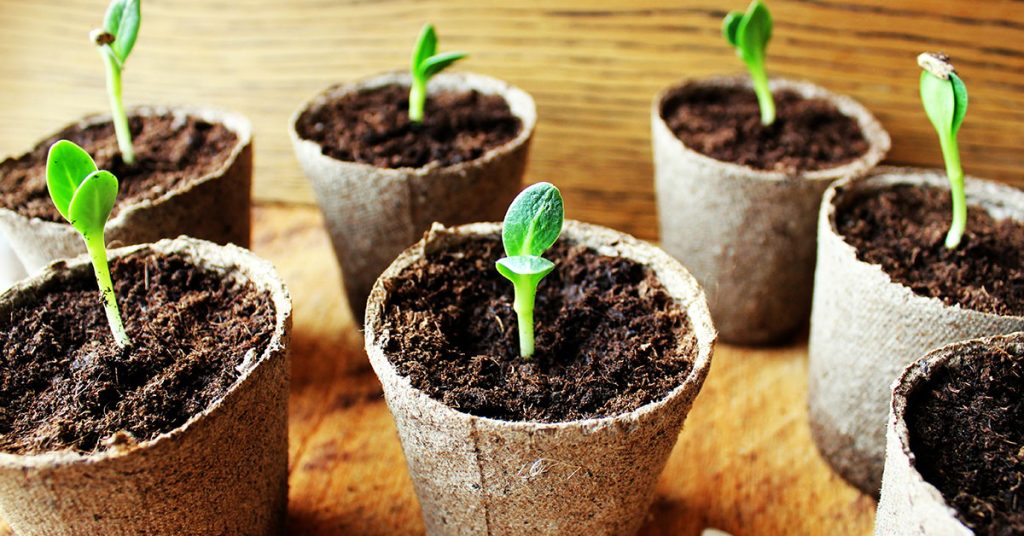
- Starting Seeds Indoors: Fill seed trays or pots with a good quality seed starting mix. Plant the Prizewinner pumpkin seeds about 1 inch deep and water gently. Place the trays in a warm location, around 70-85°F (21-29°C), and keep the soil consistently moist.
- Transplanting Seedlings: Once the seedlings have developed their first true leaves and the danger of frost has passed, it’s time to transplant them into the garden. Choose a spot with enough space for the giant pumpkins to spread out, as they can grow up to 200 pounds or more.
- Planting in the Garden: Dig a hole large enough to accommodate the root ball of the seedling. Gently remove the seedling from its container, being careful not to disturb the roots. Place the seedling in the hole and backfill with soil, firming it gently around the base. Water thoroughly after planting.
- Providing Support: Prizewinner pumpkins require support to prevent the heavy fruits from touching the ground and rotting. You can use trellises, stakes, or create a sling using old pantyhose or fabric to support the growing pumpkins.
- Watering and Fertilizing: Keep the soil consistently moist throughout the growing season. Water deeply once or twice a week, depending on the weather conditions. Apply a balanced fertilizer every 2-3 weeks to provide the plants with essential nutrients.
- Pruning and Training: As the plants grow, pinch off any side shoots or suckers that develop in the leaf axils. This will help direct the plant’s energy towards fruit production. You can also train the main vine to grow in a specific direction to maximize space and sunlight exposure.
- Pest and Disease Control: Monitor your Prizewinner pumpkins regularly for common pests like aphids, squash bugs, or powdery mildew. Use organic pest control methods or consult with a local gardening expert for appropriate treatments.
- Harvesting: Prizewinner pumpkins are ready for harvest when the skin has hardened and turned a deep orange color. Cut the stem carefully, leaving a few inches attached to the pumpkin. Handle the pumpkins with care, as they can be very heavy.
By following these steps and providing proper care, you can enjoy the thrill of growing your own giant Prizewinner pumpkins. Remember to have fun and enjoy the process, as growing these impressive pumpkins can be a truly rewarding experience.
When to plant Prizewinner pumpkins outdoors
The ideal time to plant Prizewinner pumpkins is in late spring or early summer, once the soil has warmed up and there is no longer a risk of frost. This is typically around May or June, depending on your specific location and climate. Planting at this time will give the pumpkins enough time to grow and mature before the first frost in the fall.
Growing & care guide
Prizewinner pumpkins are known for their large size and vibrant orange color, making them a popular choice for pumpkin enthusiasts and competitions. To ensure the best growth and development of your Prizewinner pumpkin, here are some best practices for caring for this variety:
- Location and Soil: Choose a sunny spot in your garden with well-draining soil. Prizewinner pumpkins require at least 6-8 hours of direct sunlight daily. The soil should be rich in organic matter, such as compost or well-rotted manure, to provide the necessary nutrients for healthy growth.
- Planting: Start by preparing the soil by removing any weeds or debris. Prizewinner pumpkins need ample space to spread out, so allow for a minimum of 6-8 feet between each plant. Dig a hole that is slightly larger than the root ball of the seedling and gently place it in the hole. Backfill the hole with soil, ensuring that the seedling is at the same depth as it was in the container.
- Watering: Adequate watering is crucial for the growth of Prizewinner pumpkins. They require consistent moisture, especially during the flowering and fruiting stages. Water deeply and regularly, ensuring that the soil is evenly moist but not waterlogged. Avoid overhead watering, as it can lead to the development of fungal diseases. Instead, use a soaker hose or drip irrigation system to deliver water directly to the roots.
- Fertilization: Prizewinner pumpkins are heavy feeders and benefit from regular fertilization. Before planting, incorporate a balanced, slow-release fertilizer into the soil. Additionally, apply a water-soluble fertilizer every two to three weeks during the growing season. Look for fertilizers with a higher phosphorus content to promote fruit development.
- Mulching: Apply a layer of organic mulch, such as straw or wood chips, around the base of the plants. Mulching helps retain soil moisture, suppress weeds, and regulate soil temperature. It also prevents direct contact between the pumpkins and the soil, reducing the risk of rotting.
- Pollination: Prizewinner pumpkins require pollination to set fruit. Bees and other pollinators are essential for this process. To attract them, plant flowers nearby or use a pollinator-friendly garden design. If pollinators are scarce in your area, you can hand-pollinate the flowers by transferring pollen from the male flowers to the female flowers using a small brush or cotton swab.
- Pest and Disease Control: Monitor your Prizewinner pumpkins regularly for signs of pests or diseases. Common pests that may affect pumpkins include aphids, squash bugs, and cucumber beetles. Use organic pest control methods, such as handpicking or applying insecticidal soaps, to manage infestations. Fungal diseases, such as powdery mildew or downy mildew, can be prevented by ensuring good air circulation and avoiding overhead watering.
- Harvesting: Prizewinner pumpkins take approximately 100-120 days to mature. Harvest the pumpkins when the rinds are fully colored and hard, and the stems have dried and turned brown. Cut the pumpkins from the vine, leaving a few inches of stem attached. Handle them carefully to avoid any damage that could lead to rotting.
By following these best practices, you can ensure the successful growth and development of your Prizewinner pumpkins, resulting in impressive and prize-worthy specimens. Happy gardening!
Prizewinner pumpkin harvesting guide
The Prizewinner pumpkin is a popular variety known for its large size and vibrant orange color. To ensure a successful harvest, it is important to know when and how to harvest these pumpkins.
Timing: Prizewinner pumpkins typically take around 100-120 days to mature from the time of planting. The exact timing can vary depending on growing conditions and climate. It is important to keep track of the planting date to estimate when the pumpkins will be ready for harvest. As a general guideline, you can start checking for maturity around late summer to early fall.
Signs of Maturity: There are a few indicators that can help determine when a Prizewinner pumpkin is ready for harvest. Firstly, check the skin color. The pumpkin should have a deep, consistent orange color. Secondly, examine the stem. When the pumpkin is mature, the stem will start to dry out and turn brown. Lastly, gently press your fingernail against the skin. If it leaves a mark, the pumpkin is not yet mature. If the skin is hard and resists indentation, it is likely ready for harvest.
Harvesting: To harvest a Prizewinner pumpkin, follow these steps:
- Use a sharp knife or pruning shears to cut the stem, leaving about 3-4 inches attached to the pumpkin. Avoid tearing or breaking the stem, as this can increase the risk of rotting.
- Handle the pumpkin with care to avoid any damage. A damaged pumpkin is more susceptible to rotting and will have a shorter shelf life.
- If the pumpkin is not fully mature but frost or other unfavorable conditions are approaching, you can harvest it earlier. However, these pumpkins may not reach their full size and may have a shorter storage life.
- Once harvested, gently clean off any dirt or debris from the pumpkin’s surface. Do not wash the pumpkin with water, as this can increase the risk of rotting. Instead, use a soft cloth or brush to remove any dirt.
- Allow the pumpkin to cure in a warm, dry, and well-ventilated area for about 10-14 days. This helps the skin harden and protects it from rotting during storage.
Storage: After curing, store the Prizewinner pumpkin in a cool, dry place with good air circulation. Ideal storage conditions include temperatures between 50-55°F (10-13°C) and humidity levels around 50-70%. Inspect the pumpkins regularly and remove any that show signs of rotting or damage.
By following these guidelines, you should be able to harvest and store your Prizewinner pumpkins successfully. Enjoy the fruits of your labor and have a bountiful harvest!