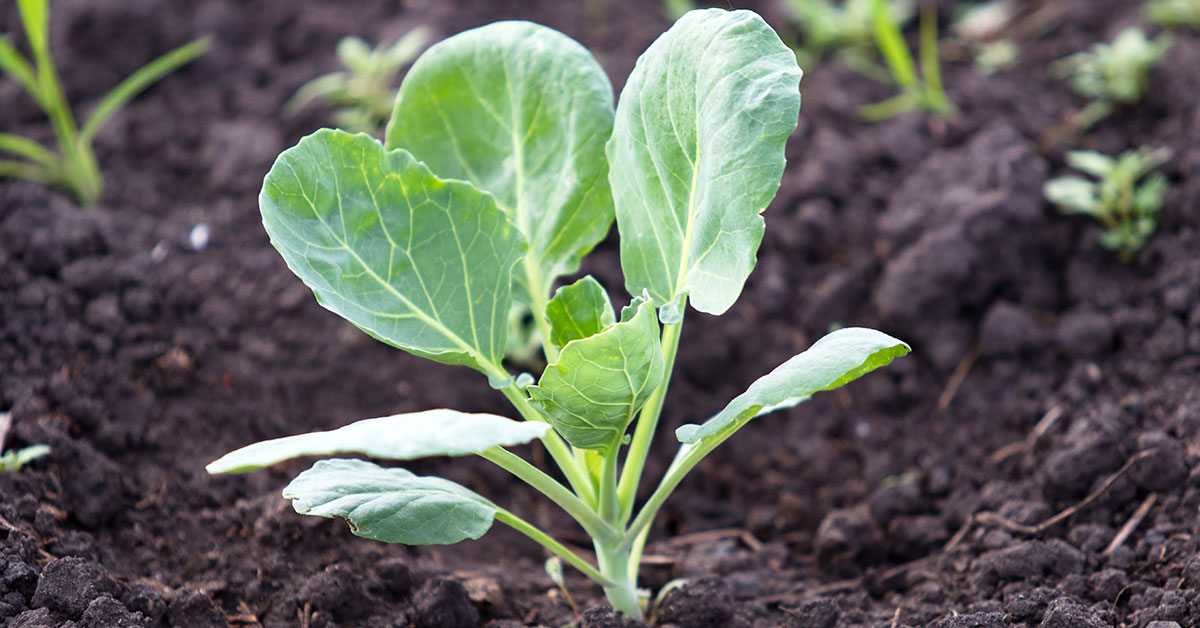

Prince Marvel Brussels Sprout is known for its compact size, vibrant green color, and delectable taste. It has won the hearts of gardeners and food enthusiasts alike. Whether you are a seasoned gardener or a beginner, this article will provide you with all the essential information you need to successfully cultivate and enjoy the bountiful rewards of the Prince Marvel Brussels Sprout. So, grab your gardening tools and let’s embark on a journey to uncover the secrets of this exquisite vegetable!
What is a Prince Marvel Brussels Sprout?
The Prince Marvel Brussels Sprout is a unique and highly sought-after variety of Brussels sprouts. This particular cultivar is known for its exceptional flavor, compact size, and prolific production. The Prince Marvel Brussels Sprout plants grow to a height of about 2 feet, making it suitable for small gardens or containers. The plants are sturdy and have a dense structure, which helps support the weight of the sprouts as they develop. The sprouts themselves are small, round, and tightly packed, measuring around 1 to 1.5 inches in diameter. They have a vibrant green color and a firm texture.
When cooked, Prince Marvel Brussels Sprouts have a sweet and nutty flavor, often described as being milder and less bitter than other varieties. One of the notable features of this variety is its ability to produce an abundant harvest. The plants typically yield numerous sprouts per stem, allowing for a prolonged harvesting period.
This makes Prince Marvel Brussels Sprouts an excellent choice for those who enjoy a steady supply of fresh sprouts throughout the season. When growing Prince Marvel Brussels Sprouts, it is important to provide them with full sun exposure and fertile, well-draining soil.
Regular watering and occasional fertilization will help promote healthy growth. It is also essential to keep an eye out for common pests such as aphids or cabbage worms, as they can damage the plants and reduce the yield. Overall, the Prince Marvel Brussels Sprout is a highly desirable variety for both its taste and productivity. Whether you are a seasoned gardener or a beginner, growing this cultivar will surely add a touch of royalty to your garden and a delicious addition to your table.
What does Prince Marvel Brussels Sprout taste like?
The taste of a Prince Marvel Brussels Sprout can be described as nutty, earthy, and slightly sweet. It has a mild bitterness that is not overpowering. Making it a more palatable option compared to other Brussels sprout varieties. The texture is firm and crisp, with a slight crunch when cooked to perfection. When properly prepared, the Prince Marvel Brussels Sprout offers a delightful combination of flavors that are both savory and subtly sweet. Making it a popular choice among vegetable enthusiasts.
How to start Prince Marvel Brussels Sprout from seed
Starting Prince Marvel Brussels Sprouts from seeds involves a few key steps. Here’s a step-by-step guide to help you get started:
- Seed selection: Choose high-quality Prince Marvel Brussels Sprout seeds from a reputable source. Look for fresh seeds with a high germination rate.
- Start indoors: Brussels sprouts are typically started indoors 6-8 weeks before the last expected frost date in your area. Fill seed trays or small pots with a well-draining seed starting mix.
- Sowing the seeds: Sow 2-3 seeds per pot or cell, about ¼ inch deep. Cover the seeds lightly with soil and gently water them. Maintain a consistent moisture level throughout the germination process.
- Germination: Brussels sprout seeds usually germinate within 7-14 days when kept in a warm environment (around 70-75°F or 21-24°C). Once the seedlings emerge, provide them with 12-16 hours of bright light daily, either by placing them near a sunny window or by using artificial grow lights.
- Transplanting: When the seedlings have developed their first set of true leaves (second set of leaves after the initial cotyledons), they are ready to be transplanted into individual pots or cell packs. Choose the healthiest seedling in each pot and carefully separate it from the others, being mindful not to damage the roots.
- Hardening off: About a week before transplanting the seedlings outdoors, gradually acclimate them to outdoor conditions. Start by placing them outdoors in a sheltered spot for a few hours each day. Gradually increasing the time and exposure to direct sunlight. This process, known as hardening off, helps the plants adjust to the change in environment.
- Bed preparation: Prepare a well-drained garden bed in a sunny location. Amend the soil with organic matter, such as compost or well-rotted manure, to improve fertility and drainage.
- Transplanting to the garden: Once the danger of frost has passed and the seedlings are about 6-8 weeks old, they can be transplanted into the garden. Space the plants about 18-24 inches apart, ensuring they have enough room to grow and form their characteristic sprouts.
- Care and maintenance: Water the transplanted seedlings thoroughly after planting and ensure they receive consistent moisture throughout the growing season. Mulching around the plants can help retain soil moisture and suppress weeds. Fertilize the plants every 3-4 weeks with a balanced organic fertilizer to promote healthy growth.
- Pest and disease control: Keep an eye out for common pests like aphids, cabbage worms, and slugs. Use organic pest control methods or appropriate insecticides if necessary. Monitor the plants for diseases such as clubroot or powdery mildew, and take appropriate measures to prevent or treat them.
- Harvesting: Prince Marvel Brussels Sprouts typically take about 90-110 days to mature from transplanting. Harvest the sprouts when they are firm and about 1-2 inches in diameter. Start from the bottom of the stalk, picking the sprouts as they reach maturity, or harvest the entire stalk when most of the sprouts are ready.
Remember to follow the specific instructions provided on the seed packet or consult with a local gardening expert for any region-specific recommendations. Happy gardening!
Planting and growing
1. Choose the right location: Brussels sprouts prefer a sunny spot with well-drained, fertile soil. Prepare the soil by removing any weeds and adding organic matter such as compost or well-rotted manure.
- Start seeds indoors (optional): If you want an early start, you can start Brussels sprout seeds indoors about 4-6 weeks before the last frost date in your area. Use seed trays or pots filled with seed starting mix and keep them in a warm, well-lit area.
- Transplant seedlings: Once the seedlings have grown to about 4-6 inches tall and have developed a few sets of true leaves, they are ready to be transplanted outdoors. Harden off the seedlings by gradually exposing them to outdoor conditions over a week or two before transplanting.
- Planting outdoors: Dig holes in the prepared soil that are slightly larger than the root ball of the seedling. Space the holes about 24-36 inches apart, as Brussels sprouts require room to grow. Place the seedlings in the holes, cover the roots with soil, and gently firm it around the base of the plant.
- Watering: Water the seedlings thoroughly after planting and continue to keep the soil consistently moist throughout the growing season. Brussels sprouts need about 1-1.5 inches of water per week, either from rainfall or supplemental watering.
- Fertilizing: Brussels sprouts are heavy feeders, so it’s important to provide them with regular nutrients. Apply a balanced fertilizer or compost around the base of the plants every 4-6 weeks to ensure they receive the necessary nutrients for healthy growth.
- Mulching: Apply a layer of organic mulch around the base of the plants to help retain moisture, suppress weeds, and regulate soil temperature. Mulching also provides a barrier between the sprouts and the soil. Preventing disease and pests from affecting the lower parts of the plant.
- Supporting the plants: As the Brussels sprouts grow taller, they may become top-heavy and prone to bending or breaking. To prevent this, you can use stakes or cages to support the plants and keep them upright.
- Pest and disease control: Brussels sprouts can be susceptible to pests such as aphids, caterpillars, and cabbage worms. Regularly inspect the plants for any signs of infestation and take appropriate measures, such as using organic insecticides or handpicking the pests. Also, keep an eye out for any signs of disease, such as clubroot or powdery mildew, and take prompt action to prevent its spread.
- Harvesting: Harvesting time varies but generally begins when the lower sprouts reach about 1 inch in diameter. Start from the bottom, snapping or cutting off the sprouts as needed. Leave the top of the plant intact, as it may continue to produce smaller sprouts for a while longer.When to harvest Prince Marvel Brussels SproutThe best time to harvest Prince Marvel Brussels sprouts is when the sprouts are firm, green, and about 1 to 1.5 inches in diameter. This usually occurs about 90-100 days after transplanting the seedlings into your garden. It’s important to regularly check the plants and harvest sprouts from the bottom of the stalk first, as they mature from the bottom up. Be sure not to wait too long to harvest, as the sprouts may become loose, bitter, or overripe.