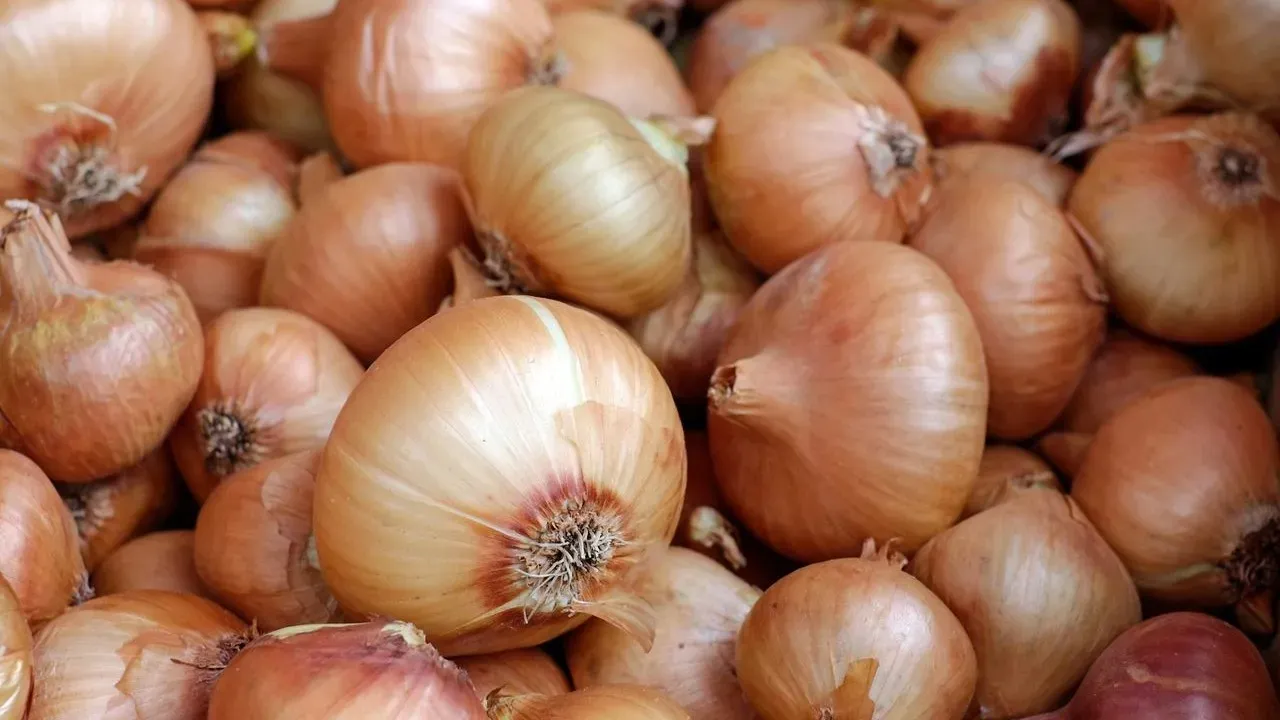

Gardeners facing a large onion harvest often find themselves with more bulbs than they can use right away. Without proper handling, those onions can spoil quickly and go to waste. Several established preservation approaches allow the crop to last for months or longer. These methods turn a seasonal surplus into a reliable supply for cooking throughout the year.
Why Timely Preservation Matters
Onions harvested in mid-summer reach peak quality when cured and stored correctly. Leaving them in the ground or piled loosely invites rot, sprouting, or insect damage within weeks. Acting soon after harvest protects both the effort already invested in growing the crop and the household food budget. Many gardeners report that a single well-preserved batch covers needs through winter and into the following spring.
Basic Storage After Curing
Proper curing begins the preservation process for many varieties. Bulbs are dried in a warm, airy spot until necks are tight and outer skins feel papery. Once cured, sound onions keep for several months in a cool, dry, dark location with good airflow. Mesh bags or slatted crates prevent moisture buildup that leads to mold. Regular checks remove any sprouting or softening bulbs before they affect the rest of the batch.
Freezing for Quick Use
Freezing suits cooks who want ready portions for soups, stews, and sautés. Onions are peeled, chopped, and spread on trays to freeze individually before packing into containers. This approach stops enzyme activity that would otherwise degrade flavor and texture over time. Frozen onions retain their taste for up to a year when kept at consistent freezer temperatures. They can be added directly to hot dishes without thawing first.
Drying for Long-Term Pantry Storage
Drying removes moisture that bacteria and mold need to grow. Thin onion slices or rings are dehydrated until brittle, then stored in airtight jars away from light. The resulting flakes or powder add concentrated flavor to seasoning blends and dry mixes. Properly dried onions maintain quality for many months when kept in a cool cupboard. Rehydrating them briefly in water restores much of their original volume for recipes.
Canning for Shelf-Stable Convenience
Canning produces fully cooked onion products that require no refrigeration until opened. Sliced or chopped onions are packed into jars with a tested canning liquid and processed in a boiling-water or pressure canner according to established guidelines. The sealed jars remain safe at room temperature for a year or more. This method works especially well for relishes, pickled onions, or plain packed onions destined for winter meals. Following current safety recommendations ensures the final product stays free of harmful organisms.
What matters now is matching the chosen method to the size of the harvest and the kitchen equipment available. Gardeners who combine two or three approaches usually stretch their supply furthest with the least waste.
AI Disclaimer: This article was created with the assistance of AI tools and reviewed by a human editor.