

As the days grow shorter and the temperatures begin to drop, it’s time to start thinking about preparing your greenhouse for the fall and winter months. I know how tempting it can be to squeeze every last drop of summer out of your greenhouse, but taking the time to prep now will ensure that your plants stay healthy and thriving all season long. A well-prepared greenhouse can be a sanctuary for tender plants, a place to extend your growing season, and even a spot to get a head start on spring planting. Plus, there’s something so comforting about stepping into a warm, bright greenhouse on a chilly day—it’s like having a little slice of summer all year round!
Getting your greenhouse ready for fall and winter is all about creating the right environment for your plants to succeed. From cleaning and organizing to setting up proper heating and insulation, each step plays a crucial role in keeping your greenhouse in tip-top shape. Whether you’re growing veggies, flowers, or tropical plants, a little preparation can make all the difference when the cold weather sets in. So let’s dive into some essential tips for preparing your greenhouse for the coming months and keeping it productive and inviting all winter long!
Cleaning and Disinfecting
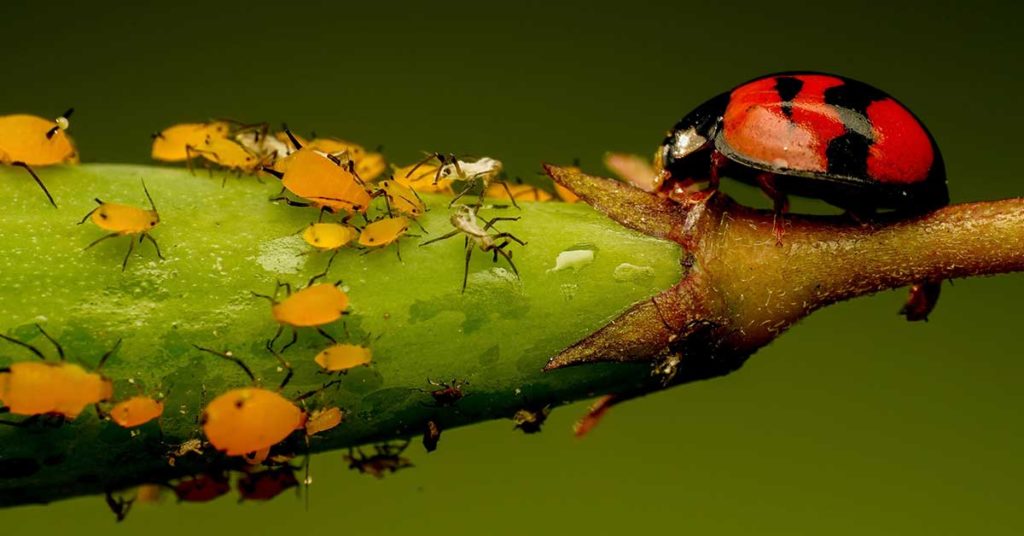
One of the first and most important steps in preparing your greenhouse for fall and winter is a thorough cleaning and disinfecting. After a busy growing season, greenhouses can harbor a variety of pests, fungi, and diseases that can quickly take hold if left unchecked. I’ve had my fair share of battles with persistent pests like aphids and whiteflies, and I can’t stress enough how much a good cleaning can help keep these troublemakers at bay. Start by removing all plants, pots, and tools from the greenhouse so you can get into every nook and cranny. Sweep out any dirt, leaves, or debris, and wash down the surfaces with a mild disinfectant or a solution of one part bleach to nine parts water.
Pay special attention to the corners, windows, and any crevices where pests might be hiding. Cleaning not only removes potential threats but also maximizes light transmission, which is crucial during the shorter days of fall and winter. Clear windows and panels let in more sunlight, helping to keep your greenhouse warmer and your plants happier. Once everything is clean, let it dry thoroughly before bringing your plants back in. It’s a bit of effort upfront, but it makes such a difference in maintaining a healthy greenhouse environment!
Checking and Repairing Structures

Before the cold weather hits, it’s essential to inspect your greenhouse’s structure for any needed repairs. Small cracks, broken panels, or loose fittings can let in cold drafts and pests, undermining all your hard work. Take the time to walk around your greenhouse and look for any damage or areas that need reinforcement. Fixing these issues now, before the weather turns harsh, can save you a lot of headaches later. I always keep a kit with spare screws, sealant, and a few extra pieces of glazing on hand for quick repairs—it’s like having a greenhouse first aid kit!
Make sure doors and windows close properly and seal tightly to keep out cold air. Check for any gaps around the base of the greenhouse where pests might sneak in. Insulating the greenhouse with bubble wrap or horticultural fleece can also help retain heat and protect plants from sudden temperature drops. Even a small gap can make a big difference in maintaining a stable environment, so don’t overlook the details. A well-sealed greenhouse not only keeps your plants warm but also helps reduce heating costs, making it a win-win situation!
Organizing and Decluttering

Fall is the perfect time to declutter and reorganize your greenhouse, making it easier to manage through the colder months. Over the growing season, it’s so easy for things to pile up—empty pots, seed trays, random tools—and suddenly your greenhouse feels more like a storage shed than a gardening haven. Take some time to sort through everything and decide what to keep, toss, or donate. I like to organize my pots by size, stack seed trays neatly, and keep my most-used tools within easy reach. It makes such a difference when everything has its place!
Having an organized greenhouse not only looks nicer but also improves efficiency. You’ll spend less time hunting for what you need and more time enjoying your plants. Consider adding shelving or hooks to maximize your vertical space, and use bins or baskets to corral smaller items. If you’re overwintering plants, group them according to their light and water needs, so it’s easier to care for them. An organized greenhouse is a happy greenhouse, and it sets you up for a productive and stress-free winter season.
Heating and Insulation

Keeping your greenhouse warm enough for your plants during fall and winter is crucial, especially if you’re growing tender or tropical species. Depending on your climate, you might need to supplement the natural warmth with a heater. There are many options, from electric and propane heaters to more eco-friendly choices like solar-powered units. When setting up your heating system, make sure it’s safe, reliable, and adequately sized for your space. I always recommend using a thermostat to keep temperatures consistent and avoid overheating, which can be just as damaging as the cold!
In addition to heating, insulating your greenhouse can significantly improve heat retention. Bubble wrap is a popular choice for greenhouse insulation because it’s easy to apply and does a great job at keeping the warmth in while still allowing light to pass through. You can also use horticultural fleece to drape over sensitive plants on particularly cold nights. Insulation is like adding an extra layer of protection, helping to reduce heating costs and keeping your greenhouse cozy. Remember, it’s all about maintaining a stable environment where your plants can thrive despite the chill outside.
Watering and Humidity Control
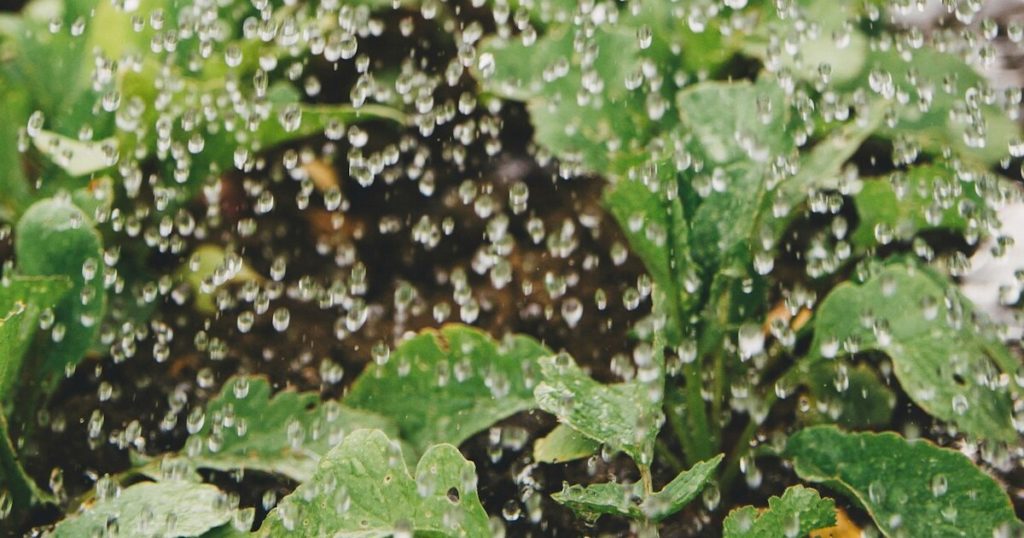
Watering needs change significantly as the weather cools, and managing humidity becomes a key part of keeping your greenhouse plants healthy. Overwatering in fall and winter can lead to root rot and fungal problems, as plants tend to grow more slowly and require less moisture. I’ve found that it’s best to water in the morning so that any excess moisture has time to evaporate before the cooler evening temperatures set in. A good rule of thumb is to keep the soil moist but not soggy—plants need a little less water in the cooler months.
Humidity can be a double-edged sword in the greenhouse. Too much can encourage mold and mildew, while too little can stress plants. Aim to strike a balance by ventilating your greenhouse on mild days to reduce excess humidity and improve air circulation. Using a hygrometer to monitor humidity levels can help you stay on top of things. If humidity is too high, a small fan can work wonders to keep the air moving. It’s all about creating the right microclimate to keep your plants comfortable, which can be such a rewarding challenge!
Planning for Pests and Diseases

Pests don’t take a break just because the weather cools down, and your greenhouse can become a haven for them if you’re not careful. Regularly inspect your plants for signs of pests like aphids, whiteflies, or spider mites, which can thrive in the controlled environment of a greenhouse. Sticky traps are a simple but effective way to monitor and control flying pests, while a quick spray of insecticidal soap can help with smaller infestations. I’ve learned the hard way that a little vigilance goes a long way in keeping pests under control!
Diseases can also become a problem in the greenhouse, especially with the increased humidity that often comes with winter. Make sure to remove any dead or diseased plant material promptly, and avoid overcrowding plants, which can reduce air circulation and increase the risk of fungal infections. Keeping the greenhouse clean and well-ventilated is your best defense against disease. Remember, a healthy greenhouse environment is the first step in keeping your plants happy and thriving all winter long.
Preparing your greenhouse for fall and winter is a bit of a labor of love, but it’s so worth it when you see your plants thriving despite the cold outside. From cleaning and organizing to setting up heating and insulation, each step helps create a cozy, nurturing space where your plants can continue to grow. Whether you’re extending your growing season, overwintering favorite plants, or starting new seedlings, a well-prepared greenhouse is a gardener’s best ally against the chill of fall and winter.