

As September arrives, it’s easy to think that the gardening season is winding down. However, this is the perfect time to prepare your garden beds for continuous growth, ensuring that your plants remain healthy and productive as the season changes. I understand the challenges that come with trying to extend your garden’s productivity—whether it’s dealing with cooler temperatures, pest issues, or simply figuring out the right steps to take. But trust me, with the right preparation in September, you can set your garden up for success well into the fall and even into the next growing season.
In this article, I’m excited to share some key tips for preparing your garden beds in September. From enriching the soil to protecting your plants from the elements, these strategies will help you maximize the growth potential of your garden beds. Let’s explore how you can keep your garden thriving and ready for whatever comes next!
Enriching the Soil with Organic Matter
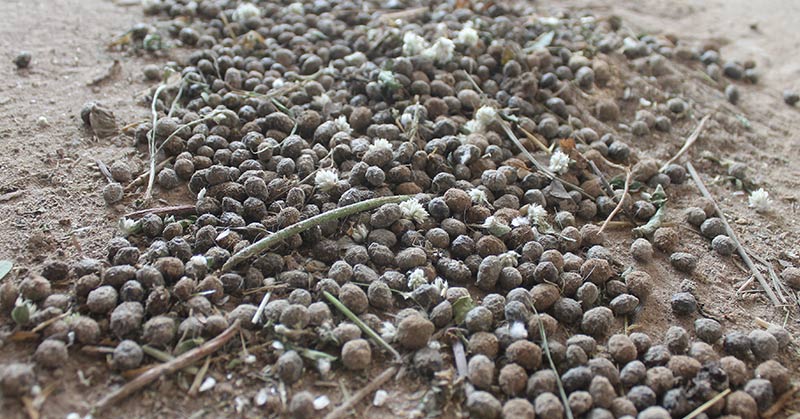
One of the most important steps you can take in September to prepare your garden beds for continuous growth is to enrich the soil with organic matter. Over the course of the growing season, your soil can become depleted of nutrients, which can affect the health and productivity of your plants. By adding compost, well-rotted manure, or other organic materials, you’ll replenish the nutrients in the soil and improve its structure, making it more conducive to healthy root development. I’ve found that a good layer of compost can work wonders for revitalizing tired soil and setting the stage for robust plant growth.
To enrich your soil, spread a thick layer of organic matter over your garden beds, and gently work it into the top few inches of soil. This not only adds nutrients but also improves the soil’s ability to retain moisture, which is crucial for continuous growth. Organic matter also encourages beneficial microbial activity, which plays a key role in breaking down nutrients and making them available to plants. By taking the time to improve your soil in September, you’re giving your garden beds the best possible foundation for ongoing growth.
Planting Cover Crops for Soil Health

Another effective way to prepare your garden beds for continuous growth is by planting cover crops in September. Cover crops, such as clover, rye, or vetch, help protect and enrich the soil during the off-season. These plants prevent soil erosion, suppress weeds, and add valuable organic matter and nutrients when tilled under in the spring. I’ve been using cover crops in my garden for years, and they’ve made a noticeable difference in the health and fertility of my soil.
To plant cover crops, simply broadcast the seeds over your garden beds and lightly rake them into the soil. Water the area well to encourage germination, and within a few weeks, you’ll see a lush green cover forming. As the cover crops grow, their roots help to break up compacted soil, improving its structure and drainage. In the spring, you can till the cover crops into the soil, adding valuable organic matter that will support the growth of your next round of crops. Planting cover crops in September is an easy and effective way to maintain healthy, productive garden beds.
Mulching to Protect and Nourish

Mulching is a crucial practice for protecting your garden beds in September and ensuring continuous growth. A good layer of mulch helps regulate soil temperature, retain moisture, and suppress weeds, all of which contribute to a healthier growing environment. I’ve found that mulching in September not only benefits the plants currently growing but also prepares the beds for the cooler months ahead, reducing the amount of maintenance required.
Organic mulches, such as straw, shredded leaves, or compost, are excellent choices because they gradually break down and add nutrients to the soil. Spread the mulch evenly over your garden beds, being careful not to pile it directly against plant stems to prevent rot. Mulching also provides a layer of protection for the roots of your plants, helping them withstand temperature fluctuations as the weather cools. By keeping your garden beds well-mulched, you’ll support continuous growth and maintain a healthy, productive garden.
Protecting Plants from Early Frost
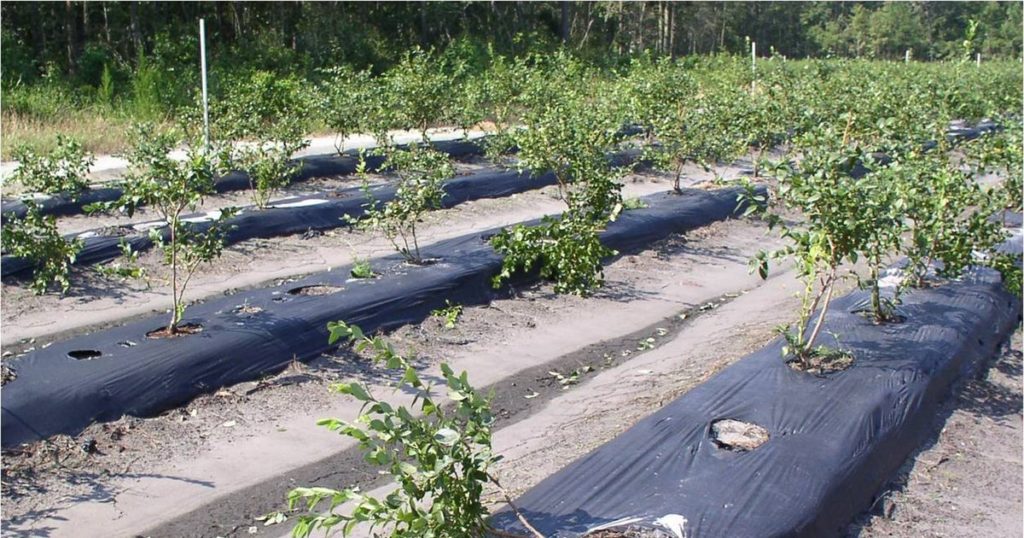
As September progresses, the risk of early frost becomes a concern for many gardeners. Frost can quickly damage or kill tender plants, cutting short your growing season. To protect your garden beds and extend your harvest, it’s important to be prepared for those chilly nights. I’ve had great success using row covers, cloches, and even old sheets to shield my plants from frost, and these simple measures can make a significant difference in preserving your garden.
When frost is in the forecast, cover your plants in the evening, making sure the covers reach the ground to trap warmth. Remove the covers in the morning once the temperature rises to avoid trapping moisture, which can lead to fungal issues. For more delicate plants, consider using cloches or frost blankets, which provide more targeted protection. By taking these precautions, you can protect your garden beds from frost damage and ensure continuous growth even as the weather turns cooler.
Pruning and Deadheading for Continued Growth

September is also an ideal time to prune and deadhead your plants to encourage continued growth and blooming. By removing spent flowers and cutting back overgrown stems, you can redirect the plant’s energy into producing new growth and flowers, extending the growing season. I always make it a point to tidy up my garden beds in September, and it’s amazing how much more vibrant and productive they become with a little extra care.
Focus on removing any dead or diseased foliage first, as well as spent blooms that are no longer contributing to the plant’s overall health. This not only improves the appearance of your garden but also reduces the risk of pests and diseases. For perennials, consider cutting back any overgrown stems to encourage new growth. By keeping your garden beds well-pruned and deadheaded, you’ll enjoy a colorful display of blooms that lasts well into the fall, supporting continuous growth and vibrancy.
Preparing for Next Season with Crop Rotation
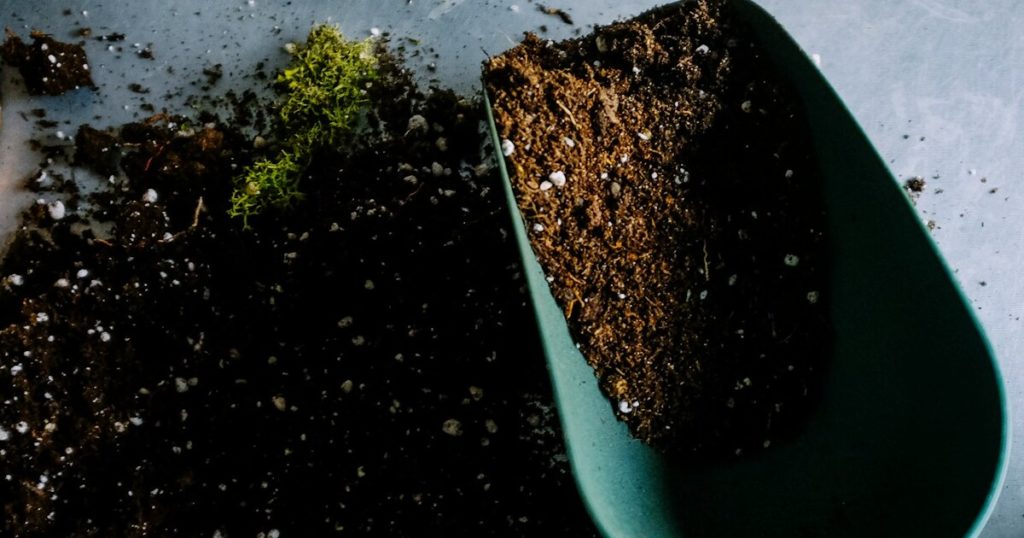
As you prepare your garden beds in September, consider planning for next season by implementing crop rotation. Crop rotation involves changing the types of crops grown in each bed from year to year to prevent soil depletion and reduce the risk of pests and diseases. I’ve found that crop rotation not only helps maintain soil fertility but also promotes healthier plants and better yields over time.
To start, plan out which crops will be planted where next season, ensuring that you don’t plant the same family of crops in the same bed two years in a row. For example, if you grew tomatoes in one bed this year, consider planting legumes or root vegetables in that bed next season. Crop rotation also allows you to take advantage of the different nutrient needs and contributions of various plants, creating a more balanced and productive garden. By planning ahead in September, you’ll set your garden up for success in the coming year.
Monitoring for Pests and Diseases

As the growing season winds down, pests and diseases can become more of a problem, especially as cooler, damp conditions set in. It’s important to keep a close eye on your garden beds and take action at the first sign of trouble. I’ve learned the hard way that pests can quickly get out of control if left unchecked, so staying vigilant in September is crucial for protecting your garden’s health.
Inspect your plants regularly for signs of pests like aphids, caterpillars, and slugs, which can be particularly active in the fall. Remove any affected leaves or plants to prevent the spread of disease, and consider using organic pest control methods like neem oil or insecticidal soap if necessary. For fungal diseases, ensure good air circulation around your plants by spacing them properly and removing any excess foliage. By keeping pests and diseases in check, you’ll help your garden beds stay healthy and productive through the final weeks of the growing season and beyond.
By following these September tips, you can prepare your garden beds for continuous growth and set the stage for a successful growing season. Each of these strategies is designed to help you get the most out of your garden, ensuring that your plants remain healthy, vibrant, and productive as the seasons change.