

As the chill of winter approaches, it’s essential to give your compost pile the attention it needs to continue breaking down organic matter effectively. Winter composting can seem daunting, but with the right strategies, you can maintain a productive pile that will reward you with rich compost come spring. Preparing your compost for the colder months ensures that beneficial microorganisms remain active and that your garden continues to thrive with nutrient-rich soil amendments.
I know how frustrating it can be when your compost slows down or stops altogether as temperatures drop. But fear not! With a few adjustments and some thoughtful planning, you can keep your composting process robust throughout the winter. Whether you’re a seasoned gardener or just starting out, these best practices will help you maintain a healthy compost pile that withstands the winter chill and supports your gardening efforts year-round. Let’s dive into the essential steps to prepare your compost pile for winter!
Insulate Your Compost Pile

One of the most crucial steps in preparing your compost pile for winter is ensuring it stays warm enough for decomposition to continue. Insulating your compost pile helps retain the heat generated by microbial activity, which is vital for breaking down organic materials even in colder temperatures. You can achieve this by covering the pile with a thick layer of straw, hay, or shredded leaves. These materials act as a natural blanket, protecting the compost from freezing temperatures and maintaining an optimal environment for microorganisms to thrive.
In addition to insulating materials, consider building a compost bin with good insulation properties. Wooden bins with thick walls or even adding an extra layer of cardboard around your existing bin can significantly enhance heat retention. By keeping your compost warm, you encourage the presence of beneficial bacteria and fungi that continue to break down the organic matter, ensuring that your compost pile remains active and productive throughout the winter months. This not only speeds up the decomposition process but also helps prevent your compost from becoming a frozen, inactive mass.
Balance Greens and Browns
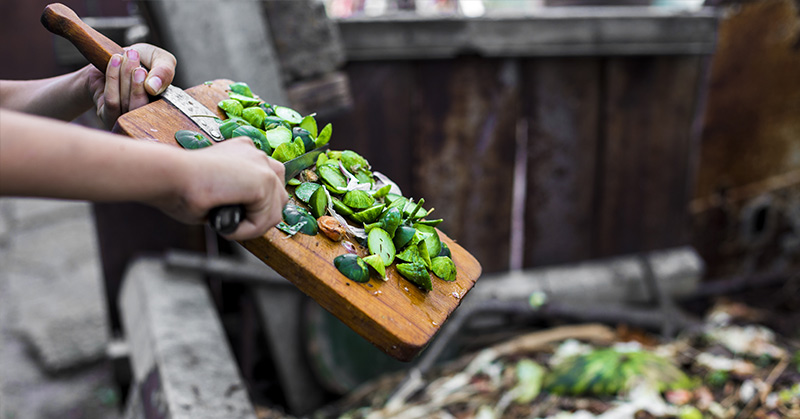
Maintaining the right balance of green and brown materials is essential for a healthy compost pile, especially during winter. Greens, such as kitchen scraps and fresh grass clippings, provide the nitrogen necessary for microbial activity, while browns, like dried leaves and straw, supply the carbon needed for energy. A balanced mix ensures that your compost remains active and continues to decompose efficiently, even when temperatures drop. Aim for a ratio of about three parts brown to one part green to keep your compost pile healthy and vibrant.
In the winter, it can be challenging to maintain this balance as green materials become scarcer. To compensate, increase the amount of brown materials you add to your compost pile. Incorporate items like shredded newspaper, cardboard, and dried plant debris to boost the carbon content. This not only helps maintain the necessary balance but also provides additional insulation, keeping your compost warmer. By carefully managing the ratio of greens to browns, you ensure that your compost pile remains nutrient-rich and continues to break down effectively, providing you with high-quality compost when spring arrives.
Protect from Pests

Winter can attract unwanted pests to your compost pile, such as rodents and insects, seeking warmth and food. Protecting your compost from these intruders is crucial to maintaining a healthy and efficient decomposition process. One effective method is to use a compost bin with a secure lid and fine mesh to keep pests out while allowing airflow. Additionally, avoid adding meat, dairy, or oily foods to your compost, as these can attract unwanted animals and create unpleasant odors.
Another strategy to deter pests is to bury kitchen scraps deeper into the compost pile. By regularly turning your compost and ensuring that food waste is well-covered with brown materials, you make it less accessible to pests. Incorporating natural deterrents, such as placing cedar chips or citrus peels around the compost area, can also help keep unwanted visitors at bay. By taking these precautions, you create a pest-resistant environment that allows your compost pile to remain active and productive throughout the winter months, free from disruptions caused by unwanted animals.
Monitor Moisture Levels

Maintaining the correct moisture level in your compost pile is essential for effective decomposition, especially during the winter when moisture can evaporate more slowly. Aim for a moisture content similar to that of a damp sponge—moist but not soggy. If your compost becomes too dry, decomposition will slow down, and if it becomes too wet, it can lead to unpleasant odors and discourage beneficial microorganisms. Regularly check the moisture level by squeezing a handful of compost; it should hold together without dripping water.
During winter, moisture can be harder to manage due to reduced rainfall and increased evaporation from cold winds. To counteract this, cover your compost pile with a tarp or use a compost bin with a lid to help retain moisture. You can also add water during dry spells, but be careful not to overdo it. Incorporating moist green materials, such as kitchen scraps, can help maintain the necessary moisture levels. By keeping your compost pile properly hydrated, you ensure that the microbial activity remains strong, promoting continuous decomposition and producing high-quality compost even in the colder months.
Turn the Compost Regularly

Turning your compost pile is a vital practice that ensures proper aeration and even decomposition. Regularly aerating the pile by turning it with a pitchfork or compost turner introduces oxygen, which is essential for the aerobic microorganisms responsible for breaking down organic matter. In the winter, turning your compost less frequently may be necessary due to the slower decomposition rates, but it’s still important to check the pile periodically to maintain airflow and prevent compaction.
Even in colder temperatures, turning your compost can help distribute heat more evenly throughout the pile, preventing certain areas from freezing while others remain active. Aim to turn your compost every few weeks during the winter, adjusting based on the specific conditions of your pile. This practice not only promotes consistent decomposition but also helps identify any potential issues, such as excessive moisture or pest activity. By maintaining a regular turning schedule, you keep your compost pile dynamic and healthy, ensuring that it continues to produce nutrient-rich compost throughout the winter season.
Add Winter-Friendly Materials

Incorporating winter-friendly materials into your compost pile can significantly enhance its ability to decompose during the colder months. Materials such as shredded newspaper, straw, and sawdust are excellent sources of carbon that help insulate the pile and provide the necessary structure for airflow. Additionally, adding high-nitrogen materials like coffee grounds and green plant trimmings can boost microbial activity, ensuring that decomposition continues even when temperatures drop.
Avoid adding materials that are slow to break down or that can attract pests, such as large branches or meat products. Instead, opt for easily decomposable items that will integrate smoothly into the compost pile. Consider using compost accelerators or adding finished compost from earlier seasons to introduce more active microorganisms into the pile. These winter-friendly materials not only support ongoing decomposition but also help maintain the balance of greens and browns, ensuring that your compost remains rich and productive throughout the winter months.
Cover Your Compost Pile

Properly covering your compost pile is essential for protecting it from harsh winter elements and maintaining optimal decomposition conditions. A sturdy cover, such as a tarp, plastic sheet, or a specialized compost lid, helps retain heat and moisture within the pile, creating a stable environment for microbial activity. This protection is especially important during heavy snowfall or rain, which can disrupt the composting process and lead to soggy, smelly compost.
In addition to retaining heat and moisture, a cover also helps prevent moisture loss due to wind and cold temperatures. It acts as a barrier against pests and helps keep the compost dry, reducing the risk of unpleasant odors and unwanted animal visits. When selecting a cover, ensure it is breathable to allow for proper airflow while still providing sufficient protection. By consistently covering your compost pile, you create a resilient and controlled environment that supports continuous decomposition and ensures that your compost remains productive throughout the winter season.
Use a Compost Bin or Enclosure

Using a compost bin or enclosure can greatly enhance the efficiency and protection of your compost pile during winter. Compost bins, whether made of wood, plastic, or wire mesh, provide a structured environment that helps contain the compost materials and retain heat more effectively. Enclosures also offer additional protection against harsh weather, pests, and excess moisture, ensuring that your compost remains active and healthy throughout the colder months.
Choosing the right type of compost bin is important for winter composting. Insulated bins or those with thick walls can better retain heat, while covered bins protect against snow and rain. Some gardeners prefer enclosed compost tumblers, which make turning the compost easier and help maintain consistent moisture levels. By investing in a quality compost bin or enclosure, you create a controlled environment that supports continuous decomposition, protects your compost from the elements, and makes winter composting more manageable and efficient. This investment not only benefits your composting efforts but also contributes to a more sustainable and productive garden year-round!
Consider Location
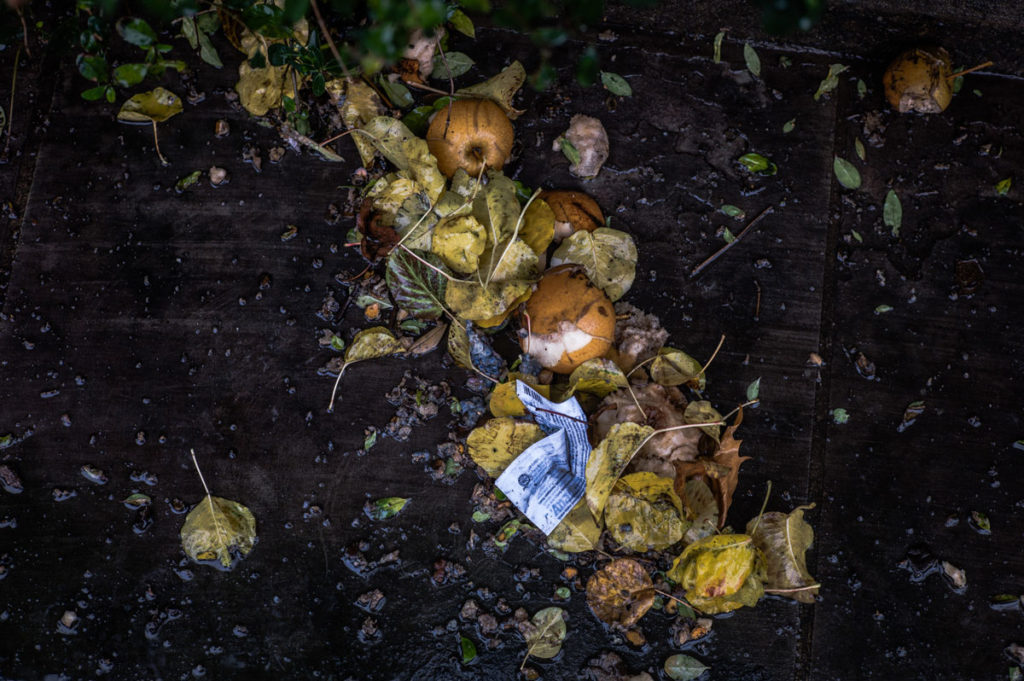
The location of your compost pile plays a significant role in its ability to withstand winter conditions and continue decomposing efficiently. Position your compost pile in a spot that receives some sunlight during the day, as this can help maintain internal temperatures and promote microbial activity. Additionally, choose a sheltered location that is protected from strong winds and heavy precipitation, which can disrupt the composting process and cause moisture imbalance.
Proximity to your garden is another important factor to consider when selecting a location for your compost pile. Placing it near your garden allows for easy access when adding materials and using the finished compost. Furthermore, positioning the pile against a south-facing wall or fence can provide additional warmth and protection from the elements, enhancing the compost’s ability to stay active during winter. By thoughtfully selecting the location of your compost pile, you create an environment that supports continuous decomposition, protects against harsh winter conditions, and makes the composting process more convenient and effective throughout the colder months.
Start with a Hot Pile

Starting your winter compost pile with a hot pile is an excellent strategy to ensure it remains active even in colder temperatures. A hot compost pile generates its own heat through the metabolic activity of microorganisms breaking down organic matter. To create a hot pile, build your compost with a balanced mix of green and brown materials, and ensure it is large enough to retain heat—ideally at least 3 feet wide and high. Piling the materials tightly together helps insulate the core of the compost, maintaining high temperatures that facilitate rapid decomposition.
Once your hot compost pile is established, monitor its temperature regularly to ensure it stays within the optimal range for microbial activity (between 130°F and 160°F). If the temperature starts to drop, add more green materials or turn the pile to reintroduce oxygen and boost microbial activity. Maintaining a hot pile throughout the winter not only speeds up the composting process but also helps kill off any pathogens or weed seeds that may be present in the materials. By starting with a hot pile, you set the foundation for a vigorous and efficient composting process that continues to thrive even as the winter chill sets in, providing you with rich compost ready for your garden in the spring!