

As the vibrant greens of summer transition into the rich hues of autumn, it’s time to turn your attention to preparing your lawn for the upcoming winter months. Proper winter preparation not only protects your grass from the harsh cold but also sets the stage for a lush, healthy lawn in the spring. It’s such a satisfying feeling to know that with a bit of effort now, your lawn will emerge from winter looking its best!
I totally understand how overwhelming it can be to tackle winter lawn care, especially when you’re juggling other seasonal tasks. You might be wondering where to start or which practices will make the most significant difference. But fear not! With the right strategies and a bit of knowledge, you can ensure your lawn remains resilient and vibrant through the winter chill. Let’s explore some of the best practices for preparing your lawn areas for winter, each designed to enhance its health and beauty during the colder months!
Aerating the Soil
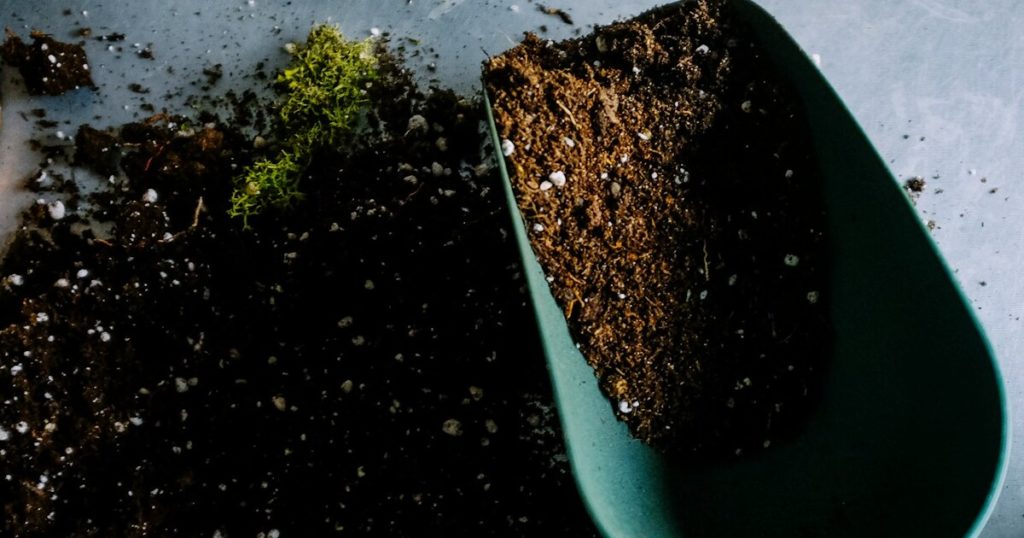
Aerating your lawn is one of the most crucial steps in winter preparation, and it’s a practice I highly recommend! Aeration involves perforating the soil with small holes to allow air, water, and nutrients to penetrate the grass roots. This process helps alleviate soil compaction, which is common in high-traffic areas, ensuring that your lawn remains healthy and strong. By aerating in late fall, you give your grass the ability to absorb essential nutrients more effectively, promoting robust growth when spring arrives.
Additionally, aeration helps reduce thatch buildup—a layer of dead and living grass stems, roots, and debris that can prevent water and nutrients from reaching the soil. Thatch can harbor pests and diseases, so thinning it out through aeration contributes to a healthier lawn. Native grass species, such as Kentucky bluegrass or perennial ryegrass, particularly benefit from aeration as it enhances their natural resilience against winter stresses. Embrace aerating as a key part of your winter lawn care routine, and watch your grass thrive even in the coldest months!
Fertilizing the Lawn
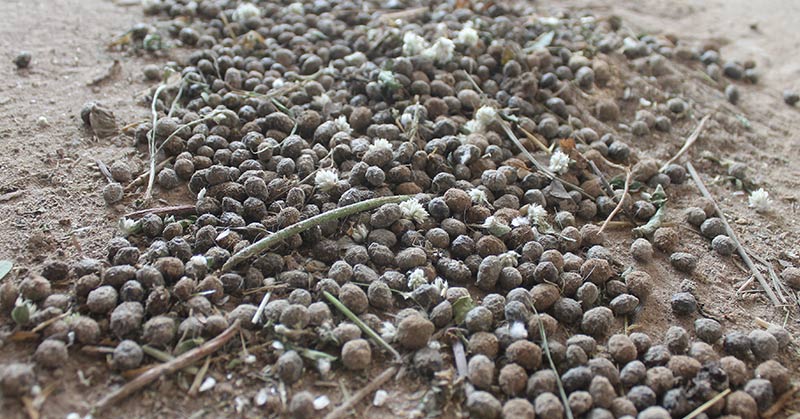
Fertilizing your lawn in late fall is essential for providing the nutrients needed to strengthen grass roots and prepare for winter dormancy. One of my favorite fertilizers to use is a high-potassium blend, which helps enhance the grass’s ability to withstand cold temperatures and resist winter diseases. Potassium is vital for improving the overall hardiness of your lawn, ensuring it remains lush and green even under snow and ice. Applying fertilizer now gives your lawn a nutritional boost that supports vigorous growth in the spring.
Moreover, fertilizing in late fall helps replenish the soil with essential minerals that may have been depleted during the growing season. It also encourages the development of a deeper root system, which is crucial for accessing water and nutrients during the winter months when resources are scarce. Be sure to choose a slow-release fertilizer to provide a steady supply of nutrients over several months, reducing the risk of nutrient runoff and ensuring your lawn receives consistent nourishment. By fertilizing your lawn in late fall, you’re investing in its long-term health and resilience!
Mowing Practices

Adjusting your mowing practices as winter approaches is a simple yet effective way to prepare your lawn for the colder months. One of the key adjustments is lowering the mower blade to ensure that your grass is cut to an optimal height. Cutting your grass slightly shorter in the fall helps reduce the risk of snow mold and other winter diseases by allowing more sunlight and air to reach the soil surface. However, be careful not to cut it too short, as this can stress the grass and make it more susceptible to winter damage.
Additionally, it’s important to continue mowing your lawn until it stops growing, even as temperatures drop. This helps prevent the buildup of thatch and ensures that your lawn remains healthy and uniform. If you notice any areas where the grass is thinning, overseeding during this time can help fill in those gaps and promote a thicker, more resilient lawn. By tweaking your mowing habits, you’re helping your grass maintain its strength and beauty, ensuring it’s well-prepared to face the winter chill!
Overseeding Thin Areas

Overseeding is a fantastic way to address thin or bare spots in your lawn, and doing so in late fall can yield impressive results! This process involves spreading grass seed over existing turf to encourage new growth and improve the overall density of your lawn. Overseeding in the fall allows the seeds to establish strong root systems before the winter sets in, giving them a head start for spring growth. It’s such a rewarding practice to see those thin areas transform into lush, green patches come springtime!
Choosing the right type of grass seed is crucial for successful overseeding. Opt for cool-season grasses like perennial ryegrass or fine fescues, which are well-suited to the cooler temperatures of late fall and winter. These grasses are not only hardy but also blend seamlessly with existing turf, creating a uniform and resilient lawn. Additionally, overseeding helps increase the genetic diversity of your lawn, making it more resistant to pests and diseases. Embrace overseeding as a key strategy for maintaining a thick and healthy lawn, even during the winter months!
Raking Leaves
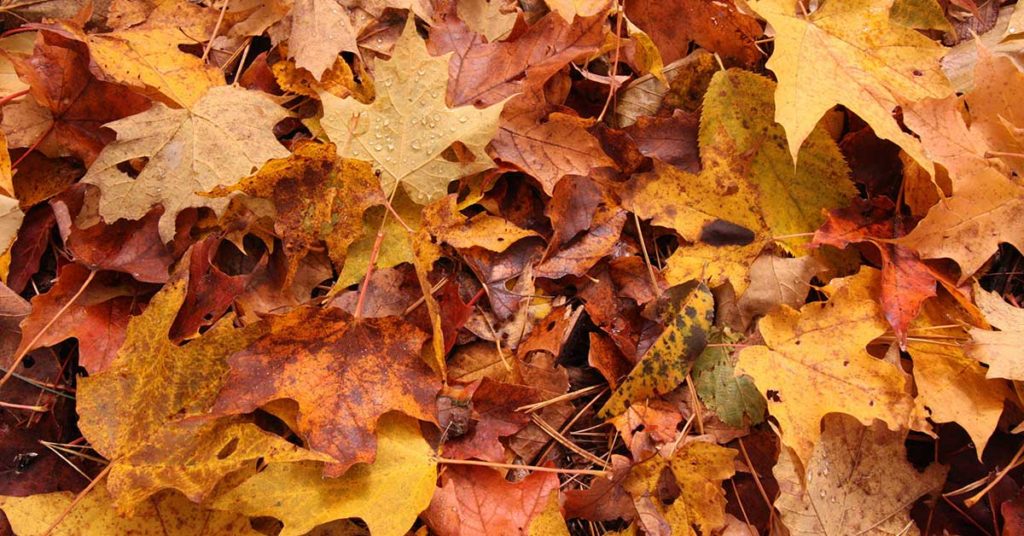
Raking leaves is an essential task in preparing your lawn for winter, and it’s something I always make sure to do diligently! Leaving a thick layer of leaves on your lawn can suffocate the grass, block sunlight, and create a breeding ground for pests and diseases. By removing fallen leaves, you help maintain proper air circulation and light penetration, ensuring that your grass remains healthy and robust through the winter.
However, you don’t have to toss all the leaves away! Instead, consider using them as mulch or compost. Shredded leaves make excellent mulch, helping to retain soil moisture, suppress weeds, and add organic matter to the soil as they decompose. Alternatively, adding shredded leaves to your compost pile can enrich your compost with valuable nutrients that will benefit your garden in the spring. By managing fallen leaves effectively, you’re not only protecting your lawn but also contributing to a sustainable and nutrient-rich garden environment!
Pest Control

Addressing pest issues before winter is crucial for maintaining a healthy lawn, and it’s something I take very seriously! Pests like grubs, chinch bugs, and sod webworms can cause significant damage to your grass, weakening it and making it more susceptible to winter stress. Implementing a pest control plan in late fall helps prevent these pests from thriving and causing long-term harm to your lawn. Whether you choose natural remedies or chemical treatments, taking proactive steps can make a big difference in protecting your grass.
One effective natural method is to introduce beneficial nematodes, which are microscopic worms that target and kill harmful grubs without affecting other wildlife. Additionally, applying neem oil or insecticidal soaps can help manage pest populations without harming beneficial insects or the environment. Maintaining proper lawn care practices, such as regular mowing, aeration, and fertilization, also contributes to a healthier lawn that can better resist pest infestations. By prioritizing pest control now, you ensure that your lawn remains strong and vibrant, ready to withstand the challenges of winter!
Watering Techniques

Proper watering techniques are essential for preparing your lawn for winter, and it’s something I always keep in mind! As the weather cools, your lawn’s water needs change, and adjusting your watering schedule accordingly helps maintain healthy grass. It’s important to reduce the frequency of watering as the grass enters its dormant phase, but ensure that it still receives adequate moisture to prevent drought stress. Overwatering can lead to shallow root growth and make your lawn more susceptible to winter damage, so finding the right balance is key.
Additionally, deep watering is beneficial in the fall, as it encourages deeper root development, which is crucial for winter resilience. Aim to water your lawn deeply but infrequently, allowing the grass to absorb sufficient moisture without becoming waterlogged. This practice helps the roots extend deeper into the soil, providing better access to nutrients and enhancing overall lawn strength. By fine-tuning your watering techniques, you support your lawn’s health and ensure it remains robust and vibrant throughout the winter months!
Applying Lawn Treatments

Applying lawn treatments in late fall is a smart way to protect your grass from winter stresses and promote healthy growth in the spring. One of my favorite treatments is applying a pre-emergent herbicide, which helps prevent winter weeds like annual bluegrass and chickweed from taking hold. By applying this treatment before the first frost, you create a barrier that inhibits weed seed germination, keeping your lawn clean and weed-free throughout the winter.
Additionally, applying a fall-specific fertilizer can provide your lawn with the necessary nutrients to strengthen roots and improve overall health. Look for fertilizers with a higher potassium content, which enhances the grass’s ability to withstand cold temperatures and resist diseases. Another important treatment is overseeding, which involves spreading grass seed over existing turf to fill in gaps and promote a thicker, more resilient lawn. By incorporating these lawn treatments into your winter preparation routine, you ensure that your grass remains healthy, strong, and ready to thrive when spring arrives!