

As the chill of autumn sets in and the days grow shorter, preparing your greenhouse for winter gardening becomes essential for ensuring a successful and vibrant growing season. A well-prepared greenhouse can provide a protected environment where your plants thrive despite the harsh outdoor conditions. Whether you’re a seasoned gardener looking to extend your growing season or a beginner eager to explore the possibilities of winter gardening, taking the right steps now will pay off with lush, healthy plants throughout the colder months. I’m excited to share my top tips and strategies to help you transform your greenhouse into a winter sanctuary that supports your gardening dreams!
Winter gardening in a greenhouse offers numerous benefits, from protecting delicate plants from frost and extreme temperatures to enabling the cultivation of exotic species that wouldn’t survive outdoors. By creating a controlled environment, you can maintain optimal growing conditions, manage pests more effectively, and experiment with a wider variety of plants. Additionally, preparing your greenhouse for winter involves not only physical adjustments but also careful planning of your plant selections and maintenance routines. Let’s delve into the essential steps for winter-proofing your greenhouse, ensuring that your garden remains a thriving oasis even as the temperatures drop!
Insulating Your Greenhouse

One of the most crucial steps in preparing your greenhouse for winter is ensuring it is well-insulated to retain heat and protect your plants from freezing temperatures. Start by checking for any gaps or cracks in the greenhouse structure and sealing them with weatherproof caulk or insulation tape. This prevents cold drafts from entering and warm air from escaping, creating a more stable internal environment. Additionally, consider adding thermal screens or insulating curtains to the inside of your greenhouse. These can be drawn during the night to provide an extra layer of insulation, significantly reducing heat loss and maintaining a consistent temperature for your plants.
Another effective method for insulating your greenhouse is to use double glazing or adding an extra layer of plastic sheeting over the existing panels. Double glazing provides superior insulation by trapping air between the two layers, which acts as a barrier against the cold. If double glazing is not feasible, layering plastic sheeting can also enhance insulation, although it may require more frequent maintenance to prevent moisture buildup. Incorporating thermal mass, such as water barrels or stone walls, can also help stabilize temperatures by absorbing heat during the day and releasing it slowly at night. By thoroughly insulating your greenhouse, you create a warm and comfortable environment that protects your plants from the harshest winter elements, ensuring their continued growth and vitality.
Heating Systems for Consistent Warmth

Maintaining a consistent temperature is vital for the success of winter gardening in a greenhouse. Investing in an efficient heating system can make a significant difference in keeping your plants healthy and thriving. There are several heating options to consider, including electric heaters, gas heaters, and radiant heating systems. Electric heaters are easy to install and control, making them a popular choice for small to medium-sized greenhouses. They provide reliable warmth without the need for extensive ventilation, ensuring a steady temperature that supports plant growth.
Gas heaters, on the other hand, are ideal for larger greenhouses due to their high heat output and efficiency. They can quickly raise the temperature in your greenhouse, providing the necessary warmth during extremely cold spells. However, gas heaters require proper ventilation to prevent the buildup of carbon monoxide and ensure safety. Radiant heating systems, such as underfloor heating or panel heaters, offer a more uniform distribution of heat, minimizing cold spots and creating a comfortable environment for your plants. Whichever heating system you choose, it’s essential to monitor and adjust the temperature regularly to maintain optimal growing conditions and prevent overheating, ensuring that your greenhouse remains a cozy haven for your plants throughout the winter.
Ventilation and Humidity Control

Even during the winter months, proper ventilation and humidity control are essential for maintaining a healthy greenhouse environment. Stagnant air can lead to the buildup of excess humidity, increasing the risk of fungal diseases and pests that can damage your plants. Installing automatic vent openers or using manually operated vents ensures adequate air circulation, allowing fresh air to enter and moisture to escape. Proper ventilation helps regulate temperature and humidity levels, creating an optimal environment for plant growth while preventing the development of harmful conditions.
In addition to ventilation, controlling humidity is crucial for preventing issues like mold, mildew, and root rot. Using a hygrometer to monitor humidity levels provides valuable insights into when to adjust ventilation or use dehumidifiers. In cases where humidity is too high, dehumidifiers or moisture absorbers can be employed to reduce excess moisture in the air. Conversely, if the air becomes too dry, misting systems or humidifiers can be used to increase humidity levels, ensuring that your plants receive the right amount of moisture to thrive. Balancing ventilation and humidity control creates a stable and healthy environment that supports the growth and resilience of your winter greenhouse plants, keeping them lush and vibrant despite the cold outdoor conditions.
Selecting Winter-Resilient Plants
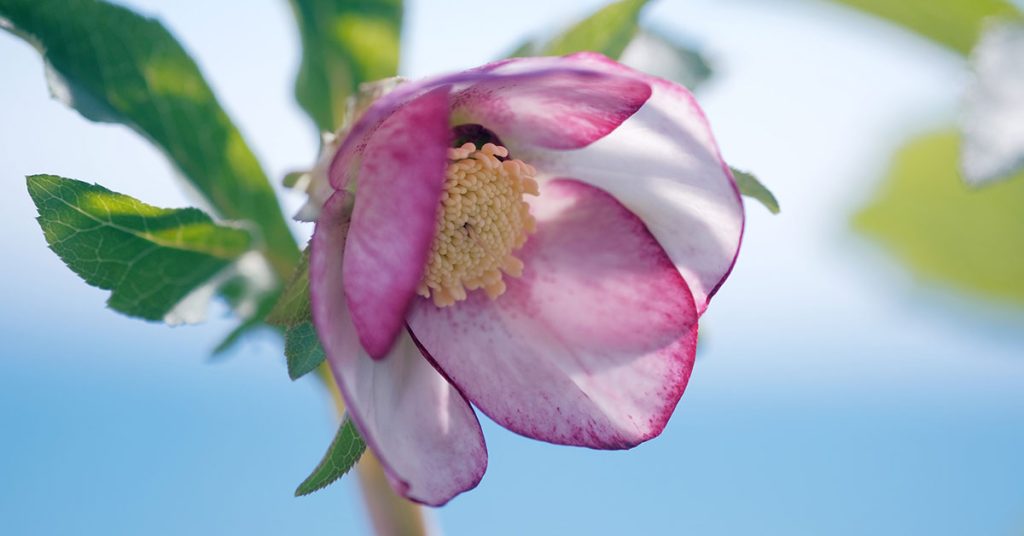
Choosing the right plants is fundamental to achieving winter gardening success in your greenhouse. Opt for winter-resilient varieties that can withstand lower temperatures and continue to thrive in a controlled environment. Native plants like the Hellebore (Helleborus spp.), native to Europe, are excellent choices for winter greenhouses due to their ability to bloom in cold conditions and provide early-season color. Additionally, hardy herbs such as rosemary (Rosmarinus officinalis) native to the Mediterranean, thyme (Thymus vulgaris) native to Europe, and parsley (Petroselinum crispum) native to the Mediterranean region, can flourish in winter greenhouses, offering fresh flavors for your culinary endeavors even during the colder months.
Furthermore, incorporating shade-tolerant and low-light plants can maximize the use of your greenhouse space, especially during the shorter days of winter. Plants like the native English Ivy (Hedera helix), which is non-invasive in controlled environments, provide lush greenery and can be trained to grow vertically, saving space and adding texture to your greenhouse. Additionally, flowering plants such as Cyclamen (Cyclamen persicum) native to the Mediterranean, offer vibrant blooms that brighten up the winter landscape and attract beneficial pollinators. By selecting a diverse range of winter-resilient plants, you ensure a continuous display of color and productivity, creating a dynamic and thriving greenhouse garden that withstands the challenges of the winter season!
Managing Light Exposure

Adequate light exposure is essential for the success of winter gardening in a greenhouse, as shorter days and reduced sunlight can affect plant growth and development. Maximizing natural light by keeping greenhouse windows clean and free of obstructions ensures that your plants receive the maximum possible light during the day. Additionally, strategically placing plants to take advantage of the available light sources helps optimize growth, with taller plants positioned towards the back and shorter plants towards the front to prevent shading.
Supplementing natural light with artificial lighting is also crucial during the winter months to ensure that plants receive the necessary light intensity and duration for healthy growth. Installing grow lights, such as LED or fluorescent fixtures, can provide the supplemental light needed to extend the growing hours and support photosynthesis. Timers and light sensors can automate the lighting schedule, ensuring that plants receive consistent light without the need for manual adjustments. By effectively managing light exposure through a combination of natural and artificial sources, you create an optimal growing environment that supports the health and productivity of your winter greenhouse plants, keeping your garden vibrant and thriving throughout the coldest months!
Watering and Drainage Techniques
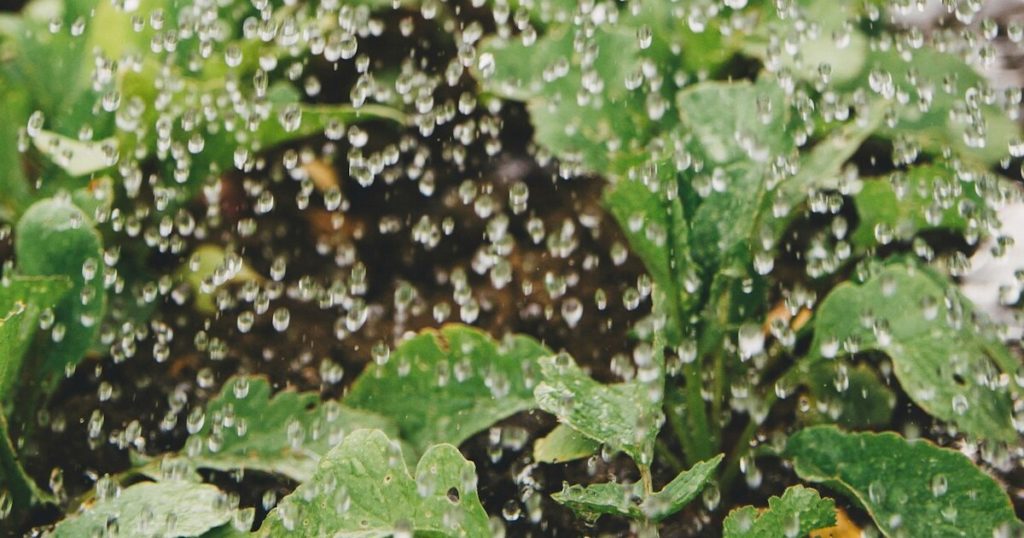
Proper watering and drainage are critical components of winter greenhouse maintenance, as the colder temperatures can affect soil moisture levels and plant health. Overwatering is a common issue in winter greenhouses, as plants require less water during their dormant or slow-growth periods. To prevent root rot and other moisture-related problems, it’s essential to adjust your watering schedule accordingly, allowing the soil to dry out slightly between watering sessions. Using moisture meters can help monitor soil moisture levels accurately, ensuring that plants receive the right amount of water without becoming waterlogged.
Additionally, ensuring excellent drainage in your greenhouse is vital for preventing excess moisture buildup and maintaining healthy root systems. Incorporating drainage trays, using well-draining potting mixes, and avoiding overfilling containers can help manage water flow effectively. Adding perlite or sand to your soil mix enhances aeration and drainage, reducing the risk of water retention and promoting healthier plant growth. By implementing efficient watering and drainage techniques, you create a balanced and healthy environment for your winter greenhouse plants, ensuring that they receive the hydration they need without the negative effects of excess moisture, ultimately supporting their continued growth and vitality throughout the winter season.
Utilizing Thermal Mass for Temperature Regulation

Incorporating thermal mass into your greenhouse design is an excellent strategy for regulating temperature and maintaining a stable environment during the winter months. Thermal mass materials, such as water barrels, stone walls, or concrete floors, absorb heat during the day and release it slowly at night, helping to moderate temperature fluctuations and prevent drastic drops in temperature. For example, placing water barrels near the greenhouse walls can store excess heat absorbed during sunny days and radiate warmth when temperatures drop, creating a more consistent and comfortable climate for your plants.
Additionally, using materials with high thermal mass can enhance the overall energy efficiency of your greenhouse, reducing the need for supplemental heating and lowering energy costs. Stone or brick walls, for instance, not only add aesthetic appeal but also serve as effective heat sinks that stabilize the internal temperature. Incorporating insulated water tanks or using phase change materials (PCMs) can further optimize thermal mass benefits, providing precise temperature control and enhancing the resilience of your winter greenhouse environment. By utilizing thermal mass for temperature regulation, you create a more stable and energy-efficient greenhouse that supports the health and growth of your plants, ensuring a successful and sustainable winter gardening season!