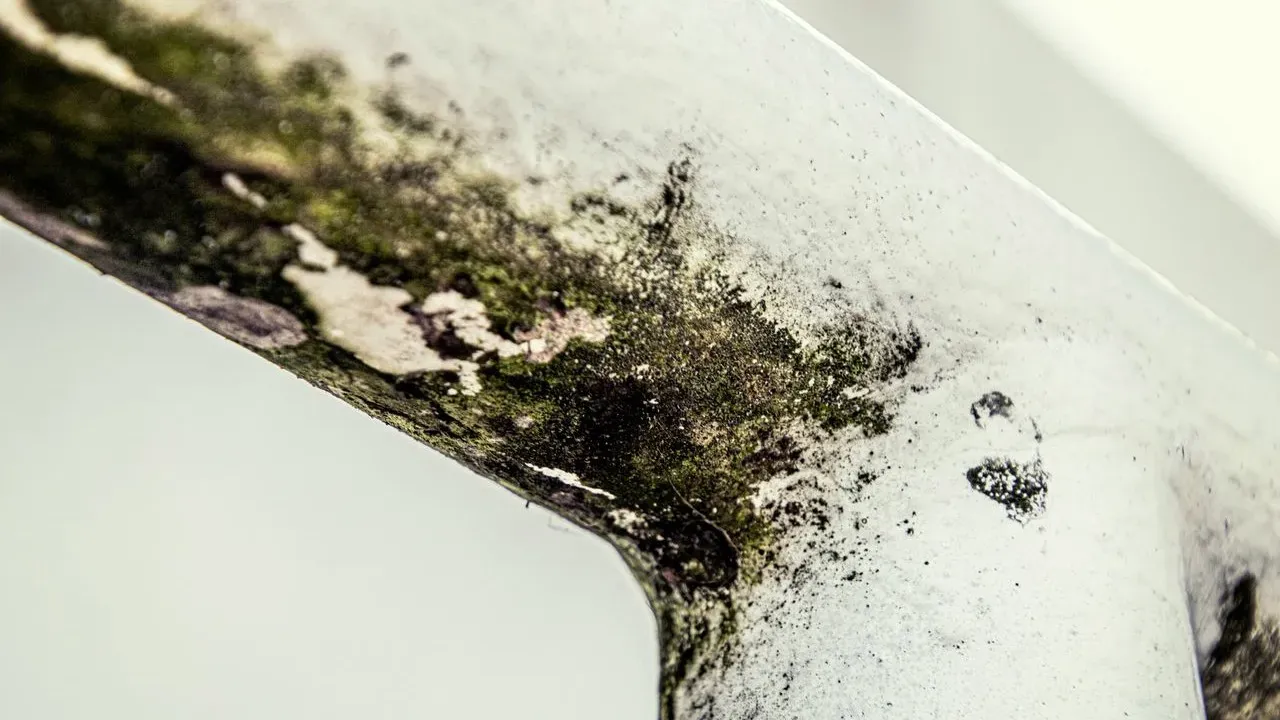

Gardeners are reporting white, powdery patches on zucchini, cucumbers, and melons right now as mid-summer heat and humidity set in. The fungal disease moves quickly from leaf to leaf and can limit growth while reducing flower and fruit production if it takes hold. Early action matters because unchecked outbreaks often force gardeners to remove entire plants before harvest ends.
Why the Problem Surfaces at This Time of Year
Warm days paired with evening moisture create ideal conditions for the fungus to establish itself on susceptible crops. Zucchini and cucumbers, in particular, show symptoms first because their broad leaves trap humidity close to the surface. Melons follow soon after when vines fill out and airflow drops. The pattern repeats every season in home gardens where these vegetables grow close together.
Once spores land, they multiply rapidly under the right temperatures. Leaves turn pale, then develop the characteristic coating that blocks sunlight and weakens the plant. Fruit set suffers as energy shifts away from reproduction toward fighting the infection.
Recognizing the Early Signs Before Spread Accelerates
The first visible clue is usually a faint white dusting on the upper surface of older leaves. It can look like flour or dust at a glance, but close inspection reveals a living layer that wipes off yet returns within days. Undersides of leaves and stems often show the same growth shortly afterward.
Stunted new growth and yellowing around the edges of affected leaves follow quickly. Gardeners who check plants every few days catch the issue while it remains localized. Waiting until entire vines look coated makes recovery far more difficult.
Practical Steps That Limit Further Damage
Improving air circulation around plants reduces the moisture the fungus needs. Removing lower leaves that touch the ground and spacing future plantings farther apart both help. Watering at the base rather than overhead keeps foliage drier during the critical evening hours.
Resistant varieties offer longer-term protection for next season. Many seed companies now list mildew-resistant zucchini and cucumber options that maintain productivity even when conditions favor the disease. Rotating crops and clearing debris at season’s end also lowers the chance of spores overwintering in the soil.
Organic Spray Options That Show Consistent Results
Several organic treatments stand out when applied at the first sign of trouble. Horticultural oils and neem-based products work by smothering spores on contact and provide some protective residue. Potassium bicarbonate products act more directly by altering surface conditions the fungus cannot tolerate.
Baking soda mixtures, when combined with a small amount of oil and soap, change leaf surface pH enough to slow new spore germination. Milk diluted with water has shown similar effects in repeated trials on cucurbits. None of these options eliminate an advanced infection overnight, yet regular use at seven-to-ten-day intervals often keeps damage manageable through the rest of the season.
Application timing matters. Early morning or late evening sprays reduce the risk of leaf burn, and thorough coverage of both leaf surfaces improves outcomes. Reapplication after heavy rain restores protection that washes away.
Looking Ahead to Healthier Harvests
Consistent monitoring combined with the right cultural practices and targeted organic sprays gives gardeners the best chance of protecting this year’s zucchini, cucumber, and melon crops. The same steps also reduce pressure for future plantings. Many gardeners find that a combination of prevention and timely treatment keeps powdery mildew from becoming a recurring crisis rather than an occasional setback.
AI Disclaimer: This article was created with the assistance of AI tools and reviewed by a human editor.