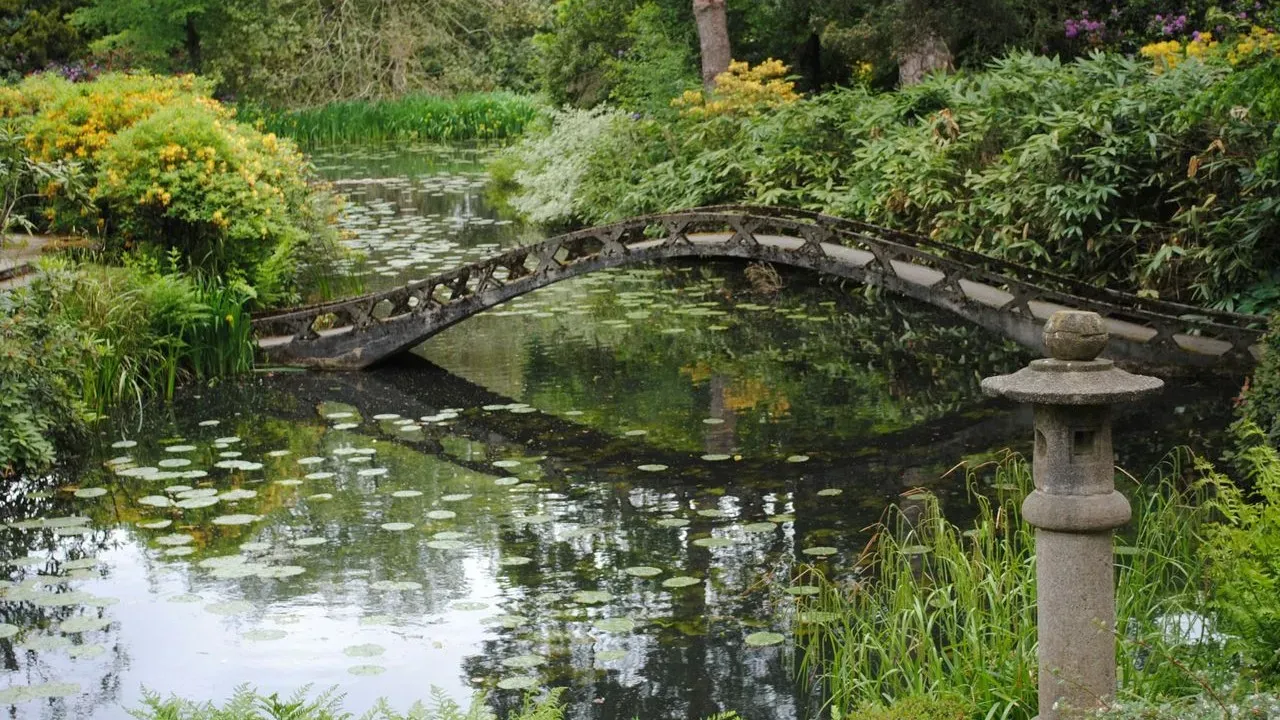

Frederick, Maryland – A modest pond installed in early 2024 quickly revealed its limits for one homeowner, prompting a full redesign that doubled the water feature and reorganized surrounding plantings and paths. The change addressed practical frustrations with scale while creating more room for both edible crops and native species on a quarter-acre lot.
Initial Setup and Growing Regret
Brittany moved to the Frederick property in 2022 and began landscaping near the patio with a bed along the fence line. By early 2024 she added a small pond and initial paths, aiming for a compact water element that fit the available space. The feature brought immediate enjoyment, yet the surrounding plantings felt cramped and the pond itself appeared undersized once established. The decision to start over came in fall 2025. Removing the original pond allowed excavation of a larger basin and expansion of the perimeter planting area. Although the reset required redoing recent work, the added space proved worth the effort by opening opportunities for denser, more varied plantings.
Redesign Focus on Paths and Integration
Spring 2026 brought new paths, an archway, and layered plantings that connect the enlarged pond directly to the patio. The layout emphasizes high-density use of the lot while improving circulation and visual flow. Edible vines now climb the arch, blending productive crops with ornamental and wildlife-supporting species in a single cohesive space. This approach avoids strict separation between food production and habitat plantings. Instead, the garden layers functions so that berries and beans grow alongside perennials that attract pollinators and birds.
Plant Choices and Establishment Phase
Edible selections include goumi berry, strawberries, boysenberry, blueberries, Virginia groundnut, and lima beans trained on the arch. Native perennials such as goldenrod, asters, coneflowers, American elderberry, black-eyed Susans, yarrow, and creeping phlox form the backbone of the beds. Annual fillers like zinnias, sunflowers, and petunias provide color while the perennials mature. The timeline reflects deliberate pacing: sheet mulching and early fence-line plantings preceded the pond work, and the 2026 redesign built on that foundation. Establishment remains ongoing, with the gardener monitoring how the mix evolves over coming seasons.
Practical Outcomes for the Homeowner
The larger pond perimeter delivered the most immediate benefit by increasing planting real estate without expanding the overall footprint. Paths now guide movement through the space, and the arch creates a defined transition between patio and garden. These adjustments reduce the sense of constraint that marked the first version. Brittany continues to refine the area with an emphasis on edibles and natives, treating the project as an iterative process rather than a finished installation. The result demonstrates how one element’s shortcomings can drive broader improvements that better match daily use and long-term goals.
AI Disclaimer: This article was created with the assistance of AI tools and reviewed by a human editor.