
Pointed Sweetheart Cabbage is a delightful and unique addition to your garden. This cabbage variety, renowned for its distinct pointed shape and sweet flavor, is a favorite among gardeners and chefs alike. With its vibrant green leaves and compact size, Pointed Sweetheart Cabbage is not only visually appealing but also versatile in the kitchen.
Whether you’re a seasoned gardener or a beginner, this article will guide you through everything you need to know about growing, caring for, and enjoying the delicious Pointed Sweetheart Cabbage in your own backyard. So, grab your gardening tools and get ready to embark on a journey of cultivating this delightful cabbage variety.
What is a Pointed Sweetheart Cabbage?
A Pointed Sweetheart Cabbage is a type of cabbage that is known for its unique shape and sweet flavor. It is a compact variety of cabbage with a pointed head, resembling a small heart or cone. The leaves are tightly packed and have a crisp texture.
The Pointed Sweetheart Cabbage typically grows to be around 6-8 inches in diameter and weighs between 1-2 pounds. It has a pale green color with a smooth and slightly waxy appearance. The outer leaves tend to be darker green and more ruffled compared to the inner leaves. One of the distinguishing features of this cabbage is its sweetness. It has a milder and sweeter taste compared to other varieties of cabbage, making it a popular choice for salads and coleslaws. The leaves are tender and can be eaten raw or cooked.
When cooked, the sweetness becomes more pronounced and the texture becomes softer. In terms of cultivation, Pointed Sweetheart Cabbage prefers well-drained soil with a pH level between 6.0 and 7.5. It requires full sun exposure for optimal growth. The plant should be spaced around 12-18 inches apart to allow enough room for the cabbage heads to develop. Regular watering and fertilization are necessary to ensure healthy growth.
Harvesting can be done when the cabbage heads reach their desired size and firmness. It is recommended to cut the head at the base using a sharp knife, leaving a small portion of the stem attached. This helps to maintain the freshness and prolong the shelf life. Overall, the Pointed Sweetheart Cabbage is an attractive and delicious variety that adds visual appeal and a touch of sweetness to your garden and culinary creations.
What does Pointed Sweetheart Cabbage taste like?
The Pointed Sweetheart Cabbage has a deliciously mild and sweet flavor. Its tender leaves have a subtle crunch and a delicate, slightly buttery taste. The sweetness of this cabbage variety is less pronounced compared to other cabbage types, making it a favorite among those who prefer a milder flavor. When cooked, the Pointed Sweetheart Cabbage retains its sweetness and develops a pleasant, mild cabbage flavor that complements a variety of dishes. Whether enjoyed raw in salads or cooked in stir-fries, soups, or stews, the Pointed Sweetheart Cabbage adds a delightful taste to any meal.
How to start from seed
Starting a Pointed Sweetheart Cabbage is quite similar to starting any other cabbage variety. Here is a step-by-step guide to help you get started:
- Choose the right time: Pointed Sweetheart Cabbage is a cool-season crop, so it is best to start it in early spring or late summer. Make sure the soil temperature is above 40°F (4°C) for successful germination.
- Select a suitable location: Cabbage plants prefer a location with full sun exposure (at least 6 hours of direct sunlight per day) and well-drained soil. Ensure the soil is rich in organic matter and has a pH level between 6.0 and 7.5.
- Prepare the soil: Before planting, loosen the soil by removing any weeds, rocks, or debris. Incorporate organic matter such as compost or well-rotted manure to improve soil fertility and drainage.
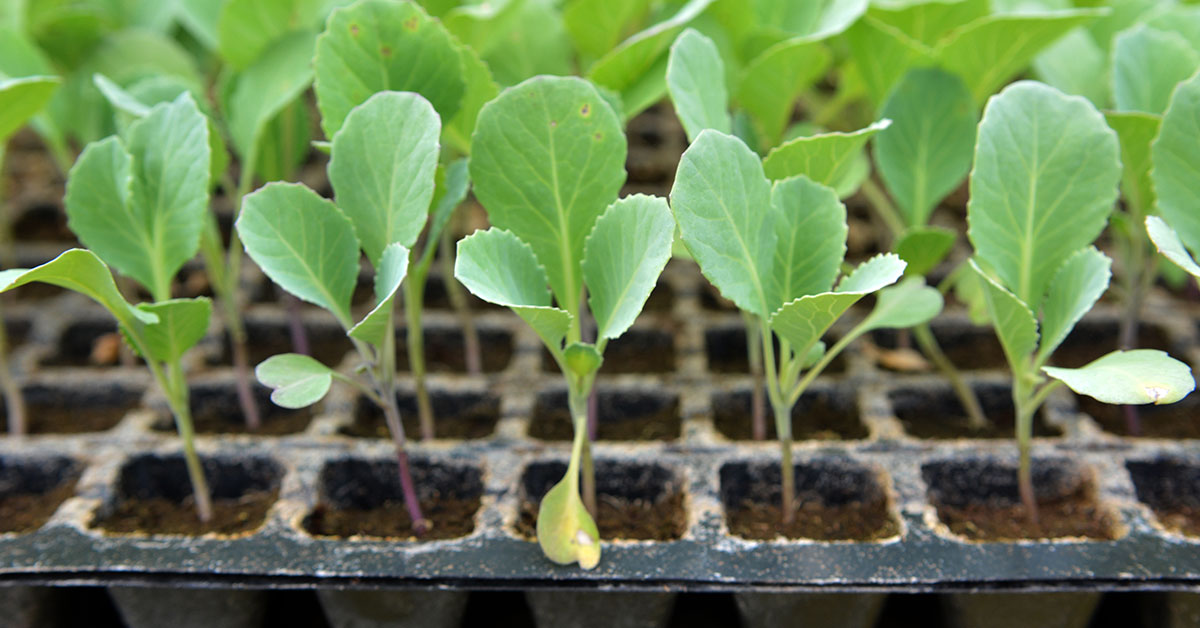
- Start seeds indoors: Cabbage can be started indoors or directly sown in the garden. If you choose to start indoors, sow the seeds in seed trays or small pots about 6-8 weeks before the last frost date in your area. Use a good quality seed-starting mix and plant the seeds about 1/4 inch deep.
- Provide optimal conditions: Keep the seed trays or pots in a warm location (around 70°F/21°C) and ensure they receive sufficient light. You can use artificial grow lights if natural sunlight is limited. Keep the soil consistently moist but not waterlogged.
- Transplant seedlings: Once the seedlings have developed a few true leaves and are around 4-6 inches tall, they are ready for transplanting into the garden. Harden them off gradually by exposing them to outdoor conditions over a week or so.
- Planting in the garden: Dig holes in the prepared garden bed, spacing them about 12-18 inches apart to allow enough room for the cabbage heads to develop fully. Place the seedlings in the holes, making sure the top of the root ball is level with the soil surface. Firmly press the soil around the seedlings.
- Watering and care: After transplanting, water the seedlings thoroughly and keep the soil consistently moist throughout the growing season. Mulching around the plants can help retain moisture and suppress weeds. Cabbage plants are heavy feeders, so fertilize them every 3-4 weeks with a balanced organic fertilizer.
- Pest and disease control: Keep an eye out for common cabbage pests such as cabbage worms, aphids, and slugs. Use organic pest control methods like floating row covers, handpicking, or organic insecticides if necessary. Regularly inspect your plants for signs of disease, such as clubroot or powdery mildew, and take appropriate measures to prevent their spread.
- Harvesting: Pointed Sweetheart Cabbage typically takes around 75-85 days to mature. Harvest the heads when they are firm and compact, with the outer leaves still green and healthy. Cut the heads off at the base, leaving a few outer leaves intact to protect the inner core.
By following these steps, you should be able to start and grow your own delicious Pointed Sweetheart Cabbage in your garden. Enjoy the process and the bountiful harvest!
Planting and growing Pointed Sweetheart Cabbage
To plant and grow a Pointed Sweetheart Cabbage, follow these steps:
- Choose a suitable location: Select a spot in your garden that receives at least 6-8 hours of direct sunlight daily. The soil should be well-draining and rich in organic matter.
- Prepare the soil: Remove any weeds or debris from the planting area. Loosen the soil to a depth of about 12 inches using a garden fork or tiller. Add compost or well-rotted manure to improve the soil’s fertility and structure.
- Start seeds indoors (optional): Pointed Sweetheart Cabbage can be started indoors 4-6 weeks before the last frost date. Plant the seeds in seed trays or pots filled with seed-starting mix. Keep the soil moist and place the trays in a warm location with good sunlight or under grow lights.
- Direct sowing: Alternatively, you can directly sow the seeds into the prepared garden bed. Plant the seeds about 1/4 to 1/2 inch deep and 12-18 inches apart. Space the rows at least 2 feet apart to provide enough room for the mature plants.
- Watering: Keep the soil consistently moist but not waterlogged. Water the plants deeply, providing about 1 inch of water per week. Avoid overhead watering to prevent the leaves from staying wet, which can lead to disease.
- Fertilization: Cabbage plants benefit from regular feeding. Apply a balanced organic fertilizer or a slow-release granular fertilizer according to the package instructions. Avoid over-fertilizing, as this can lead to excess leaf growth instead of head development.
- Mulching: Apply a layer of organic mulch, such as straw or shredded leaves, around the base of the plants. Mulching helps retain moisture, suppress weeds, and regulate soil temperature.
- Pest and disease control: Keep an eye out for common cabbage pests like aphids, cabbage worms, and slugs. Use organic pest control methods such as handpicking, applying insecticidal soap, or using natural predators like ladybugs. Preventive measures like crop rotation and good garden hygiene can help prevent diseases.
- Harvesting: Pointed Sweetheart Cabbage typically matures in about 70-90 days after planting. Harvest the heads when they are firm and reach their desired size. Cut the cabbage heads off at the base with a sharp knife. If you notice any signs of bolting (flowering), harvest the cabbage immediately as the flavor may become bitter.
By following these steps, you should be able to successfully plant and grow Pointed Sweetheart Cabbage in your garden. Happy gardening!
When to harvest
The best time to harvest a Pointed Sweetheart Cabbage is when the heads are firm and solid, typically around 70-85 days after planting. This variety is known for its pointed shape and compact size. You can check the maturity of the cabbage by gently squeezing the head. If it feels firm and dense, it is ready for harvest. Additionally, the outer leaves may start to loosen and slightly open up when the cabbage is mature. Harvesting too early may result in smaller heads, whereas waiting too long may lead to the cabbage becoming over-mature and potentially splitting.