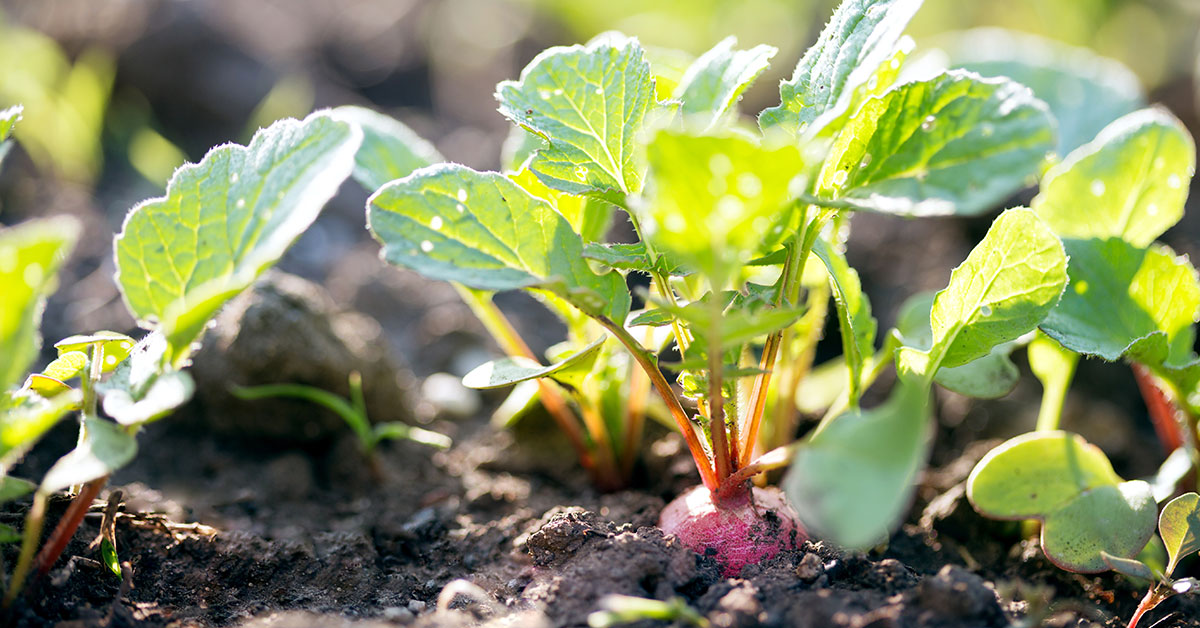

The Plum Purple Radish is a vibrant and unique vegetable that is a delightful addition to any garden. Known for its deep purple skin and crisp, peppery flavor.
Whether you are a seasoned gardener or a beginner, this article will provide you with all the information you need to successfully grow your own Plum Purple Radishes.
What is a Plum Purple Radish?
Plum Purple Radish, also known as Purple Plum Radish or Purple Stem Radish, is believed to have originated in China. Over time, it has gained popularity in various parts of the world, including Europe and North America. While there are several varieties of purple radishes, Plum Purple Radish stands out for its distinct deep purple skin and elongated shape. Its leaves are typically green, providing a striking contrast against the vibrant hues of the radish itself.
Plum Purple Radish is known for its crunchy texture and mildly spicy flavor. Its flesh is crisp and juicy, offering a refreshing bite. The outer skin of this radish variety is smooth and glossy, making it visually appealing when sliced or grated. Depending on the maturity of the radish, the intensity of the purple color may vary, ranging from a deep plum shade to a lighter lavender hue.
Plum Purple Radish can be used in a variety of culinary applications, adding both taste and aesthetics to dishes. Its vibrant color makes it a perfect choice for salads, where it can be thinly sliced or grated to create a visually appealing garnish. The radish’s spicy flavor pairs well with creamy dressings or tangy vinaigrettes, balancing out the overall taste. Additionally, Plum Purple Radish can be pickled or fermented to enhance its flavor profile and extend its shelf life.
What does a Plum Purple Radish taste like?
One of the most distinctive characteristics of the Plum Purple Radish is its mild and slightly sweet taste. Unlike its spicier counterparts, such as the traditional red radishes, this variety has a more delicate and subtle flavor profile. It lacks the sharp peppery bite that is often associated with radishes, making it a great choice for those who prefer milder flavors.
When you take a bite of a Plum Purple Radish, you will notice a pleasant crispness and juiciness. Its flesh is firm and succulent, providing a satisfying crunch with every bite. The texture is similar to that of a red radish but with a smoother and less fibrous consistency.
The taste of the Plum Purple Radish can be described as a combination of earthy and sweet notes. You may detect hints of nuttiness and a slightly floral undertone, which adds depth and complexity to its overall flavor. Some even compare its taste to that of a turnip or a watermelon radish, albeit milder.
Cooking them can also bring out their natural sweetness and enhance their flavors. Roasting or grilling it can result in a caramelized exterior and a tender, melt-in-your-mouth interior. This cooking method helps to mellow out any remaining spiciness and accentuate its natural sweetness.
In terms of culinary uses, the Plum Purple Radish can be enjoyed in various ways. It can be sliced and added to salads for a pop of color and flavor, or grated and used as a garnish for soups and stir-fries. Its vibrant hue also makes it a great addition to crudité platters, adding visual appeal alongside other vegetables.
How to start from seed
To ensure a successful Plum Purple Radish growing experience, it’s essential to start with high-quality seeds. Look for reputable seed suppliers or local nurseries that offer organic or heirloom Plum Purple Radish seeds. These varieties are often more reliable and produce tastier radishes compared to conventional seeds. When selecting seeds, consider the size and shape of the radish you prefer, as well as the estimated growth period. Plum Purple Radish typically takes around 25-30 days to mature, making it a fast-growing option.
Preparing the Soil: This plant thrives in well-draining soil that is rich in organic matter. Start by choosing a sunny spot in your garden or a container with at least 6-8 hours of direct sunlight. Before planting the seeds, prepare the soil by removing any weeds, rocks, or debris. Loosen the soil using a garden fork or a tiller, ensuring it is loose and crumbly. Incorporate organic compost or well-rotted manure into the soil to improve its fertility and texture.
Planting the Seeds: Seeds are relatively easy to plant, making it an ideal choice for beginner gardeners. Begin by creating shallow furrows in the prepared soil, around 1/2 inch deep and 1 inch apart. While planting, make sure to space the seeds evenly to avoid overcrowding and competition for resources. Gently sprinkle the seeds into the furrows, covering them with a thin layer of soil. Water the soil lightly but thoroughly to ensure proper germination.
Care and Maintenance: After planting the seeds, it’s crucial to provide them with proper care to promote healthy growth. Keep the soil consistently moist but not waterlogged, as excessive moisture can lead to rotting. Regularly monitor the soil moisture levels and water as needed. Additionally, consider applying a layer of organic mulch around the radish plants to retain moisture, suppress weeds, and regulate soil temperature.
How to grow this vegetable in your garden
Growing your own vegetables is a rewarding experience that allows you to enjoy their vibrant color and unique flavor. Whether you are a seasoned gardener or a beginner, these tips will help you successfully grow Plum Purple Radish in your backyard.
- Selecting the Right Variety
First and foremost, choose a variety of Plum Purple Radish that suits your growing conditions and preferences. There are many different types available, each with its own characteristics. Consider factors such as maturity time, size, and taste when making your selection. - Preparing the Soil
Plum Purple Radish thrives in well-drained, fertile soil. Before planting, prepare the soil by removing any weeds or debris. Loosen the soil to a depth of about 6 inches and incorporate organic matter, such as compost or aged manure, to improve its nutrient content. - Sowing the Seeds
They can be directly sown into the garden bed or started indoors and transplanted later. If starting indoors, sow the seeds in seed trays or small pots about 4-6 weeks before the last frost date. If sowing directly into the garden, wait until the soil temperature reaches around 50°F (10°C) for optimal germination. - Planting and Spacing
When planting Plum Purple Radish, sow the seeds about half an inch deep and space them about 1 inch apart. If transplanting seedlings, space them approximately 2-3 inches apart to allow enough room for the radishes to develop. - Watering and Care
Keep the soil consistently moist but not waterlogged throughout the growing season. It prefers regular watering to ensure proper growth and prevent the roots from becoming woody or bitter. Mulching around the plants can help retain moisture and suppress weed growth. - Fertilizing
Radishes generally do not require heavy fertilization, as excessive nitrogen can result in leafy growth with smaller roots. However, incorporating a balanced fertilizer or organic amendments into the soil before planting can provide the necessary nutrients for healthy growth. - Harvesting
These plants typically matures within 25-30 days after sowing. You can start harvesting the radishes when they reach the desired size, usually around 1-2 inches in diameter. To harvest, gently pull the radishes out of the ground, taking care not to damage the roots. Enjoy them fresh in salads, as a crunchy snack, or in various culinary dishes.
By following these simple steps, you can successfully grow your own Plum Purple Radish and enjoy the vibrant color and delicious taste they bring to your garden and table. Happy gardening!