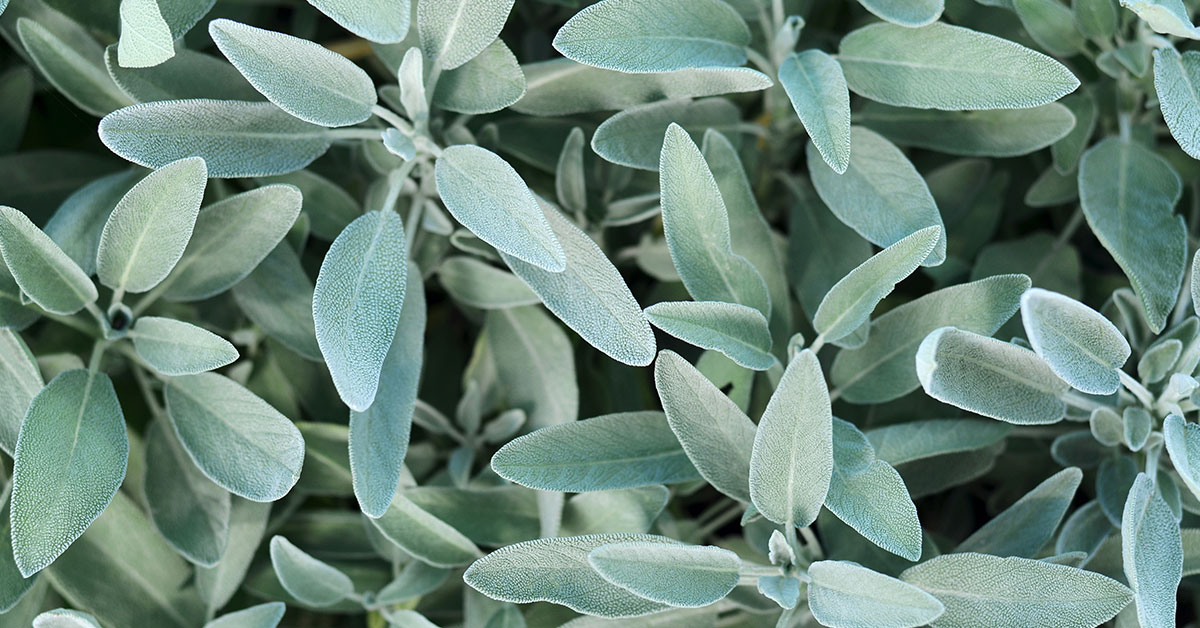

Mosquitoes can turn a peaceful evening in the garden into an itchy nightmare. While there are plenty of chemical repellents on the market, many gardeners prefer natural alternatives to keep these pesky insects at bay. Fortunately, nature provides us with a variety of plants that not only add beauty and fragrance to your garden but also help repel mosquitoes. These plants contain natural oils and compounds that mosquitoes find unpleasant, making them a great addition to any garden where you want to enjoy the outdoors without the buzz of mosquitoes.
In this article, we’ll explore some of the best plants to grow in your garden to help repel mosquitoes. Whether you’re planting in pots, flower beds, or around your outdoor seating areas, these plants can help create a more comfortable and mosquito-free environment. Let’s take a look at how you can use these natural repellents to make your garden a more enjoyable place!
Citronella (Cymbopogon nardus)

When it comes to repelling mosquitoes, citronella is one of the most well-known and effective plants. Native to tropical regions of Asia, citronella grass contains natural oils that are widely used in mosquito-repellent products. The strong lemony fragrance of citronella masks other scents that attract mosquitoes, making it harder for them to find you. Growing citronella in your garden or in pots around your patio can help keep these pests at bay.
Citronella is a clump-forming grass that can reach up to 6 feet in height. It thrives in full sun and well-drained soil, making it an excellent addition to a sunny garden bed or as a potted plant on your deck. While citronella is effective at repelling mosquitoes, it’s important to note that simply growing the plant won’t be as effective as using the extracted oil directly on your skin. However, having it nearby can still help reduce mosquito activity in the immediate area.
Lavender (Lavandula spp.)
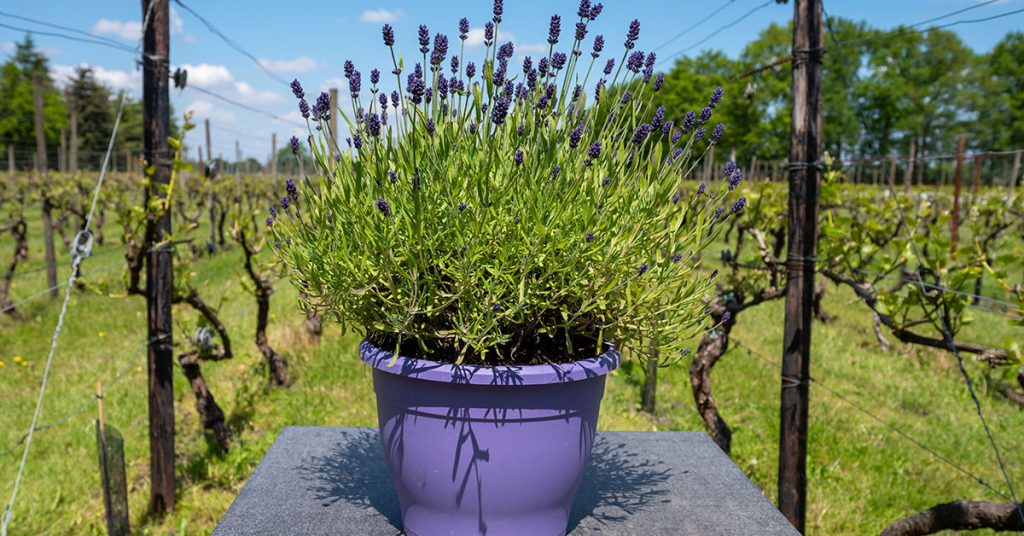
Lavender is not only a beautiful and fragrant addition to any garden, but it’s also a powerful mosquito repellent. Native to the Mediterranean region, lavender has been used for centuries for its calming scent and its ability to deter insects. The essential oils in lavender flowers are what make it so effective at repelling mosquitoes, as the smell is unpleasant to them but delightful to us.
Lavender is a hardy perennial that thrives in full sun and well-drained soil, making it perfect for garden borders, rock gardens, or containers. It’s also drought-tolerant, which makes it a low-maintenance option for those in drier climates. You can enhance its mosquito-repelling properties by crushing the flowers and rubbing them on your skin or clothing. In addition to repelling mosquitoes, lavender also attracts pollinators like bees and butterflies, making it a beneficial plant to have in any garden.
Marigolds (Tagetes spp.)
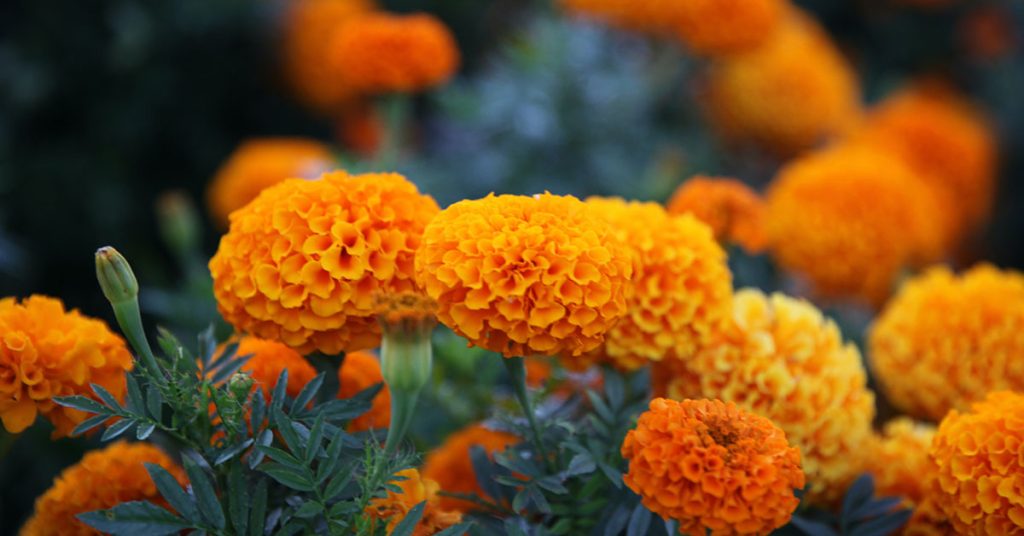
Marigolds are bright, cheerful flowers that are often used in gardens to add a splash of color, but they also have the added benefit of repelling mosquitoes. Native to Central and South America, marigolds contain a compound called pyrethrum, which is commonly used in insect repellents. The strong scent of marigolds is particularly effective at deterring mosquitoes and other pests like aphids and whiteflies.
Marigolds are easy to grow and thrive in full sun and well-drained soil. They can be planted in garden beds, borders, or containers and make excellent companion plants for vegetables, as they help protect crops from insect damage. In addition to repelling mosquitoes, marigolds can also improve the overall health of your garden by attracting beneficial insects like ladybugs. Plus, their bright blooms add a pop of color to any garden setting.
Basil (Ocimum basilicum)
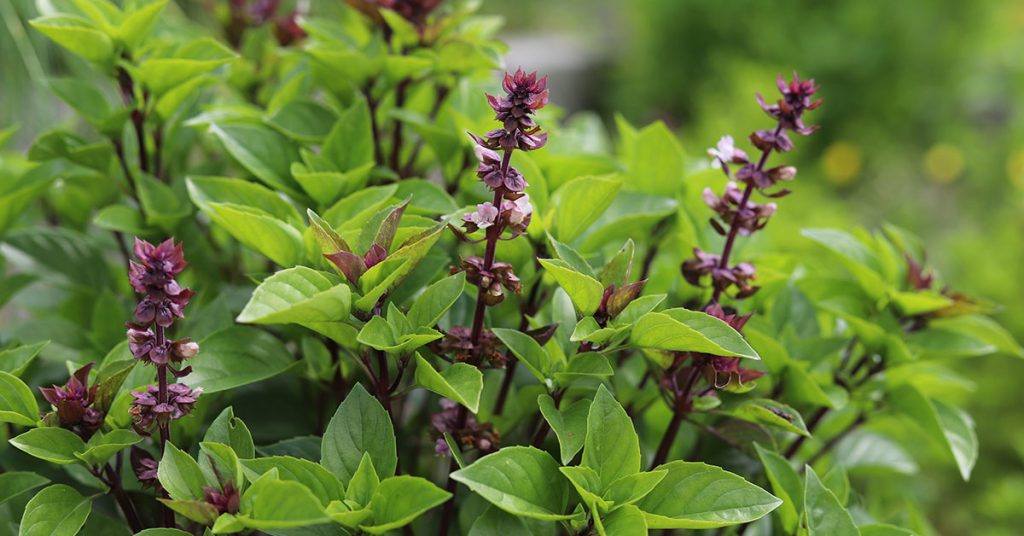
Basil is a popular culinary herb, but it’s also a fantastic plant for repelling mosquitoes. Native to tropical regions of central Africa and Southeast Asia, basil emits a strong aroma that mosquitoes find highly unpleasant. The essential oils in basil, particularly citronellol and eugenol, are responsible for its insect-repelling properties. Planting basil near outdoor seating areas or in your garden can help keep mosquitoes away while providing you with fresh herbs for cooking.
Basil is easy to grow and thrives in warm, sunny conditions with well-drained soil. It can be grown in garden beds, pots, or even on a sunny windowsill. To maximize its mosquito-repelling effects, try planting basil in containers that you can move around to areas where you need the most protection. As an added bonus, you can harvest the leaves to use in your favorite dishes, making basil a versatile and useful plant for any garden.
Mint (Mentha spp.)
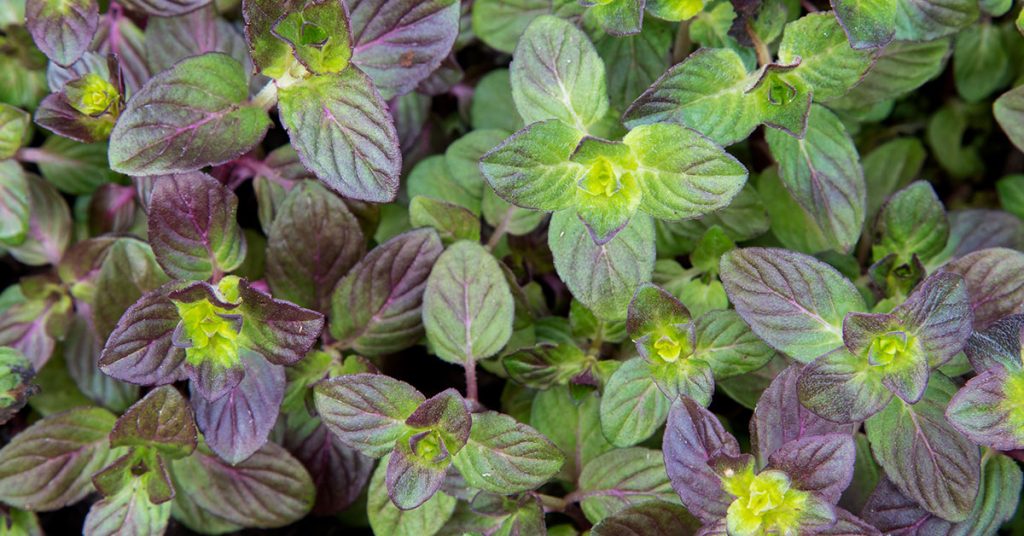
Mint is another herb that’s great for repelling mosquitoes, thanks to its strong, refreshing scent. Native to Europe and Asia, mint contains menthol, a natural compound that masks the scents that attract mosquitoes. This makes mint an excellent choice for growing in your garden, especially near seating areas or entryways where mosquitoes tend to gather.
Mint is a fast-growing plant that thrives in moist, well-drained soil and partial shade. However, it can be invasive, so it’s best to grow mint in containers to prevent it from taking over your garden. In addition to repelling mosquitoes, mint can be used in a variety of culinary and medicinal applications. You can also crush the leaves and rub them on your skin for a natural mosquito repellent. Just be sure to manage its growth, as mint can quickly spread and dominate your garden if left unchecked.
Rosemary (Salvia rosmarinus)
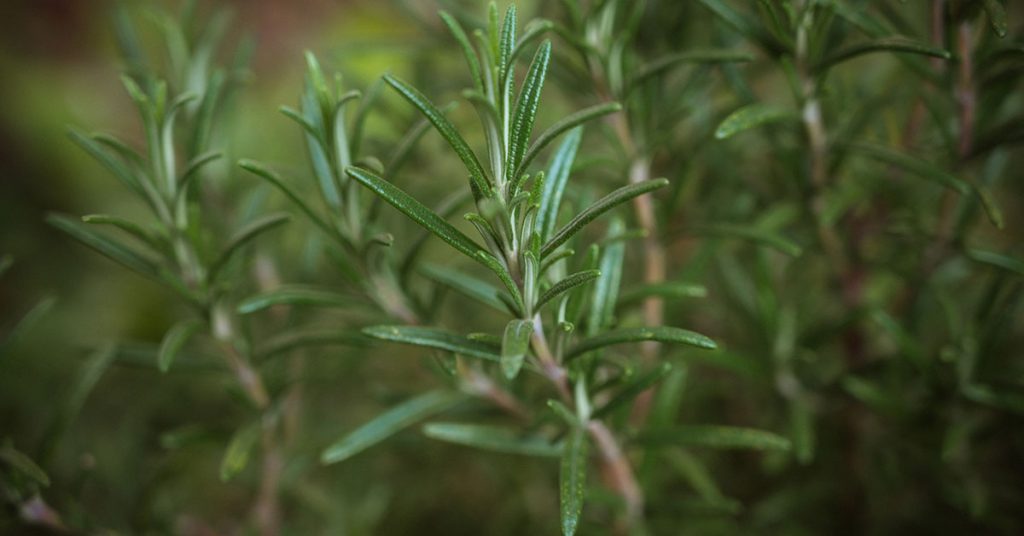
Rosemary is a versatile herb that not only adds flavor to your cooking but also helps keep mosquitoes at bay. Native to the Mediterranean region, rosemary has a pungent, woody aroma that mosquitoes find unappealing. The essential oils in rosemary, such as cineole and camphor, are particularly effective at repelling mosquitoes and other insects.
Rosemary is a hardy plant that thrives in full sun and well-drained soil, making it perfect for garden borders, herb gardens, or containers. It’s also drought-tolerant, which makes it an excellent choice for gardeners in warmer climates. In addition to repelling mosquitoes, rosemary can be used in cooking, as a fragrant addition to your home, or even as a natural air freshener. To enhance its mosquito-repelling properties, try burning a few sprigs of rosemary on the grill or in a fire pit to create a fragrant, mosquito-free zone.
Catnip (Nepeta cataria)
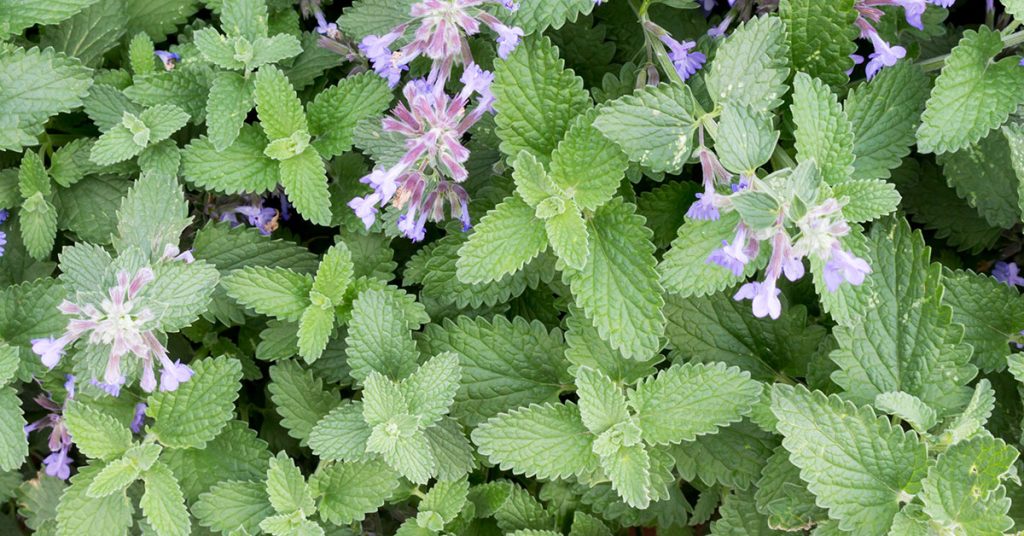
Catnip is well-known for its effects on cats, but it’s also a potent mosquito repellent. Native to Europe and Asia, catnip contains a compound called nepetalactone, which has been found to be even more effective at repelling mosquitoes than DEET, the active ingredient in many commercial insect repellents. Growing catnip in your garden can help keep mosquitoes at bay while also providing a treat for your feline friends.
Catnip is a hardy perennial that thrives in full sun and well-drained soil. It’s easy to grow and can be planted in garden beds, borders, or containers. However, if you have cats, be prepared for them to be drawn to the plant, as they may roll in it or nibble on the leaves. To maximize its mosquito-repelling effects, you can crush the leaves and rub them on your skin or clothing. Just be aware that catnip can spread quickly, so it may need to be contained to prevent it from taking over your garden.
Lemongrass (Cymbopogon citratus)
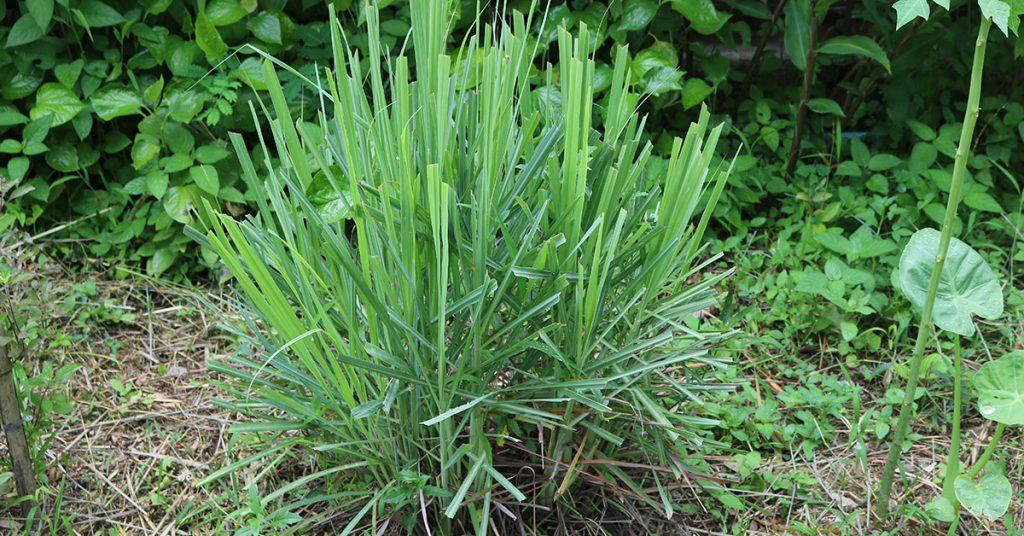
Lemongrass is a tropical plant that’s not only a popular ingredient in Asian cuisine but also an effective mosquito repellent. Native to Southeast Asia, lemongrass contains citronella, the same compound found in citronella grass, which is widely used in mosquito-repelling candles and sprays. The strong lemony scent of lemongrass masks the smells that attract mosquitoes, making it a great addition to any garden.
Lemongrass is a tall, clumping grass that thrives in warm, sunny conditions with well-drained soil. It can be grown in garden beds, borders, or containers and is often used in landscape design for its ornamental value. In addition to repelling mosquitoes, lemongrass can be harvested and used in cooking or to make refreshing teas. To enhance its mosquito-repelling properties, consider planting lemongrass near outdoor seating areas or entrances to your home.
Allium (Allium spp.)

Allium, a genus that includes onions, garlic, and chives, is another great plant for repelling mosquitoes. Native to temperate regions of the Northern Hemisphere, alliums contain sulfur compounds that mosquitoes find repulsive. These plants not only help keep mosquitoes away but also repel other garden pests like aphids and slugs.
Alliums are easy to grow and thrive in full sun and well-drained soil. They can be planted in garden beds, borders, or containers, and their tall, striking flower stalks add a unique visual element to the garden. In addition to their pest-repelling properties, alliums are edible and can be used in cooking. Garlic, in particular, has been used for centuries as a natural insect repellent, making it a valuable addition to any garden.
Sage (Salvia officinalis)
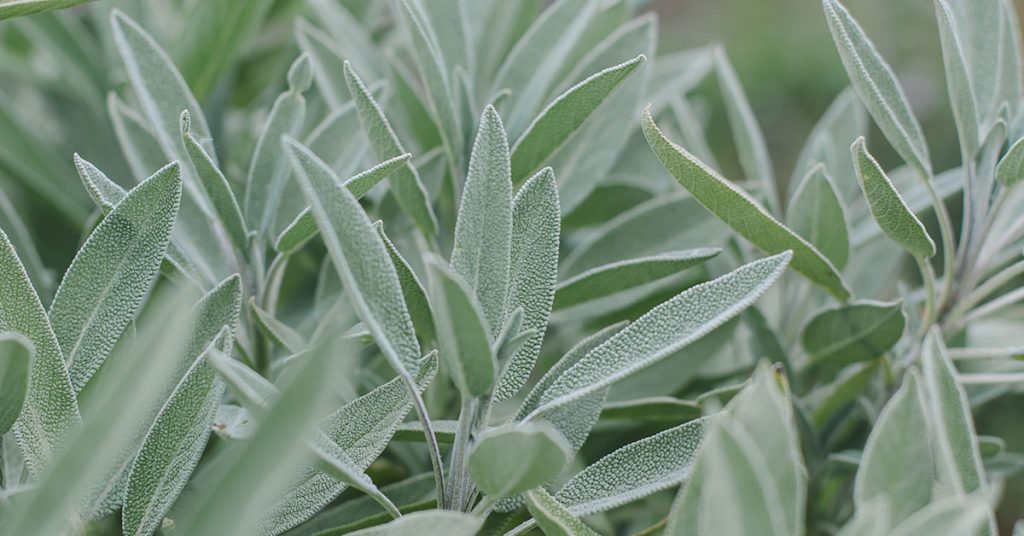
Sage is an aromatic herb that not only adds flavor to your dishes but also helps repel mosquitoes. Native to the Mediterranean region, sage contains essential oils like thujone and camphor, which mosquitoes find unpleasant. Burning sage leaves in a fire pit or over a grill can create a fragrant smoke that keeps mosquitoes away from outdoor gatherings.
Sage is a hardy perennial that thrives in full sun and well-drained soil. It’s a low-maintenance plant that can be grown in garden beds, borders, or containers. In addition to repelling mosquitoes, sage is a versatile herb that can be used in cooking, for medicinal purposes, or as a fragrant addition to your home. Whether you’re planting it in your garden or using it in a campfire, sage is a valuable plant for keeping mosquitoes at bay.
Final Thoughts
Creating a garden that naturally repels mosquitoes is not only effective but also adds beauty and functionality to your outdoor space. By incorporating plants like citronella, lavender, and rosemary into your garden, you can enjoy a more mosquito-free environment while also enhancing the aesthetics of your space. Whether you’re planting in pots, flower beds, or around your patio, these plants offer a natural and pleasant way to keep mosquitoes at bay.
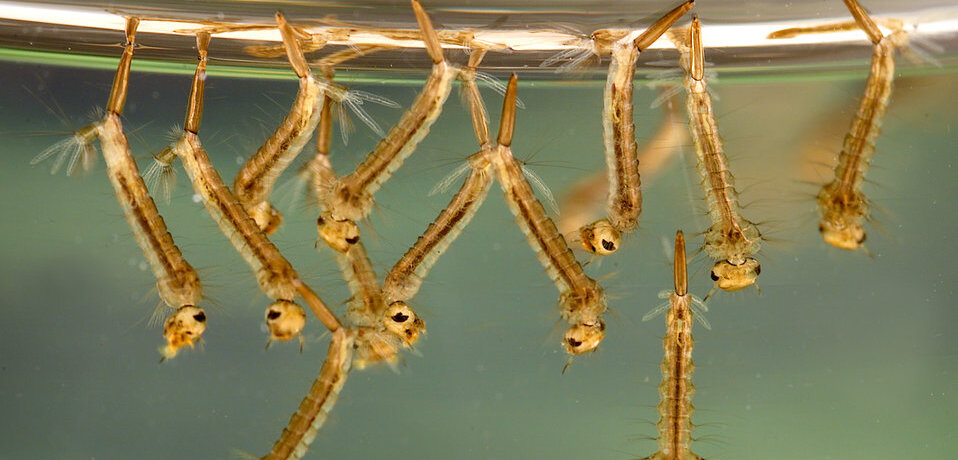
Remember, while these plants can help reduce mosquito activity, they work best in combination with other mosquito-repelling strategies, such as eliminating standing water and using protective clothing. With the right mix of plants and practices, you can create a garden that’s both beautiful and mosquito-resistant.