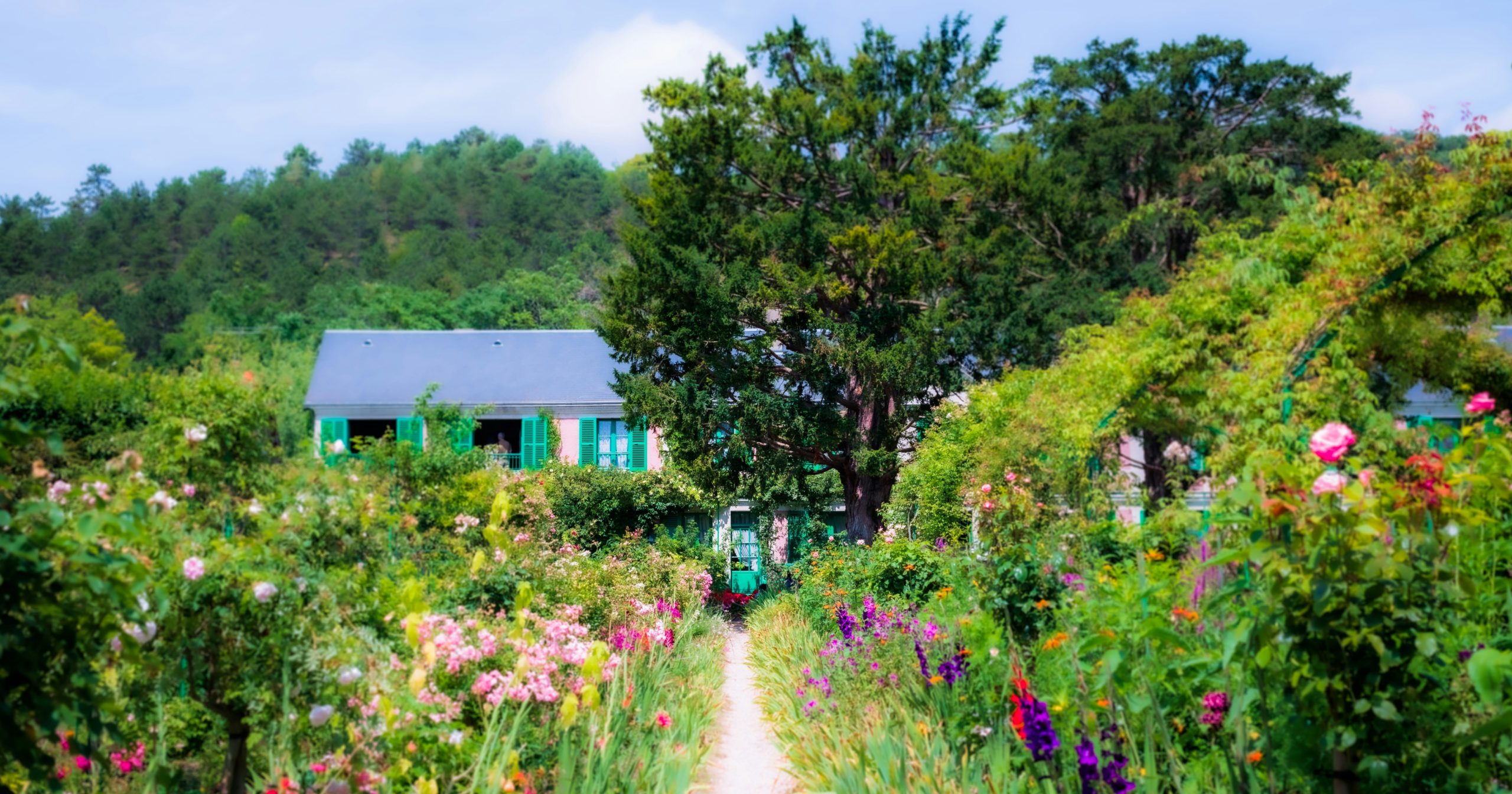

There’s something truly magical about a garden bursting into bloom in the spring, especially when the first flowers peek through after a long, cold winter. And believe me, the secret to achieving that jaw-dropping display of color lies in the work you put in during September! Planting bulbs now is like writing a love letter to your future self; come spring, you’ll be rewarded with a vibrant, cheerful garden that seems to shout, “Look at me!” I know, it can feel a little daunting, with so many types of bulbs to choose from and the ever-present worry of whether they’ll actually bloom. But I promise, with a little guidance, you’ll have a stunning array of flowers greeting you when the snow melts.
September is the perfect time to plant bulbs because the soil is still warm, which helps the bulbs establish roots before winter sets in. Plus, it’s the ideal way to get ahead of the gardening season while the weather is still mild and enjoyable. Whether you’re new to gardening or a seasoned pro, planting bulbs can be a fun, rewarding project that sets the tone for a beautiful year ahead. Let’s dive into some of the best bulbs to plant and the tips you need to make your spring garden the envy of the neighborhood!
Daffodils: The Early Risers

Daffodils are one of those quintessential spring flowers that bring instant joy with their sunny yellow blooms. Native to Europe, particularly the Mediterranean regions of Spain and Portugal, daffodils are well-loved for their ability to naturalize, meaning they can spread and multiply over the years, creating a bigger and more impressive display without much extra effort on your part. They’re not invasive, but they do have a charming way of filling in garden spaces, making them look like they’ve always belonged there.
I always think of daffodils as the early birds of the spring garden—they’re some of the first to bloom, often pushing through the last patches of snow! Planting them in September ensures they have plenty of time to establish strong roots. Make sure to plant them in well-draining soil and in a sunny spot for the best results. And here’s a little tip: squirrels and other critters don’t usually bother daffodils because they’re toxic, which is a huge relief if you’ve ever struggled with animals digging up your bulbs!
Tulips: A Classic Beauty
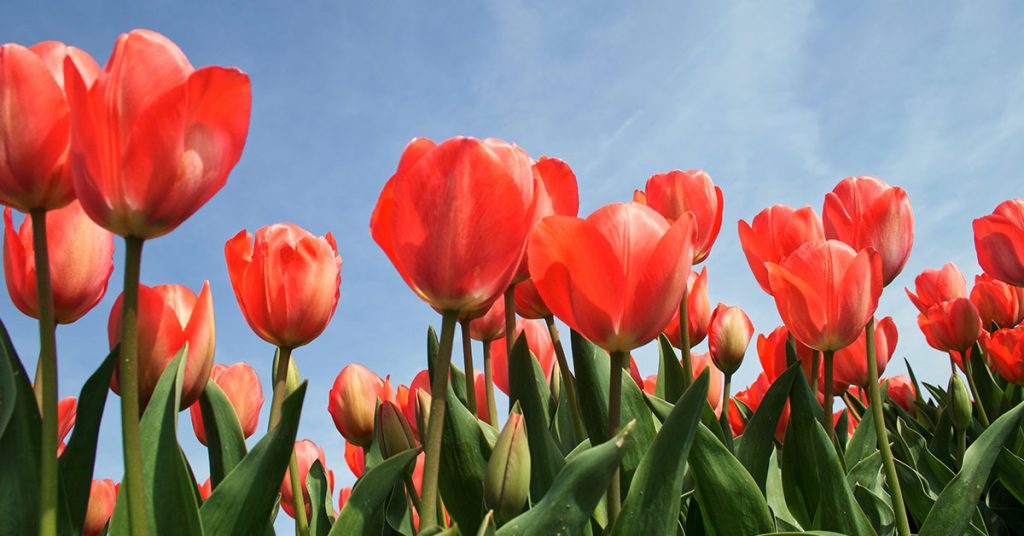
Oh, tulips! These beauties are the darlings of the spring garden, and they come in almost every color imaginable. Native to Central Asia, tulips were once so prized that they sparked “Tulip Mania” in the Netherlands during the 17th century, where a single bulb could cost as much as a house! Nowadays, thankfully, they’re much more accessible, and planting them in September will give you that breathtaking display that looks straight out of a botanical garden.
Tulips can be a bit finicky—they prefer full sun and well-drained soil, and they don’t like to be crowded. I’ve found that planting them in groups of at least ten bulbs creates the most stunning visual impact, almost like a burst of fireworks in your garden! While tulips aren’t invasive, they do tend to decline over the years, especially in warmer climates, so replanting every couple of years might be necessary to keep that show-stopping look. And don’t be afraid to mix and match different varieties and colors—there’s really no wrong way to enjoy tulips!
Crocuses: Tiny but Mighty
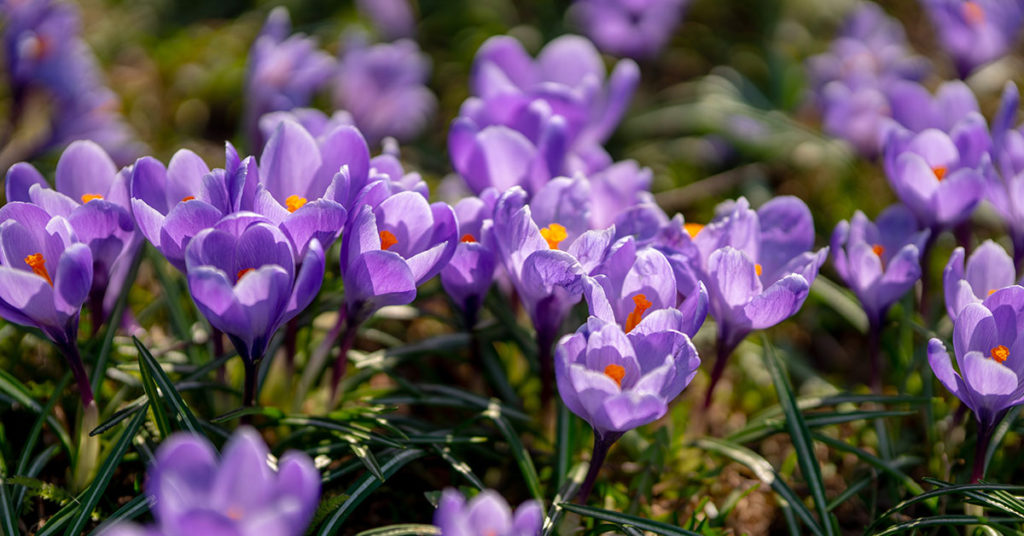
Crocuses are those delightful little gems that often surprise you with their early blooms, sometimes even when there’s still snow on the ground. Native to regions from southern Europe to Asia, these small but mighty flowers are perfect for adding pops of color to your garden borders or even your lawn. I just adore crocuses for their resilience—they’re like the first sign that spring is truly on its way, even when winter still seems to have a grip on the world. They’re not invasive, but they do spread nicely, creating a carpet of blooms over time.
One of my favorite things about crocuses is how they attract early pollinators. Bees and other beneficial insects love these flowers, which makes them a wonderful addition if you’re looking to create a more wildlife-friendly garden. Plant them in full sun or part shade, and be sure to give them well-drained soil. They’re quite low-maintenance, which is a big plus in my book, especially after a long winter when we’re all just itching to get back into the garden without too much fuss!
Hyacinths: A Scented Delight
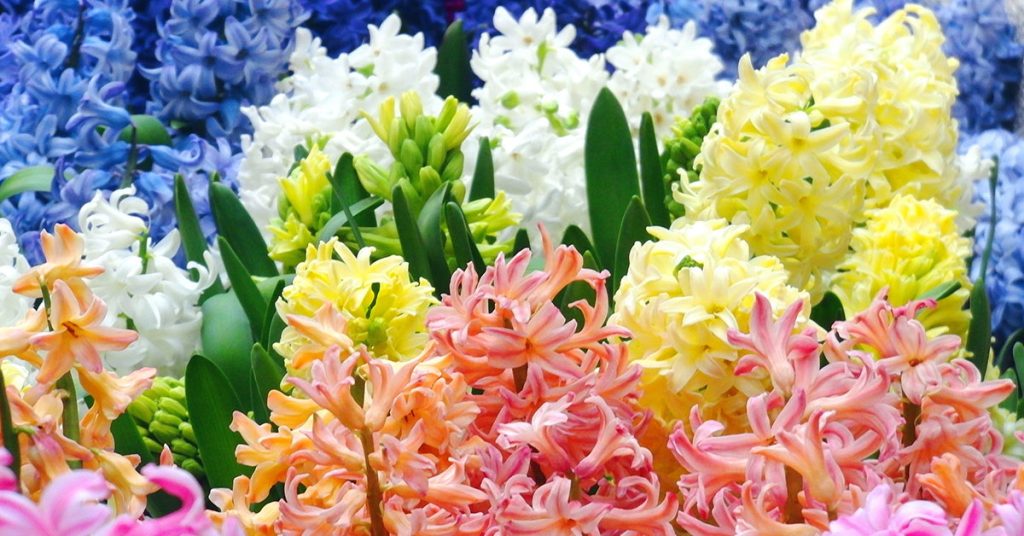
If you’ve ever walked past a garden filled with hyacinths, you’ll know why they’re so beloved—their fragrance is absolutely divine! Native to the eastern Mediterranean region, including areas of Turkey and Syria, hyacinths are renowned for their clusters of tiny, star-shaped flowers that come in shades of purple, pink, blue, and white. They make excellent companions for daffodils and tulips, creating a lush and fragrant spring garden that’s hard to beat.
Hyacinths do best in full sun and well-draining soil, and they’re a fantastic choice if you want a flower that offers more than just good looks. These bulbs should be planted about 6 inches deep and 6 inches apart, giving them room to grow and spread their wonderful scent throughout your garden. Just be careful if you have pets or children, as the bulbs can be toxic if ingested. And for a little added drama, try planting them along a pathway or near your front door—every time you pass by, you’ll be greeted by their sweet perfume!
Alliums: The Architectural Wonders

Alliums, often referred to as ornamental onions, are some of the most striking bulbs you can plant, thanks to their tall stems and spherical clusters of tiny flowers. They’re native to the Northern Hemisphere, particularly in parts of Europe, Asia, and North America, and they bring a bold, architectural element to any garden. I absolutely love how alliums look like whimsical lollipops standing tall above other plants—it’s like they’re adding a bit of playful magic to the landscape!
These bulbs are perfect for sunny, well-drained spots, and they’re also deer- and rodent-resistant, which is a big win if you’ve had trouble with critters in your garden. Alliums are not invasive, but they do have a tendency to spread slowly over time, creating even more of those fun, globe-like flowers in your garden. Plant them in September, and come late spring to early summer, you’ll be rewarded with a stunning display that adds height and interest to your garden beds. Plus, they’re fantastic for attracting bees and other beneficial insects, making them a great choice for a pollinator-friendly garden.
Snowdrops: The Harbingers of Spring
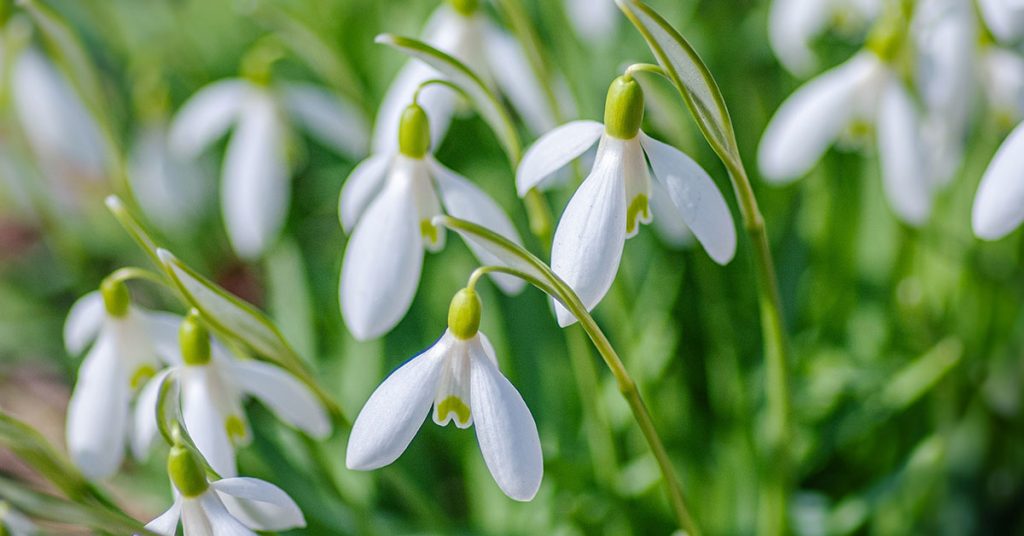
Snowdrops are some of the earliest bloomers, often pushing through the snow to signal that spring is on its way. Native to Europe and parts of the Middle East, snowdrops are small, delicate, and incredibly charming with their nodding white flowers. They’re perfect for naturalizing in woodland gardens or under deciduous trees, where they can create a beautiful carpet of blooms that almost looks like a late winter snowfall. They’re not considered invasive, but they do spread nicely over time, making them a delightful addition to any garden space.
What I love most about snowdrops is their resilience—they’re one of the few plants that seem to shrug off winter’s chill with grace and beauty. They thrive in part shade to full sun and prefer rich, well-drained soil. Plant them about 3 inches deep and 3 inches apart for a natural look. These little flowers are not just pretty; they’re also fantastic for attracting early pollinators, providing a much-needed source of nectar and pollen when not much else is blooming. If you’re looking to create a garden that wakes up before everything else, snowdrops are the perfect choice.
Grape Hyacinths: A Pop of Blue

Grape hyacinths, also known as Muscari, are delightful little bulbs that produce clusters of tiny, bell-shaped flowers in shades of blue, purple, and white. Native to Europe and the Mediterranean, these flowers are perfect for adding a pop of color to your garden borders or even in containers. I have to say, there’s something so cheerful about grape hyacinths—they’re like little drops of joy scattered throughout the garden! They’re not invasive, but they do spread readily, forming a lovely blanket of blooms over time.
These hardy bulbs thrive in full sun to part shade and prefer well-drained soil. Plant them about 3 inches deep and 3 inches apart, and they’ll come back year after year with minimal fuss. What’s even better is that they’re one of the easiest bulbs to grow, making them a fantastic choice for beginners or anyone looking to add low-maintenance color to their spring display. Grape hyacinths are also great for attracting early bees, providing a valuable source of nectar in the cooler months when not much else is blooming.
Planting bulbs in September is like setting the stage for an incredible spring performance, and with a little bit of effort now, you’ll be rewarded with a garden that’s bursting with life and color. So grab your trowel, get those bulbs in the ground, and get ready for a spring display that’s nothing short of spectacular! There’s truly nothing like the anticipation of seeing those first blooms emerge after a long winter—you’ll be glad you took the time to plant those bulbs when the world is finally waking up from its slumber.