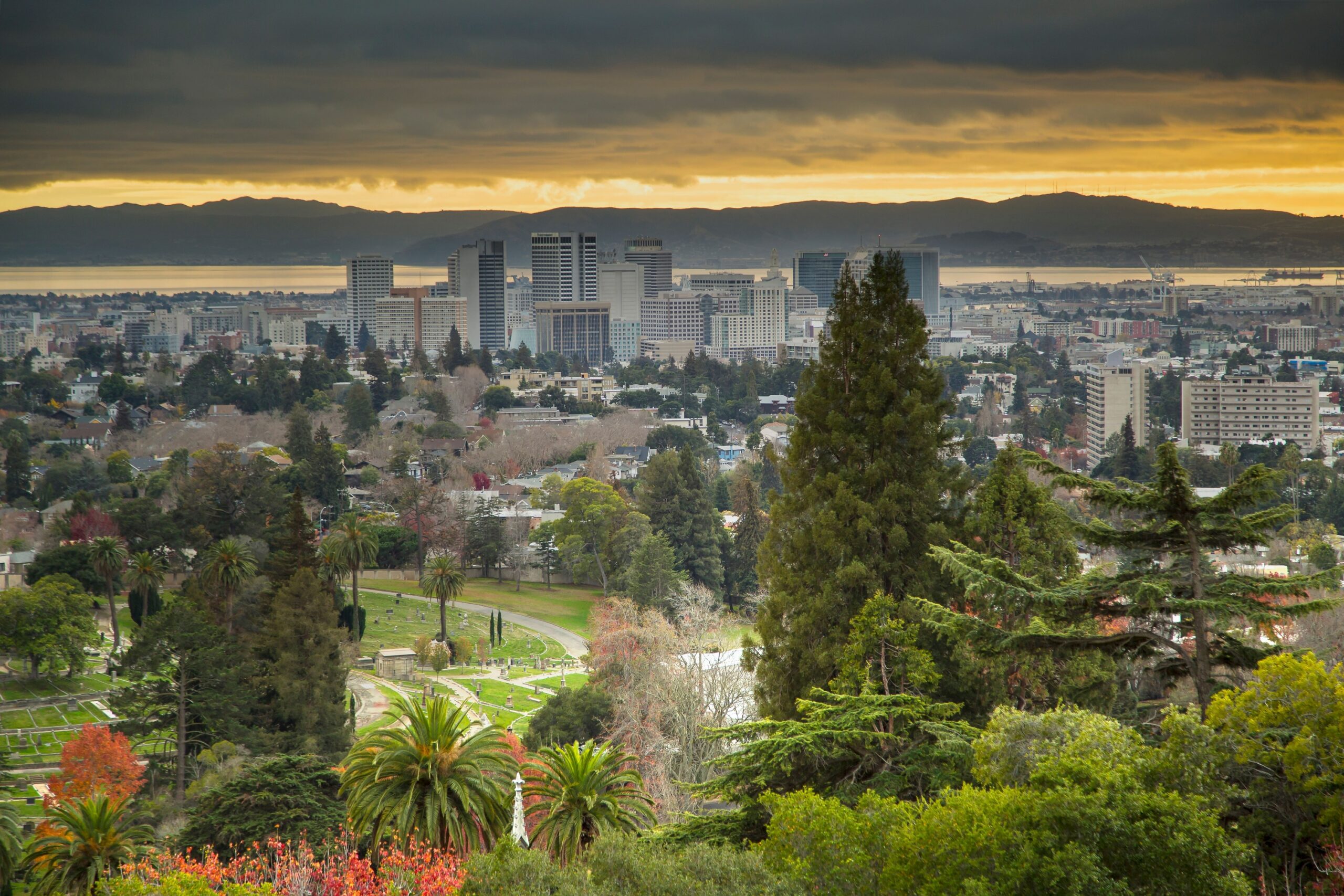

There’s a particular kind of garden that photographs well in every season, the kind where bare branches in January look just as intentional as full canopies in July. That effect rarely comes from flowers. It comes from trees chosen for their shape, their silhouette against a wall, the way their trunks catch afternoon light.
Oakland’s climate happens to be unusually forgiving for this kind of planting. Most of the city sits in USDA zones 9b through 10b, with mild winters and long dry summers that favor a specific palette of sculptural, low-water trees. Here are ten worth considering if you want your yard to read as deliberate rather than accidental.
Italian Cypress For Vertical Drama
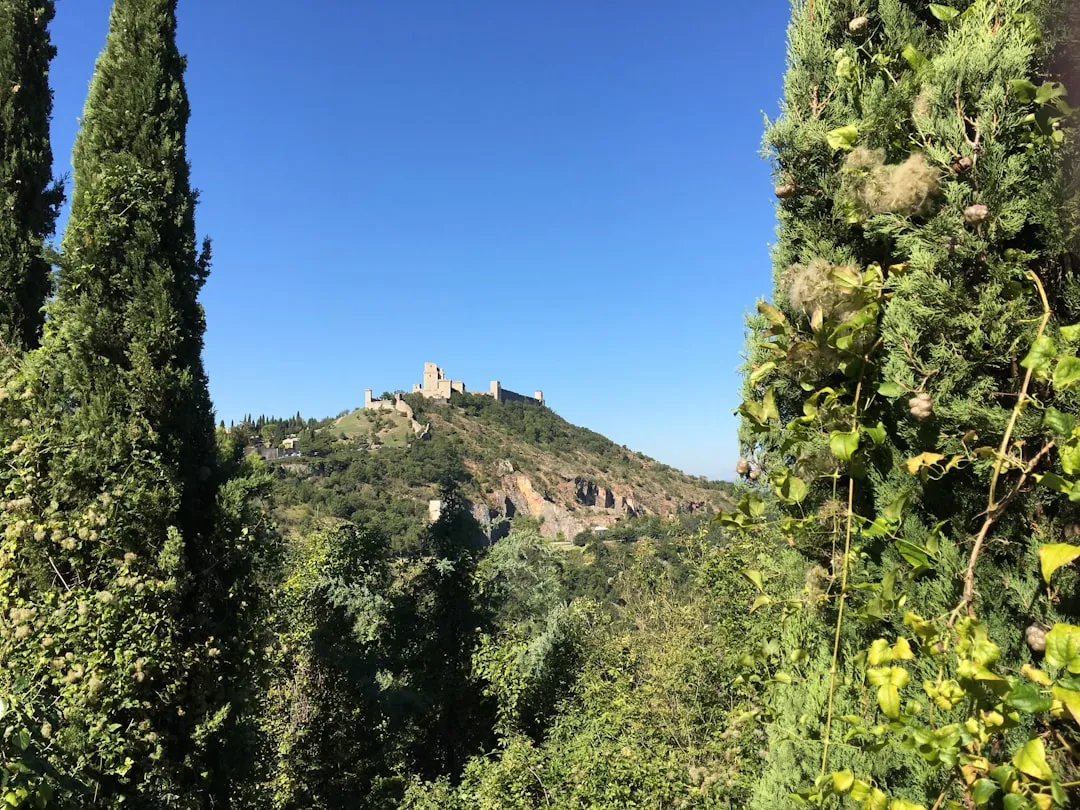
Few trees announce architectural intent as clearly as Cupressus sempervirens, the narrow evergreen spire long associated with Mediterranean villas. This distinctive tall, slender silhouette can reach up to 70 feet, with rich dark evergreen foliage that has graced landscapes for over a thousand years. In a modern Oakland front yard, a single specimen beside a concrete entry or a pair flanking a doorway does more visual work than a whole bed of shrubs.
That said, homeowners should plan for its eventual scale, since Italian cypresses are large trees reaching at least 50 feet tall, and the biggest mistake owners make is watering too often, since frequent watering promotes rapid, floppy growth and can eventually suffocate the roots. Water deeply but rarely, and this tree will hold its narrow form for decades with almost no fuss.
Multi-Trunk Olive Trees For Sculptural Restraint
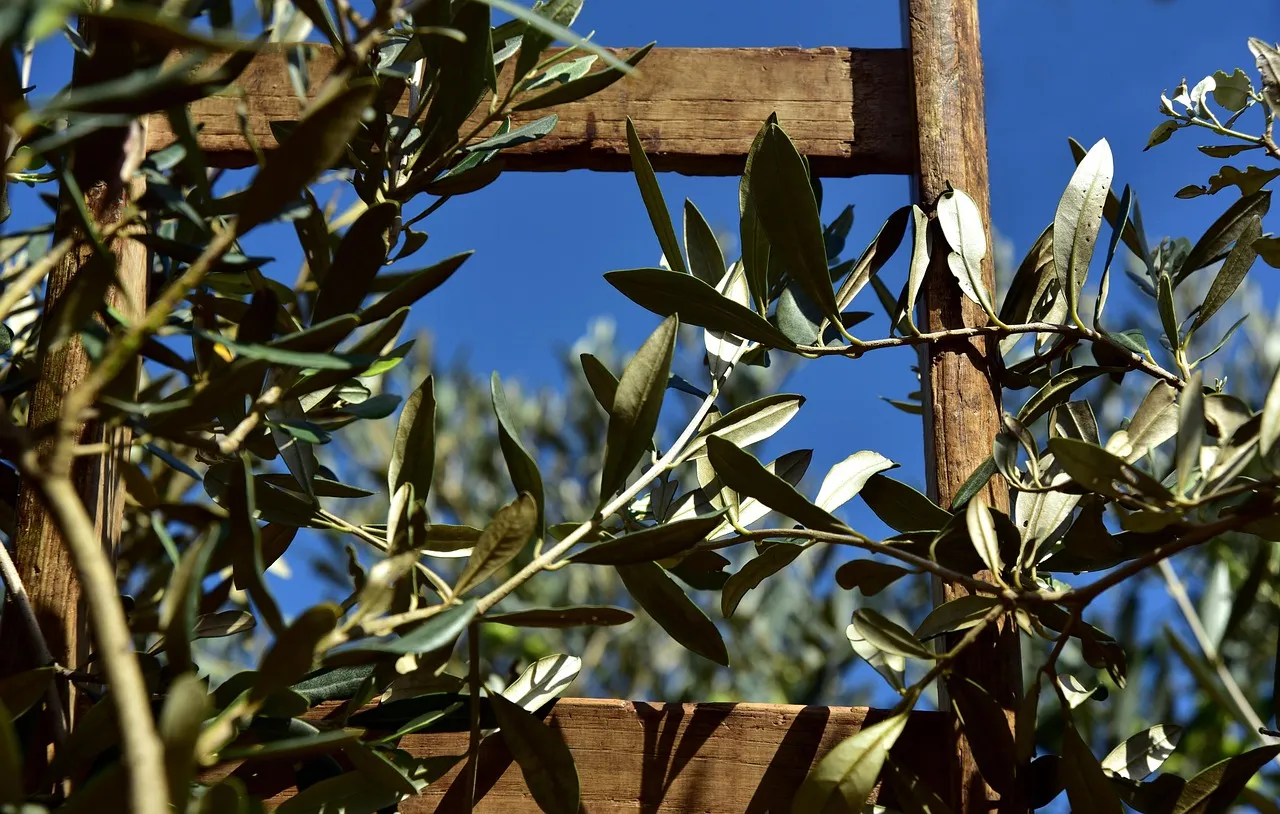
Olive trees have become something of a shorthand for contemporary California landscaping, and for good reason. Their gnarled, silvery trunks look intentional even when the tree is young, and a multi-trunk specimen planted slightly off-center in a gravel or concrete yard reads as living sculpture rather than mere greenery.
The Bay Area’s warm-summer Mediterranean climate lets olive trees, ornamental grasses, lavender, and blue agave all thrive with minimal irrigation once established. Designers frequently pair a single multi-trunk olive with decomposed granite and steel edging, letting the tree’s irregular form contrast with the hardscape’s clean geometry, an approach that has been used with a graceful multi-trunk olive tree off-center against a wide concrete driveway, sweeping grasses, and precise steel-edged geometry. It’s a low-water tree that rewards patience rather than fast growth.
Chinese Pistache For Structure Through The Seasons
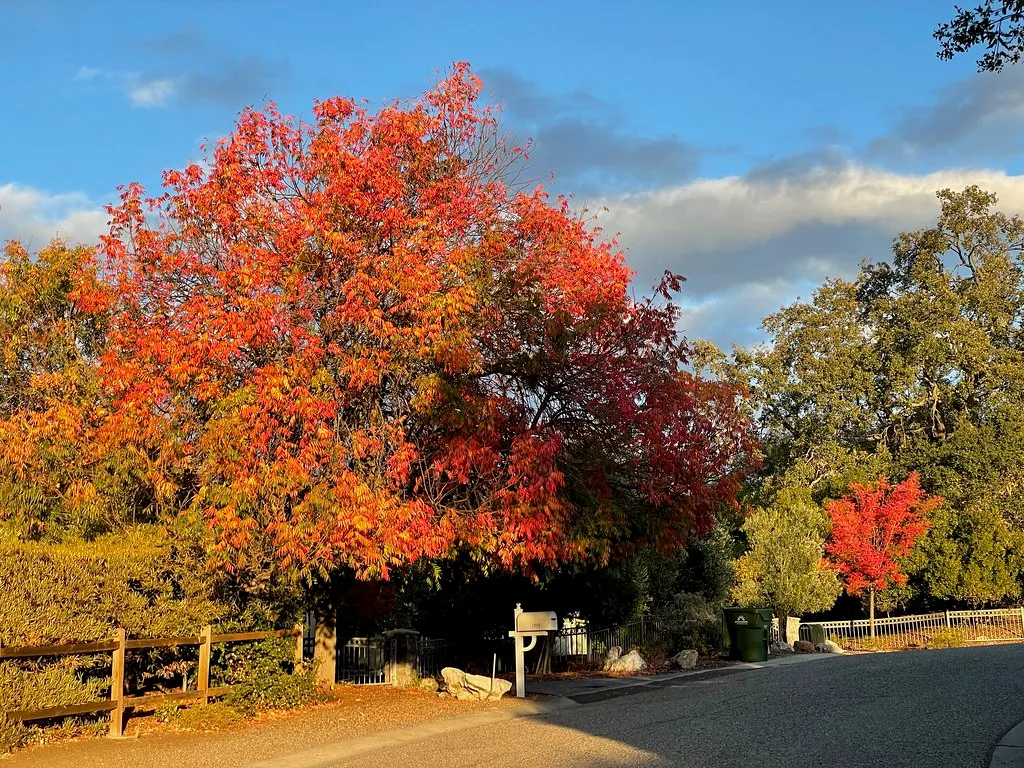
If you want a tree that looks architectural in winter and dramatic in fall, Pistacia chinensis is hard to beat. Chinese pistache provides a blockbuster drama of vibrant orange and red autumn leaves, and in full sun with only occasional water once established, its ornamental value is highly valued in home gardens and streetscapes.
The species develops a naturally rounded, umbrella-like canopy, though a young Chinese pistache tends to be gawky and lacks a strong central leader, so structural pruning from an early age encourages the development of that rounded crown. It’s also remarkably tough for a tree with such visual payoff. This deciduous tree is heat and drought tolerant, winter hardy to 20 degrees, pest free, and fire resistant, which makes it a sensible long-term investment for an Oakland hillside lot or a sunny flatland yard alike.
Ginkgo Biloba For Timeless Geometry
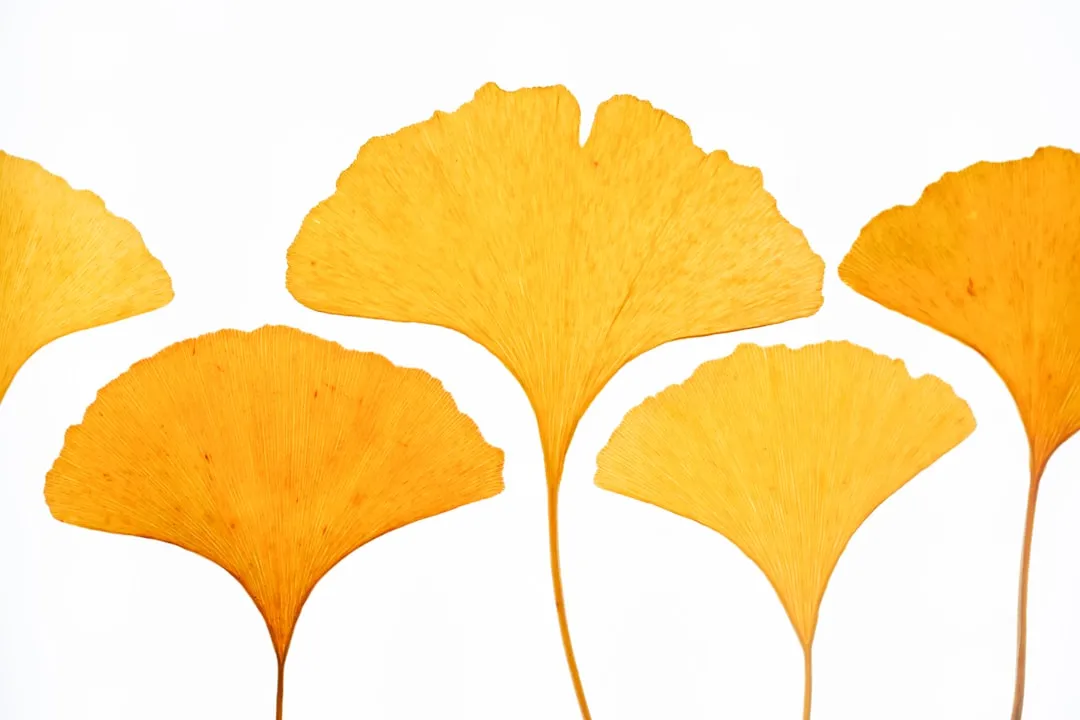
Ginkgo biloba is one of the oldest tree species still in cultivation, and its fan-shaped leaves give it a graphic quality that suits clean, modern architecture particularly well. The tree holds an upright, somewhat irregular branching pattern when young that gradually broadens with age, offering visual interest even without leaves. It tolerates urban conditions, compacted soil, and air pollution better than most ornamental trees, which is part of why cities have planted it along streets for generations.
For home gardens, choosing a male cultivar avoids the notoriously unpleasant smell of the female tree’s fruit, so most nurseries now sell grafted male selections specifically for that reason.
Dragon Tree For A Genuinely Otherworldly Silhouette
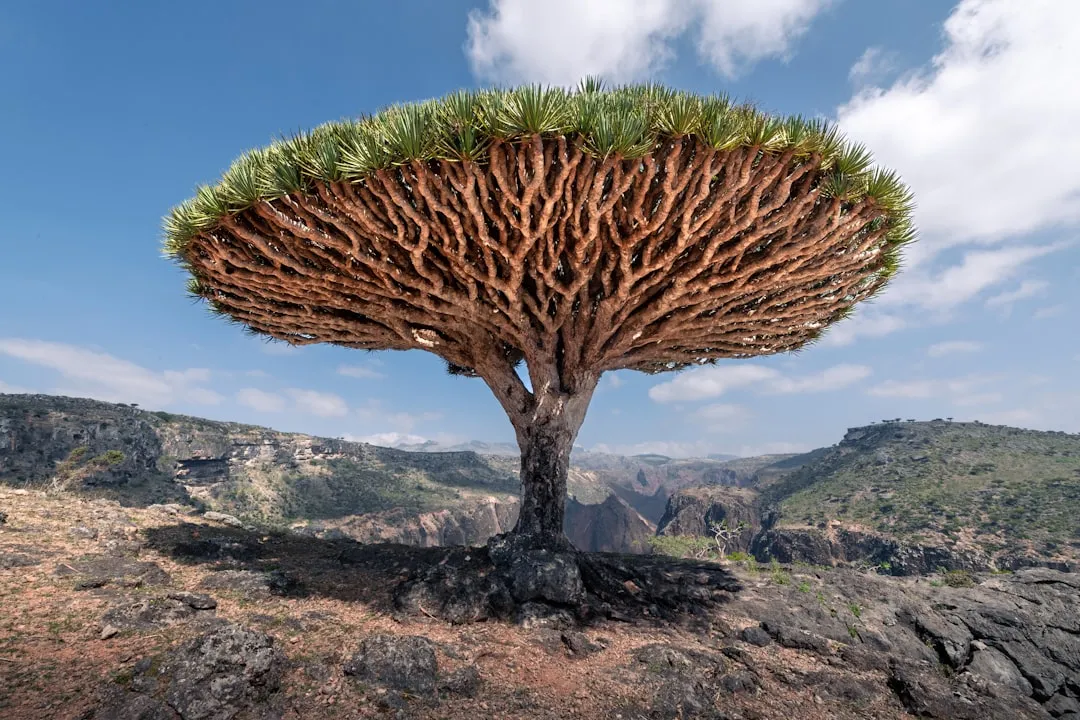
Few trees look as deliberately sculptural as Dracaena draco, commonly called the dragon tree, and it happens to suit Oakland’s mild winters well. It is hardy in USDA zones 9 to 12 and requires protection from frost in cooler climates, which places most of Oakland comfortably within its range.
With its umbrella shape and palm-like appearance, it makes a dramatic focal point in the landscape, and unlike many exotic specimens it asks for very little water once established. It typically grows up to one foot per year and is cold hardy to 20 to 25 degrees Fahrenheit, so it develops slowly into its distinctive branching umbrella form rather than needing constant pruning to keep its shape.
Coast Live Oak, Pruned As A Sculptural Multi-Trunk
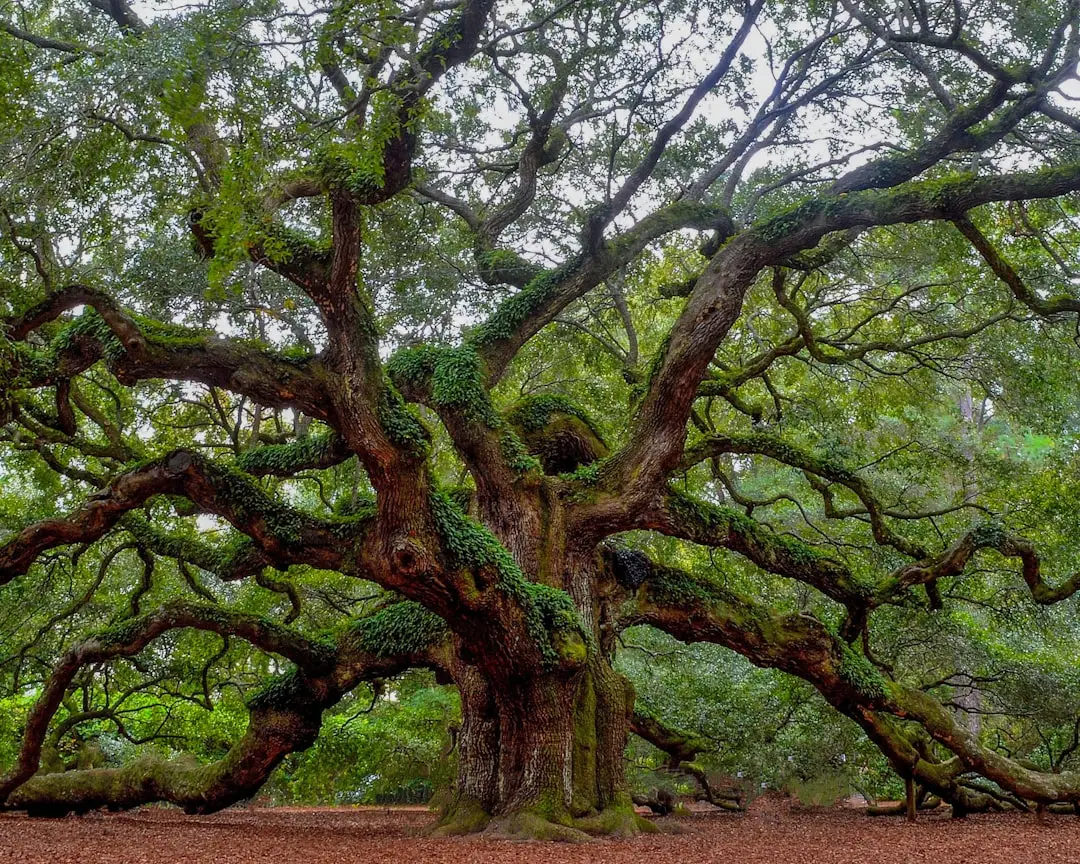
Not every architectural tree needs to be exotic. Quercus agrifolia, California’s native coast live oak, produces a broad, evergreen canopy over a muscular, often twisting trunk structure that looks striking against contemporary siding or glass. Left to its natural form and limbed up by an arborist to expose the lower trunk lines, a mature coast live oak becomes a living centerpiece rather than a shade tree that simply blocks a view.
It also asks for almost no summer irrigation once its roots are established, which fits neatly with East Bay water conservation goals and the region’s Mediterranean rainfall pattern.
Japanese Maple For Delicate Courtyard Structure
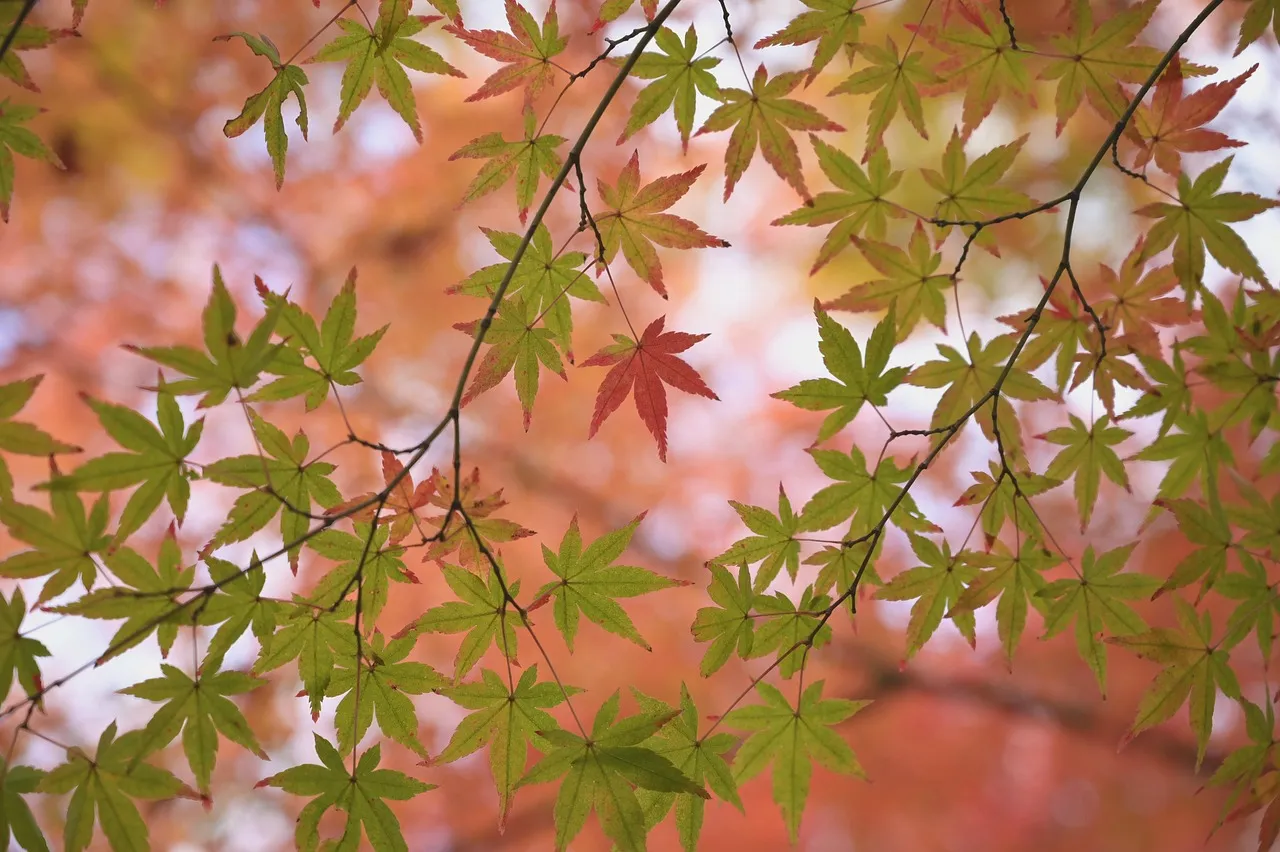
In tighter Oakland courtyards or shaded side yards, Acer palmatum offers a smaller scale version of architectural drama. Its layered, horizontal branching habit creates a lace-like silhouette that reads as intentional even in a modest planting bed, and many cultivars stay under fifteen feet, making them practical near patios and windows. Afternoon shade and consistent but moderate watering keep the leaves from scorching during Oakland’s warmer inland pockets, particularly in neighborhoods further from the bay’s cooling fog. Its slow growth rate is actually an advantage here, since it means the tree’s carefully branched form doesn’t need aggressive pruning to maintain.
Silk Floss Tree For A Bold Statement Piece
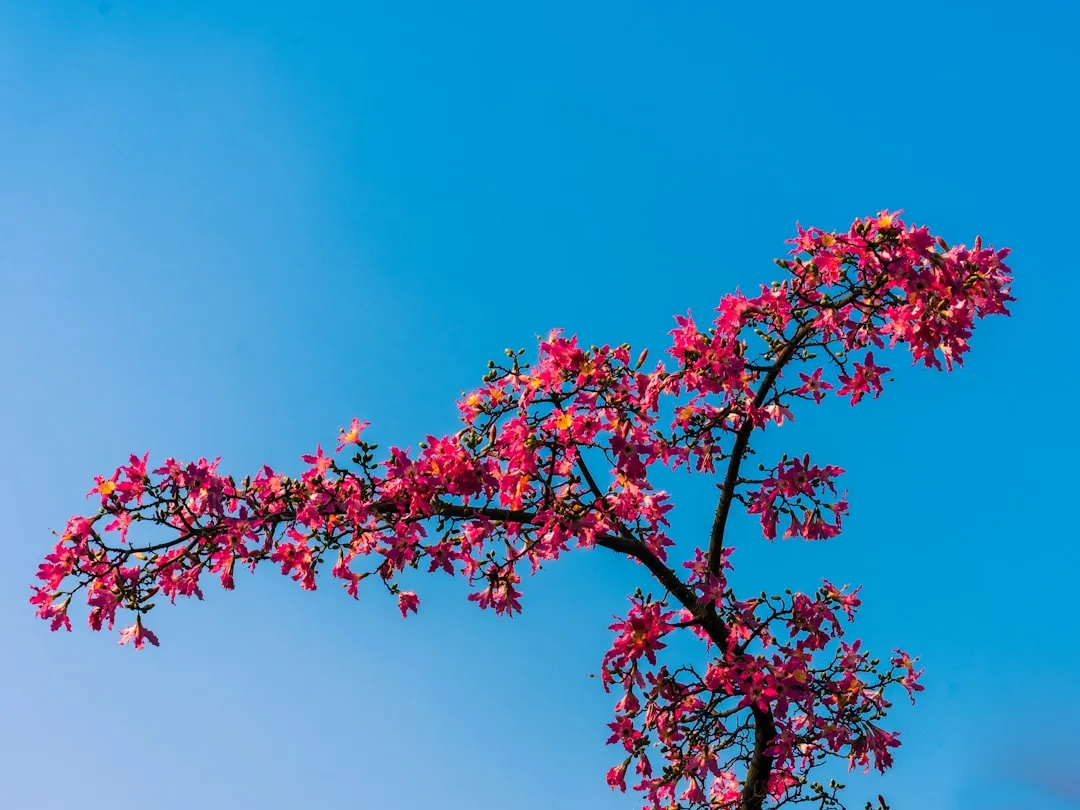
Ceiba speciosa, the silk floss tree, is one of the more theatrical choices on this list, with a bulbous, spine-covered trunk and pink flowers that appear before its leaves in fall. It’s frequently grouped among the small number of genuinely structural trees suited to California gardens. Structural plants like the silk floss tree, ornamental pears, desert-adapted acacias, agaves, and yuccas provide year-round form with modest water. Its trunk alone functions as a sculptural element, so it works best given room to stand alone rather than crowded by other plantings that would compete for attention.
Multi-Trunk Crape Myrtle For Peeling Bark And Summer Color
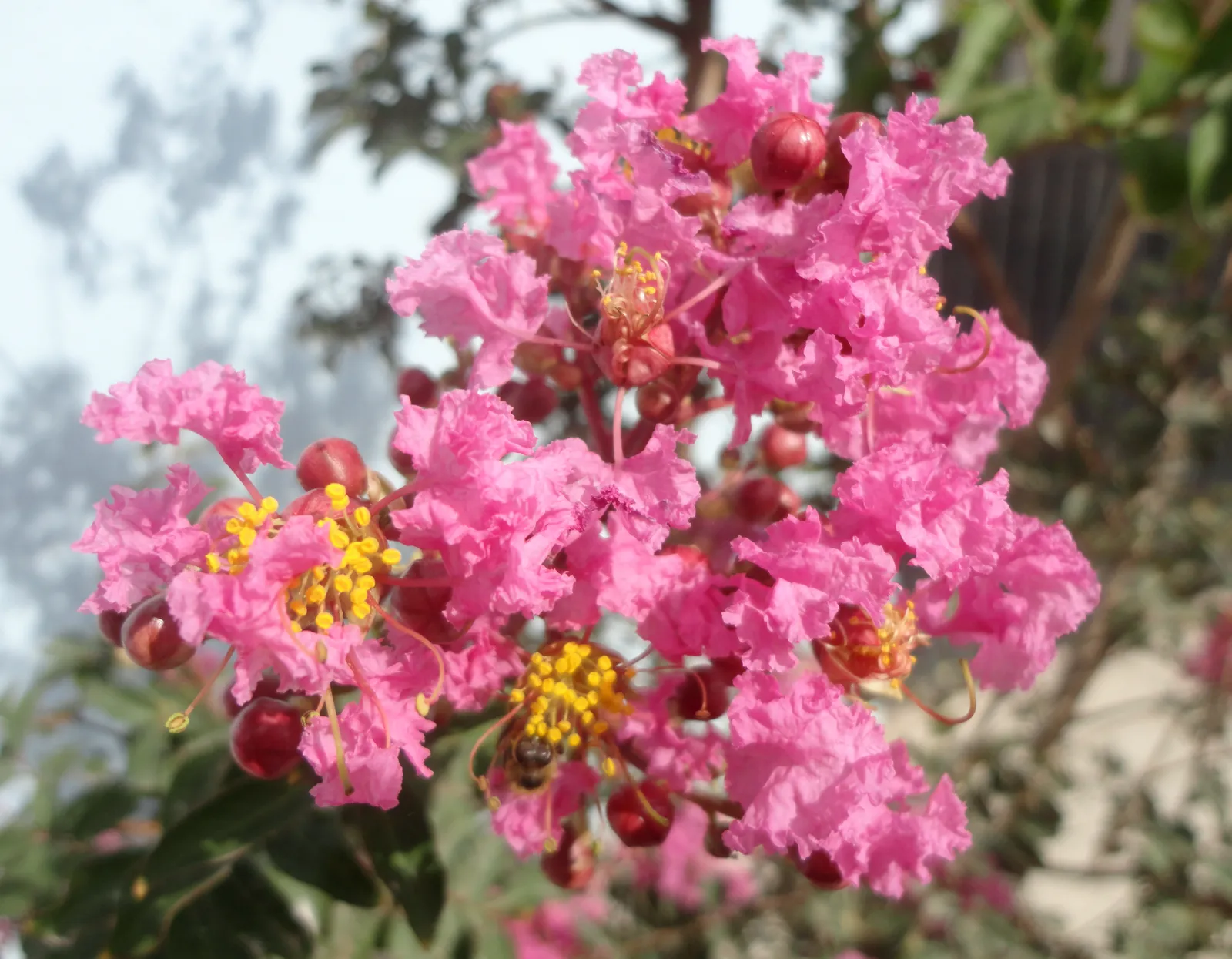
Lagerstroemia, better known as crape myrtle, earns its place here less for its summer flowers and more for what happens the rest of the year. Trained as a multi-trunk specimen, its smooth, mottled, peeling bark becomes a year-round textural feature, especially striking when uplit at night or set against a plain stucco wall. It’s deciduous, so winter reveals the trunk’s sculptural lines fully, then the tree fills back in with a rounded canopy and clusters of crepe-paper flowers through the hottest months. Crape myrtles handle Oakland’s warmer microclimates well and need only occasional deep watering once mature.
Fern Pine For Clean Vertical Screening
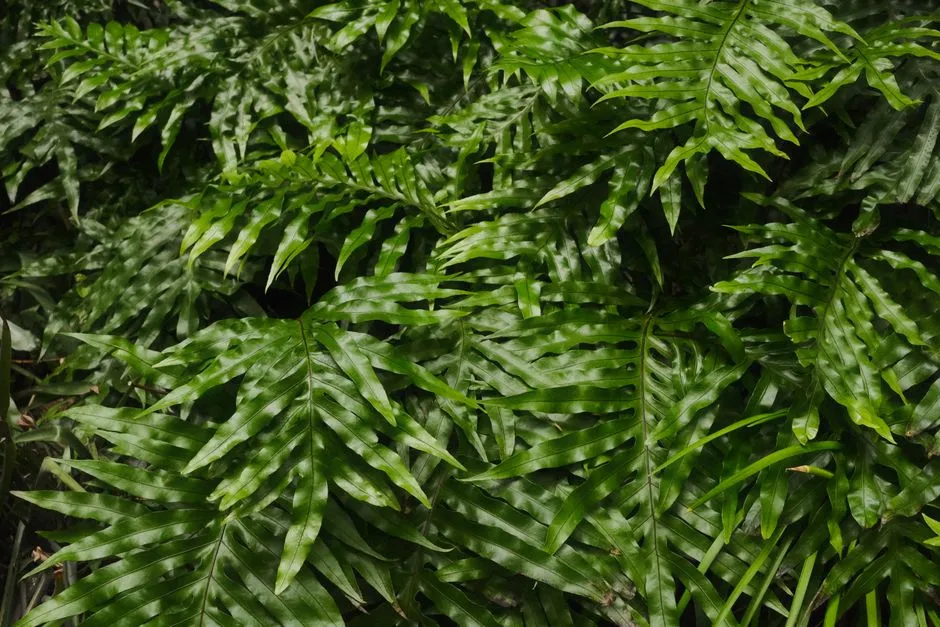
Podocarpus gracilior, commonly sold as fern pine, offers a softer alternative to Italian cypress when you want vertical structure without quite as much formality. Its fine, willowy foliage and naturally upright, columnar habit make it a popular choice for narrow side yards or as a living screen along a modern fence line. It tolerates some shade better than most structural evergreens, which is useful in Oakland’s hillier neighborhoods where afternoon light gets blocked by houses or slopes. Left unpruned it develops a slightly weeping, layered look, while regular shaping keeps it tight and formal for a more minimalist aesthetic.
Choosing structural trees is really a bet on patience. None of the ten above deliver an instant transformation, and most reward restraint in watering more than attention in pruning. What they offer instead is a garden that keeps its shape and its interest through every season, long after the flowering plants around them have come and gone.
AI Disclaimer: This article was created with the assistance of AI tools and reviewed by a human editor.