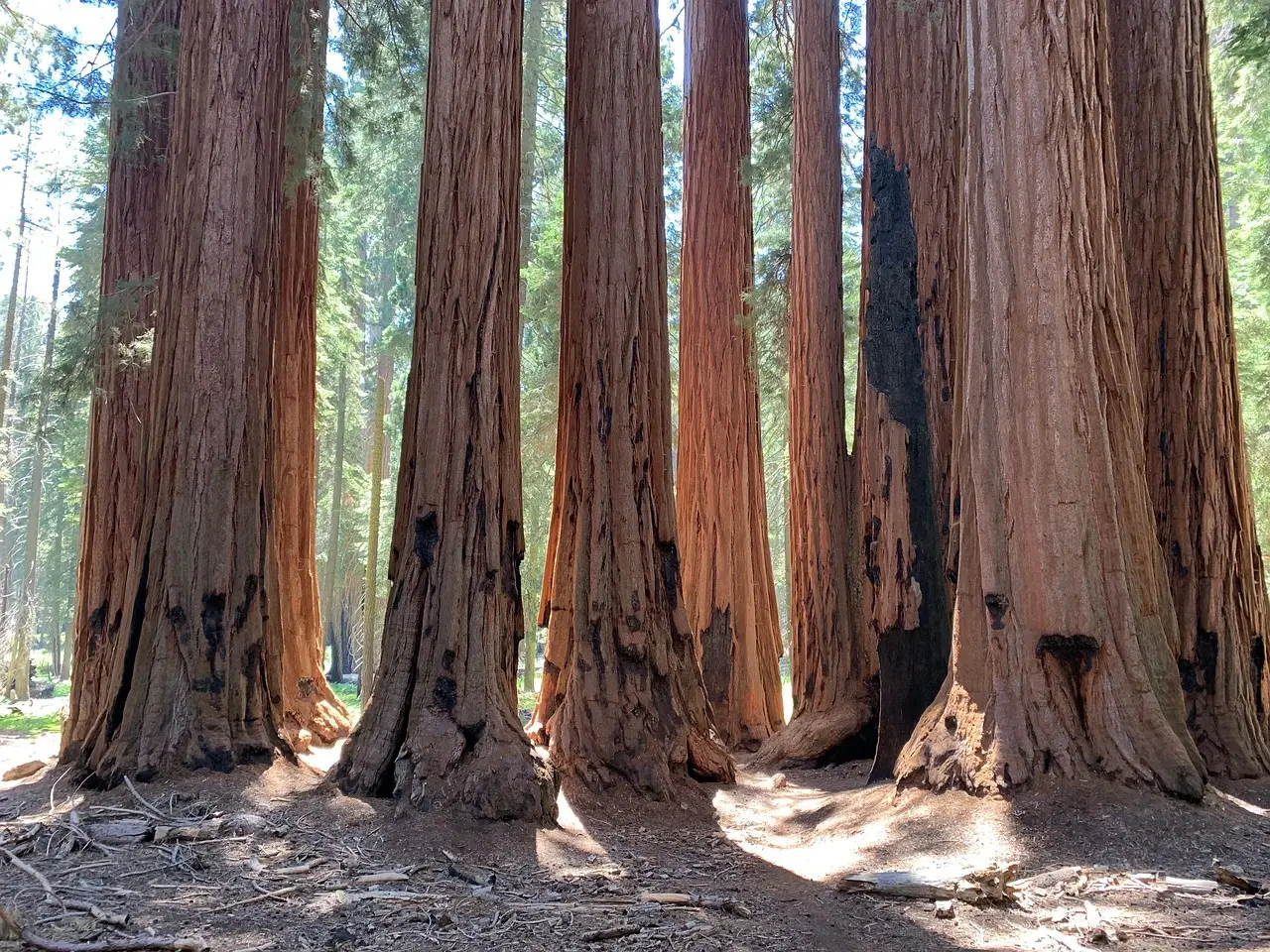

Humboldt County is one of those rare places where the landscape itself sets a standard. Rockefeller Forest, the world’s largest remaining contiguous old-growth forest of coast redwoods, sits right inside Humboldt Redwoods State Park. That’s the backdrop your garden is competing with – or rather, the one you’re trying to echo.
The good news is that coast redwoods don’t grow in isolation. A whole community of extraordinary trees shares their fog-drenched, acidic, moist world. Many of those trees can be planted in a Humboldt home garden right now, and they’ll give you that deep green, ancient-forest atmosphere without requiring you to wait several centuries for results.
Douglas Fir (Pseudotsuga menziesii): The Forest’s Second Giant
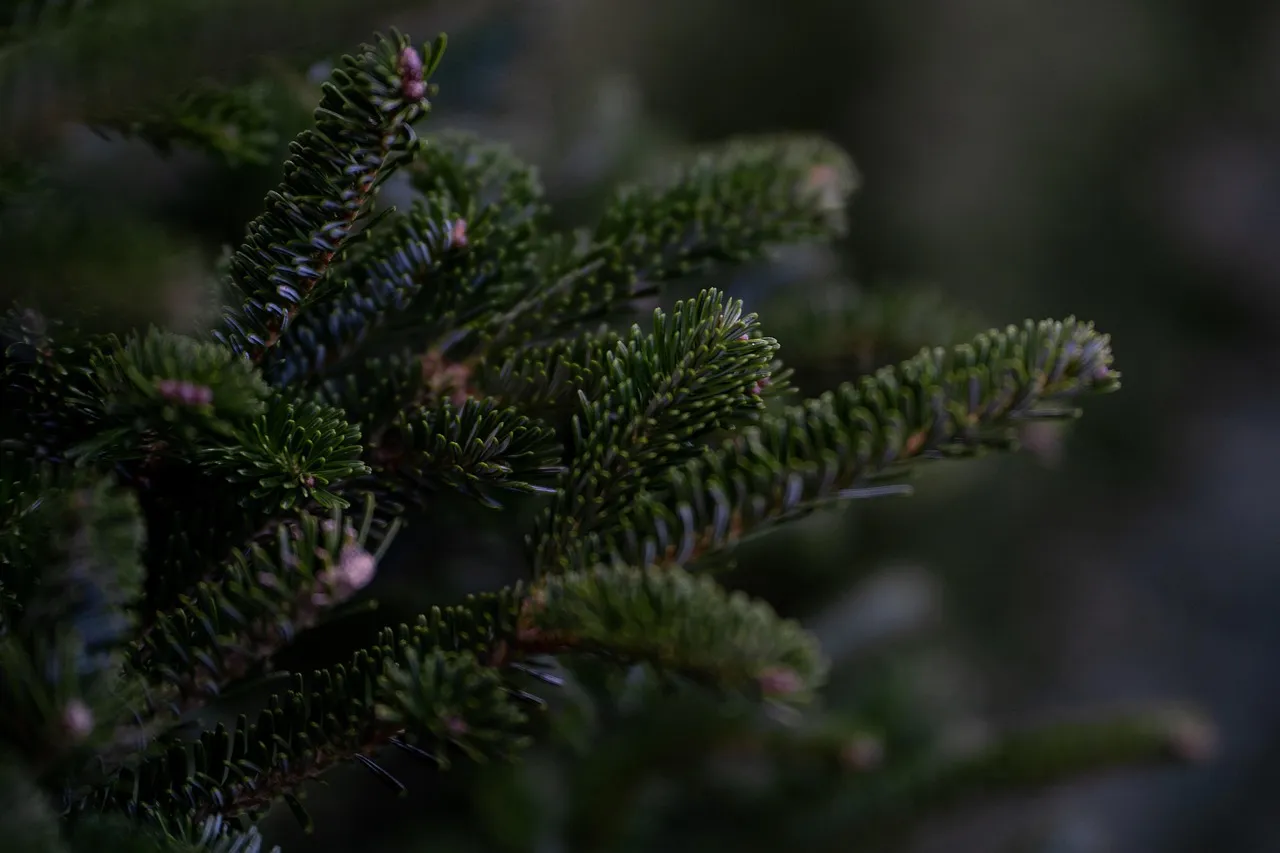
Douglas Fir trees are the second largest trees in the coast redwood forest and they are sometimes confused with redwoods. That’s a compliment to how convincingly they carry the same towering, primordial energy. Douglas Fir and Tan Oak trees are quite common and are found throughout Humboldt Redwoods State Park. They can tolerate a variety of conditions, so these trees grow in the moist areas amongst the redwoods as well as the drier slopes where mixed forests are common.
No Northwest garden is complete without the iconic Douglas Fir. This towering conifer offers more than just height; its dense foliage provides shelter for wildlife, making it invaluable for garden ecosystems. Known for its resilience, Douglas Fir thrives in various soil types, from well-drained to slightly acidic soils. For a Humboldt garden, it’s as close to a sure thing as trees get.
Tanoak (Notholithocarpus densiflorus): The Hardwood Heart of the Forest
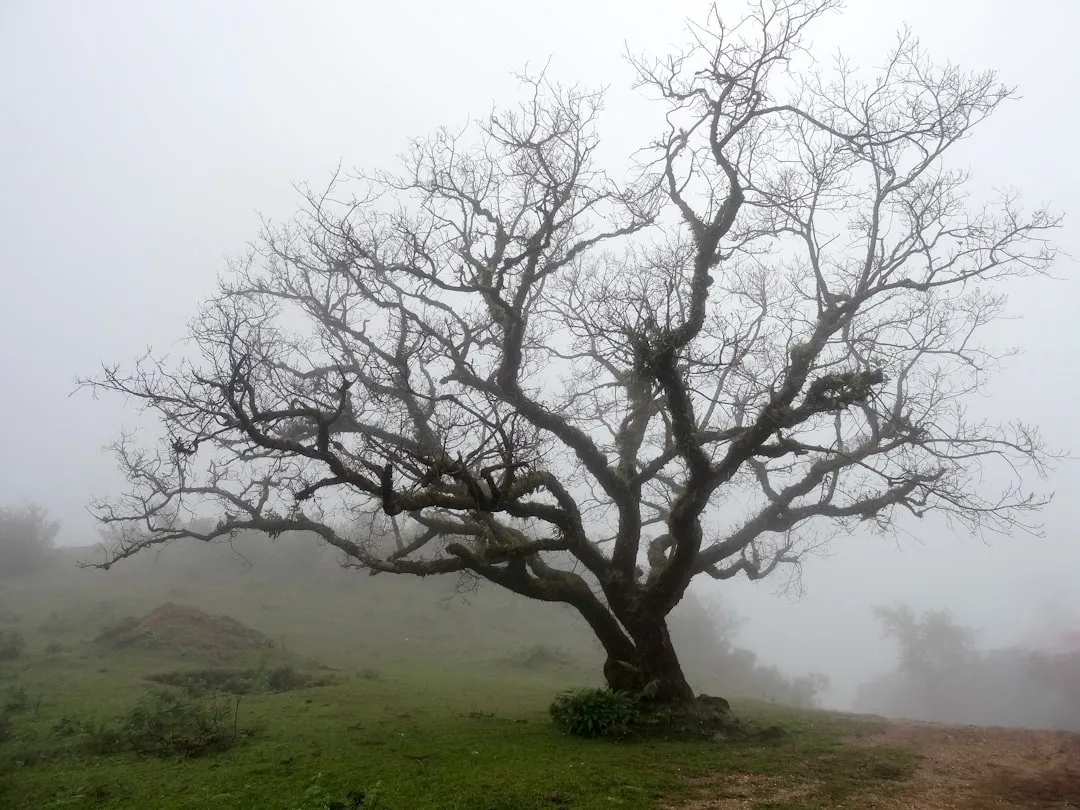
Tanoak is the most common hardwood associate of redwood in central and southern portions of its range and most abundant across redwood forests. It belongs right next to your redwood-inspired planting scheme, both ecologically and aesthetically. Mature tanoak trees typically attain heights of 50 to 150 feet and diameters of 6 to 48 inches.
Tanoak thrives in a mild, humid climate characterized by dry summers and wet winters, where snow is infrequent and ephemeral. In this climate, annual precipitation ranges from 40 to 140 inches, typically with less than 5 percent falling from June through September. That’s basically a description of Humboldt County’s weather calendar. Tanoak grows best on deep, well-drained, sandy, or gravelly loams. The most productive soils for Douglas-fir or redwood are also some of the best soils for tanoak.
Pacific Madrone (Arbutus menziesii): Sculpture With Leaves
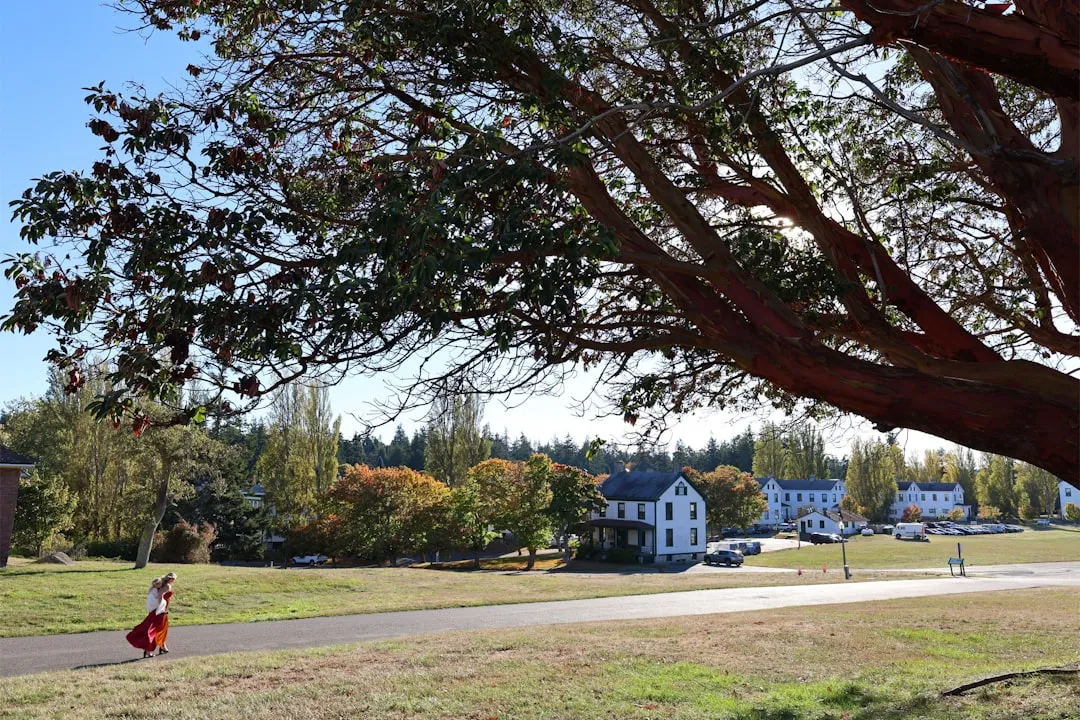
Madrone mingles with coast redwood along the northern California and southern Oregon coast, and with western hemlock, Oregon white oak, and Pacific ponderosa pine throughout much of its range. In a garden context, it’s the most visually dramatic of all the redwood companions, with peeling cinnamon bark and polished evergreen leaves.
In the heart of its range, Pacific madrone is a major component of a widespread mixed-evergreen forest, which is characterized by an overstory of Douglas-fir and a secondary canopy of mixed hardwoods. Understory vegetation is often sparse under mature stands containing Pacific madrone. Pacific madrone is a large, long-lived tree that naturally occurs in a climate with mild, wet winters and dry summers, although rainfall varies substantially within its range. Give it the right sun exposure and it will reward you for decades.
Bigleaf Maple (Acer macrophyllum): Drama in Every Season
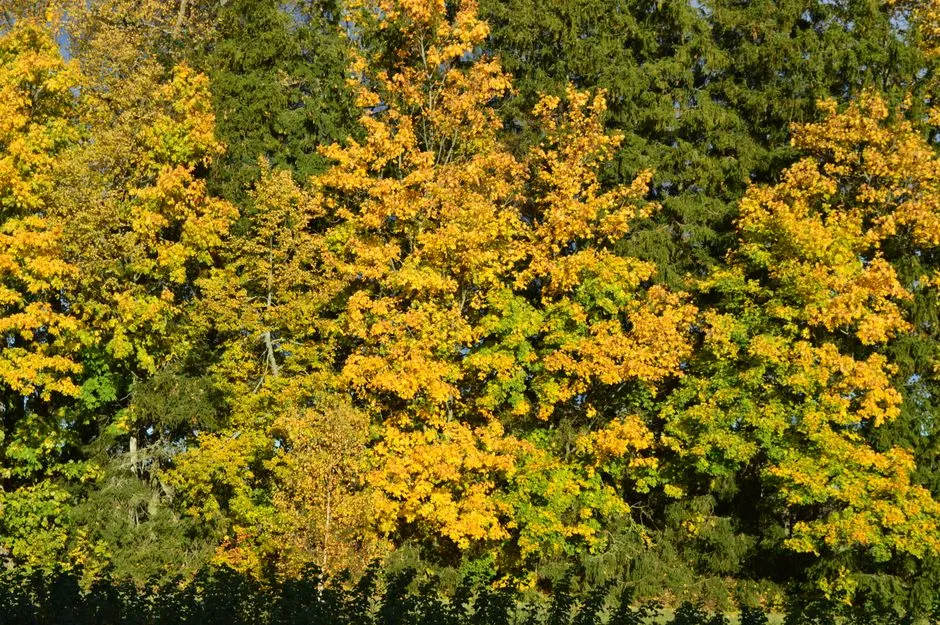
Both Bigleaf Maple and Pepperwood trees are found in redwood groves as well as upland slopes. Conditions are drier in upland slope areas, and these are places where mixed forests are often seen. Bigleaf maple is the broadleaf counterpoint to all those dark conifers, softening the palette while staying completely native.
Our largest native deciduous tree, reaching 60 to 100 feet with a spread that often matches. The leaves are the biggest of any North American maple, sometimes a foot across, turning a clean gold in October. Bigleaf maple supports a staggering community of mosses, lichens, and insects in its crown and is one of the most ecologically productive trees in the region. Moss-draped branches are practically guaranteed in Humboldt’s fog and rain – a look that money cannot buy elsewhere.
Western Hemlock (Tsuga heterophylla): The Shade-Lover’s Choice
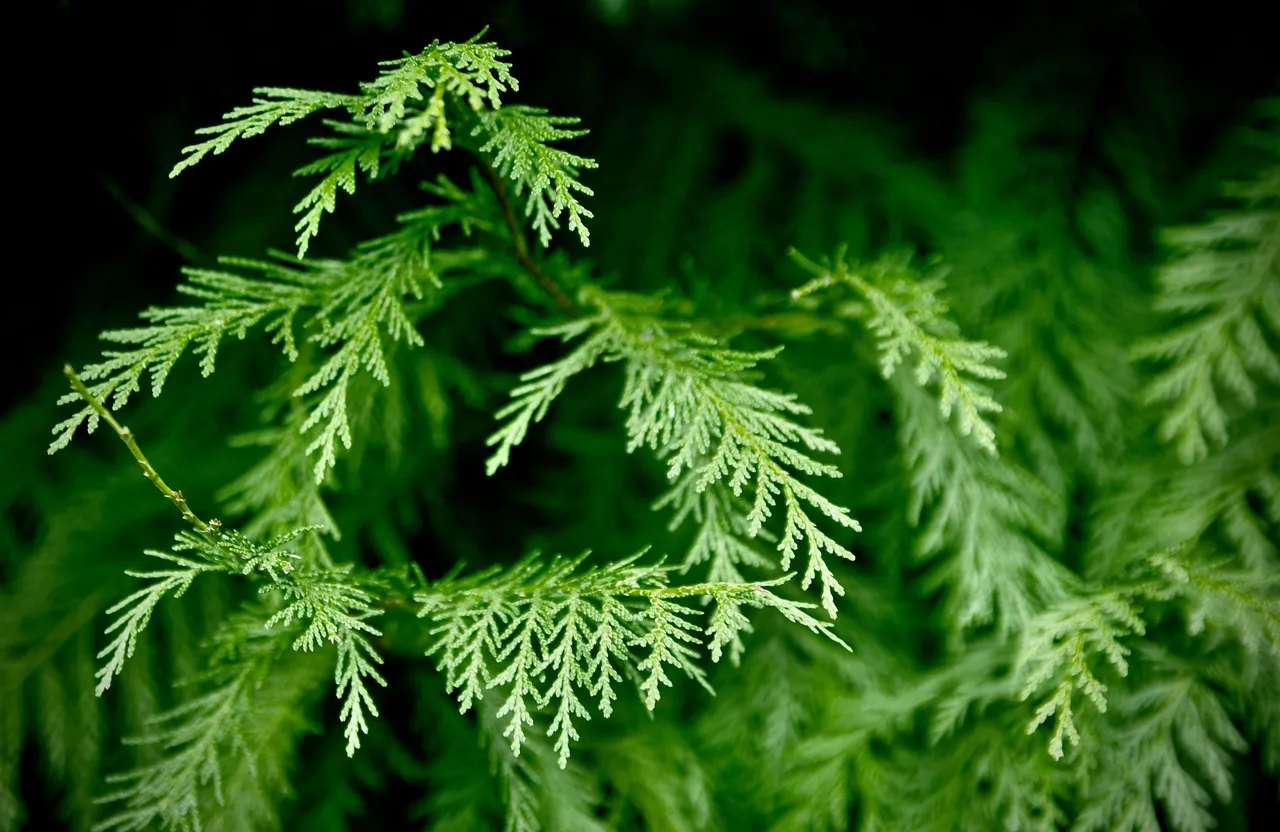
Coast Redwoods are also found in mixed evergreen forest with the majestic Douglas-fir, as well as western hemlock, grand fir, and Sitka spruce. Western hemlock slots naturally into the understory, making it perfect for gardeners who want layered, forest-style planting without fighting for sunlight. Its fine, feathery foliage droops gracefully at the tips and creates an unmistakable softness in the canopy.
Western hemlock is considered a canopy indicator plant for sites suitable for coast redwood – its presence signals moist, foggy conditions where redwoods would also feel at home. That ecological logic works just as well in reverse: if your garden already has redwood energy, western hemlock will find it welcoming. It’s a tree that prefers to be part of a community, not a lone specimen.
Sitka Spruce (Picea sitchensis): Built for the Coast
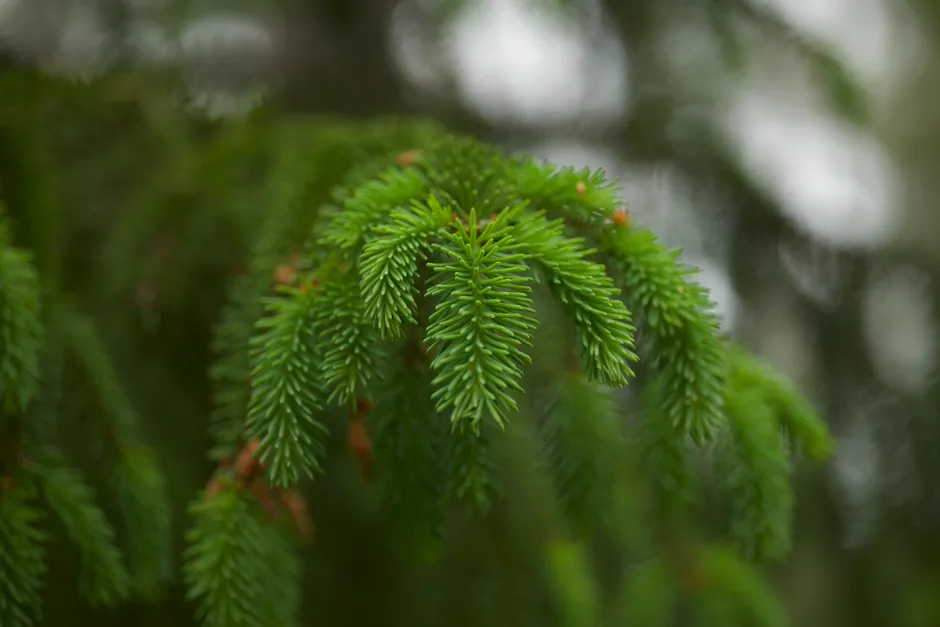
The classic outer-coast conifer: in the wild, Sitka spruce reaches 160 feet on old-growth sites, but in home landscapes expect 40 to 80 feet with a 20 to 30 foot spread. Full sun, moist soil, genuine salt tolerance. Plant as a windbreak or stand-alone coastal conifer where you would otherwise default to Douglas fir.
Sitka spruce is one of the signature trees of the Pacific Northwest, growing in scattered populations south of Humboldt County. Its stiff, silvery-green needles catch coastal light in a way that’s genuinely striking. The sharp needles are a reliable nesting site for Pacific wren and many songbirds. For a coastal Humboldt garden with room to spare, Sitka spruce delivers the most authentic old-growth atmosphere of any conifer on this list.
Western Red Cedar (Thuja plicata): Aromatic and Ancient
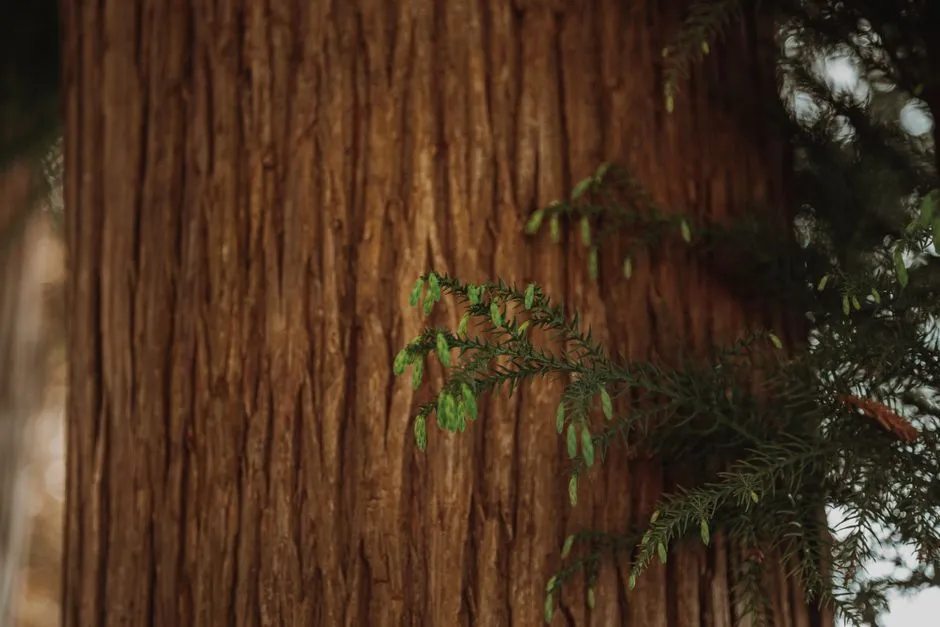
With its handsome, rusty, fibrous bark and towering framework, an old-growth Western Red Cedar easily holds its own against the Coastal Redwoods and Giant Sequoias of California. This Pacific Northwest native conifer became a central thread to the fabric of Pacific Northwest cultures. In a garden, it contributes extraordinary fragrance, dense screening ability, and a deeply textured bark that ages beautifully.
Predictable habitat for western red cedar includes wet streamsides or cool, damp, north-facing hillsides. It also survives in coastal yards of Humboldt and Del Norte counties. Worth noting: western red cedar does not tolerate real coastal salt exposure and is declining from heat stress across much of the region. Plant it in a sheltered, reliably moist spot and keep it out of exposed, wind-battered positions.
Red Alder (Alnus rubra): The Fast Fix for Bare Ground
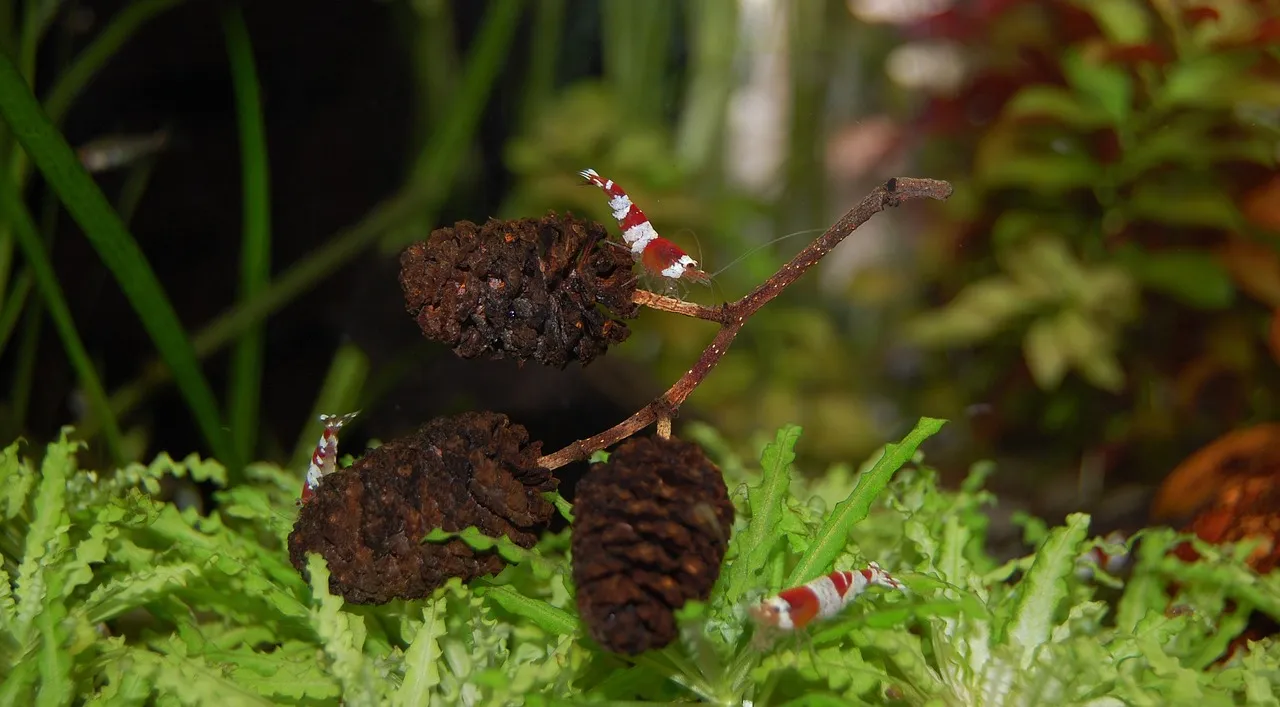
Red alder is the workhorse of the Humboldt forest community. It colonizes disturbed and moist ground faster than nearly any other native tree, fixing nitrogen and improving soil as it grows. Along the coast, red alder is a close associate of western red cedar, bigleaf maple, western hemlock, Sitka spruce, and Pacific madrone. That places it firmly in redwood-adjacent territory.
Red alder and bigleaf maple often dominate early stages of postfire succession in Douglas-fir forests of the Pacific Northwest. In garden terms, this means red alder is excellent for establishing a young forest atmosphere quickly while slower-growing conifers get established. It’s deciduous, so winter light still filters through, and its catkins are an early food source for wildlife in late winter.
California Bay Laurel (Umbellularia californica): Evergreen and Fragrant
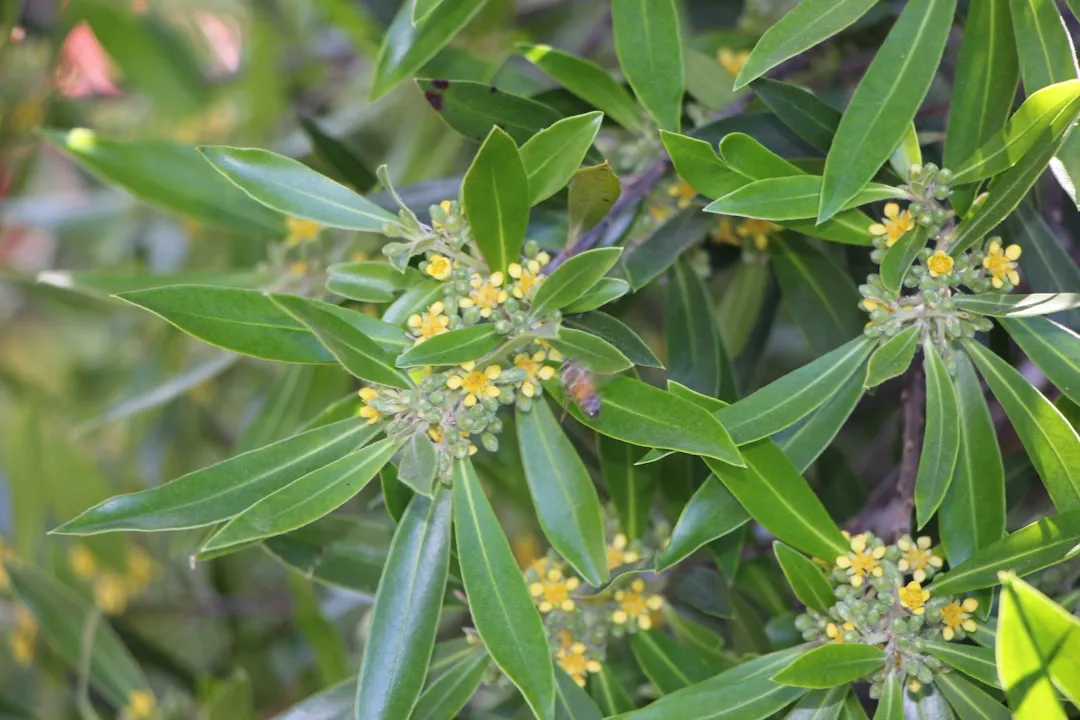
California bay (Umbellularia californica) is a natural resprouting hardwood found in mixed stands alongside tanoak and Douglas-fir in the forests of Humboldt County. It’s evergreen, strongly aromatic, and perfectly suited to the kind of shady, moist-but-draining garden soil that redwood landscapes create. The scent from crushed leaves is intense enough to be almost medicinal.
On drier slopes, tanoak, madrone, maple, and California bay laurel grow along with the evergreens in the redwood forest ecosystem. In a Humboldt home garden, bay laurel fills the mid-story gap beautifully, reaching a manageable size compared to the towering conifers around it. Its dense, glossy canopy creates a genuine forest-floor shade quality underneath.
Oregon Grape (Mahonia aquifolium): The Understory Anchor
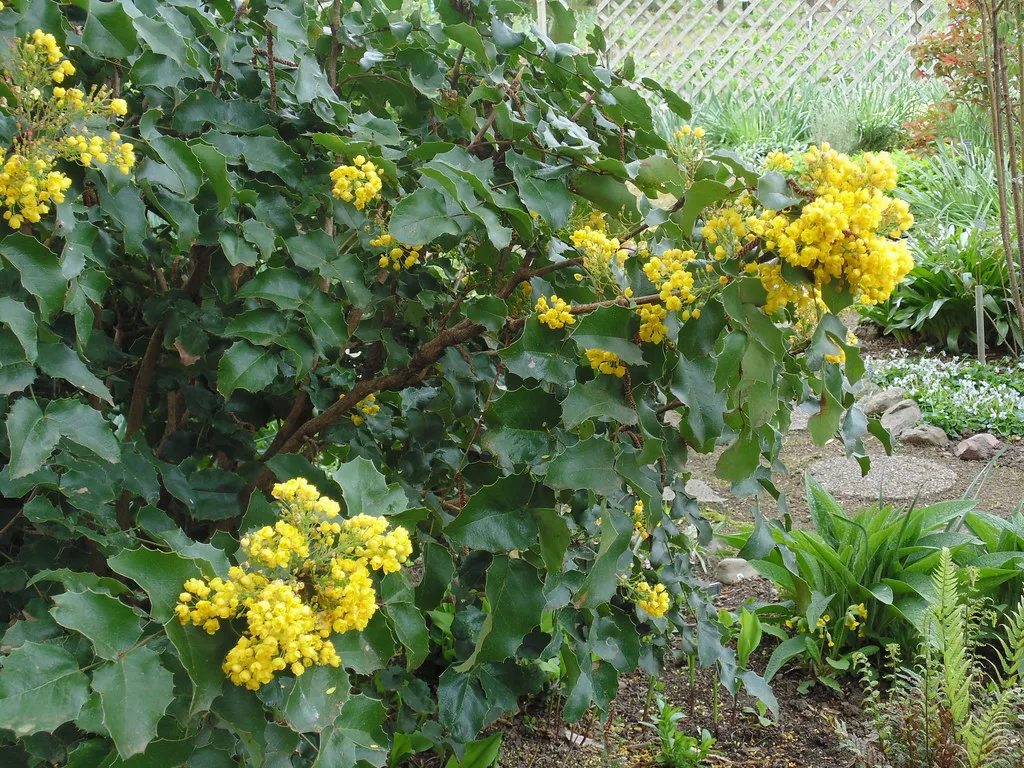
Technically a shrub rather than a tree, Oregon grape earns its place on this list as one of the most important canopy-edge and understory plants in any redwood-adjacent garden. Oregon Grape offers year-round interest with its holly-like foliage and grape-like blue berries. These berries attract birds, adding life to any garden. The plant is drought-tolerant once established, making it ideal for gardeners looking to conserve water.
The diversity of wildlife utilizing Douglas-fir and tanoak forest sites is influenced by the presence of the mast-producing tanoak as well as berry-producing species such as California huckleberry, Pacific madrone, and Oregon grape. Oregon grape is that connective tissue in the ecosystem – the plant that ties all the tall trees to the forest floor. Its adaptability to various soil types and conditions further enhances its appeal. Adding Oregon Grape to your garden promises a touch of natural beauty with minimal maintenance, perfectly suited to the Pacific Northwest climate.
A Few Honest Notes Before You Plant
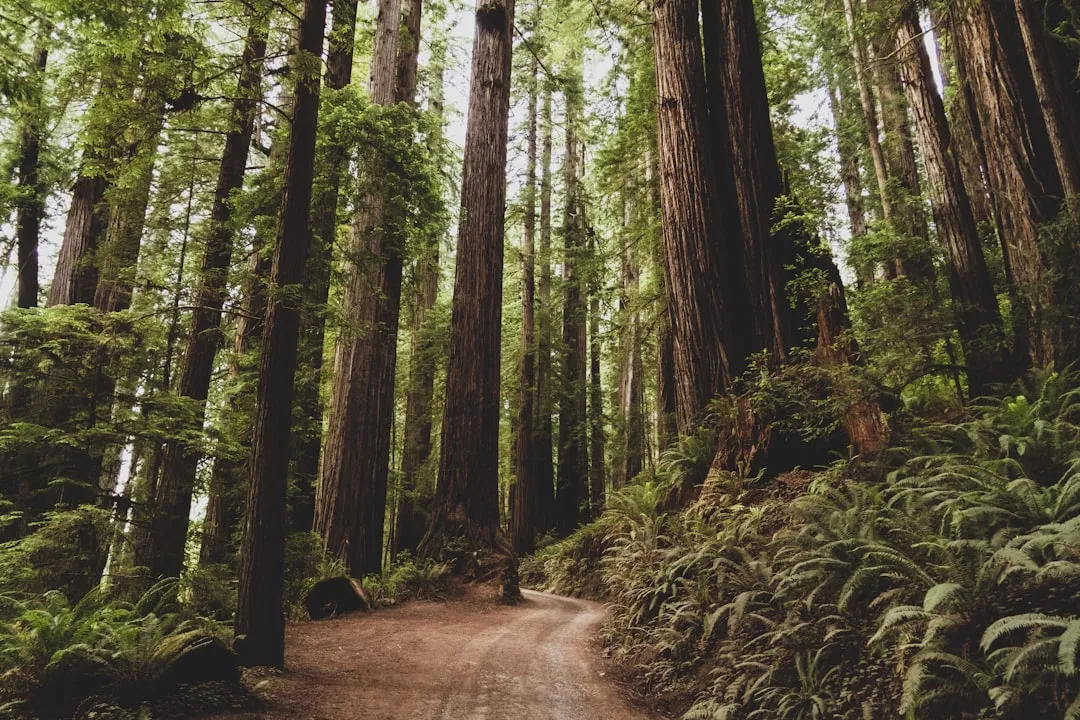
Native redwoods can be particularly challenging trees to incorporate into the landscape, both for their sheer size and for the difficult growing conditions that occur beneath their canopy. The same challenges apply in reverse: if you’re planting redwood-adjacent species into an existing redwood garden, root competition and soil acidity are real factors to manage. The best ways to handle this are by topdressing with a good quantity of compost when you plant, then adding wood chip mulch to further help keep moisture in. This gives your new plants some easy areas to put down roots so they can get established. Drip irrigation is a really great idea to help your plants get going too, because it applies water exactly where your new plants need it.
Humboldt Redwoods State Park contains more than 200 plant species. In fact, the amount of biological material in the park amounts to a biomass that is 8 times that of the Amazon rainforest. That statistic reframes what a Humboldt garden can aspire to be: not a decorative space, but a genuinely productive ecosystem. The trees listed here are all real participants in that system – not approximations, not ornamentals wearing native clothing. Plant them thoughtfully, give them what their wild counterparts get, and your garden will slowly start to feel like the forest it always wanted to be.
AI Disclaimer: This article was created with the assistance of AI tools and reviewed by a human editor.