

San Diego has some of the most enviable weather in the country, but a yard without shade can turn your outdoor space into a scorching concrete oven by July. The right tree changes that completely. It screens nosy neighbors, muffles street noise, and brings your patio temperature down to somewhere actually comfortable.
With its Mediterranean climate, featuring warm, dry summers and mild, wet winters, San Diego offers ideal growing conditions for many types of trees. The challenge isn’t finding a tree that can survive here. It’s finding one that gives you dense coverage fast, sips water responsibly, and stays beautiful year after year. Here are ten solid options worth knowing about.
1. Tipu Tree (Tipuana tipu): The Big, Reliable Canopy
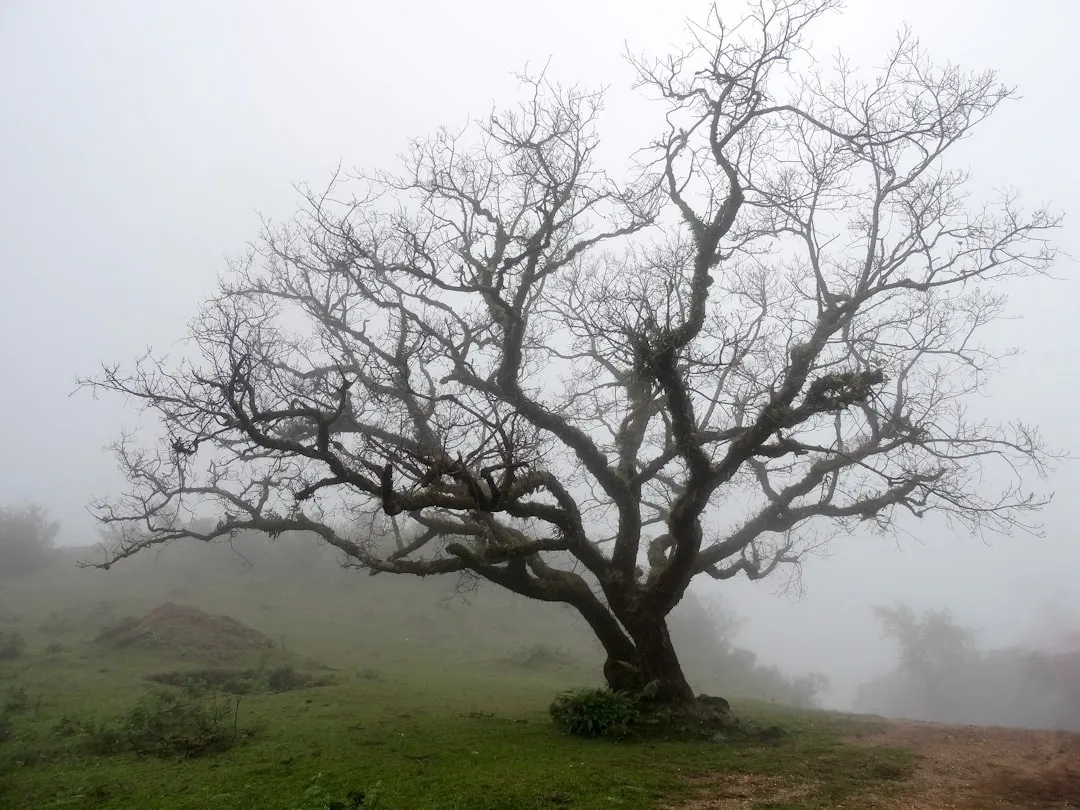
The Tipu Tree, also known as Tipuana tipu, is a fast-growing shade tree commonly planted throughout Southern California. It develops a wide, spreading canopy and provides dense shade, making it popular in larger landscapes.
The tree reaches 30 to 50 feet high and wide in a rounded, umbrella shape. It tolerates drought once established, needs full sun, and grows at a fast rate of roughly 24 to 36 inches per year.
Beyond shade, this is also a colorful flowering tree that puts on a spectacular display, whether it’s the golden blooms from late spring to early summer or its feathery, bright bluish-green foliage with weeping boughs. One note of caution: its aggressive roots and heavy seasonal drop of flowers and seed pods can create maintenance concerns, especially near hardscape and structures.
2. Italian Cypress (Cupressus sempervirens): The Living Wall
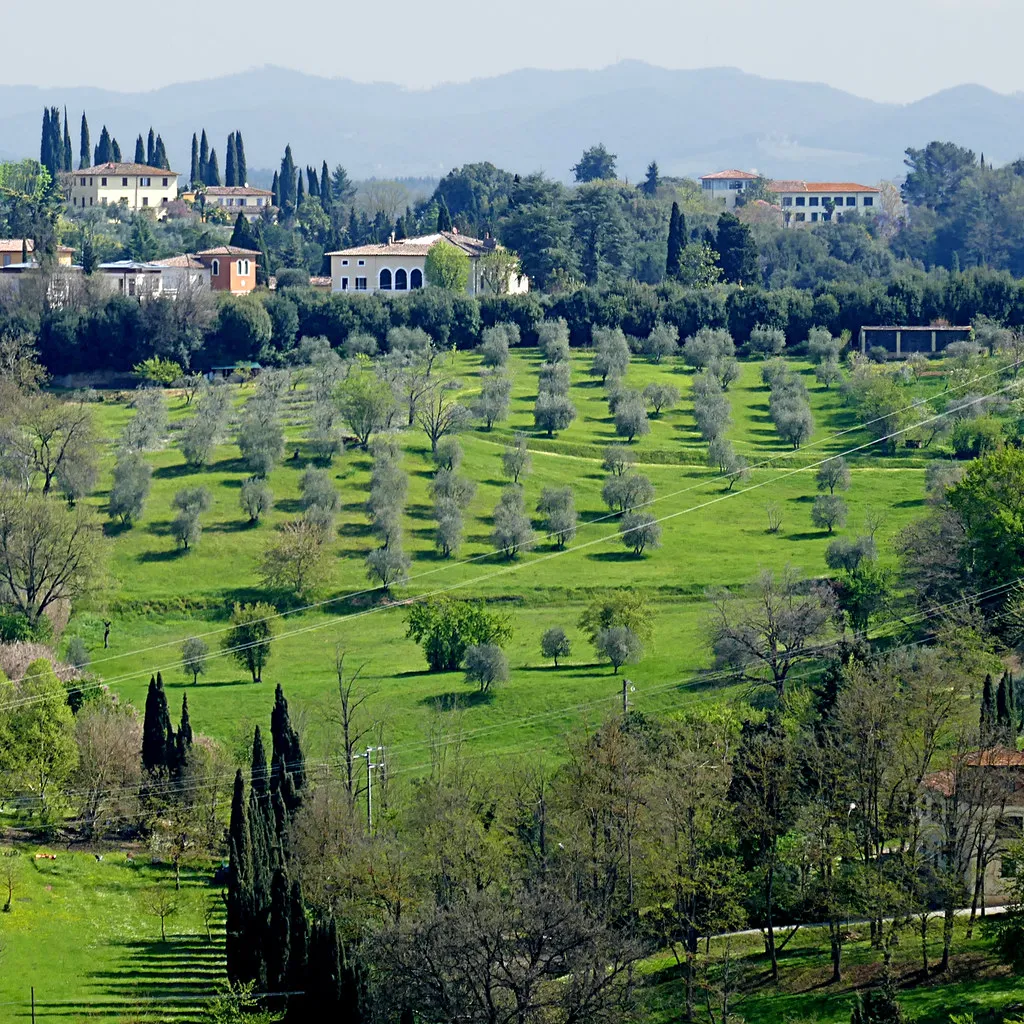
Native to southern Europe, the biggest distinguishing characteristic of Italian Cypress trees is their tall, column-like form. Classified as an aerial hedge, these trees grow to a mature height of 40 to 60 feet and a width of five to seven feet, making them a perfect option if you’re looking to screen something large.
Fast-growing Italian Cypress can shoot up three feet per year, reaching 40 to 60 feet in height. Their narrow shape, just three to five feet wide, makes them ideal for small yards where space is tight. They love well-drained soil and full sun, making them an excellent choice for Southern California.
Plant them in a tight row along a property line and within a few years you’ll have a green wall that genuinely earns the title of “living fence.” They’re also remarkably tidy once established, with minimal mess and very low water requirements after the first year or two.
3. Jacaranda: The Purple Canopy Everyone Loves
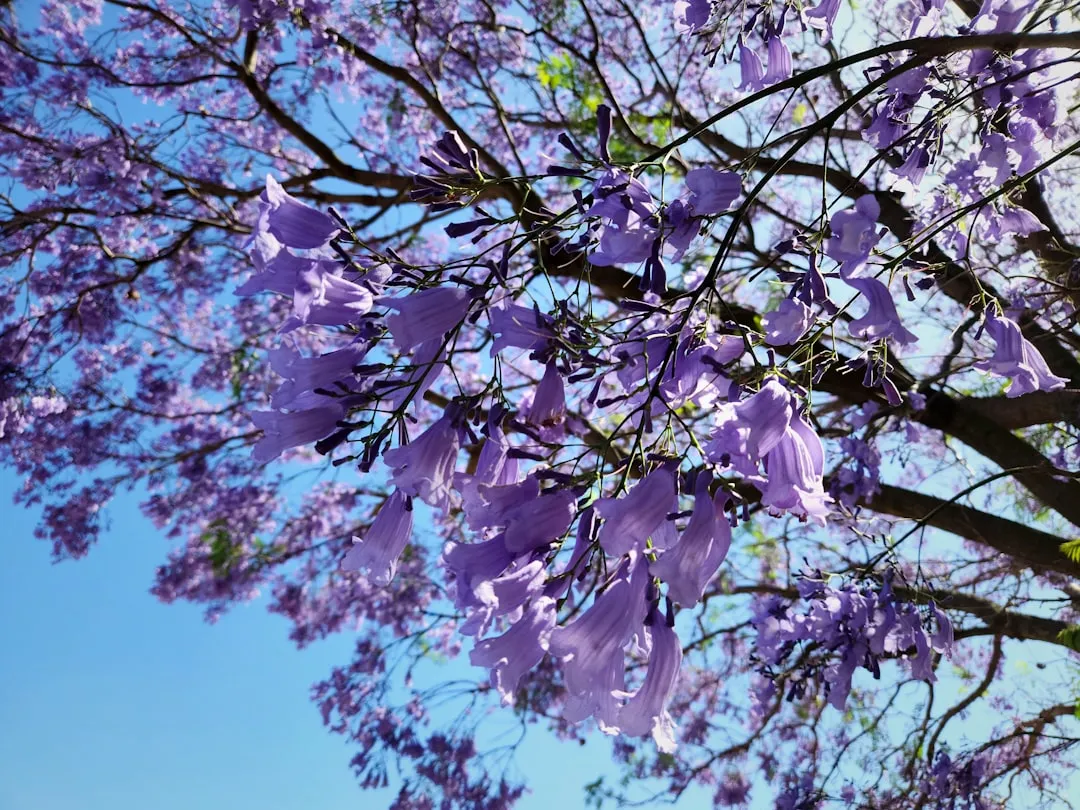
Known for its lavender-blue flowers and fern-like foliage, Jacaranda trees grow quickly to 40 feet tall and make excellent shade trees that shine in sunny California locations.
The Jacaranda is a favorite for its color and presence. The canopy spreads wide enough to shade a good portion of a back patio, and the filtered light it casts has a genuinely magical quality when those blooms are at their peak.
It is worth knowing that Jacarandas are deciduous in cooler winters and can drop flowers and small branches, so placing one near a pool or driveway takes some thought. Still, for pure shade output and striking visual impact, few trees in San Diego can compete.
4. California Pepper Tree (Schinus molle): A Local Icon
Schinus molle, the California Pepper Tree, is prized for its cascading, feathery foliage and clusters of red berries. It grows quickly, provides ample shade, and thrives in dry, sunny conditions with little irrigation once established.
The weeping, graceful silhouette of the California Pepper is immediately recognizable across San Diego neighborhoods. It’s one of those trees that becomes a focal point of a yard without you ever trying to make it one. It’s ideal for large yards and open landscapes.
Drought resistance here is genuine, not just a label. Once its roots are established, this tree can handle prolonged dry spells with little extra help, which is a real practical advantage given ongoing water restrictions across Southern California.
5. Podocarpus: The Clean, Shapeable Privacy Screen
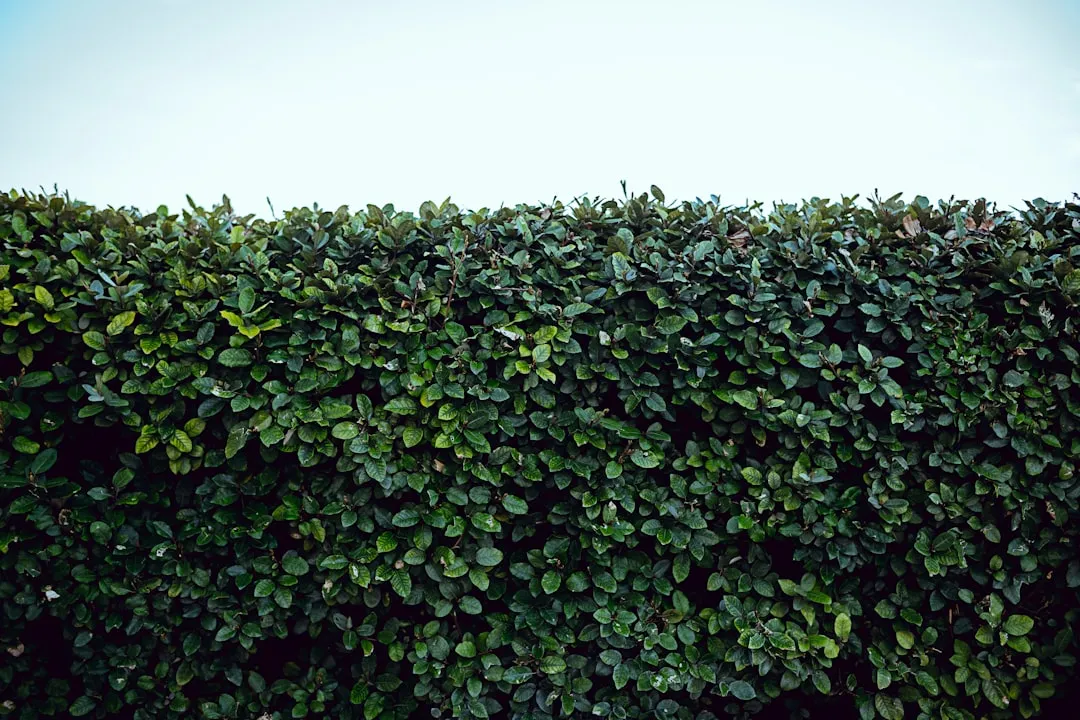
The podocarpus tree is admired for its clean appearance, low maintenance, hardiness, friendliness to sidewalks, and resistance to pests and disease. Because of its dense canopy, this tree works great as a shade tree or privacy screen. It prefers partial to full sun and does well even in heat spells and drought conditions.
Podocarpus grows 20 to 40 feet tall and can be trimmed into a neat hedge. It’s one of the best privacy trees for urban yards because it tolerates pollution and stays green all year.
Tree trimmers love the podocarpus because it’s easy to prune and can take on fun shapes. While they are normally trimmed into a circular or oval shape, sometimes you can spot them shaped into a cylinder, spirals, or tiered balls. For homeowners who want serious control over their hedge’s appearance, this one is hard to beat.
6. Indian Laurel Column (Ficus nitida): The Formal Privacy Classic
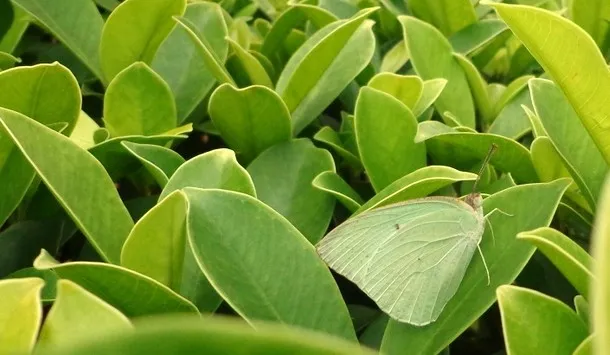
Indian Laurel Columns are the quintessential privacy trees for Southern California, offering lush, dense foliage that creates a natural barrier, ideal for those seeking a blend of aesthetic appeal and practicality.
Closely related to the common fig tree, ficus trees are widely used as privacy hedges in Southern California. Ficus nitida grows into a 25 to 30 foot evergreen tree with a 35 to 40 foot spread when fully grown, and the dense foliage creates immense amounts of shade and privacy.
The one honest caveat: the roots are very invasive, and it’s common to see this tree cracking sidewalks and invading neighboring properties. However, this doesn’t mean you should rule out the ficus tree. A professional landscaping company can help you properly install the ficus tree and control its roots. Plant it with root barriers and give it distance from hardscape.
7. Leyland Cypress: Fast, Dense, and Drought-Hardy
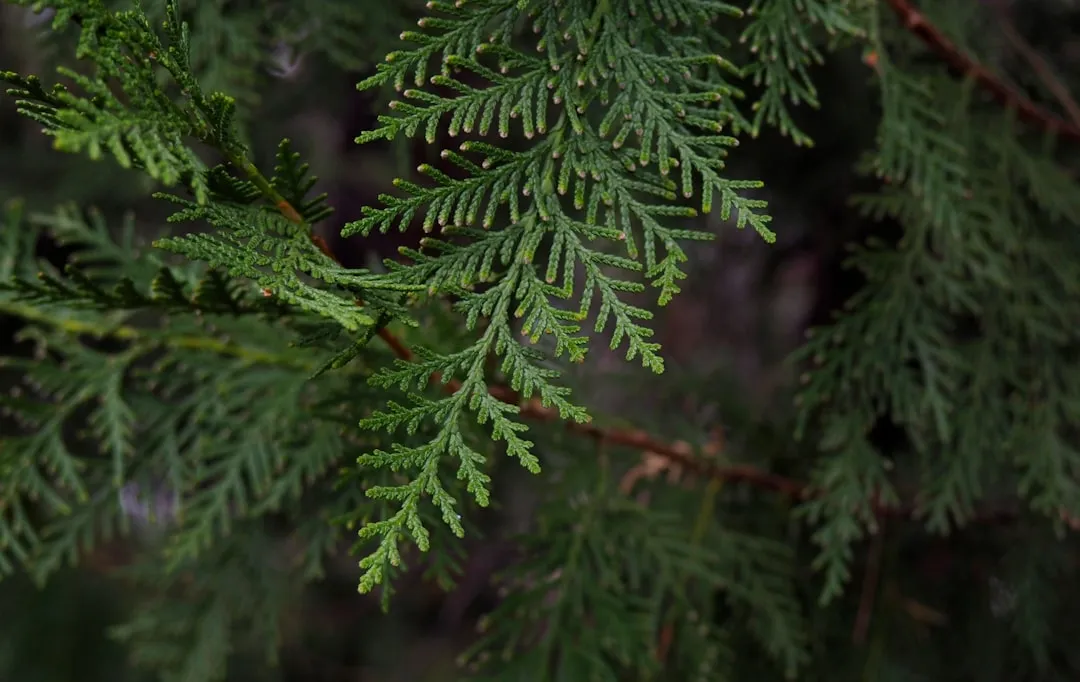
A favorite for homeowners seeking fast privacy, Leyland Cypress grows three to four feet per year, reaching 40 to 60 feet tall. Its dense evergreen foliage forms a living wall against noise and neighbors.
This tree is an evergreen that will grow well between zone 6 and zone 10, putting on as much as four feet of growth per year. That’s genuinely fast. In San Diego’s climate zones 9 to 10, it settles in comfortably and rarely needs much coaxing.
The Leyland Cypress is adaptable to many soil types and becomes drought tolerant once established. If you need a tall, dense screen and you need it relatively quickly, this is one of the most reliable choices available in Southern California.
8. Desert Willow (Chilopsis linearis): Small Yard, Big Character
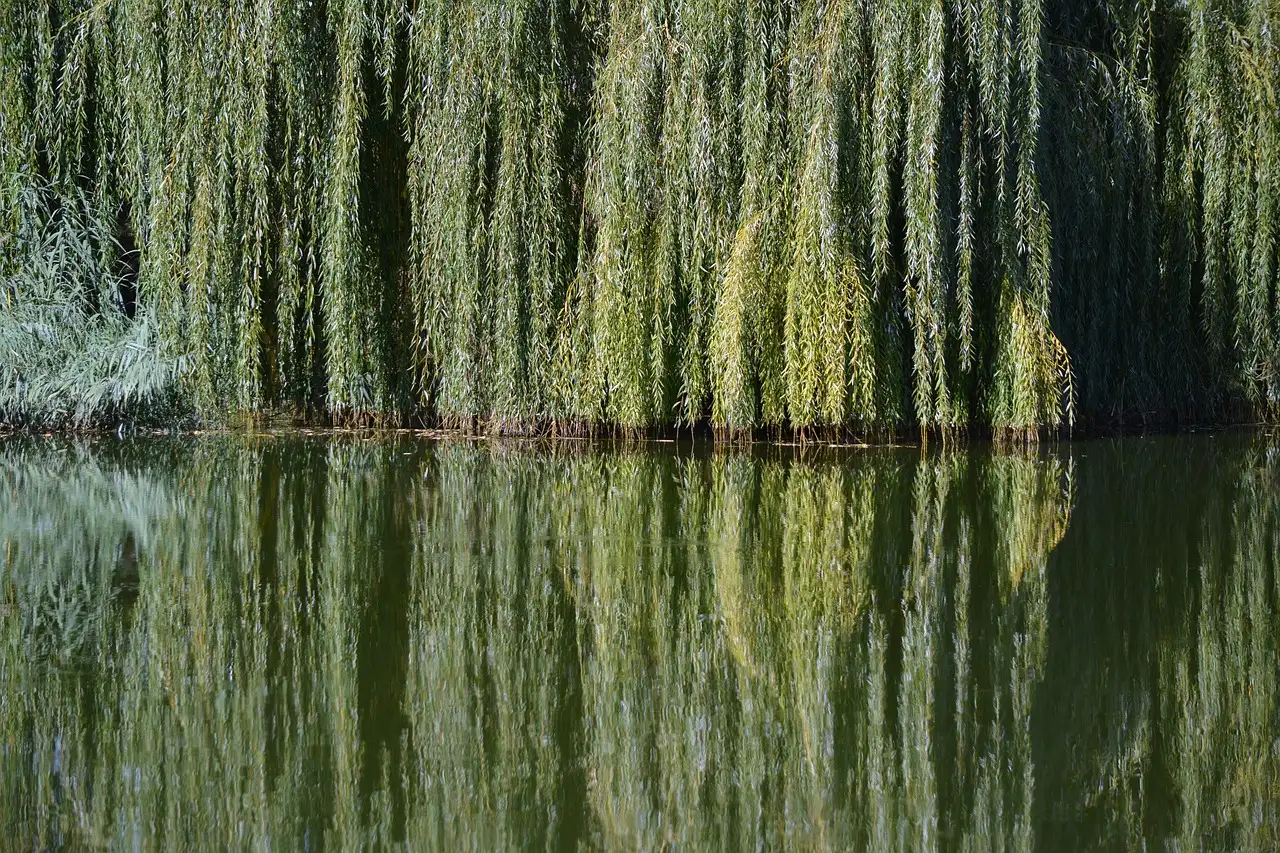
The Desert Willow is perfect for smaller lots. It features trumpet-shaped flowers in pink and lavender that attract hummingbirds and butterflies. Exceptionally drought-tolerant, it requires little water after its first year and adapts well to San Diego’s sandy soils.
Desert Willow is a graceful tree that produces orchid-like flowers in pink, lavender, and magenta. Though it drops its leaves in winter, its summer flower show is spectacular. It can reach 15 to 40 feet tall and thrive with no supplemental water once established.
It won’t form an impenetrable wall, but for filtered privacy with genuine beauty and almost zero water demands, the Desert Willow punches well above its size. It’s the right pick for a corner planting or a naturalistic garden design where you want privacy without a fortress feel.
9. Olive Tree (Olea europaea): Mediterranean Elegance, Minimal Fuss
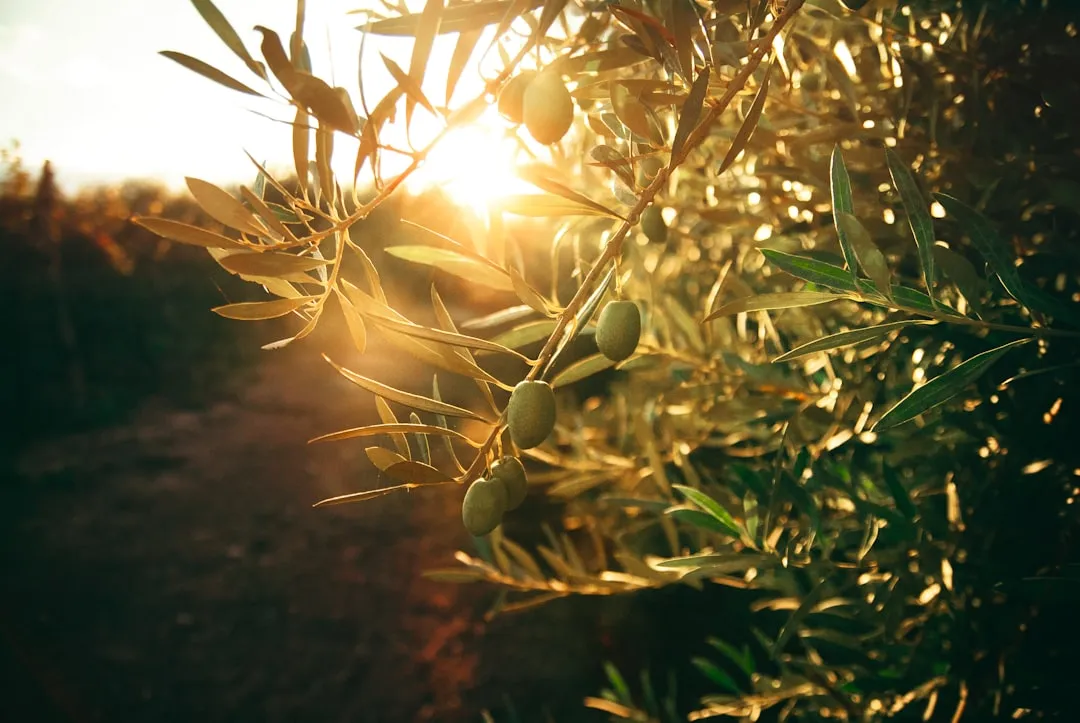
The Olive Tree is a Mediterranean classic that thrives in San Diego’s climate. Hardy and evergreen, it requires very little irrigation once mature. Whether fruiting or non-fruiting, it brings timeless charm and a sophisticated look to any property.
Also known as the Olive tree, this evergreen is native to the Mediterranean and adapts easily to temperate zones. The Swan Hill variety produces no fruit and little to no pollen, eliminating allergens and requiring minimal maintenance. These trees are noted for their wispy greyish-green foliage and are staples in California landscapes.
The Olive won’t grow into a towering screen overnight, but its canopy thickens meaningfully over time, and the silvery-gray foliage provides a very particular kind of dappled shade that feels both calming and visually refined. For anyone wanting a tree that ages beautifully, this is genuinely one of the best choices for the region.
10. Red Oak (Quercus rubra): Rare Fall Color With Real Staying Power
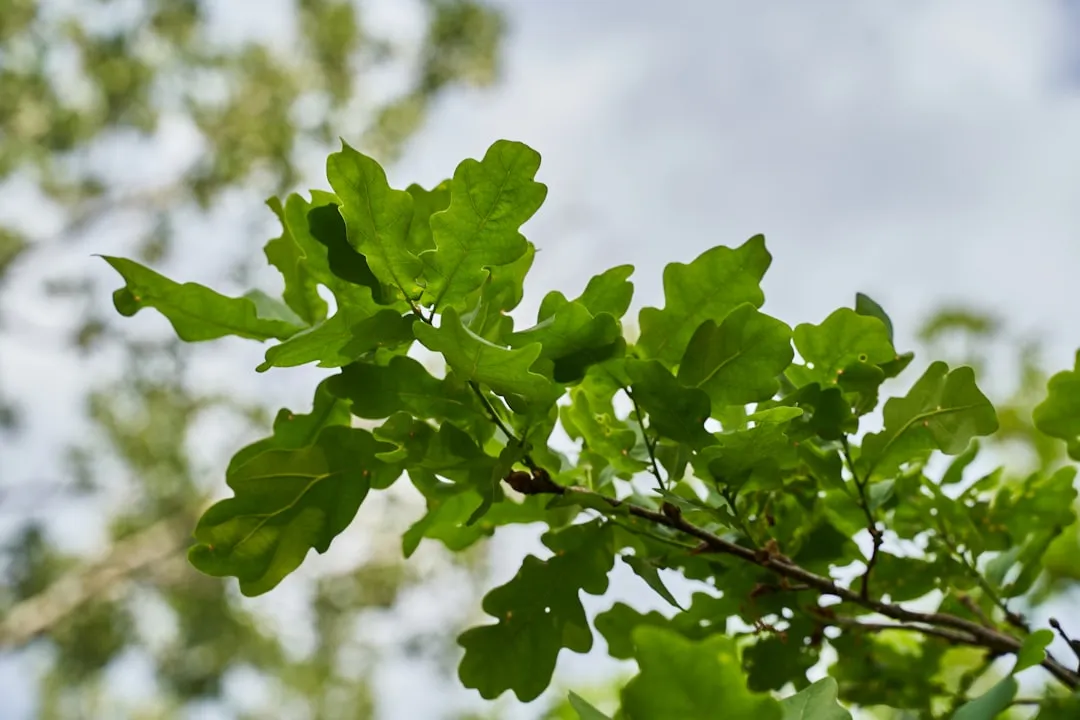
Though not native, the Red Oak adapts well to Southern California when properly established. Its wide canopy provides excellent shade, while its red fall foliage adds a rare seasonal flair. It’s durable, attractive, and well-suited for larger lots or park-style settings.
It’s one of the few trees that brings fall color to Southern California gardens. It’s also pest-resistant and handles heat well. That combination of seasonal interest and low-maintenance resilience makes it a standout in a region where most trees stay green year round.
For larger San Diego yards, the Red Oak offers something other shade trees rarely deliver: genuine seasonal rhythm. It needs more water during establishment and structured pruning in its youth, but once settled, it earns its place. Few trees in this region can match its long-term canopy spread or the depth of shade it eventually provides.
Why Shade Trees Are Worth More Than Just Comfort
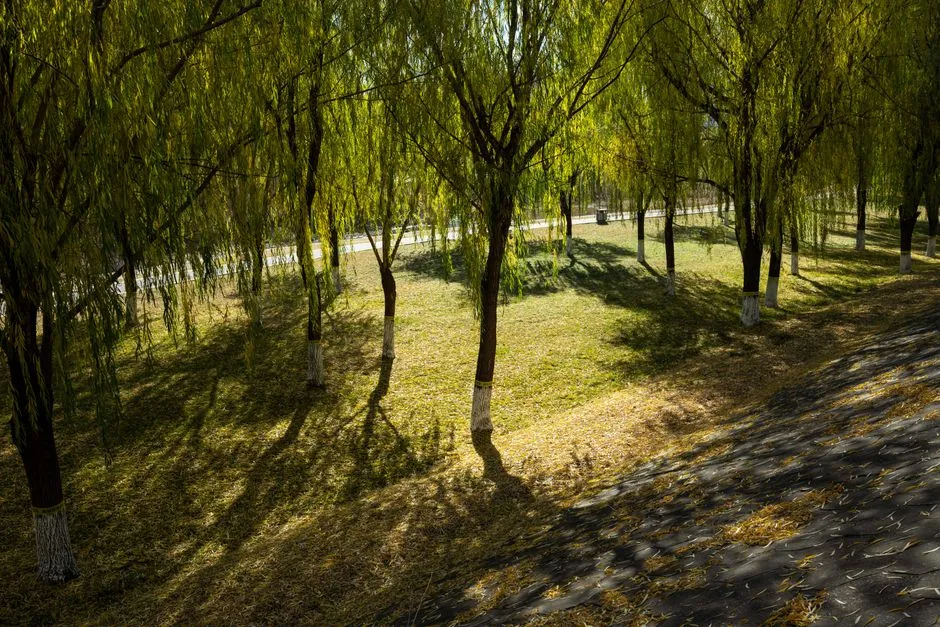
The real case for planting a privacy tree isn’t just aesthetics or seclusion. The energy savings are measurable and documented. Three trees, two on the west side and one on the east, can reduce annual energy use for cooling by ten to fifty percent, and peak electrical use by up to twenty-three percent.
Trees shading a home’s west exposure produce the largest savings for all climate zones and insulation levels considered, with southwest and east placements also delivering meaningful reductions. That’s a practical reason to think carefully about where you plant, not just what you plant.
Broad canopies provide shade and reduce heat, drought-tolerant trees attract pollinators and local wildlife, and mature trees enhance curb appeal and resale value. A well-placed tree in a San Diego backyard is, in the end, one of the more durable investments you can make in your own outdoor quality of life.
AI Disclaimer: This article was created with the assistance of AI tools and reviewed by a human editor.