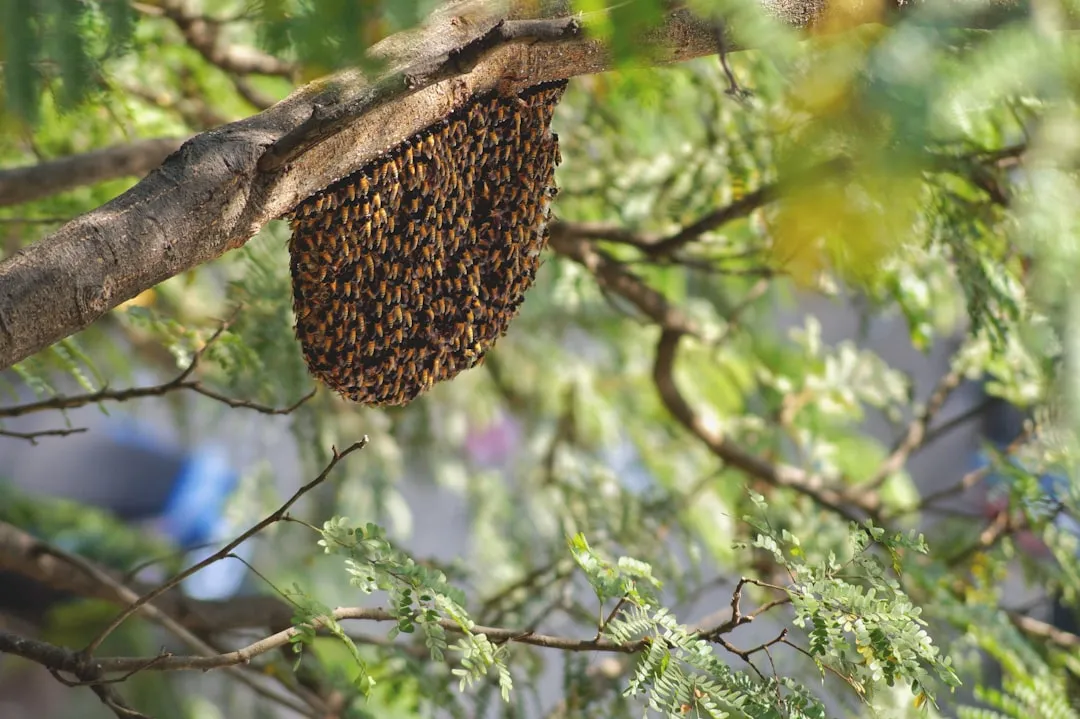

Most gardeners reach for flowers first when they want to help bees and butterflies. That’s not a bad instinct, but trees tend to get overlooked entirely. The thing is, a single mature flowering tree can deliver more pollen and nectar in one bloom cycle than an entire border of perennials. That’s a hard fact to ignore.
Native flowering trees are supremely important as sources of pollen and nectar, as they make a high volume of both available to many insects and hummingbirds. About one third of the world’s food supply depends on pollinators, and nearly three quarters of all flowering plants rely on insects and animals for pollination. If your garden plays any part in reversing pollinator decline, trees are one of the best investments you can make.
1. Eastern Redbud (Cercis canadensis): The Early Spring Showstopper
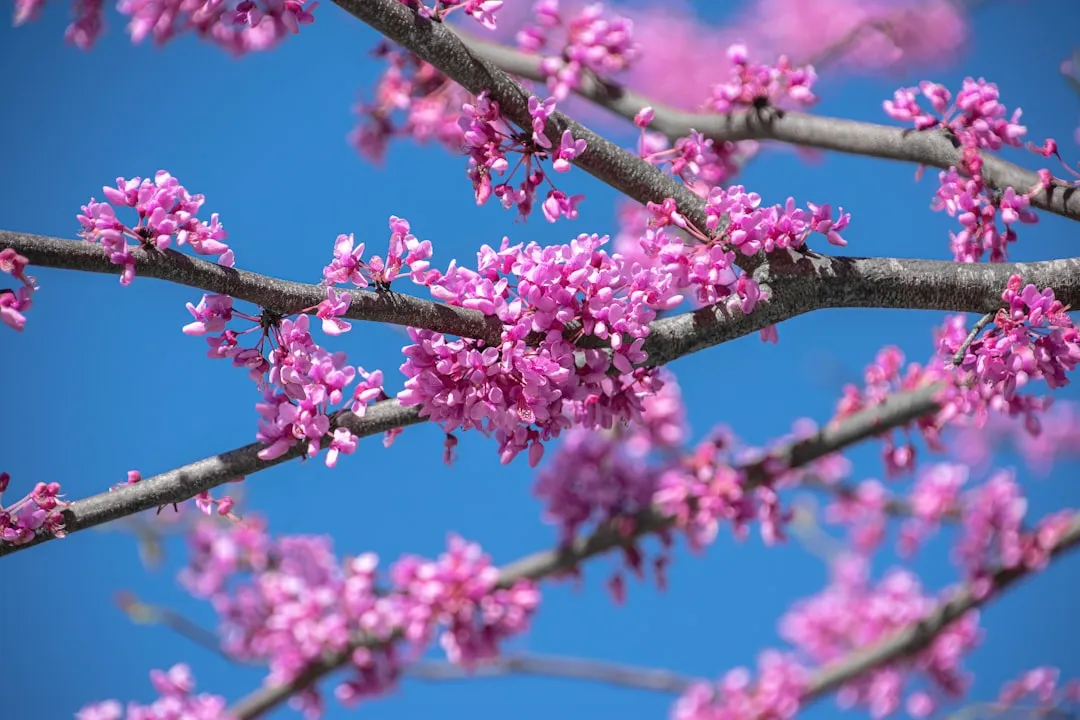
The pinkish-purple flowers which grow along the branches of Eastern Redbud attract bees and pollinators in striking numbers. The flowers bloom early, offering an important food source when most other flowers have yet to bloom, and bees that visit redbuds include bumblebees, mason bees, honeybees, mining bees, and sweat bees.
The tree is also a host plant for Henry’s elfin butterfly and the Io moth. After the blooms fade, the tree forms large, heart-shaped leaves that turn vivid yellow in autumn, and it also forms seed pods which are an important food source for birds and small mammals. The average lifespan of a redbud tree is 20 to 50 years, though some specimens may live up to 70 years.
2. Serviceberry (Amelanchier spp.): Four Seasons of Wildlife Value
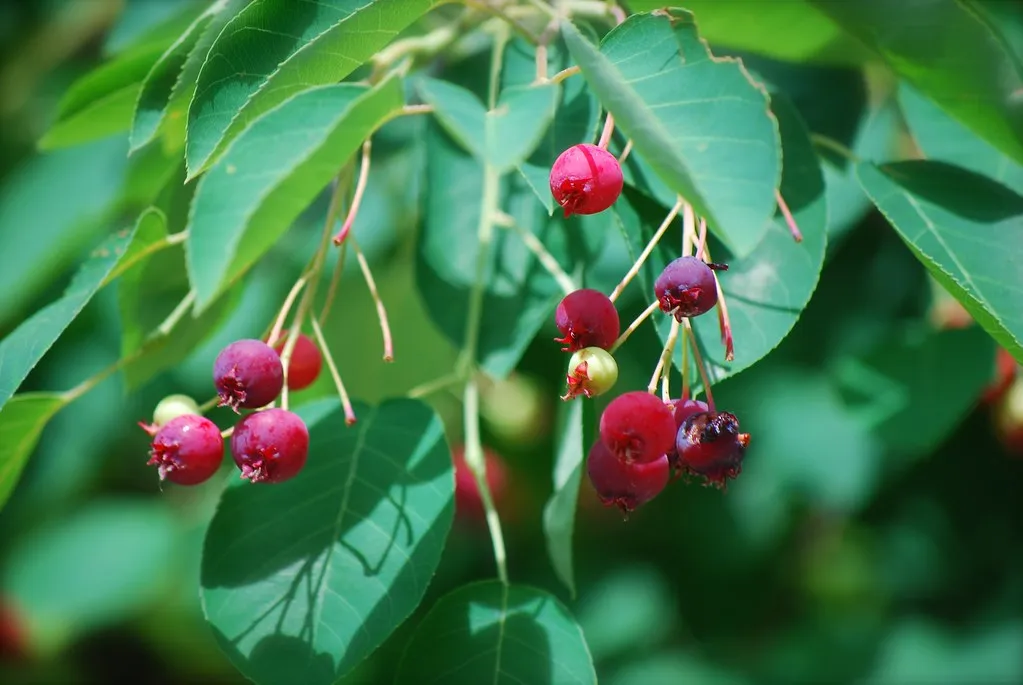
Serviceberry is a versatile native plant that can be pruned to grow as either a shrub or small tree, and it has outstanding year-round appeal, starting with an explosion of starry white blossoms in spring, quickly followed by clusters of edible blueberry-like fruits.
Serviceberry is an incredibly valuable food source for native wildlife. Its early spring blooms are one of the first sources of nectar and pollen for bees, butterflies, and other pollinators after winter. At least 40 species of birds are known to eat serviceberries, including Baltimore orioles, cedar waxwings, cardinals, robins, eastern bluebirds, finches, and towhees. It’s hard to think of another small garden tree that does this much for this many creatures simultaneously.
3. Willow (Salix spp.): The Early Pollen Bank
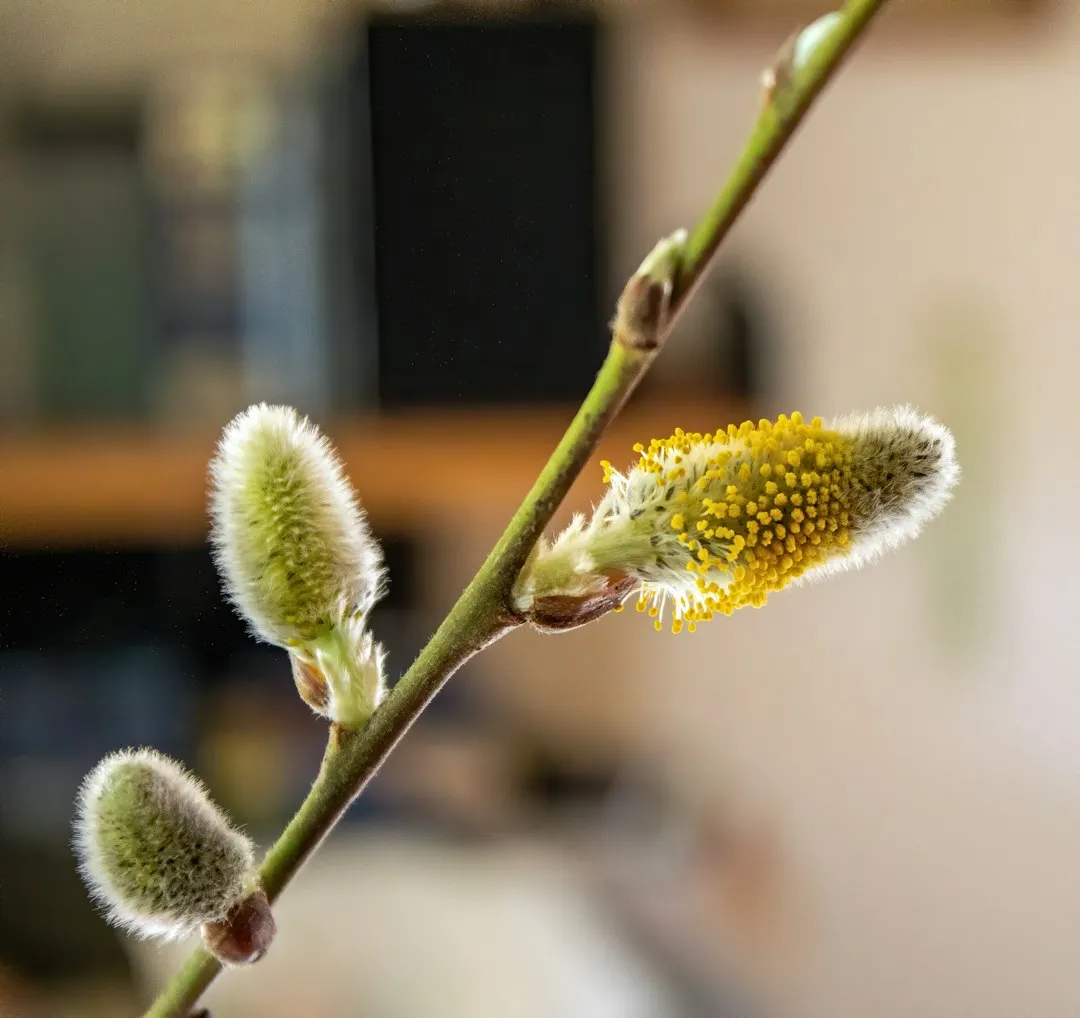
The scented flowers of the common willow tree attract over 500 species of insects, including almost 60 wild bee species. That’s a remarkable figure for a single tree species, and it’s one that serious pollinator gardeners rarely overlook.
Butterflies such as the beautiful mourning cloak feed on cottonwood leaves as caterpillars, while many bees rely on the pollen of willows early in the spring. Black willow trees (Salix nigra) are invaluable for those with more space and moist soil, and they thrive up and down the East Coast as well as in California. For smaller gardens, American pussy willow fits the bill, with irresistible furry buds appearing when ice begins to thaw, and its tiny florets packed with pollen.
4. Linden or Basswood (Tilia spp.): The Nectar Powerhouse
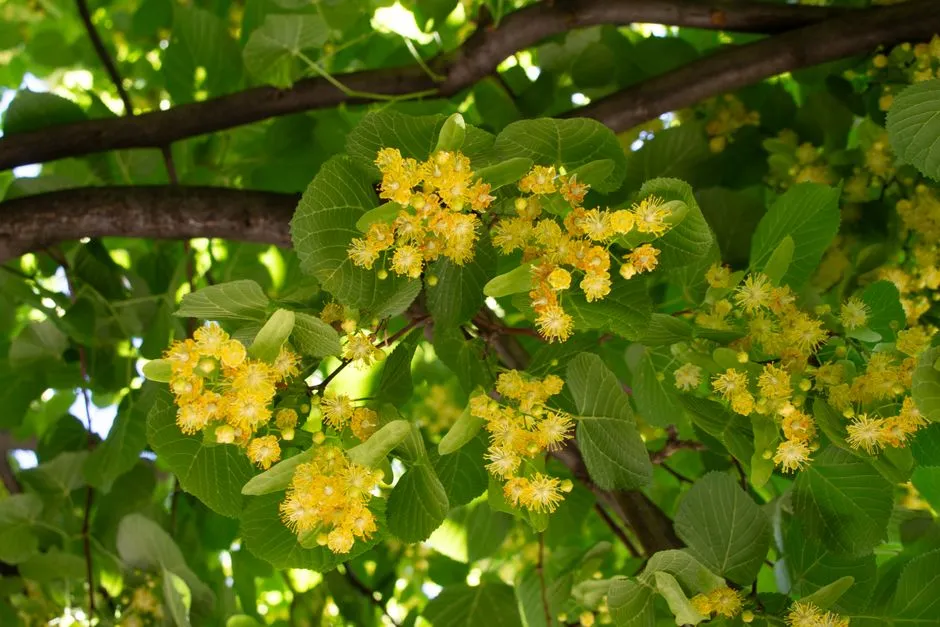
American basswood is one of the best nectar producers you can plant. When an American basswood is in full bloom, it attracts many bees and other pollinators. This deciduous tree is a genuine bee magnet, and clusters of fragrant yellow flowers in June and July attract pollinators from across an entire neighborhood.
Reaching heights of over 20 meters, its broad crown offers dense flowers, with sugar-rich nectar and high-quality pollen for bees. Basswood honey is a desirable flavor to many consumers, light in color and fruity with notes of mint and green apple. When selecting lindens, American basswood (Tilia americana) and little-leaved linden (Tilia cordata) are both strongly recommended by experts at Michigan State University Extension.
5. Maple (Acer spp.): A Critical Food Source in Late Winter
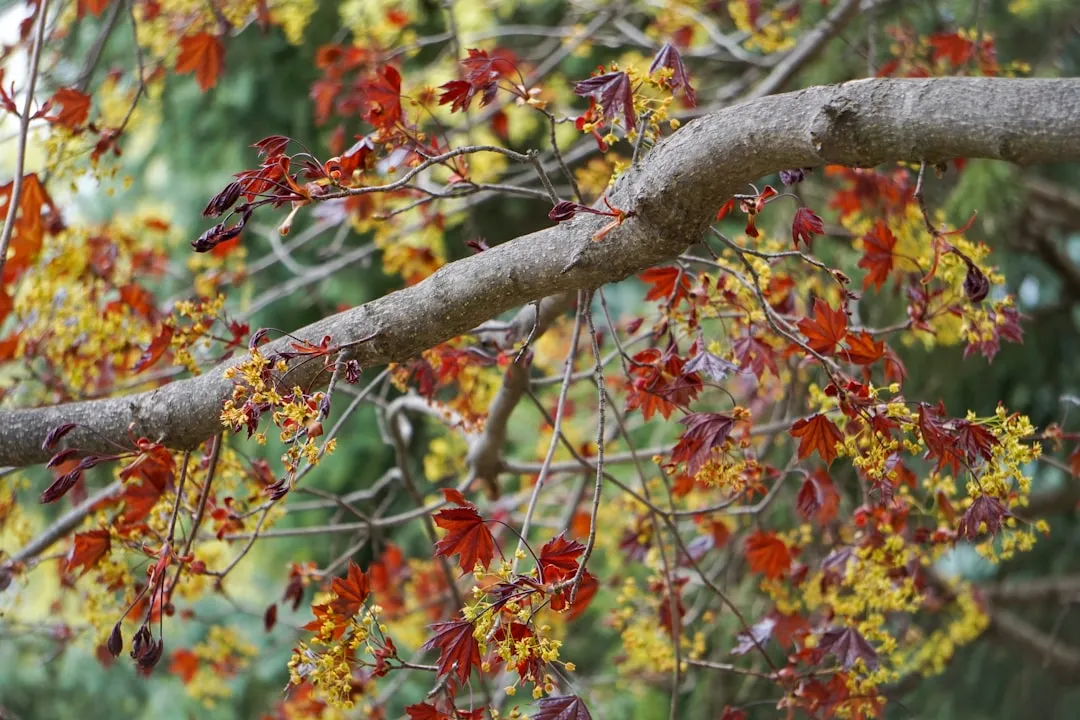
Maple is one of the first trees to bloom in spring. The tiny flowers are insignificant to humans but very important to pollinators, since they offer the first emerging bees an important food source at a time of year when food is scarce.
Maple trees are large trees that can be an excellent source of early-season pollen for bees. The early blossoms provide enough food for insects to survive until fruit trees flower later in the year, meaning trees like the Norway maple not only help honeybees overcome the hardships of winter but kickstart their production of honey later in the season. Native maples are generally the safest choice, as Norway maples are notorious for their invasive tendencies, shading out native plants and stunting growth in surrounding vegetation.
6. Crabapple (Malus spp.): Double Duty for Pollinators and Birds
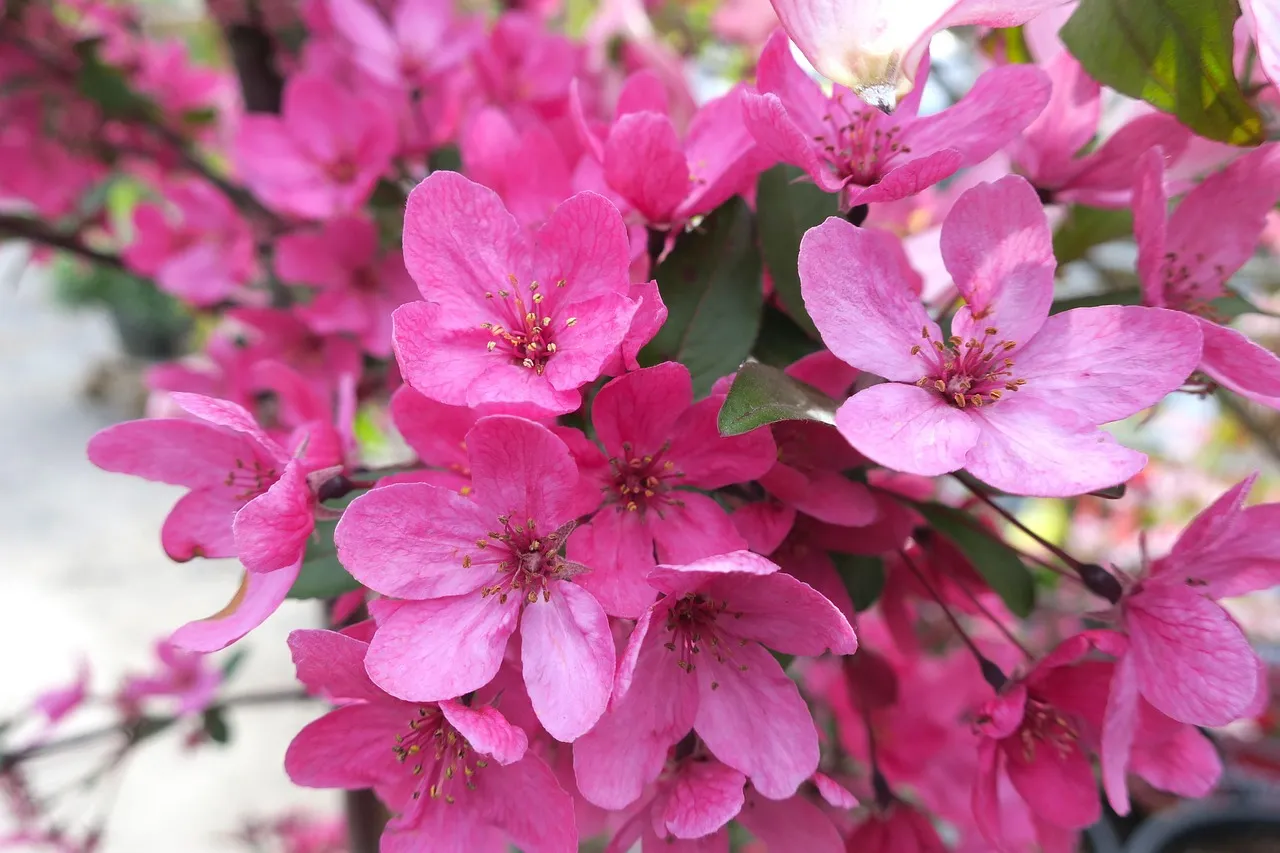
Crabapple trees are not only beautiful but help create a wildlife-friendly garden. The early spring flowers provide a food source for bees and other pollinators, and later in the season the fruit feeds birds.
Apples and cherries bloom a bit later than maples and willows, providing beautiful blossoms and good food at a helpful point in the season. When choosing a variety, be aware that the size of the crabapple fruit matters, as some cultivars bear fruit that is too large for birds to eat. Look for a variety with smaller fruit such as ‘Sargent’ or ‘Prairie Fire’.
7. Black Locust (Robinia pseudoacacia): Fragrant and Fructose-Rich
The black locust is renowned for attracting bees and hoverflies throughout the United States and other parts of the world. Its aromatic blooms arrive in late spring and provide fructose-rich nectar for about two weeks.
Black locust trees allow honeybees to produce acacia honey, which is prized for its taste and high antioxidant content. It’s worth noting, however, that clusters of fragrant white flowers appear in late spring on this locust, but the species is not always a good garden tree as it reseeds heavily and has brittle wood, making a more out-of-the-way planting location preferable.
8. Chokecherry and American Plum (Prunus spp.): Native Workhorses
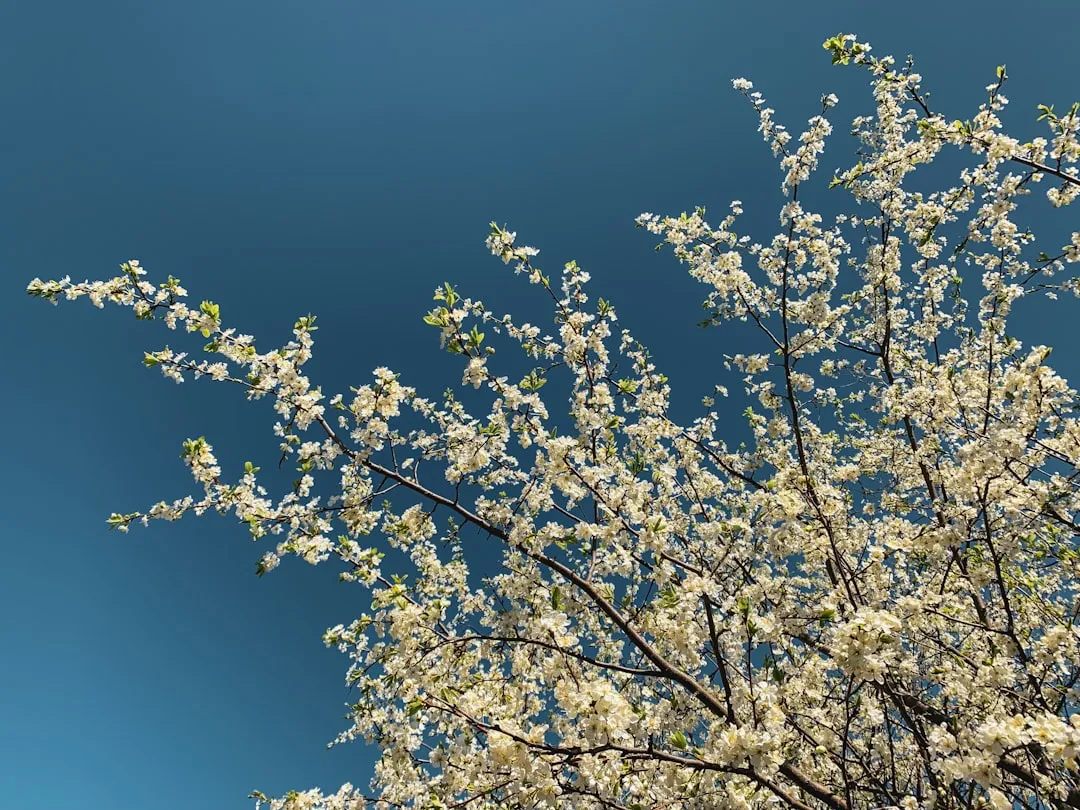
Chokecherry (Prunus virginiana) and American plum (Prunus americana) are early spring bloomers that provide festoons of pale fragrant blossoms feeding many bees, butterflies, and flies, and also serve as hosts for swallowtail butterflies.
Native chokecherry is an outstanding choice, with flowers full of nectar and pollen from March through June, drawing both bees and butterflies. The tree reaches a mature height of 15 to 25 feet, making it just right for smaller yards. American plum produces fragrant, delicate white flowers that emerge before the foliage in spring, with edible red-yellow fruits forming in fall.
9. Tulip Tree (Liriodendron tulipifera): A Giant for Big Gardens
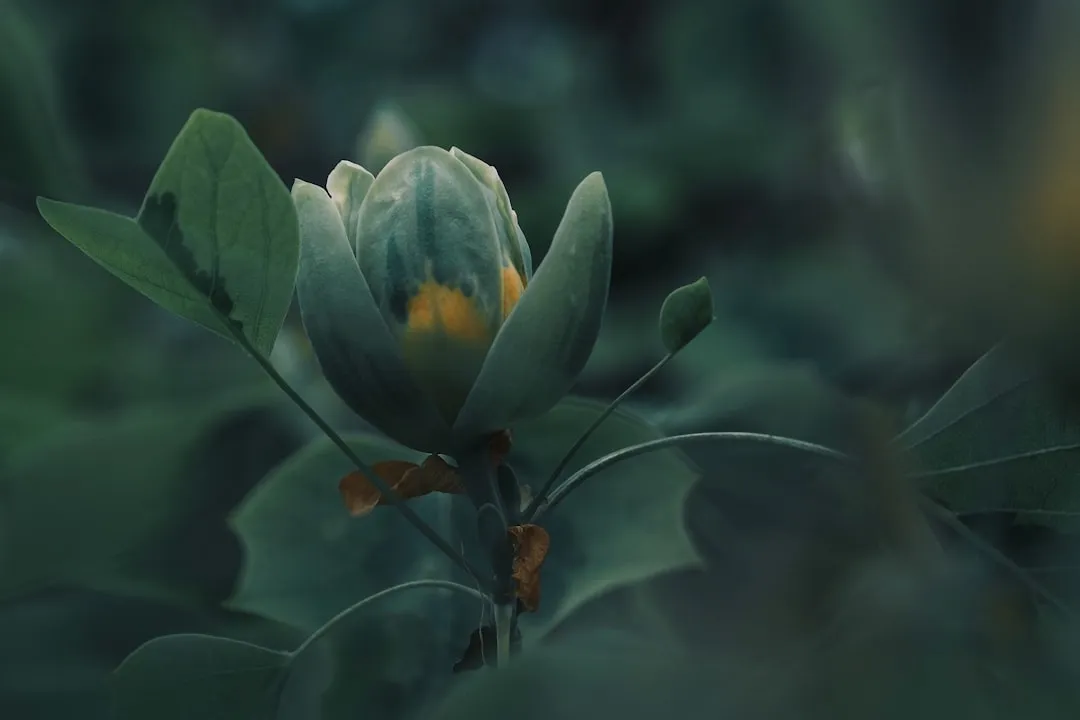
Tulip trees (Liriodendron tulipifera) are among other trees that provide food for pollinators, alongside hawthorns, southern magnolias, and many additional natives. Tulip trees are consistently listed among the best options for pollinators by the Michigan Pollinator Initiative, alongside fruit trees, dogwood, wild black cherry, and lindens.
Flowering trees are great for pollinators because they provide a large amount of food at one time. The tulip tree is a strong example of this principle at full scale. If you have a small space and want to maximize the pollinator food you provide, trees are usually your best option, though the tulip tree itself grows large and suits more spacious gardens or parks.
10. Chaste Tree (Vitex agnus-castus): Late-Summer Relief for Pollinators
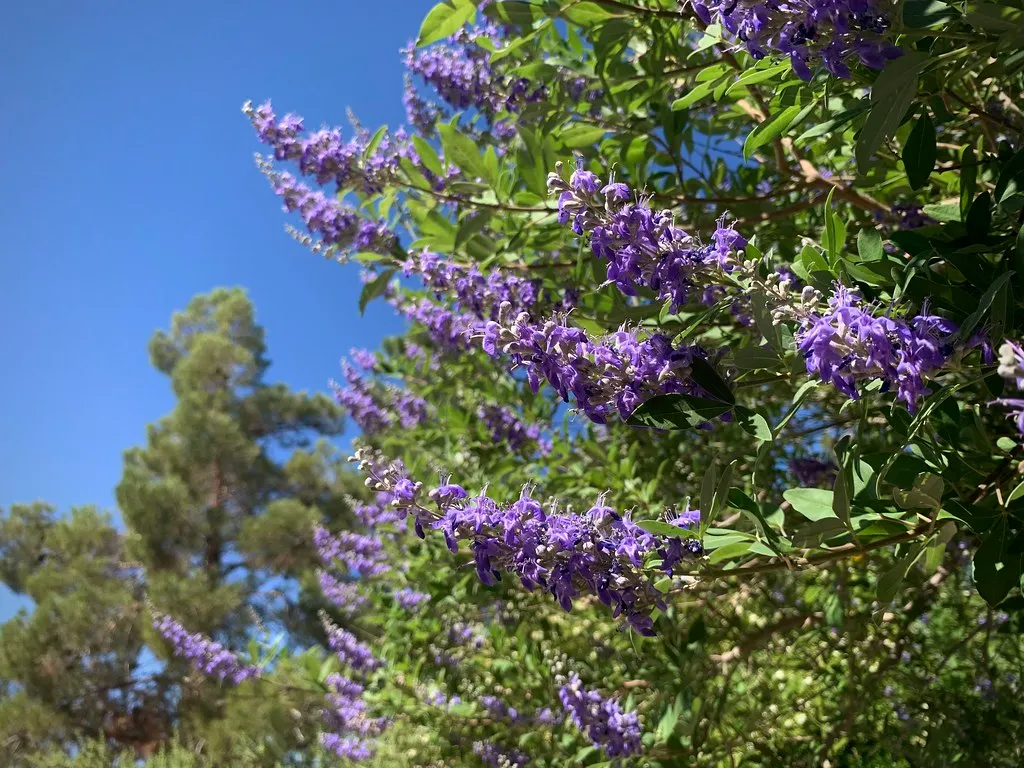
Chaste tree is a hardy, easy-to-grow flowering tree for southern landscapes that blooms over a long period in summer, with flowers highly attractive to butterflies and bees. Its lavender-purple spiked blossoms carry a light fragrance that heightens the atmosphere of any yard.
This tree fills a genuinely important gap in the pollinator calendar. Pollinators need diverse sources of nectar and pollen throughout the entire growing season. As natural habitats shrink and weather patterns shift, home gardens have become an essential refuge. A tree that blooms generously in late summer, when many other species have finished, is more valuable than it might first appear.
A Few Things Worth Keeping in Mind
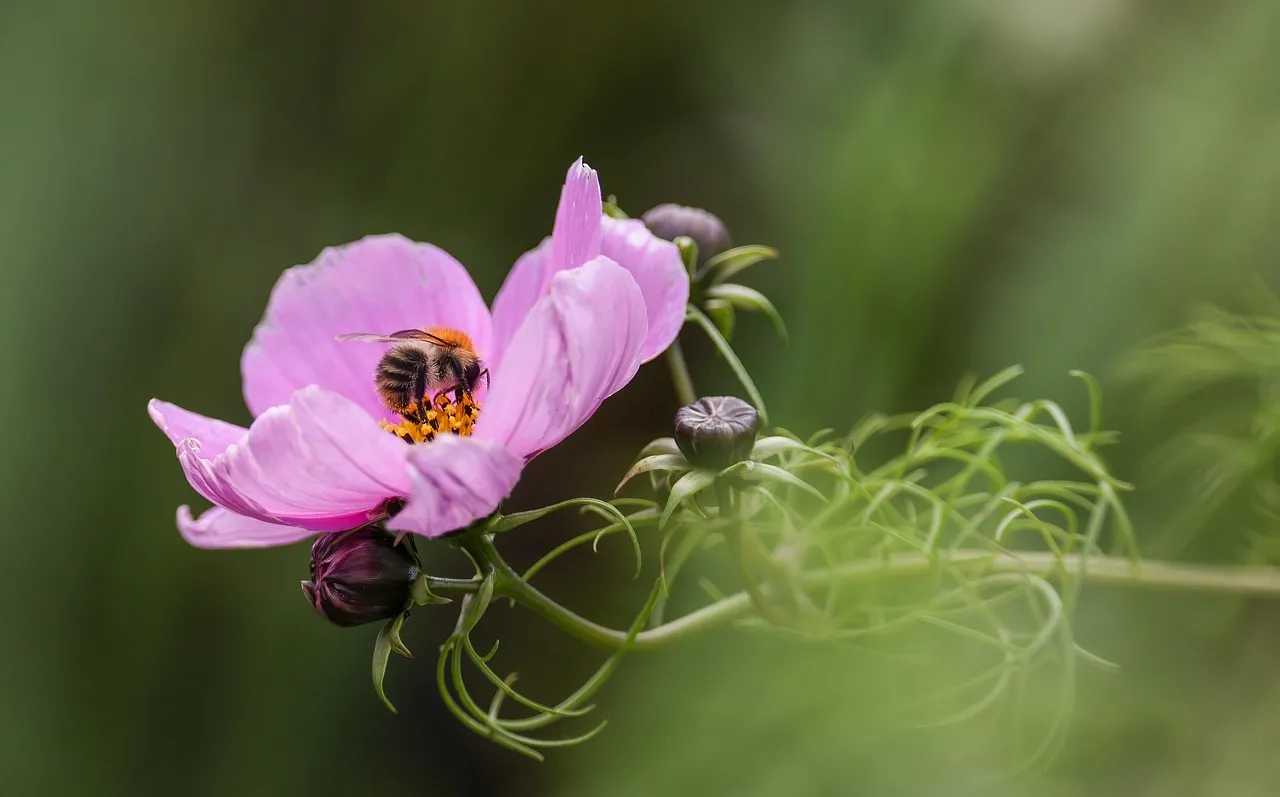
Research suggests that wild-type varieties better support pollinator diversity. This matters especially when browsing ornamental cultivars at a garden center. Some hybrid ornamental trees have blossoms that look pretty but don’t provide nectar for pollinators.
Even small areas of flowers and trees are of great importance to pollinators, and gardens and urban areas can be very good for them. Gardeners are also advised to avoid broad-spectrum insecticides, particularly on blooming plants, as well as systemic pesticides that move into plant tissues.
Trees provide so many benefits to the landscape: they provide shade and shelter, cool urban areas, feed people and wildlife, and create real ecological value. Planting even one of these trees is a straightforward, lasting act. The wildlife doesn’t wait long to notice.
AI Disclaimer: This article was created with the assistance of AI tools and reviewed by a human editor.